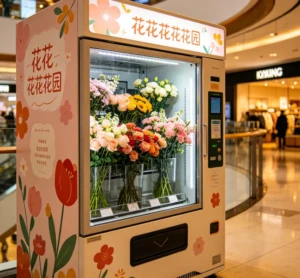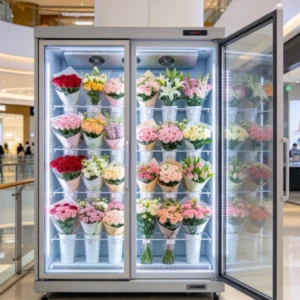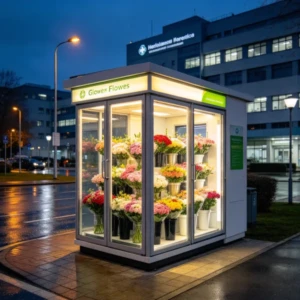
A refrigerated flower vending machine costs between $4,000 and $12,000 in 2026, and most operators end up paying $6,000 to $8,500 for a unit that holds 12 to 24 bouquets. You’ll see them in metro stations, hospital lobbies, airport arrivals halls, shopping malls, and hotel foyers, selling wrapped bouquets and single stems from a chilled glass-front case. The cabinet sits at 4°C to 8°C, takes card or QR payment, and restocks in about 15 minutes. A small single-stem fridge can start under $3,000 if you want to test a location first.
A flower vending machine is a refrigerated self-service display case that sells fresh bouquets or individual stems without staff, usually running on an MDB controller with a card reader. The main things that set the price are capacity, refrigeration quality, cabinet finish, and where the machine is built.
What you’re actually buying when you pay $6,500
The chilled deck is the biggest single line in the price. A commercial compressor and evaporator set for a flower cabinet costs $800 to $2,000 depending on the brand, and it’s the one part you can’t cheap out on. Insulated panels, a heated glass door that stops condensation, and 12 to 24 bouquet holders add $1,200 to $2,500. The controller, card reader, and telemetry module together run $400 to $900. Assembly, testing, and export packing take the rest.
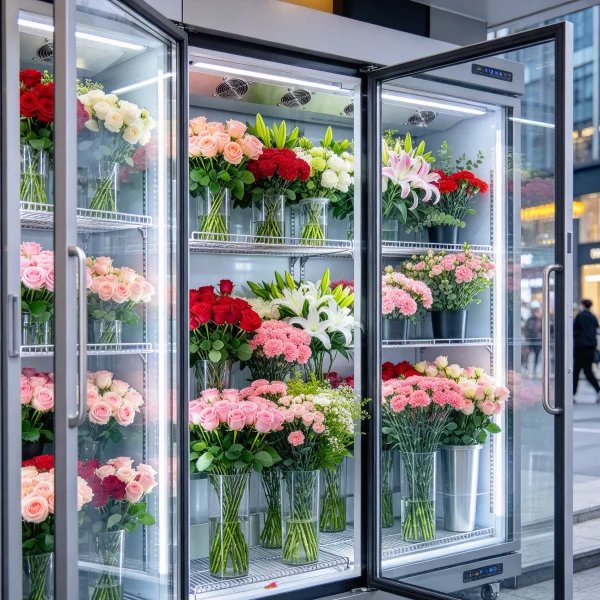
Budget machines cut corners on the compressor and the door seal. You find out in July, when a cabinet that should sit at 6°C drifts toward 14°C between defrost cycles and roses start dropping petals by day three.
Price ranges by machine type
Four things move the number: how many bouquets it holds, how cold it stays, how it looks, and where it’s built. Most 2026 quotes from factories and distributors fall into these bands.
| Machine type | Capacity | Typical price (USD) | Where it works best |
|---|---|---|---|
| Single-stem mini fridge | 6 to 10 stems | $2,800 to $4,500 | Cafes, convenience stores, clinics |
| Standard bouquet fridge | 12 to 18 bouquets | $5,500 to $8,000 | Malls, metro exits, campuses |
| Large double-door cabinet | 24 to 36 bouquets | $8,500 to $12,000 | Airports, hospitals, big stations |
| Custom wood or gift cabinet | 15 to 24 bouquets | $12,000 to $18,000 | Hotels, wedding venues, casinos |
| Non-refrigerated dry-flower cart | 30 to 60 bunches | $1,500 to $2,500 | Pop-ups, markets, seasonal events |
Size explains part of that spread. Branding, door design, and the quality of the refrigeration deck explain the rest. If you’re still deciding between machine categories altogether, the vending machines for sale cost breakdown covers drinks, snacks, and specialty units side by side.
The running costs the quote never mentions
The price you negotiate covers a machine on a pallet. Everything after that comes out of your pocket, and the first year is the expensive one.
| Cost item | Typical monthly figure | Notes |
|---|---|---|
| Electricity | $60 to $140 | Compressor runs around the clock |
| Refrigeration service and parts | $25 to $60 averaged over a year | Gas top-ups, seals, fan motors |
| Spoilage | 8% to 15% of flower spend | Lower with twice-weekly deliveries |
| Payment processing | 1.5% to 2.9% of sales | Card and QR fees, plus SIM charges |
| Location rent or commission | 10% to 25% of revenue | Fixed monthly fees also common |
| Telemetry and software | $5 to $20 | Stock alerts and sales reports |
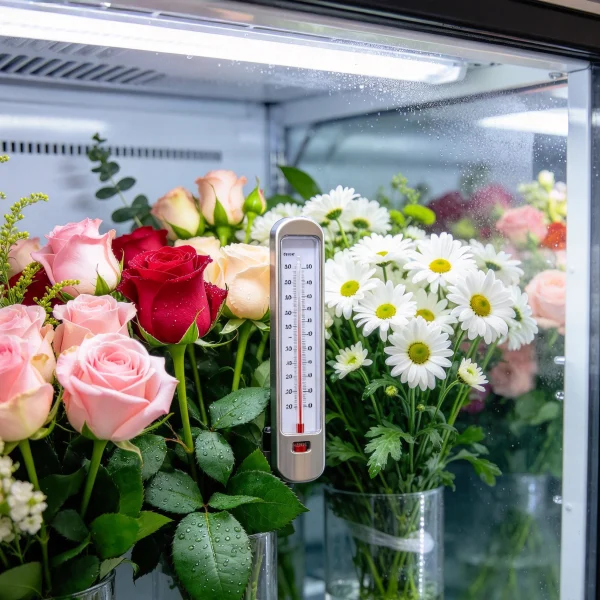
Electricity is the sneaky one. A refrigerated cabinet runs its compressor around the clock, so budget $60 to $140 a month depending on local rates and how often the door opens. Spoilage matters just as much: even with good cooling, 8% to 15% of the flowers you buy will never sell. Buy from a wholesaler who delivers twice a week instead of once, and that number drops.
What one machine can realistically earn
Bouquets sell for $15 to $25 in most city locations. Wholesale flowers cost $4 to $8 per bouquet, which leaves a gross margin of roughly 60% to 70%. A machine selling five to eight bouquets a day grosses about $2,500 to $4,500 a month.
Strip out flower cost, rent or commission, power, payment fees, and spoilage, and most operators keep $1,000 to $1,800 of that. On a $6,500 machine, that’s a payback of 4 to 7 months. A weaker spot stretches to 9 or 10 months, and anything slower usually means the location is the problem, not the hardware.
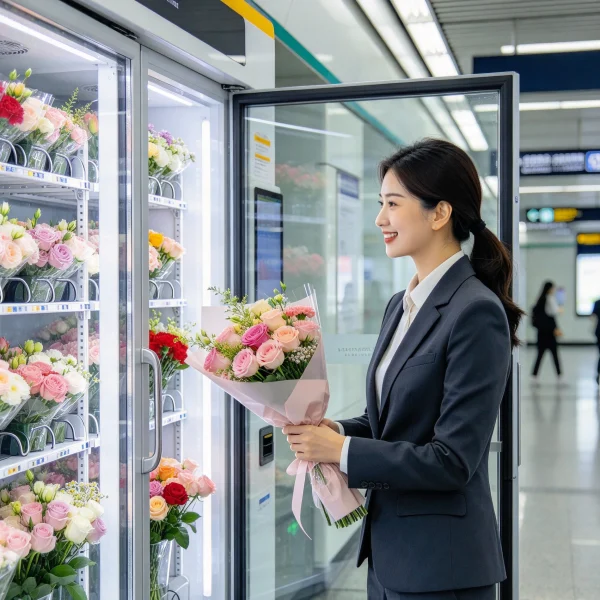
Sell-through matters more than foot traffic. A station exit at 6pm moves flowers fast because people buy on impulse. An office lobby with the same headcount moves far fewer stems, since most people there already planned their day.
What pushes the price up, and what you can skip
Once you know the base range, it gets easier to see which options earn their money.
- Worth paying for: a branded compressor, a heated glass door that stops fogging in humid climates, a card reader with tap and QR, and telemetry that texts you when stock runs low.
- Worth paying for in some markets: battery backup if your location has unstable power, since one warm afternoon can ruin a full load of stock.
- Usually skippable: LED light strips, a touchscreen nobody touches, and a custom wrap on your first machine. Add those once the location proves itself.
- Depends on traffic: capacity. A 36-bouquet cabinet in a spot that sells four a day ties up cash and shelf space for nothing.
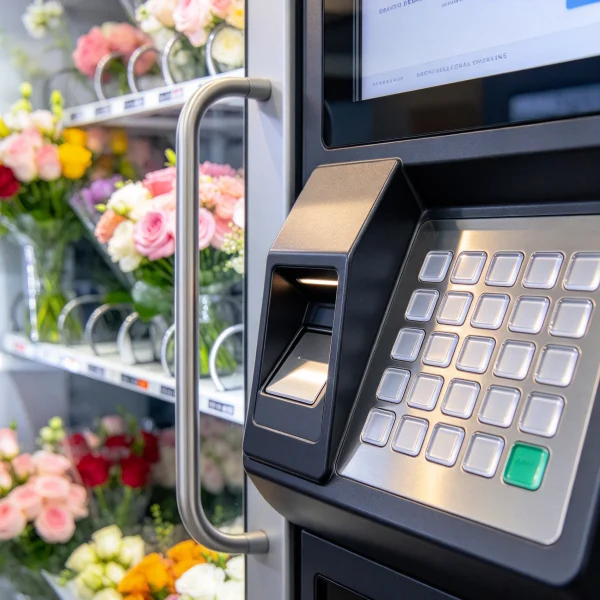
Payment hardware is another small lever. If your market has moved to mobile wallets, a QR-only machine saves $150 to $300. If cash still matters where you’re installing, buy the acceptor anyway, but plan to clean it weekly.
Vetting a supplier before you wire a deposit
Flower cabinets are built in China, Turkey, Spain, Italy, and a few smaller markets in Southeast Asia. The same spec can be quoted at $5,800 by a factory and $9,200 by a reseller three time zones away. Both may be honest. Only one has the margin to support you when a compressor fails in month four.
Ask three questions before you talk price: how many flower cabinets did you ship last year, what’s the warranty on the refrigeration deck, and can you send contact details for two buyers in my region. Vague answers to any of them are your signal to keep looking.
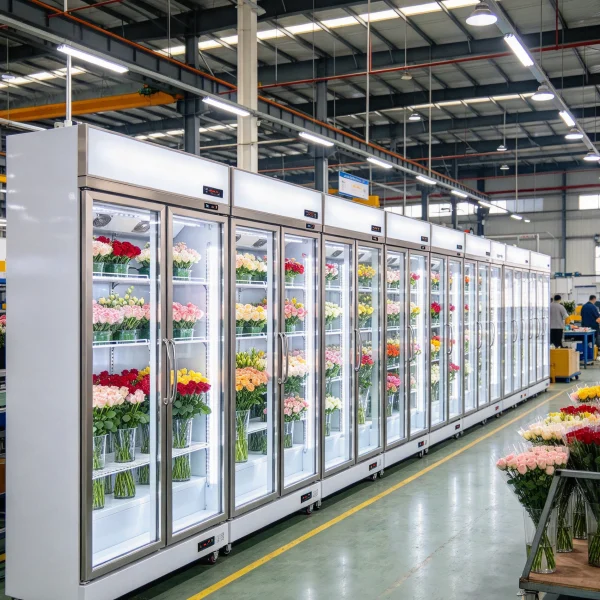
Many of these factories build more than one machine type, so a supplier who’s strong on puzzle vending machines or a phone case vending machine for sale may also quote you a flower fridge from the same line. That’s not automatically a problem, but confirm the cooling work is done in-house rather than outsourced to a third party.
This is where a directory saves weeks. On VendingCore you can compare verified suppliers, read buyer reviews, check price ranges, and send an inquiry directly, so you end up comparing four real quotes instead of guessing which factory to email. The same vetting logic applies to other unattended retail formats, and the perfume vending machine business guide walks through it for a very different product with similar logistics.
Five mistakes that cost new buyers the most
- Buying on price alone. A $1,000 saving on hardware disappears after one spoiled load of 20 bouquets.
- Skipping the location test. Stand in the spot for a full day and count people walking past at 6pm, not at noon.
- Ignoring power and floor requirements. A double-door cabinet wants its own circuit, and most landlords want a signed agreement before installation.
- Underestimating restocking. Someone has to buy, condition, wrap, and load flowers twice a week, which runs 6 to 12 hours a month.
- Forgetting compliance. Licensing rules for unattended retail differ by city, and the fight over lucky box machines in Australia shows how quickly a novelty-machine category can attract regulation.
Before you send a deposit
You now have the realistic range: $4,000 to $12,000 for a refrigerated flower vending machine, with $6,000 to $8,500 covering the common 12 to 24 bouquet size, plus $500 to $4,500 in freight and duty depending on origin. Two numbers decide whether the machine works, and they’re daily sales at your location and the condition of the flowers you load into it. The sticker price matters less than most first-time buyers expect.
Compare at least three suppliers, ask for quotes that separate machine, spares, and freight, and check what other buyers say about spare-part support after year one. On VendingCore you can browse verified flower vending machine suppliers, compare specs and price ranges side by side, and submit an inquiry directly to the ones that fit your budget.
FAQ
How much does a flower vending machine cost in 2026?
Expect $4,000 to $12,000 for a refrigerated unit, with $6,000 to $8,500 covering most 12 to 24 bouquet machines. A small single-stem fridge can cost under $3,000, while a branded wood cabinet for a hotel lobby runs $12,000 to $18,000. Shipping, import duty, and installation add $500 to $4,500 depending on where the factory is. Always ask for a quote that separates machine price from freight and spare parts.
Do flower vending machines need refrigeration?
Yes for cut flowers. Most bouquets hold for 5 to 10 days at 4°C to 8°C, and they wilt within a day or two in a warm room. A cabinet with a dead compressor is a display shelf, not a vending route. If you’d rather sell dried or artificial arrangements, a cheaper non-refrigerated cart works. Fresh roses, lilies, and tulips need active cooling and a door that seals properly.
How many bouquets should the machine hold?
Twelve to eighteen slots is the sweet spot for a first machine. Fewer than ten and you’ll restock daily in a busy station, which eats the margin. More than 24 and you tie up cash in stock that may not sell fast enough in a lower-traffic spot. Watch sales for two weeks before you buy a bigger cabinet, then size up only if the machine sells out before lunch.
How much can one machine make each month?
A well-placed machine selling 5 to 8 bouquets a day at $15 to $25 each grosses roughly $2,500 to $4,500 a month. After flower cost, rent or commission, electricity, payment fees, and spoilage, most operators keep $1,000 to $1,800. That usually pays back a $6,500 machine in 4 to 7 months. Locations with steady evening foot traffic outperform ones that only catch the morning commute.
What payment systems do flower vending machines use?
Almost all serious machines run an MDB controller with a card reader, plus QR payment for markets where mobile wallets dominate. Look for contactless tap, EMV chip, and a reader that settles in your currency. Cash acceptors still matter in a few countries, but they jam more often and add a security risk after hours. Ask which reader brand is fitted and whether you own the merchant account or the supplier does.
Where can I buy a flower vending machine?
Most units are built in China, Turkey, Spain, or Italy and sold through factories, exporters, and regional distributors. Prices for the same spec can differ by 40% between a factory and a local reseller, so compare several quotes side by side. On VendingCore you can compare verified suppliers, read buyer reviews, check price ranges, and send an inquiry directly, which saves weeks of cold emailing factories that never reply.
How long do flowers stay fresh inside the machine?
At 4°C to 8°C with a sealed door, cut flowers hold 5 to 10 days depending on variety. Roses and chrysanthemums last longest, tulips and lilies the shortest. Spoilage of 8% to 15% of your weekly stock is normal even with good cooling. Anything above 20% usually means the compressor is cycling wrong, the door seal is failing, or the flowers were already three days old at delivery.
Do I need a permit to operate a flower vending machine?
You usually need a business license and a signed location agreement, and some cities apply handling rules because flowers are sold for people to touch. Nothing as strict as prepared food, but check local rules before you sign a lease. Rules for novelty machines vary a lot by market, and the debate over lucky box machines in Australia is a good reminder to confirm compliance first.
Buyers ask me about the machine price first, and that’s the smallest number in the whole deal. I’ve run eleven flower machines for four years, and the two that failed weren’t cheap machines. They were good machines in bad spots. A train platform at 6pm sells out by 9pm. The same cabinet in an office lobby sells two bouquets a week. Before you compare quotes, stand in the location for a full day and count people. Then buy the machine that fits the traffic you counted, not the one a salesperson wants to clear from stock.