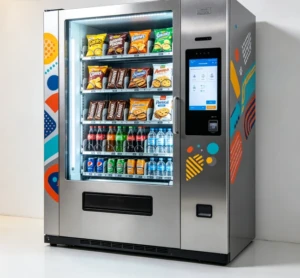
A “lucky box” in Australia is a vending machine that dispenses mystery prizes, with over 200 units already installed across shopping centers and convenience stores by early 2026, sparking heated debate about whether they’re effectively introducing gambling to children. These machines work like a cross between a gacha game and a traditional vending machine—you insert coins, spin a virtual wheel, and receive a random prize that could range from cheap toys to electronics worth hundreds of dollars. The controversy isn’t just about the prizes though; it’s about the psychological mechanics that mimic slot machines, complete with flashing lights, suspenseful music, and that addictive “one more try” feeling.
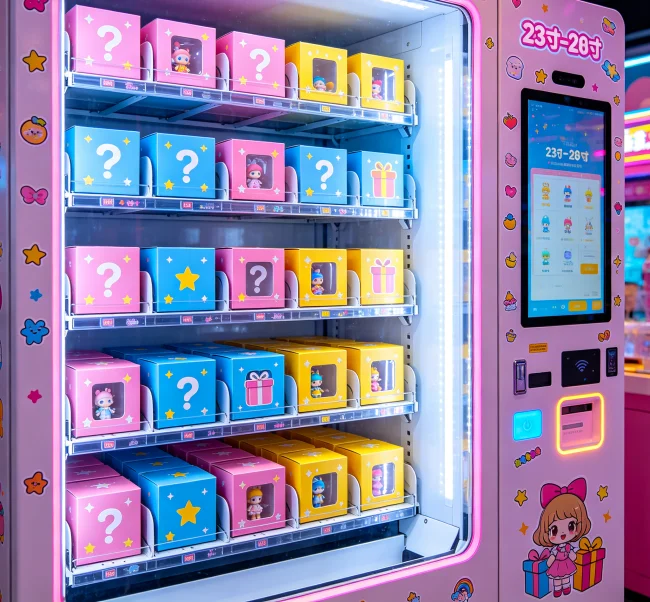
Here’s the thing—these aren’t your average quarter-pusher machines from the 90s. Lucky boxes use digital screens, randomized algorithms, and prize tiers that make every spin feel like it could be the big one. The operator, Lucky Box Australia, claims they’re just “entertainment vending machines,” but child safety advocates aren’t buying it. The Australian Institute of Family Studies has flagged these machines as a potential gateway to gambling, especially since they’re often placed near food courts and arcades where kids hang out.
So what’s actually in these boxes? Prizes are split into categories: common (cheap toys, candy), uncommon (small electronics, gift cards), rare (headphones, speakers), and ultra-rare (game consoles, tablets). The odds aren’t published, which is a major point of contention. Unlike Japanese gachapon machines where you know what you’re getting from the display, these boxes keep everything hidden until you pay. That uncertainty is exactly what makes them so compelling—and so controversial.
💡 Key Insight: If you’re a parent, watch for machines with “mystery prize” labels near kids’ areas—they often look like regular vending machines but use gambling mechanics.
What Exactly Is a Lucky Box?
At its core, a lucky box is a vending machine that sells randomized prizes through a digital interface. You don’t pick what you want—you pick a price point (usually $2, $5, or $10) and the machine randomly selects a box from its inventory. The digital screen shows a spinning wheel or animation building suspense, then reveals your prize. Some machines even have leaderboards showing recent big winners, which is straight out of the casino playbook.
The machines first appeared in Australia around 2024, but by 2026 they’ve spread like wildfire. You’ll find them in major shopping centers in Sydney, Melbourne, Brisbane, and Perth. The company behind them positions them as “surprise toys” similar to Kinder Surprise or trading card packs, but critics argue there’s a key difference: those products show you the possible contents, while lucky boxes don’t.
How Do Lucky Box Vending Machines Work?
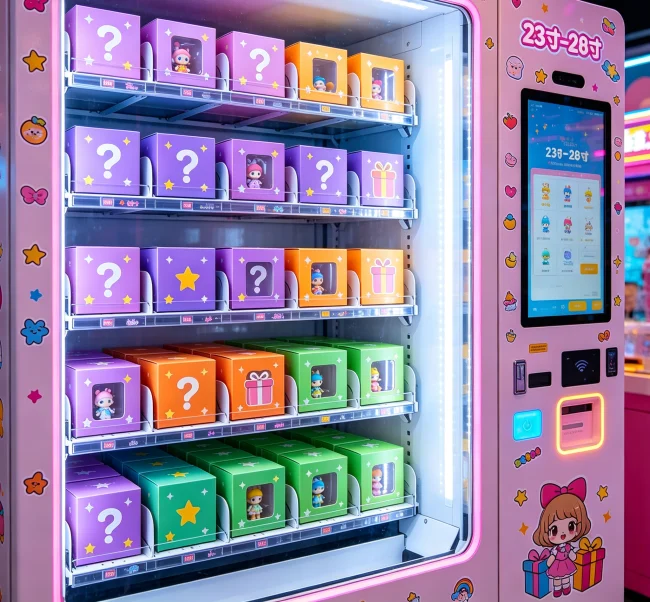
The process is deceptively simple:
But here’s where it gets tricky. The machines use what’s called a “variable ratio reinforcement schedule”—the same psychological principle that makes slot machines addictive. You never know when you’ll win big, so you keep playing. The rare prizes are just rare enough to keep people hoping, but common enough that someone wins occasionally, which gets others to try.
The operator claims the system is purely random, but without independent auditing, there’s no way to verify that. In Japan, similar machines faced scrutiny because operators could adjust the odds remotely. Lucky Box Australia says they don’t do this, but transparency is minimal.
Where Are Lucky Box Machines Located?
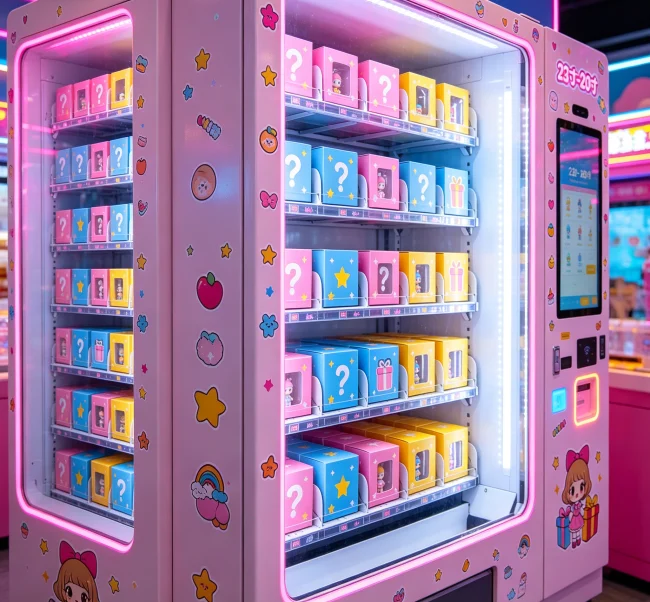
As of early 2026, these machines are concentrated in:
| Location Type | Examples | Concern Level |
|---|---|---|
| Shopping Centers | Westfield, Chadstone | High – near food courts |
| Convenience Stores | 7-Eleven, BP stations | Medium – adult areas |
| Arcades | Timezone, Playtime | Very High – kids present |
| Cinemas | Event, Hoyts | High – family venues |
The placement is strategic—machines go where foot traffic is high and where parents might give in to pester power. A single machine can generate hundreds of dollars per day, which explains the rapid expansion.
💡 Practical Advice: Check your local shopping center’s guest services desk to see if they have a policy on lucky box machines—some have started restricting access to minors.
Why Are Lucky Boxes So Controversial?
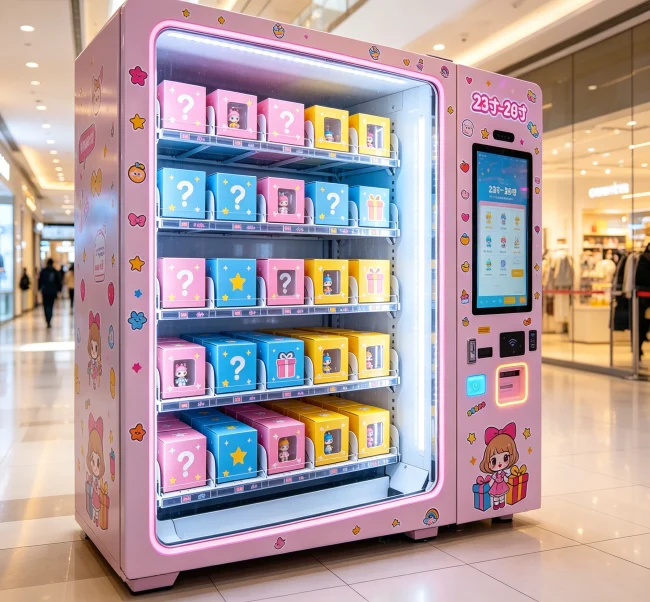
The controversy boils down to one word: gambling. The Alliance for Gambling Reform has called these machines “a wolf in sheep’s clothing.” Here’s why people are worried:
Dr. Samantha Thomas, a gambling researcher at Deakin University, told The Guardian that these machines “normalize gambling-like behavior for children at an age when their brains are most susceptible to developing addictive patterns.” That’s not an exaggeration—studies show that early exposure to gambling mechanics increases the likelihood of problem gambling later in life.
Is Lucky Box Legal in Australia?
Here’s where it gets murky. Australian gambling laws vary by state, and lucky boxes exist in a regulatory grey area. They don’t fit neatly into existing categories:
The operator argues that since you’re buying a “mystery product” rather than a chance to win money, it’s not gambling. Critics counter that the prize value varies wildly and the element of chance is the primary driver of purchases.
As of 2026, no Australian state has explicitly banned these machines, but several are investigating. The Queensland government launched a review in late 2025, and New South Wales is considering classifying them as “gaming machines” under the Gaming Machines Act. Until regulations catch up, the machines operate in that frustrating legal grey zone.
Lucky Box vs. Traditional Loot Boxes
People often confuse these with video game loot boxes, and for good reason—they use the same psychological tricks. But there are key differences:
| Feature | Lucky Box Machine | Video Game Loot Box |
|---|---|---|
| Physical prize? | Yes – real items | No – digital items |
| Cost per play | $2–$10 | $1–$5 |
| Age restriction? | None | Game rating applies |
| Regulation | Grey area | Some countries ban |
| Prize value range | $0.50 to $500+ | No monetary value |
The physical prize aspect actually makes lucky boxes more problematic in some ways—kids are spending real money for a chance at a real item, which is closer to traditional gambling than digital loot boxes.
Parent’s Guide: Talking to Kids About Lucky Boxes
If your child has encountered these machines, don’t panic—but do have a conversation. Here’s what to cover:
The key is to frame it as a learning opportunity about how companies design products to separate people from their money. Kids are smarter than we give them credit for—they just need the tools to recognize manipulation.
💡 Critical Info: If your child has already spent money on these machines, use it as a teaching moment—don’t shame them, but discuss how the machine is designed to make you keep playing.