Home / Vending Machine Business / How Does Lucky Box Vending Work? A Complete Guide to Mechanics, Prizes, and Risks

How Does Lucky Box Vending Work? A Complete Guide to Mechanics, Prizes, and Risks

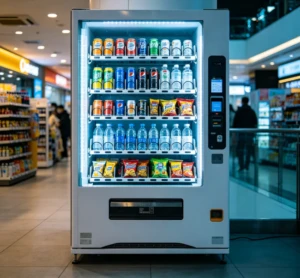
How does Lucky Box Vending work? It’s a simple, high-stakes transaction: you pay a fee, typically between $3 and $10, and a random prize is dispensed from a glass-fronted machine. The machine uses a random number generator (RNG) to select from a pre-loaded inventory of items, ranging from cheap trinkets to high-value electronics. Think of it as a vending machine crossed with a lottery ticket—you’re paying for the thrill of the unknown, not a guaranteed product.
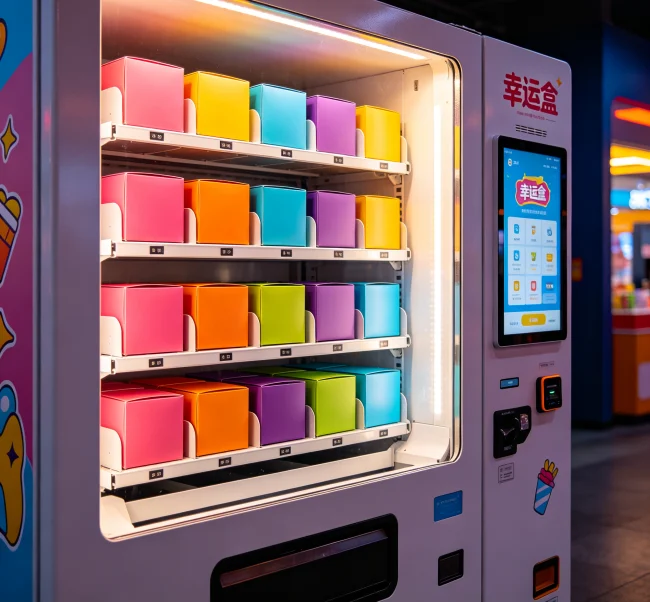
How does Lucky Box Vending work?

These machines have exploded in malls, arcades, and even casinos. You insert cash or tap a card, select a box number (often with a digital display), and watch as the machine whirs to life. A robotic arm or a rotating carousel picks a prize from its hidden compartment, dropping it into the retrieval slot. The catch? You don’t know what you’ll get until it’s in your hands. Some boxes hold $1 keychains, others $100 Bluetooth speakers. The odds are never posted, which is where the controversy kicks in.

Here’s the kicker: the prize distribution is carefully engineered. Operators set a “drop rate” for each item tier. For example, 70% of plays might yield low-value items, 25% mid-range, and only 5% high-value. The RNG ensures these ratios are hit over time, but individual results are totally random. You could win a plush toy on your first try or blow $50 on nothing but bouncy balls. It’s a business model built on psychology—the near-miss feeling keeps you feeding the machine.

💡 Key Tip: Before you play, check the machine for a prize list or QR code. Legitimate operators often display the range of items inside. If you don’t see one, assume the odds are stacked against you.

The Step-by-Step Process: What Actually Happens

Let’s break down the user experience, from start to finish. It’s not complicated, but knowing the steps helps you understand where the “magic” (and the risk) lies.

  • Approach and Selection: You walk up to a Lucky Box machine. It’s usually bright, with digital screens showcasing “mystery prizes.” You’ll see a grid of numbered boxes or a single spinning wheel. Each selection corresponds to a potential prize. The interface asks you to choose: pick a number, tap a color, or spin the wheel. This choice is purely cosmetic—the RNG has already decided your fate the moment you pay.
  • Payment: You insert cash, use a credit card, or tap a mobile wallet. The machine confirms the transaction and deducts the cost. Prices vary wildly. A standard play in a US mall runs about $5. In a casino or high-traffic tourist spot, it could be $10 or more. Some machines offer “bonus plays” where you pay extra for a guaranteed shot at a premium prize, but that’s just another layer of randomness.
  • The Reveal: The machine activates. You might hear motors, see lights flashing, or watch a mechanical arm move. This is all theater. The prize is already determined. The machine then dispenses a plastic capsule or a small box into the retrieval slot. You open it, and there’s your prize—a cheap toy, a candy bar, or if you’re lucky, a branded item like a hat or a phone case.
  • The Aftermath: Most people walk away with disappointment. That’s by design. The machine relies on the “sunk cost” fallacy—you’ve already paid, so you might try again to “make up for it.” The experience is intentionally addictive, similar to slot machines or loot boxes in video games.
  • 💡 Practical Advice: Set a strict budget before you start. Treat it like entertainment, not an investment. Once you’ve spent $20, walk away. The house always wins in the long run.

    The Prize System: What Are You Actually Getting?
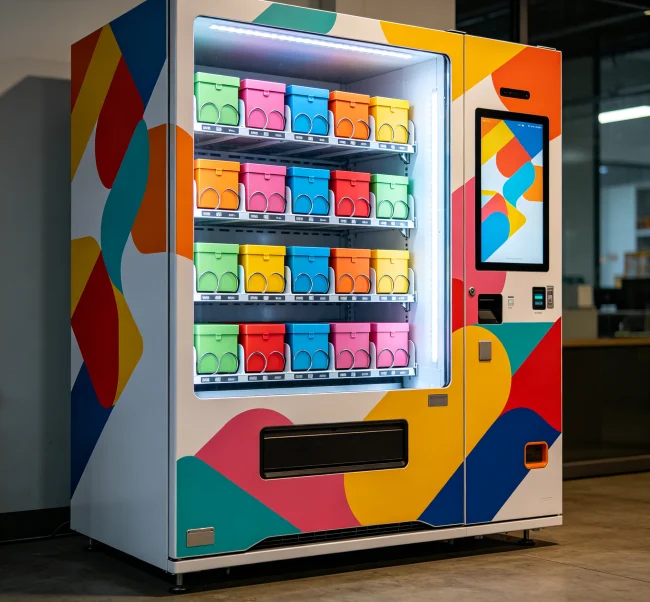
    The Prize System: What Are You Actually Getting?

    The prize pool is the heart of the machine. Operators buy bulk items from wholesalers—think Alibaba or local surplus stores. Common items include:

  • Low-tier (60-80% of inventory): Stickers, keychains, bouncy balls, small candies, plastic toys. Wholesale cost: $0.10-$0.50 each.
  • Mid-tier (15-30%): Branded merchandise (hats, mugs), small electronics (earbuds, phone grips), plush toys. Cost: $1-$5.
  • High-tier (2-5%): Electronics (Bluetooth speakers, headphones), gift cards, or exclusive collectibles. Cost: $10-$50.
  • The machine’s software tracks inventory and adjusts drop rates automatically. If a high-tier item has been won recently, the RNG might lower its probability temporarily to keep the operator profitable. Transparency? Almost zero. Most machines don’t display odds, which is a huge red flag for consumer advocates.

    I’ve seen machines in Tokyo’s Akihabara district where the prizes are clearly displayed behind glass—you know exactly what you might win. But in the US and Europe, it’s often a mystery. You’re buying a gamble, not a product.

    Is It Gambling? The Legal Gray Area
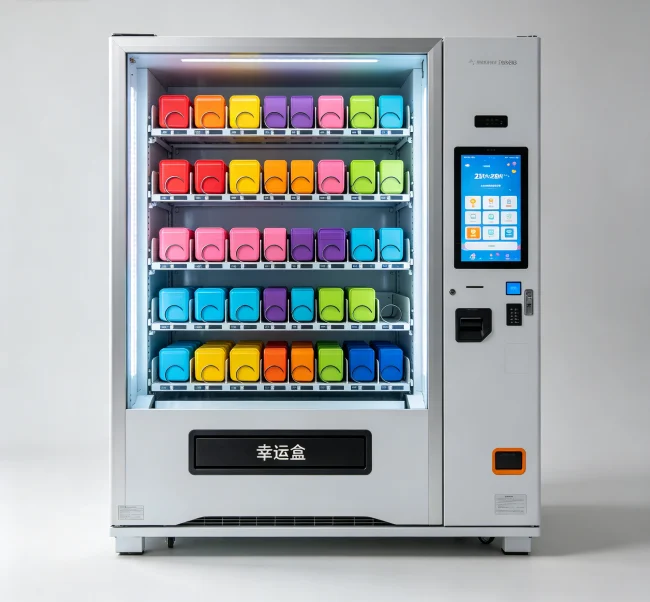
    Is It Gambling? The Legal Gray Area

    This is the million-dollar question. Legally, it depends on where you are. In the US, the definition of gambling involves three elements: consideration (you pay), chance (random outcome), and prize (something of value). Lucky Box machines tick all three boxes. But they often escape regulation because the prize has “nominal value” or the machine is classified as a “vending machine” rather than a “gaming device.”

    Some states have cracked down. In the UK, the Gambling Commission has warned that these machines could be illegal if they’re accessible to children. In Australia, they’re often banned in public spaces. The Guardian’s 2024 investigation highlighted cases where kids spent hundreds of dollars on these machines, sparking outrage. The bottom line: if it looks like gambling and feels like gambling, regulators are starting to agree.

    💡 Caution: If you’re a parent, talk to your kids about these machines. They’re designed to be addictive, and children don’t understand probability. Set clear rules about spending money on them.

    How Operators Make Money (And Why You Should Care)
    How Operators Make Money (And Why You Should Care)

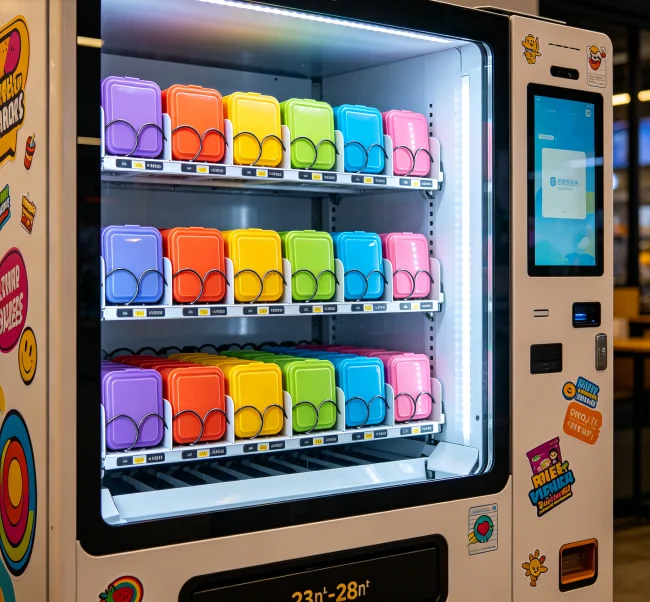
    The math is brutally simple. Let’s say a machine costs $5 per play and holds 100 items. The operator buys the entire inventory for $150. That’s $1.50 average cost per item. If 100 people play, the operator grosses $500. Net profit: $350 per full cycle. Even with high-tier prizes every 20 plays, the profit margin is enormous.

    Operators also use “dynamic pricing.” Machines in high-traffic areas (airports, tourist spots) charge more. Some machines have “loyalty programs” where you earn points toward a guaranteed prize after X plays—a classic retention tactic. The business model is pure psychology: the thrill of the unknown beats rational decision-making every time.

    Comparison to Other Mystery Box Experiences

    Lucky Box vending isn’t unique. It’s part of a larger trend:

  • Loot boxes in video games: Same concept, digital form. Regulated in some countries (Belgium, Netherlands).
  • Blind bags (e.g., LOL Surprise, Funko Pop!): Retail products with random contents. Less controversial because the price is low ($5-$10) and the value is more predictable.
  • Claw machines: Skill-based (sort of). You can practice and improve. Lucky Box machines have zero skill element.
  • Gacha machines (Japan): Similar but often have transparent odds and a “pity system” after a certain number of pulls.
  • The key difference? Most of these alternatives have some degree of consumer protection. Lucky Box vending machines, in many jurisdictions, operate in a legal vacuum.

    The Future: Regulation or Innovation?

    The industry is at a crossroads. Consumer advocacy groups are pushing for mandatory odds disclosure, age restrictions, and clear labeling. Some operators are already adapting—voluntarily posting prize lists or using “fair play” certifications. Companies like VendingCore are developing smart vending solutions that integrate transparent RNG systems and real-time inventory tracking, making it easier for operators to comply with emerging regulations.

    If you’re considering entering this business, the smart play is to be ahead of the curve. Build trust with your customers. Show them what’s inside. You’ll still make money—just with a cleaner conscience.

    💡 Critical Info: If you’re an operator, invest in machines that allow you to display prize odds and inventory. It’s not just ethical—it’s good business. Customers are more likely to play when they trust the system.
    Frequently Asked Questions (FAQ)

    A

    It uses a random number generator (RNG) algorithm. The machine’s software randomly selects a prize from its inventory based on pre-set drop rates. You have no control over the outcome—it’s pure chance. The RNG ensures the operator’s profit margins are maintained over time.

    A

    It depends on your location. In many US states and EU countries, they operate in a legal gray area. They’re often classified as vending machines, not gambling devices. However, some jurisdictions (like the UK and parts of Australia) are moving to regulate or ban them, especially when accessible to minors.

    A

    Prices range from $3 to $10 per play, depending on the machine’s location and prize tier. Machines in high-traffic areas like airports or casinos tend to charge more. Some machines offer “bonus plays” for a higher fee, but these don’t improve your odds.

    A

    No. You win physical items, not cash. The prizes are typically low-value toys, electronics, or branded merchandise. Some machines offer gift cards, but those are rare. The “value” is in the surprise, not the monetary return.

    A

    That’s a hot topic. Critics argue they’re a form of gambling targeting kids. The prizes are often cheap toys, but the addictive mechanics can encourage repeated spending. Many parent groups recommend setting strict limits or avoiding them altogether for children under 12.

    A

    There’s no real strategy—it’s random. Some people try to “read” the machine by watching previous winners, but that doesn’t work. The only smart move is to set a budget and treat it as entertainment. If you’re after a specific item, buy it directly instead.

    A

    The profit margin is huge. A machine might cost $5 per play, while the average prize value is under $2. Operators buy inventory in bulk at wholesale prices. Even with high-tier prizes, the odds are stacked to ensure a healthy profit—often 60-80% margins per cycle.

    A

    Very few. Most jurisdictions don’t require odds disclosure or prize verification. Some operators voluntarily post prize lists, but it’s rare. If you feel a machine is unfair, you can report it to local consumer protection agencies, but don’t expect much action.

    The Lucky Box vending machine industry is at a tipping point. Operators who embrace transparency—by publishing drop rates and prize values—will build long-term customer trust and avoid regulatory backlash. We’re already seeing smart vending solutions from companies like VendingCore that integrate fair-play algorithms and real-time reporting. The future isn’t about hiding the odds; it’s about being honest with your customers while still running a profitable business. The ones who adapt will thrive; those who don’t will face bans and bad press.

    Mark Chen
    Vending Industry Analyst & Regulatory Consultant

    Ready to Start Your Project?

    Contact us for professional advice and customized solutions

    Contact Now

    Asher

    Technical expert in smart vending solutions and IoT-enabled retail automation. Providing in-depth reviews and comparisons to guide businesses toward the best technology choices.

    Leave a Comment

    Your email address will not be published. Required fields are marked *

    Table of Contents
    0%
    VendingCore
    Privacy Overview

    This website uses cookies so that we can provide you with the best user experience possible. Cookie information is stored in your browser and performs functions such as recognising you when you return to our website and helping our team to understand which sections of the website you find most interesting and useful.