
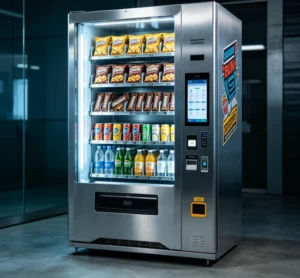
What sells most in vending machines? The top-selling categories consistently are bottled beverages (water, soda, sports drinks), classic salty snacks (chips, pretzels), and chocolate/candy bars. These staples can account for 60-70% of sales in a typical machine. But here’s the thing—knowing the best-sellers is just step one. Your real profit comes from understanding why they sell and how to mix them with other items based on your specific location and customers.
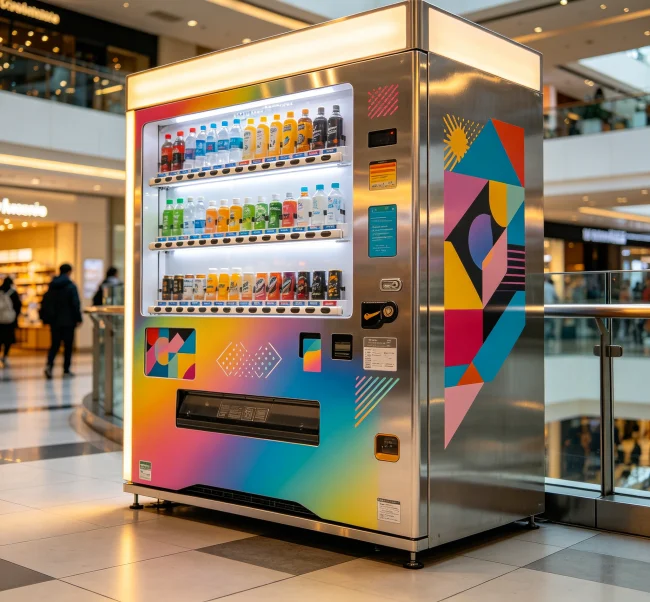
Think of it like running a tiny, automated convenience store. Stocking the right shelf is everything.
Let’s break down the champions. Bottled water is often the single highest-volume item. It’s cheap for you to stock, has a fantastic markup, and appeals to everyone—from health-conscious gym-goers to someone just needing hydration. It’s immune to most dietary trends.
Next, salty snacks and chocolate. Their success isn’t an accident. They’re what people crave during a quick break, a mid-afternoon slump, or an impulse buy. They have long shelf lives, which is a huge operational plus for you. Brands like Lay’s, Doritos, Snickers, and M&M’s are universal languages of craving.
But simply loading a machine with only these is a missed opportunity. You’re leaving money on the table.
💡 Key Takeaway: Always make classic drinks and snacks your foundation. They guarantee steady cash flow and cover your base operational costs.
Your Secret Weapon: The Location-Based Mix
This is where new operators stumble. A machine in a high school will sell differently than one in a factory breakroom or a hospital waiting area. The best-sellers list needs a local twist.
See the pattern? You’re not just selling snacks; you’re selling a solution for a specific moment in someone’s day.
Beyond the Chip Aisle: High-Margin & Emerging Products
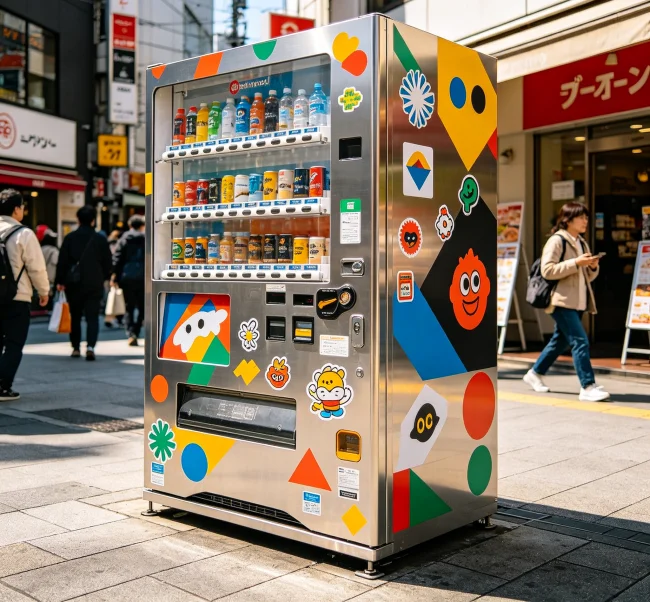
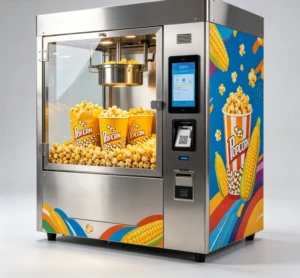
To really boost profits, look beyond the standard wholesaler list. These items often have higher price points and better margins.
💡 Practical Advice: Dedicate 10-20% of your machine’s slots to testing new, higher-margin items. Track what sells and double down on the winners.
The Profit Math: It’s More Than Just Sales
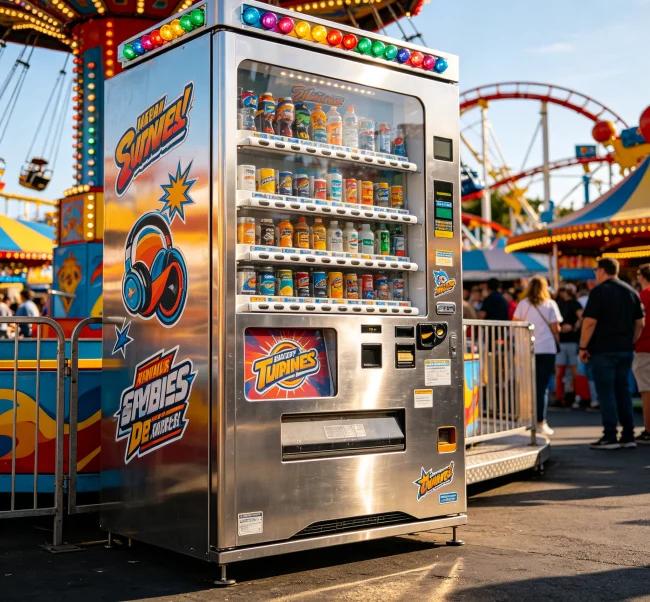
A product can fly off the shelf but still be a bad choice. You need to think in terms of profit per square inch inside your machine.
A cheap bag of chips that sells 10 times a week might make less total profit than a premium protein bar that sells 5 times. Consider this quick comparison:
| Product | Your Cost | Sale Price | Gross Profit | Key Consideration |
|---|---|---|---|---|
| Bottled Water | $0.25 | $1.50 | $1.25 | High volume, low cost, universal appeal. |
| Premium Protein Bar | $1.10 | $2.75 | $1.65 | Lower volume, but higher margin per sale. Targets specific customers. |
| Name-Brand Soda | $0.65 | $2.00 | $1.35 | Consistent seller, but brand pricing can vary. |
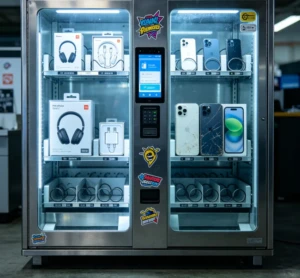
| Phone Charger | $3.00 | $15.00 | $12.00 | Very high margin, very low turnover. Perfect for niche locations. |
You also have to factor in spoilage. Fresh apples are a healthy option, but if they don’t sell in a week, you lose 100% of your cost. A bag of pretzels will wait patiently for months.
💡 Critical Info: Always calculate your gross profit (Sale Price – Your Cost), not just sales numbers. A high-margin item that sells once a day can be better than a low-margin item selling three times.
How to Find & Test Your Perfect Product Lineup
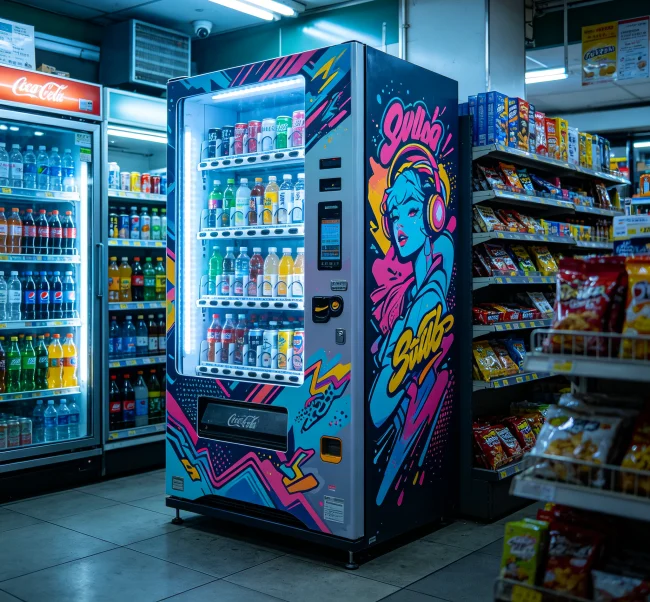
So, you know the theory. How do you execute? Start with a deep dive into your location. Observe who walks by for a few days. Talk to people if you can. What do they wish was available?
Then, source strategically. For the classics, a wholesale club or broadline distributor is fine. But for those premium, local, or unique items, you’ll need to build direct relationships. This is where a platform like VendingCore becomes invaluable. Instead of searching blindly, you can connect directly with over 500 verified manufacturers and suppliers globally. Whether you’re looking for a machine that can handle fresh food, specialized snack brands, or even custom equipment for your unique product mix, it streamlines finding reliable partners. We’ve facilitated over 10,000 connections because getting the right supply chain is half the battle.
Start with an 80/20 split: 80% proven best-sellers for your location type, 20% test products. Keep detailed records for 4-6 weeks. What sold out first? What’s just sitting there? Rotate accordingly.
💡 Action Step: For your next restock, replace your two slowest-moving items with something new. Track the results religiously. Your machine’s data is your best business consultant.
The most successful operators aren’t just order-takers; they’re curators. They use the timeless appeal of water and chips to pay the bills, and then layer in smarter, location-specific choices to seriously boost their profits. It’s a dynamic process, but getting it right can lead to a strong ROI, often in the 3-6 month range for a well-placed machine.
1 Comments