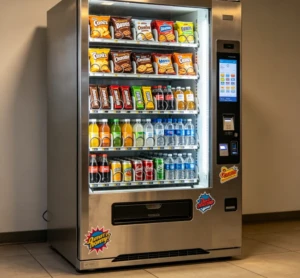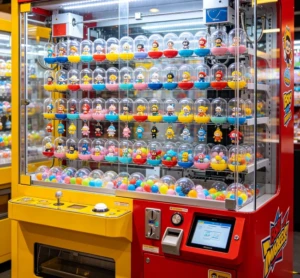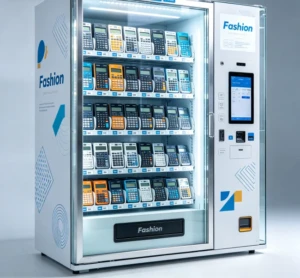
A custom vending machine can cost anywhere from $3,000 for a basic, small-capacity unit to over $15,000 for a fully-loaded, smart machine with advanced features. That’s the short answer, but the real story is in the details—because “custom” means something different to everyone. You might be looking at a simple snack machine with your logo, or a high-tech, IoT-connected specialty unit for electronics. The final price tag hinges on a dozen factors, and understanding them is the difference between getting a good deal and a nasty surprise.
Let’s break it down. Think of the cost like building a house. There’s the foundation (the base machine), the custom finishes (your branding and interface), the smart home tech (payment systems and software), and then all the delivery and setup costs. Most generic articles or B2B catalogs just throw a price range at you. They don’t connect the dots between the features you want and the actual sourcing channels that can deliver them. That’s what we’ll do here.
First, forget the idea of a single price. You’re paying for a collection of components and choices. Here’s what actually moves the needle.
The base machine chassis is your starting point. A refurbished or basic new snack machine might start around $2,500-$4,000. A new combo machine (snacks and drinks) jumps to $4,500-$7,000. Want a specialty machine for cupcakes, phone cases, or hot food? You’re now in the $8,000-$12,000 range just for the base hardware. The size, number of spirals or shelves, and build quality (commercial-grade steel vs. lighter materials) set the floor.
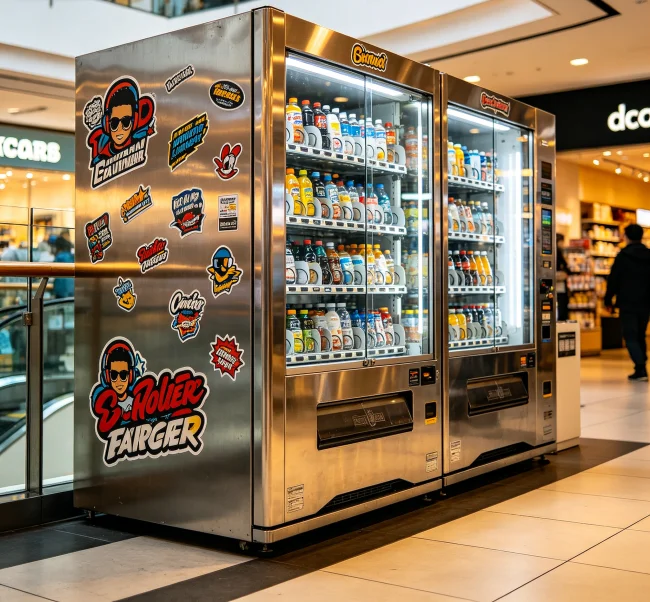
Then comes customization. A full-color exterior wrap with your branding? That’s $500-$1,500. A custom touchscreen user interface instead of basic buttons? Add another $1,000-$2,500. These aren’t just cosmetics—they’re your customer experience.
💡 Key Takeaway: Always separate hardware costs from customization costs when getting quotes. It’s the only way to compare suppliers fairly.
The technology package is where costs can skyrocket—or be kept sensible. A basic cash acceptor and coin mech might cost $300-$600. Upgrading to a cashless system with credit card readers and QR code payments can add $600-$1,200. Now, if you need IoT connectivity for real-time inventory tracking, remote pricing changes, and sales data dashboards, you’re looking at an additional $1,000-$3,000 for the hardware and often a monthly software fee.
Don’t forget software and licensing. Many modern machines run on proprietary software. A one-time license might be included, but sometimes it’s a recurring annual fee ($200-$500/year). This is a classic hidden cost in some quotes.
Navigating the Sourcing Maze: Alibaba vs. Specialists vs. Local
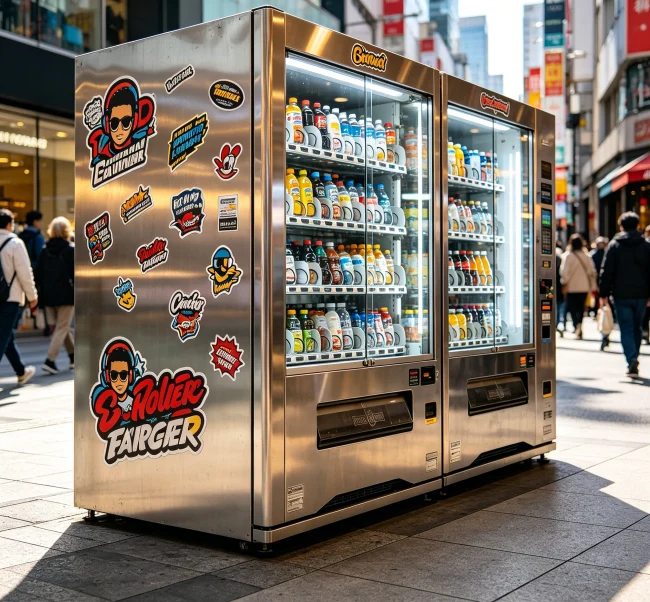
Here’s the part most guides gloss over. Where you buy dramatically impacts your cost, experience, and risk. Let’s compare the main paths.
B2B Marketplaces (Alibaba, Made-in-China)
You’ll see incredibly attractive prices here, often 30-50% lower than Western quotes. A machine listed at $2,500 might look perfect. But there are caveats. These prices are usually FOB (Free On Board), meaning the cost to your warehouse isn’t included. Shipping, import duties, and customs brokerage can easily add $1,000-$3,000. Communication can be challenging, and you’re often on your own for tech support and warranty claims. It’s a high-savings, higher-risk option best for those who understand international logistics.
Specialized Western Designers & Integrators
Companies that design and build custom machines domestically (or in the EU) offer a turnkey solution. You’ll get a complete price including delivery, setup, and local support. The trade-off? Price. You could pay $10,000-$20,000 for a machine that a Chinese factory lists at $6,000. You’re paying for peace of mind, easier communication, and local service. For a complex, highly branded machine where reliability is critical, this can be worth every penny.
💡 Critical Info: When comparing quotes, ensure they are for the same “INCOTERM” (like DDP vs. FOB). A DDP (Delivered Duty Paid) quote includes everything to your door and is the only way to compare apples to apples.
The Hybrid Approach: Sourcing Services
This is where a service like ours at VendingCore comes in. Our role is to bridge that gap. We connect buyers with a vetted network of global manufacturers. You get access to competitive factory-direct pricing, but with a professional team managing the inquiry, specification matching, and communication to ensure your requirements—from UKCA/CE certifications to specific payment systems—are clearly met. You’re not just browsing a catalog; you’re getting sourcing support to find the right partner for your budget and quality needs.
The Hidden Half: Shipping, Installation & Total Cost of Ownership
The machine’s price is just the first investment. Let’s talk about getting it to work.
Shipping & Logistics is a major variable. Sea freight from Asia to the US or Europe for a single machine can cost $800-$2,000, plus insurance and port fees. You’ll also need a freight forwarder. Air freight is faster but can triple that cost. Then there’s installation. Will it fit through the door? Does it need a dedicated electrical circuit or plumbing? Professional installation can run $300-$1,000.
This leads to the most important concept: Total Cost of Ownership (TCO). Your real business cost includes:
A well-placed machine with good foot traffic can often see an ROI within 3-6 months, but that depends entirely on your TCO and sales volume.
💡 Practical Advice: Before you buy, create a simple TCO spreadsheet. Include all the costs above against your projected weekly sales. It’s the best way to gauge true feasibility.
How to Get an Accurate Quote (Without the Runaround)
Ready to get real numbers? Don’t just email “how much for a vending machine?” You’ll get a useless range. Provide specifics. Here’s your checklist to send to suppliers:
The more detail you provide, the more accurate and comparable your quotes will be. This is precisely the process our team at VendingCore facilitates—helping you structure your inquiry to get clear, actionable quotes from manufacturers that can actually meet your specs.
💡 Final Step: Use your detailed quote requests to filter suppliers. The ones who ask thoughtful follow-up questions are usually more reliable than those who just send a PDF price list.
So, what’s the final answer? A reliable, custom vending machine for a serious business typically requires a total investment of $7,000 to $12,000 landed and ready to operate. That gets you a quality base, essential cashless payments, basic branding, and covers standard logistics. From there, the sky’s the limit based on your vision. The key is to move beyond sticker price and plan for the total project cost. Your machine isn’t an expense; it’s a revenue-generating asset. Buying it wisely is the first smart business decision it’ll help you make.