Home / Vending Machine Business / Vending Machines for Sale – 2026 Buyers Guide & Cost Breakdown

Vending Machines for Sale – 2026 Buyers Guide & Cost Breakdown

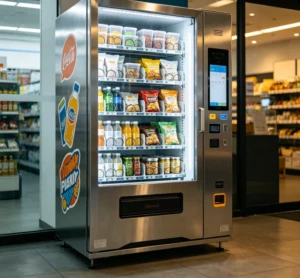
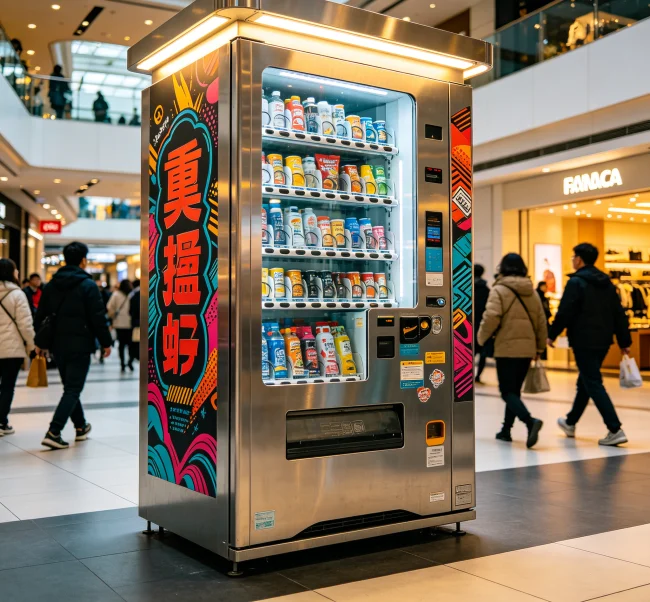
Vending machines for sale typically range from $3,000 for a basic snack unit to over $20,000 for a high-tech smart machine, with the global market projected to reach $146 billion by 2026. You can deploy them in offices, apartment lobbies, gyms, or factories to sell everything from chips and drinks to electronics and hot meals. They operate 24/7, accepting cash, cards, and mobile payments, making them a hands-off revenue stream for business owners and a vital amenity for property managers. Modern units come with remote inventory tracking, digital screens for ads, and even AI-powered product recommendations.
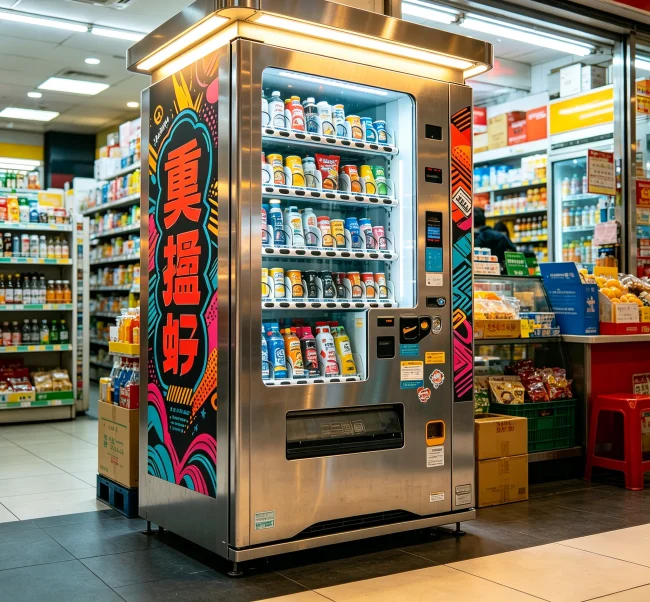
vending machines for sale

But here’s the thing—buying one isn’t like picking a product off a shelf. The price tag you see is just the start. You’re really investing in a business partner that sits in a hallway for the next 5-10 years. So you need to get this right.

💡 Key Takeaway: Don’t shop by price alone. The machine’s reliability and your supplier’s support will make or break your investment.

This is where most people get stuck. You see hundreds of models online and it’s overwhelming. Let’s break it down by what you plan to sell.

  • Snack & Beverage Combos: The classic workhorse. Perfect for break rooms, small offices, and waiting areas. They’re affordable and have broad appeal.
  • Specialty Machines: This is where it gets interesting. We’re talking about machines for phone cases, fresh fruit, hot pizza, or even over-the-counter pharmacy items. They cater to a specific need and can command higher profits.
  • Smart Vending Machines: These are the future. They have touchscreens, cashless payment systems, and connect to the cloud so you can see sales data and stock levels from your phone. Ideal for high-traffic, tech-savvy locations.
  • Refrigerated vs. Ambient: Selling cold drinks or fresh food? You need refrigeration. Just chips and candy? Ambient is fine and uses less power.
  • Think about your location first. A college dorm might kill it with a combo snack and coffee machine. A high-end gym? Maybe a refrigerated unit with protein shakes and health bars.

    The Real Cost Breakdown (It’s More Than the Sticker Price)
    The Real Cost Breakdown (It’s More Than the Sticker Price)

    Look, pricing can get complicated. But here’s what you actually need to budget for.

    Cost Component Typical Range What It Covers
    Machine Purchase $3,000 – $20,000+ The physical unit. Price varies wildly by type, size, and tech features.
    Shipping & Installation $500 – $2,500 Delivery to your site, uncrating, placement, and initial power setup.
    Initial Product Stock $300 – $1,500 Your first round of inventory to fill the machine.
    Ongoing Costs $50 – $200/month Electricity, wireless data plan (for smart machines), and routine maintenance.

    You might be thinking the shipping and install fees sound high. It’s not just delivery—it’s making sure a 500-pound machine gets through a doorway, onto its spot, and plugged in safely. Skipping professional install can lead to costly damage.

    💡 Practical Advice: Always get a final, all-in quote that includes delivery, installation, and warranty before you buy. No surprises.

    Where to Buy: Navigating Your Options
    Where to Buy: Navigating Your Options

    You’ve got a few paths, each with pros and cons.

    Direct from a Manufacturer: This is often the best way to get a competitive price and customize features. The challenge? Finding a reputable one, especially if you’re looking internationally. You need to verify their certifications and ability to support you long-term. This is where a platform like VendingCore adds tremendous value—it connects you directly to over 500 verified manufacturers worldwide, so you can compare options without intermediaries.

    Through a Distributor or Local Dealer: They handle the import, logistics, and sometimes local service. You’ll pay a markup for that convenience, but you gain a local point of contact.

    Used or Refurbished Markets: Sites like eBay or Craigslist can have deals. And it can be a great way to start. But it’s risky. You’re buying a machine with an unknown history and likely zero warranty. Factor in potential repair costs immediately.

    💡 Critical Info: Whether new or used, always ask for the machine’s certification (like CE or UL) and a clear warranty document. If a seller hesitates, walk away.

    5 Questions to Ask Any Supplier Before You Pay
    5 Questions to Ask Any Supplier Before You Pay

    Real talk: most suppliers won’t tell you this upfront. You have to ask.

  • What’s included in the warranty? (Duration? Parts and labor? On-site service or do you ship the machine back?)
  • Can you provide references from buyers in my country? (This proves they have experience with your market’s logistics and voltage requirements.)
  • What’s the lead time from order to delivery? (If they say “soon,” get a written date. Supply chains can delay things by months.)
  • Do you offer payment terms? (Some manufacturers require 100% upfront, others 50/50. This affects your cash flow.)
  • How do I get technical support? (Is it a 24/7 hotline, an email ticket system, or just a PDF manual?)
  • The quality of their answers tells you everything. A good supplier is patient, detailed, and transparent. On our platform, we see this daily—the manufacturers with the highest satisfaction ratings are the ones who provide clear, thorough answers to these exact questions.

    Your Next Steps

    So you’re ready to move forward? Don’t just buy the first shiny machine you see.

    Start by nailing down your location, target customer, and budget. Then, look at multiple suppliers. Compare not just the machine specs, but their company’s reputation and support structure. A platform with a network across 50+ countries, like VendingCore, can give you that global perspective quickly, showing you options you might not find locally.

    Finally, think long-term. That machine will be out there earning for you. Choose a partner, not just a product.

    💡 Final Move: Shortlist 3-5 potential suppliers. Contact them all with your specific location and product plan. Their responsiveness will reveal who you want to work with.

    If you’re evaluating options, consider browsing verified manufacturers on VendingCore. You can compare specs, read about company histories, and submit inquiries directly to suppliers—it’s designed to make finding the right partner clearer and more efficient.
    Frequently Asked Questions (FAQ)

    A

    It depends entirely on location. In offices, snack/drink combos are steady earners. In specialized spots like salons or electronics stores, unique machines (for beauty products or phone accessories) can have higher profit margins. Smart machines with data analytics help you optimize product selection, which boosts profitability over time.

    A

    Yes, many manufacturers and third-party lenders offer financing plans. You might pay a deposit (like 30%) and finance the rest. This preserves your capital for inventory and other startup costs. Always compare interest rates and terms.

    A

    A standard snack machine needs about 6-8 square feet of floor space. You also need clearance for the door to swing open fully (usually 3-4 feet in front) and access to a standard electrical outlet. Always measure your intended spot carefully.

    A

    People often forget about local permits or business licenses, which can cost $100-$500 annually. Electricity for refrigerated units can add $30-$80 to your monthly bill. And if a part breaks out of warranty, a service call can easily cost $200+.

    A

    New machines come with full warranties and modern features (like cashless pay), giving you peace of mind. Used machines are cheaper upfront but are a gamble—set aside 20% of the purchase price for potential immediate repairs. For your first machine, new is usually safer.

    A

    Use a B2B platform that verifies its manufacturers. Look for platforms that list certifications (CE, RoHS), provide company profiles, and facilitate direct communication. For example, VendingCore verifies its 500+ manufacturers, which helps mitigate the risk of international sourcing.

    The biggest mistake I see new operators make is prioritizing the lowest purchase price above all else. In this industry, your supplier relationship is your lifeline. A machine will eventually have an issue—a jammed coil, a payment system glitch. When that happens at 9 PM on a Saturday, you need a supplier who provides accessible technical support and can ship a replacement part quickly. That reliability, often found with established manufacturers on professional platforms, is what protects your revenue stream and sanity in the long run. The true cost of a machine includes decades of operational support.

    Marcus Chen
    Operations Director, Global Vending Solutions Group

    Ready to Start Your Project?

    Contact us for professional advice and customized solutions

    Contact Now

    Asher

    Technical expert in smart vending solutions and IoT-enabled retail automation. Providing in-depth reviews and comparisons to guide businesses toward the best technology choices.

    Leave a Comment

    Your email address will not be published. Required fields are marked *

    Table of Contents
    0%
    VendingCore
    Privacy Overview

    This website uses cookies so that we can provide you with the best user experience possible. Cookie information is stored in your browser and performs functions such as recognising you when you return to our website and helping our team to understand which sections of the website you find most interesting and useful.