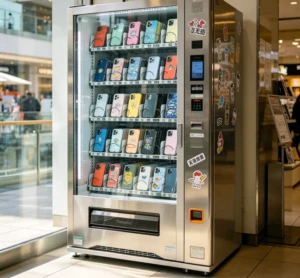
Home / Phone Case Vending Machine / DIY Phone Case Vending Machine for Sale: 2026 Buyers Guide & Costs

DIY Phone Case Vending Machine for Sale: 2026 Buyers Guide & Costs

The DIY phone case vending machine market is projected to hit $1.2 billion by 2030, and for sale units now start at around $8,000 for a basic model. These machines let customers design and print custom phone cases on the spot, turning a simple transaction into an experience. You slap the machine in a mall, a movie theater lobby, or a college campus, and suddenly you’ve got a passive income stream that practically runs itself. The tech has gotten cheaper and more reliable, so it’s not just for big corporations anymore — small business owners and side hustlers are jumping in.
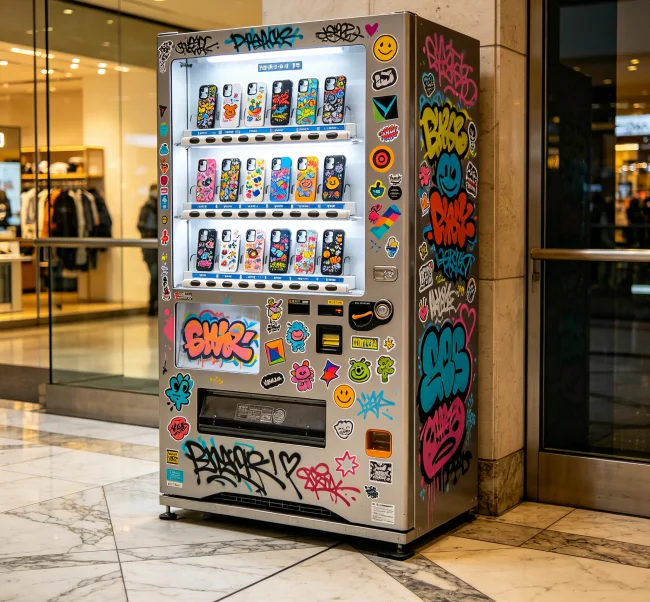
diy phone case vending machine for sale

But here’s the thing: buying one isn’t like picking up a soda machine. You need to think about print quality, ink costs, case inventory, software updates, and where the heck you’re gonna put it. The good news? More manufacturers are offering all-in-one packages with training and support. The bad news? Some of those “deals” hide extra fees or use cheap components that break in six months.

So how do you sort through the noise? Let’s break it down.

Not all machines are created equal. You’ll find everything from stripped-down Chinese imports to fancy German-engineered units. The sweet spot for most buyers is somewhere in the middle — decent print quality, reliable hardware, and responsive customer support.

Key specs to check:

  • Print resolution: 1200 DPI or higher for sharp images. Anything less and customers will complain about blurry logos.
  • Print speed: Under 3 minutes per case is ideal. People get impatient.
  • Case capacity: At least 50-100 cases. You don’t want to restock daily.
  • Ink system: UV-curable ink is standard. Ask about cost per print — some machines eat ink like crazy.
  • Touchscreen size: 15 inches or bigger makes the design process less frustrating.
  • Warranty: 1 year minimum. 2 years is better.
  • One thing most sellers don’t mention: the software. Make sure the design interface is intuitive. If customers can’t figure it out in 30 seconds, they’ll walk away. Some machines let you upload designs from a phone, which is a game-changer.

    The Real Cost Breakdown
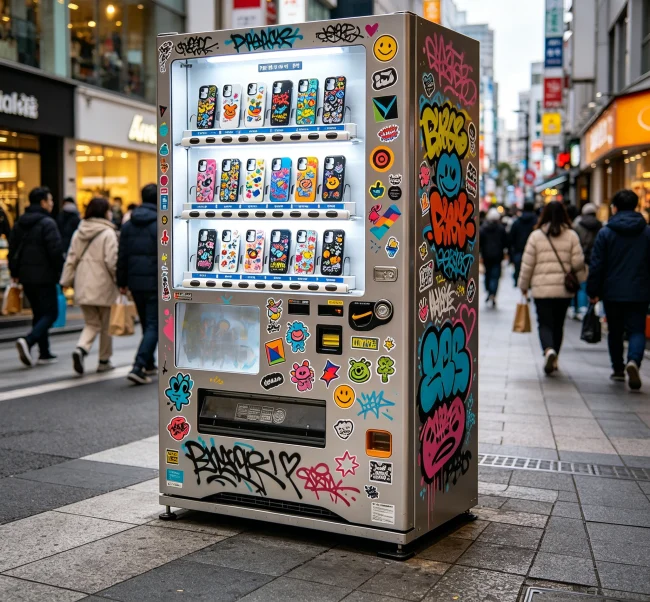
    The Real Cost Breakdown

    Let’s talk money. The machine itself is just the beginning.

    Initial investment:

  • Entry-level machine: $8,000 – $15,000
  • Mid-range: $15,000 – $25,000
  • High-end with extra features: $25,000 – $40,000
  • Ongoing costs:

  • Blank phone cases: $1 – $3 each (buy in bulk to save)
  • UV ink: $50 – $100 per liter (lasts roughly 200-300 prints)
  • Maintenance and repairs: Budget $500 – $1,500 per year
  • Location rent: 10-20% of revenue or a flat monthly fee
  • Electricity and internet: Minimal
  • Revenue potential:

    Most operators charge $15 – $25 per case. If you sell 10 cases a day at $20 each, that’s $200 daily. Subtract costs, and you’re looking at $100 – $150 profit per day. In a busy location, you could hit 30-40 sales on weekends.

    The ROI timeframe? Under good conditions, many operators break even in 3-6 months. Not bad for a side business.

    💰 Money Tip: Don’t blow your whole budget on the machine. Keep at least $3,000 aside for location deposits, marketing, and the first batch of cases and ink.

    Where to Buy a DIY Phone Case Vending Machine
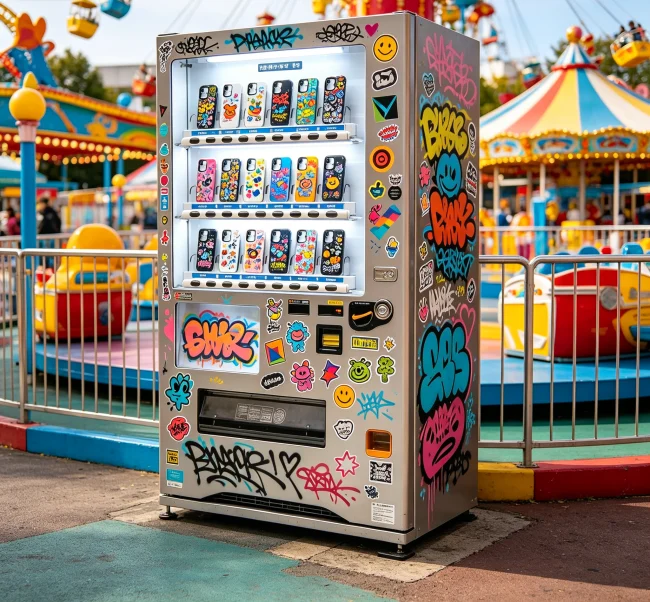
    Where to Buy a DIY Phone Case Vending Machine

    You’ve got options, but some are way better than others.

    Direct from manufacturers (best for bulk orders): Companies like GOBEAR and LKS sell direct. You’ll get better pricing if you buy 5+ units, but they often have minimum order quantities.

    B2B platforms (good for comparing): Alibaba and Made-in-China have hundreds of listings. Problem is, quality varies wildly. Some sellers are legit factories; others are middlemen marking up 200%.

    Used or refurbished: Check eBay or local liquidation sales. You can snag a machine for $3,000 – $6,000, but expect it to need work. Only go this route if you’re handy with electronics.

    Sourcing services (smart for first-timers): This is where a service like VendingCore comes in. Instead of gambling on random Alibaba sellers, you submit your requirements, and our team connects you with vetted manufacturers that meet international standards (CE, UKCA, RoHS). We’ve been doing this for over 10 years, so we know which factories deliver and which ones ghost you after payment.

    Location: The Make-or-Break Factor
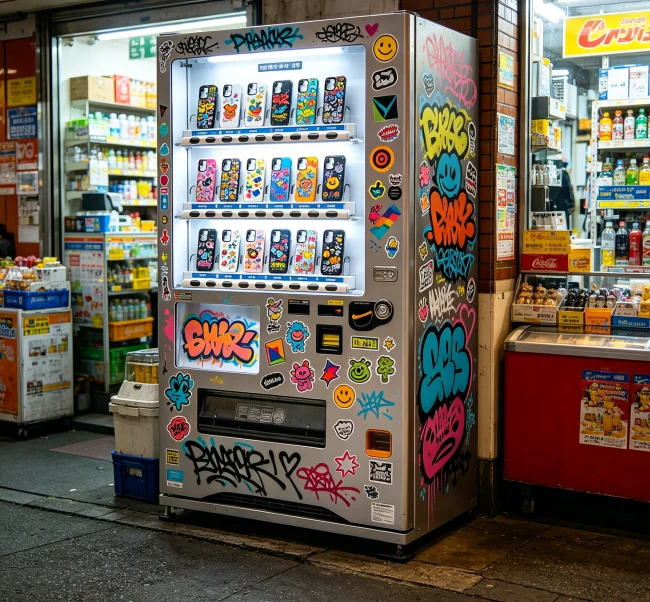
    Location: The Make-or-Break Factor

    You can have the best machine in the world, but if it’s sitting in a dead zone, you’re toast.

    Top locations:

  • Shopping malls (near food courts or entrances)
  • Movie theaters
  • College campuses and libraries
  • Tourist attractions
  • Convention centers
  • Arcades and entertainment venues
  • What to look for:

  • High foot traffic (at least 1,000 people passing daily)
  • Dwell time (people waiting = potential customers)
  • Demographics (teenagers and young adults love custom cases)
  • Visibility (don’t hide it in a corner)
  • Negotiation tips:

  • Offer the location a 10-15% commission on sales
  • Propose a 3-month trial period
  • Mention the machine brings novelty value — it’s an attraction, not just a vending machine
  • 📍 Location Hack: Approach smaller businesses like barbershops, nail salons, or gaming cafes first. They’re easier to negotiate with than mall management, and their customers already have downtime.

    Common Mistakes New Buyers Make

    I’ve seen people blow $20,000 on a machine and then realize they can’t find a spot to put it. Don’t be that person.

    Mistake #1: Buying before securing a location.

    Get a commitment (even a verbal one) before you spend money. Otherwise, you’re stuck with an expensive paperweight.

    Mistake #2: Ignoring the learning curve.

    These machines aren’t plug-and-play. You’ll need to calibrate the printer, update software, and troubleshoot jams. Budget at least a week to learn the system before going live.

    Mistake #3: Skimping on cases.

    Cheap blank cases crack or discolor. Customers will leave bad reviews. Spend an extra $0.50 per case for quality blanks.

    Mistake #4: Forgetting about marketing.

    Nobody knows your machine exists unless you tell them. Put up signs, run a social media campaign, or offer a “first case free” promo.

    Mistake #5: Not having a backup plan.

    What happens when the printer head clogs on a Saturday? Have a backup machine or a service contract. Downtime kills revenue.

    ⚠️ Warning: Some manufacturers offer “free installation” but charge $200/hour for travel time. Get everything in writing before you sign.

    How VendingCore Makes Sourcing Easier

    Here’s the honest truth: finding a reliable supplier for a DIY phone case vending machine is a pain. You’ll message 20 sellers on Alibaba, get 15 replies, 10 quotes, and maybe 3 that seem legit. Then you have to verify their certifications, check reviews (which might be fake), and negotiate shipping costs.

    That’s exactly why VendingCore exists. We’ve spent a decade building relationships with vending machine manufacturers across the globe. When you submit an inquiry to us, we don’t just throw a list of names at you. Our team analyzes your specific needs — budget, location, volume, technical requirements — and matches you with manufacturers that actually fit.

    What you get:

  • Direct connections to verified manufacturers (no middlemen)
  • Assistance with international certifications (CE, UKCA, RoHS)
  • Fast response times (usually within 24 hours)
  • Sourcing consultation based on 10+ years of industry experience
  • Whether you need one machine or a hundred, we help you find the right supplier without the headaches. Tell us what you’re looking for, and we’ll connect you with manufacturers that meet your criteria. It’s that straightforward.
    FAQ

    Frequently Asked Questions (FAQ)

    A

    Prices range from $8,000 for basic models to $40,000 for high-end units with advanced features. Mid-range machines with good print quality and reliability typically fall between $15,000 and $25,000. Don’t forget to budget for cases, ink, shipping, and installation.

    A

    Absolutely, but it depends on location. Operators in busy malls or tourist spots report $100-$200 daily profit after costs. At $20 per case and 10-15 sales per day, you’re looking at $3,000-$6,000 monthly revenue. Many owners recoup their investment within 3-6 months.

    A

    Regular cleaning of the print head, refilling ink, restocking cases, and software updates. Most machines need a quick check every 2-3 days. Major issues like print head replacement happen every 6-12 months. Budget $500-$1,500 annually for maintenance.

    A

    Most modern machines print a full-color case in 2-3 minutes. Some high-speed models do it in under 90 seconds. The design process on the touchscreen takes another 1-2 minutes, so total customer time is around 3-5 minutes.

    A

    Basic computer literacy helps, but most machines have user-friendly interfaces. You’ll need to learn calibration, ink refilling, and troubleshooting common errors. Manufacturers typically provide training videos or manuals. Plan a week to get comfortable.

    A

    Most machines handle cases for iPhone and Samsung Galaxy models — typically the top 10-20 most popular phones. Some newer machines support Google Pixel, OnePlus, and other Android brands. Check with the manufacturer for compatibility.

    A

    UV-curable ink is non-toxic once cured. It’s scratch-resistant and won’t fade easily, but it’s not indestructible. Customers should avoid scraping the case against sharp objects. Quality ink lasts 2-3 years with normal use.

    A

    Yes, many manufacturers offer custom wrapping or painting for an extra fee. You can also add your logo to the touchscreen interface. This is great for building brand recognition. Expect to pay $500-$2,000 for full customization.

    A

    Look for high-traffic areas with a younger demographic — malls, movie theaters, colleges, and tourist spots. Approach location managers with a revenue-sharing proposal (10-15% commission). Having a machine ready to demo helps seal the deal.

    A

    Most reputable manufacturers offer 1-2 year warranties covering parts and labor. Some have remote diagnostics to fix software issues. For hardware problems, you may need a local technician. Keep a spare print head and basic tools on hand.

    A

    Submit an inquiry through our website with your requirements — budget, quantity, location, and any specific features you need. Our team will respond within 24 hours with manufacturer recommendations tailored to you. We handle the vetting so you don’t have to.

    The DIY phone case vending machine market is still in its growth phase, which means early adopters have a real advantage. But I’ve seen too many entrepreneurs jump in without understanding the operational side — they buy a machine, stick it somewhere random, and wonder why it’s not making money. The ones who succeed treat it like a real business: they research locations, track their metrics, and build relationships with their suppliers. A good manufacturer isn’t just someone who sells you a machine; they’re a partner who helps you troubleshoot when things go wrong. Don’t underestimate the value of after-sales support. It can make or break your first year.

    Michael Torres
    Vending Industry Consultant with 15 Years Experience

    Ready to Start Your Project?

    Contact us for professional advice and customized solutions

    Contact Now

    Asher

    Technical expert in smart vending solutions and IoT-enabled retail automation. Providing in-depth reviews and comparisons to guide businesses toward the best technology choices.

    Leave a Comment

    Your email address will not be published. Required fields are marked *

    Table of Contents
    0%
    VendingCore
    Privacy Overview

    This website uses cookies so that we can provide you with the best user experience possible. Cookie information is stored in your browser and performs functions such as recognising you when you return to our website and helping our team to understand which sections of the website you find most interesting and useful.