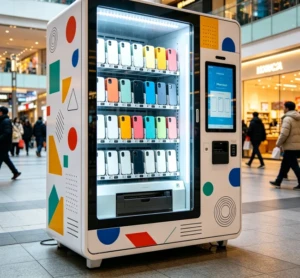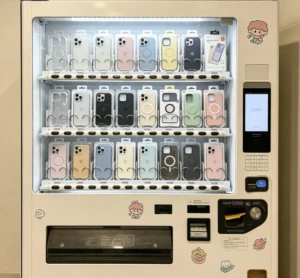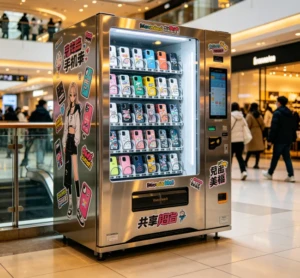
Yes, phone case vending machines are active in the Philippines, primarily in major malls like SM Aura Premier, operated by brands such as Casy and Caspace, offering custom cases for ₱300-₱600.
Tired of the same old phone cases? You're not alone. This guide cuts through the hype to show you exactly where to find these cool DIY kiosks and how they really work. We'll also give aspiring entrepreneurs the unvarnished truth on costs and profits, because starting this business involves more than just buying a machine. Get ready to discover if this trend is a fun shopping stop or your next business venture.
Imagine walking through a bustling Manila mall and seeing a sleek kiosk where you can design and print a unique phone case in minutes. This blend of instant retail gratification and entrepreneurial opportunity is reshaping accessory markets globally, and it’s now taking root in the Philippines.
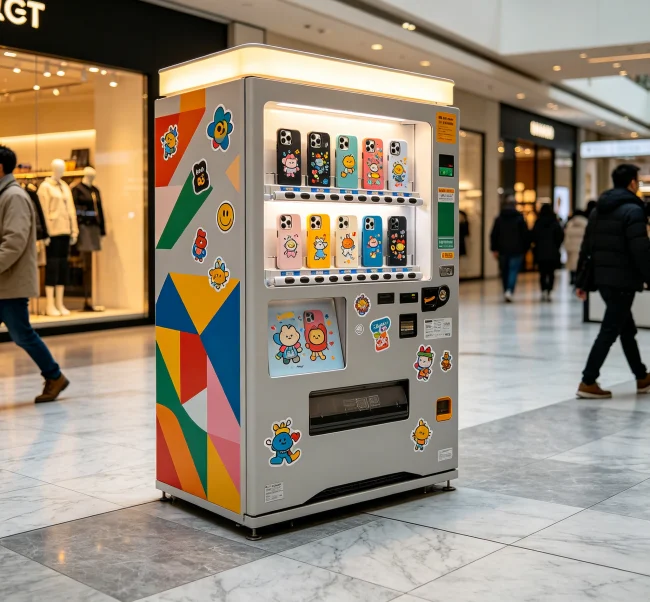
💡 Your First Step: Before diving into costs, visit a mall with a machine (like SM Aura Premier) to test the user experience firsthand. The quality and speed will tell you more than any brochure.
The appeal is clear for consumers: a fun, DIY experience with immediate results. For entrepreneurs, it represents a relatively low-touch retail model with high perceived value. The technology, often involving UV printing or sublimation on blank cases, has matured to offer decent quality and durability, making it a viable alternative to mass-produced cases. Brands like Casy and Caspace have been pioneers, introducing the concept in high-foot-traffic locations, proving there’s a market willing to pay a premium for customization and convenience.
How Does a Phone Case Vending Machine Work?
The process is designed for simplicity. Typically, you approach a touchscreen kiosk, browse or upload your design (from a pre-loaded library, your social media, or a USB drive), customize it with text or filters, select your phone model from a comprehensive list, and make a payment via cash, card, or digital wallets like GCash. The machine then prints and dispenses your case, often within 3-5 minutes. The core technology is a specialized flatbed or rotary UV printer that cures ink instantly, creating a scratch-resistant finish.
Brands in the Philippines: Casy vs. Caspace & Others
While several players are entering the space, two brands have established the strongest presence.
| Brand | Key Features | Typical Price Range (PHP) | Known Locations |
|---|---|---|---|
| Casy | Extensive design library, social media upload, often features licensed character options. | ₱350 – ₱600 | SM Malls (Aura Premier, Dasmariñas), Ayala Malls, selected universities. |
| Caspace | Focus on sleek, minimalist designs and matte finishes; strong online presence. | ₱300 – ₱550 | Pop-up locations in Metro Manila malls, event-based deployments. |
| Other/Local Operators | May offer lower prices or niche designs; machine quality can vary. | ₱250 – ₱450 | Regional malls, transportation hubs. |
💡 Pro-Tip for Buyers: Always check the phone model list on the screen before paying. Compatibility is the most common issue, and not all machines support the latest models immediately.
Complete Location Finder
This is a living guide to known kiosks. Status is subject to change; always check the brand’s social media for the latest updates.
| City/Area | Mall/Venue | Brand | Last Verified Status (2024) |
|---|---|---|---|
| Taguig, Metro Manila | SM Aura Premier | Casy | Active (Ground Floor, near department store) |
| Dasmarinas, Cavite | SM City Dasmariñas | Casy | Active |
| Quezon City | Trinoma | Caspace | Pop-up (Seasonal) |
| Mandaluyong | SM Megamall | Casy | Reported, verify via @casyph on Instagram |
| Cebu City | Ayala Center Cebu | Local Operator | Active |
Tips for the Best Custom Case
To ensure satisfaction, upload high-resolution images (at least 1500×1500 pixels). Avoid designs with critical details near the edges, as the printing area may be slightly inset. For durability, opt for a hard plastic (polycarbonate) base over silicone if available. After printing, let the case sit for a few minutes to allow the ink to fully cure before installing it on your phone.
For Entrepreneurs: A Realistic Business Blueprint
Is a Phone Case Vending Machine Business Profitable in the PH?
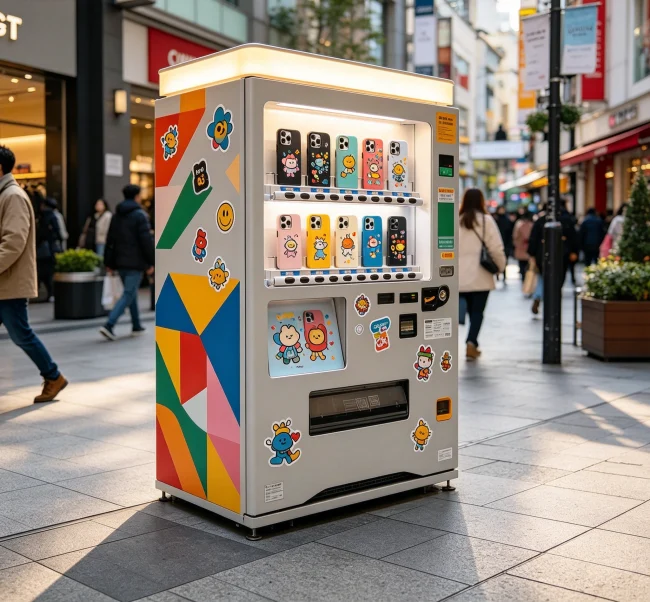
Profitability hinges on location, foot traffic, and operational efficiency. A basic ROI simulation reveals the key figures. The largest cost is the machine itself, ranging from ₱300,000 to over ₱1,000,000 for advanced models, imported mainly from China or Korea. Add shipping, customs duties (3-7%), and VAT (12%). Monthly costs include mall kiosk rental (₱15,000-₱50,000+), consumables (blank cases, ink, laminate), and potential maintenance contracts.
💡 Avoid This Cost Mistake: Never base your business plan on the machine’s “sticker price” alone. Budget an additional 30-40% for shipping, import taxes, and initial mall fit-out costs.
Assuming an average selling price of ₱450 and a cost-of-goods-sold (blank case, ink, laminate) of ₱120, the gross margin is healthy. To break even on a ₱500,000 machine investment within 12-18 months, you’d need to sell 20-30 cases per day in a good location. High-traffic malls in Metro Manila can support this, but secondary locations carry significant risk.
Step-by-Step Setup Guide: Sourcing to Operations
Operational Challenges and Solutions
What Are the Most Popular Phone Models to Stock?
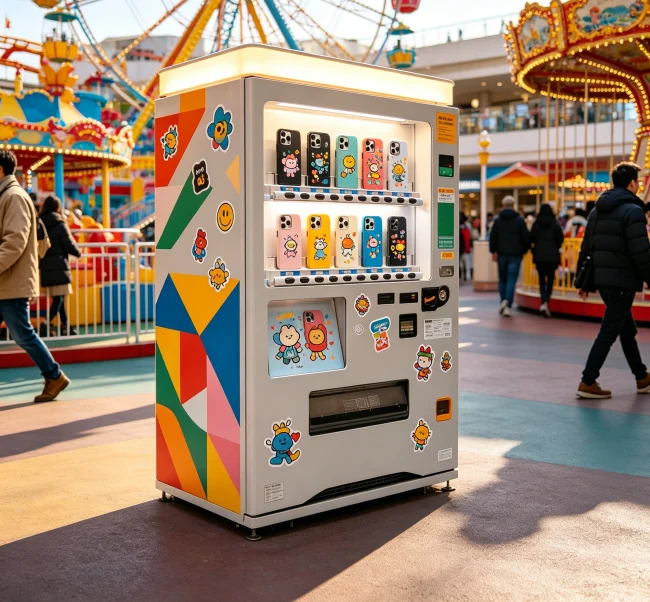
For entrepreneurs, inventory planning is crucial. In the Philippine market, demand heavily skews towards Apple iPhones (particularly the latest 2-3 generations, like iPhone 15, 14, 13) and mid-to-high-range Samsung Galaxy models (S and A series). Xiaomi, Realme, and OPPO models are also essential, especially their best-selling mid-range devices. A good rule is to allocate 40% of your blank case inventory to recent iPhones, 30% to Samsung, and 30% to other popular Android brands. Always check local telco and retailer sales data for the most current trends.
How Durable Are These Custom-Printed Cases?
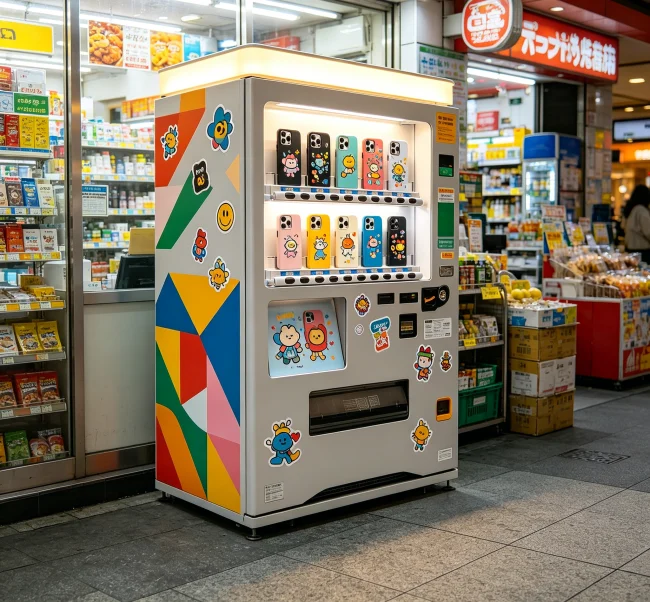
The durability is surprisingly good for everyday use. Most machines use UV-cured ink, which is resistant to scratches and fading. The final print is usually laminated with a clear protective layer. They won’t match the drop protection of a heavy-duty, brand-name case, but they adequately protect against scratches and minor bumps. The weak point can sometimes be the edges of the print if the lamination doesn’t fully cover it. Consumer reviews generally praise the visual quality but advise treating them as fashion cases rather than rugged armor.
💡 Supplier Selection Secret: When sourcing a machine, prioritize suppliers who provide the printing software and design management platform. Being locked into a proprietary, poorly designed system is a major operational headache.
Can I Print My Own Photos or Artwork?
Absolutely. This is the main selling point. All modern machines allow you to upload images directly from your smartphone via QR code, Bluetooth, or USB. The best practice is to use high-contrast, high-resolution photos. Avoid images with fine text or intricate details at small sizes, as they may not print clearly. The software typically includes basic editing tools for cropping, adding filters, and inserting text, so you can perfect your design on the spot.
What’s the Typical Maintenance Cost and Downtime?
For a single kiosk, annual maintenance costs can range from ₱20,000 to ₱50,000, depending on usage and service contract terms. Common issues include print head cleaning, ink system replenishment, and touchscreen calibration. Downtime is the real profit-killer. A minor issue might take a day to fix if you have a local technician; a major part failure requiring import could idle your machine for weeks. This is why the supplier’s after-sales support, a key factor in our vetting at vendingcore.com, is as important as the machine price. Choosing a partner with a proven track record in the region can save thousands in lost revenue.
How Does This Compare to a Traditional Phone Case Business?
The vending model offers distinct advantages: lower staffing costs (unattended retail), smaller footprint (a kiosk vs. a shop), and the unique appeal of instant customization. However, a traditional store or kiosk with staff can offer a wider physical inventory, provide personalized design help, and handle exchanges more easily. The vending model is a high-margin, lower-volume play focused on impulse buys and experience. The traditional model can achieve higher volume but with greater operational complexity and cost. For a first-time entrepreneur, the vending machine offers a more automated entry point.
💡 Final Reality Check: This is a retail business, not a passive investment. Success requires active location management, marketing to drive traffic to your kiosk, and diligent machine upkeep. Treat it as such from day one.
The phone case vending machine trend in the Philippines is more than a novelty; it’s a test case for automated, experiential retail. For consumers, it delivers unique personalization. For savvy entrepreneurs, it presents a scalable business model with clear metrics. Success depends on meticulous planning—from choosing the right machine and supplier to securing a prime location. By focusing on quality, user experience, and operational resilience, this high-tech kiosk can become a profitable and enduring fixture in the Philippine retail landscape.