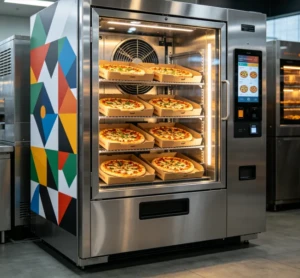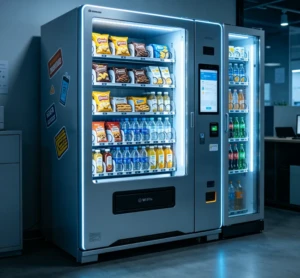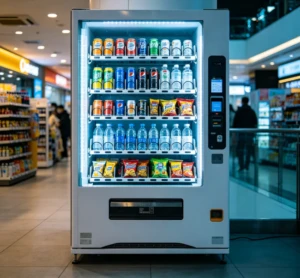
Vending is a strong 2026 business due to smart technology, cashless trends, and high-profit margins with low overhead, offering scalable, semi-passive income.
You're probably tired of side hustles that trade all your time for money and are looking for a real asset-based business. This guide cuts through the hype to show you exactly why vending's timing is perfect, how much you can really make, and the smart steps to start without getting burned. Let's build a business that works for you 24/7.
The business landscape is constantly evolving, but some models are uniquely positioned to thrive. For entrepreneurs looking toward 2026, the vending machine industry presents a compelling convergence of technological advancement, shifting consumer habits, and resilient economic fundamentals, making it far more than a simple cash-in-a-box operation.
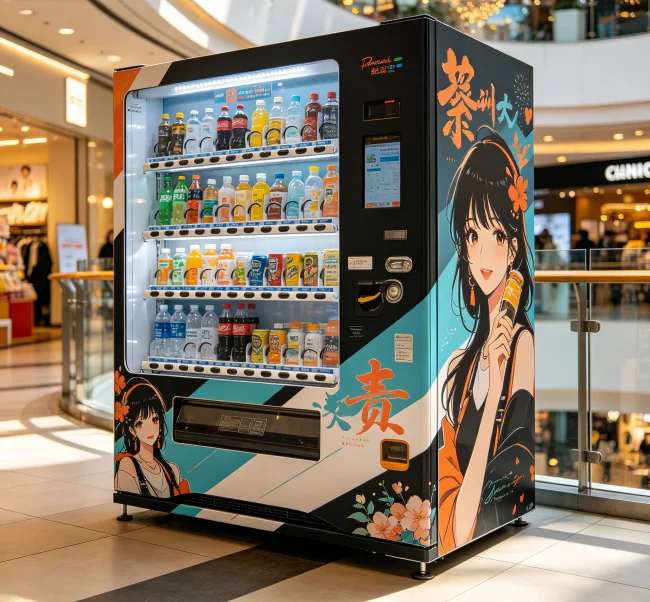
The decision to enter any business should be forward-looking. For vending, several interconnected trends solidify its viability for 2026 and beyond. First is the unstoppable shift toward cashless and contactless transactions. Machines equipped with QR code scanners, NFC tap-to-pay, and mobile wallet integration are becoming the standard, reducing security risks and catering to a generation that rarely carries cash. This technology also enables dynamic pricing and flash sales.
Second is the rise of smart inventory and IoT connectivity. Modern machines can transmit real-time sales data, inventory levels, and maintenance alerts directly to an operator’s smartphone. This predictive capability means you can restock proactively, minimize out-of-stock scenarios, and dispatch a technician before a machine breaks down, maximizing uptime and revenue.
Finally, product diversification and healthy vending are expanding market reach. Beyond snacks and soda, successful operators are placing machines offering fresh salads, gourmet coffee, phone chargers, electronics, and even over-the-counter pharmacy items. This allows you to target high-traffic locations like offices, gyms, hospitals, and universities with tailored product mixes that meet specific consumer demands for convenience and wellness.
💡 Future-Proof Your Tech Stack: When sourcing machines for 2026, prioritize models with IoT capabilities and cashless systems. This upfront investment is non-negotiable for operational efficiency and customer appeal.
A Deep Dive into Profitability and Startup Costs
Let’s move from trends to tangible numbers. A major advantage is the relatively low barrier to entry compared to other retail businesses. Startup costs are variable and can be strategically managed.
A critical first decision is choosing between new and refurbished equipment. A new, feature-rich smart vending machine might cost between $3,000 and $10,000. A quality refurbished unit can be acquired for $1,500 to $4,000, offering a significant reduction in initial capital outlay. This is where a platform like vendingcore.com provides immense value, connecting you with a network of over 500 pre-vetted manufacturers and suppliers, allowing you to compare specifications and prices for both new and refurbished models that meet international standards like CE and RoHS, ensuring you get reliable equipment without overpaying.
Beyond the machine, budget for initial inventory ($200-$500), a business license, insurance, and potentially a location fee or commission agreement with the site owner. Monthly ongoing costs are typically low, often limited to restocking, minor maintenance, and payment processing fees.
Profit margins are where the model shines. While they vary by product, gross margins often range from 40% to 70%. For example, a bag of chips purchased for $0.40 might sell for $1.50. The key to strong net profit is location efficiency. A single well-placed machine can generate $200-$500+ in monthly net profit. Scaling to 5 or 10 machines transforms this into a substantial passive income stream.
💡 Calculate Your Break-Even: Before buying, run this simple formula: (Total Machine Cost + 3 Months Inventory) / Estimated Monthly Net Profit. If a $4,000 machine nets $400/month, you’ll recoup your investment in about 10 months.
Why Vending Beats Other Side Hustles
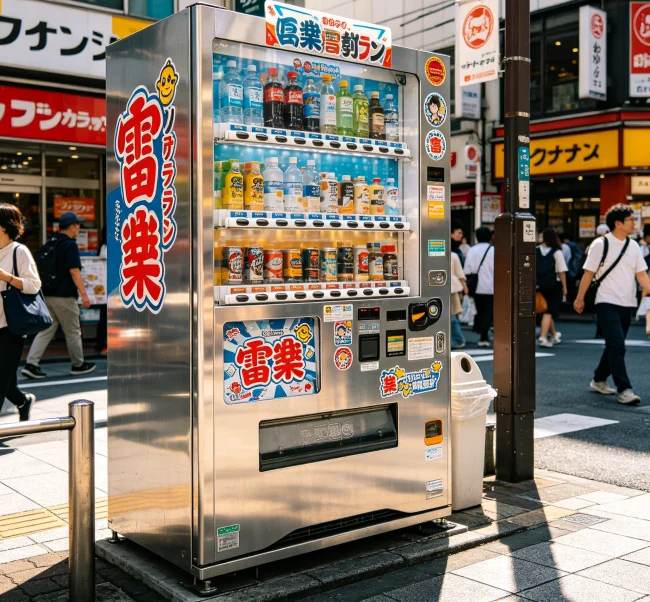
When evaluating business opportunities, comparison is key. Unlike ride-sharing or food delivery, vending is truly asset-based and scalable. You own the machines; your time is not directly exchanged for money. Once placed and optimized, they generate revenue 24/7. Compared to e-commerce, it avoids the complexities of shipping, high digital ad costs, and intense online competition. Versus a franchise, it requires a fraction of the investment and offers complete operational flexibility. The model provides a unique blend of physical presence with digital management, offering more control and scalability than most side hustles.
The Reality Check: Addressing Common Challenges
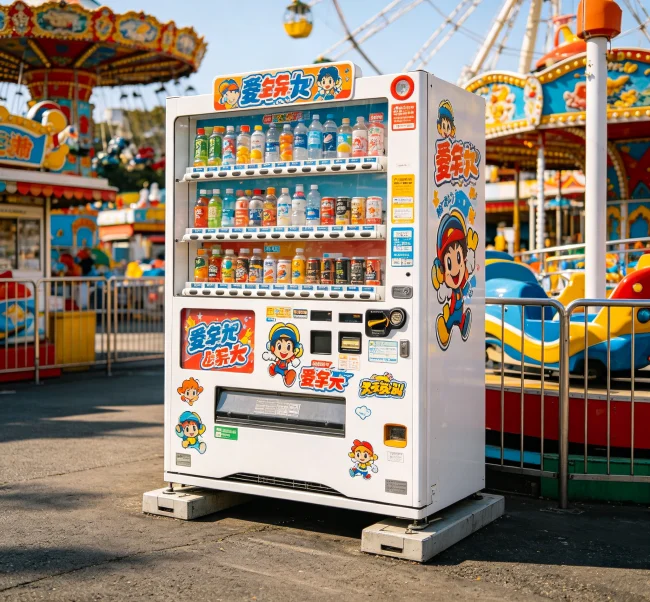
A trustworthy analysis must address hurdles. Location acquisition is the most critical challenge. Securing a prime spot requires a professional proposal highlighting mutual benefit to the site owner. Machine maintenance is inevitable; building a relationship with a local technician or learning basic repairs is essential. Competition exists, but it can be mitigated by offering superior technology, a better product mix, or targeting underserved locations. The key is to view these not as deal-breakers but as operational factors to be managed.
💡 Master the Location Pitch: Don’t just ask for space. Present a proposal showing how your machine increases foot traffic, provides employee convenience, and offers the site owner a share of revenue or a fixed fee.
How to Future-Proof Your Vending Business
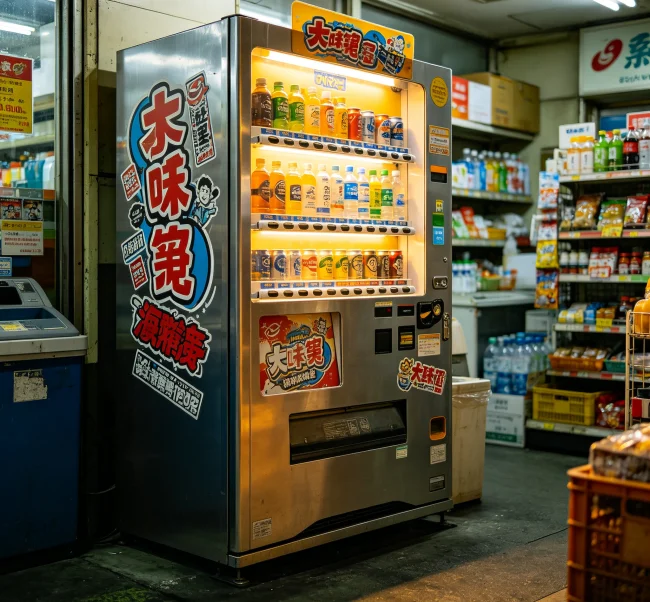
To ensure longevity to 2026 and past it, strategic choices matter. Choose scalable technology. Opt for machines with software that can be updated and hardware that can adapt to new payment methods. Diversify your product portfolio early. Don’t rely on one category; test healthy options, local products, or non-food items to see what resonates. Build data-driven routes. Use your machine’s sales reports to optimize your restocking schedule, maximizing your time and fuel efficiency. Platforms that facilitate direct manufacturer connections, like ours, are crucial here, as they provide access to the latest machine models designed for adaptability, helping you stay ahead of the curve.
Your Actionable First Steps to Launch
Feeling convinced? Here’s a concise checklist to move from research to revenue:
💡 Start Small, Think Big: Your goal with the first machine isn’t to get rich. It’s to learn the operational cycle, prove your location choice, and build a template you can replicate for rapid, low-risk scaling.
Navigating Local Regulations and Licensing
A gap in many guides is the practical roadmap for legal compliance. Requirements vary by city, county, and state, but generally involve a general business license, a sales tax permit, and potentially a specific vending operator license. If you’re selling food items, health department regulations regarding machine cleanliness and food safety may apply. The best approach is to contact your city’s business licensing department and your state’s department of revenue directly. Factor the cost and processing time for these permits into your 90-day launch plan.
The Importance of a Flexible Product Strategy
Your initial product mix shouldn’t be set in stone. Consumer preferences shift seasonally and by location. Use your machine’s data to conduct low-risk experiments. In an office, try introducing premium coffee pods or protein bars alongside chips. In a gym, test electrolyte drinks or protein shakes. The ability to pivot quickly based on sales data is a major advantage over traditional retail. Sourcing these diverse products often means working with multiple suppliers, which is another area where a centralized B2B platform can save significant time and effort in procurement.
Building a Simple Maintenance Routine
Downtime is lost revenue. Establish a simple weekly and monthly checklist. Weekly tasks include checking cashless payment readers and ensuring the machine is clean and well-lit. Monthly, conduct a more thorough inspection of refrigeration systems (if applicable), mechanical components, and inventory for expired products. Keeping a small stock of common replacement parts (like coin mech belts or LED lights) can get a machine back online faster than waiting for a service call.