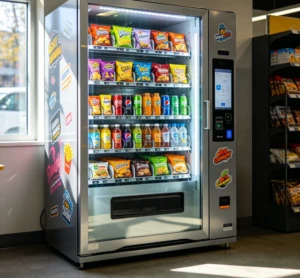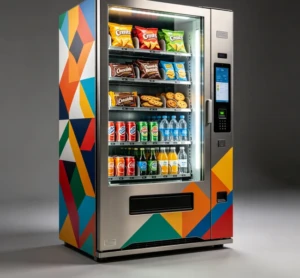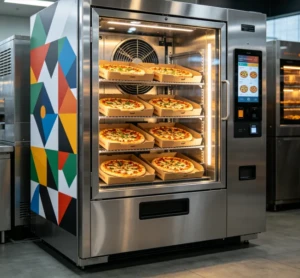
How many vending machines do you need to make 100k? The short answer is 8 to 15 machines, but that number is almost meaningless without context. It’s like asking how many employees you need to run a business—it depends entirely on what they’re doing and where they’re working. Your real path to $100,000 in annual profit isn’t found in a single magic number, but in understanding the gritty details of location, product mix, and operational costs that turn a machine from a metal box into a reliable income stream.
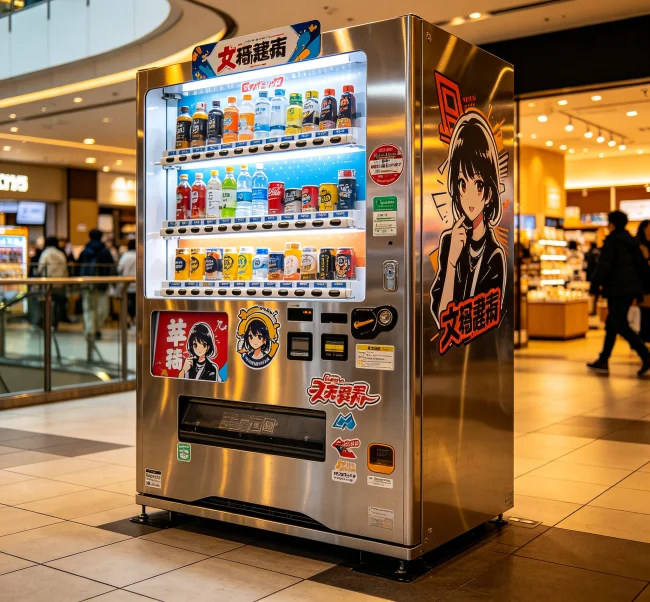
Let’s break down the math, but with a heavy dose of reality. Most generic calculations spit out a figure based on ideal, best-case scenarios. We’re going to look at it differently, factoring in the real-world variables that actually determine your success or failure.
You’ll see the basic equation everywhere: Target Annual Profit ÷ Single-Machine Annual Net Profit = Number of Machines Needed. To make $100,000, if one machine nets $10,000 a year, you’d need 10. The problem? That “net profit” figure is a wild guess unless you define everything behind it.
A machine’s profit isn’t just sales minus candy costs. It’s a complex calculation:
Gross Revenue (Location-Dependent)
minus Cost of Goods Sold (Typically 35-50%)
minus Location Commission/Rent (10-25% of sales is common)
minus Restocking Labor & Fuel
minus Routine Maintenance & Repairs
minus Insurance & Permits
minus Payment Processing Fees
equals Net Profit.
See how that “$10,000 net” can easily shrink to $5,000 if you’re paying a 20% site commission? Suddenly, you need 20 machines, not 10, to hit your goal. That’s the critical shift in thinking.
💡 Key Takeaway: Never use industry “average” profit numbers for your plan. Build your own model from the ground up, starting with a specific location type and product.
Single-Machine Profitability: A Data-Driven Breakdown
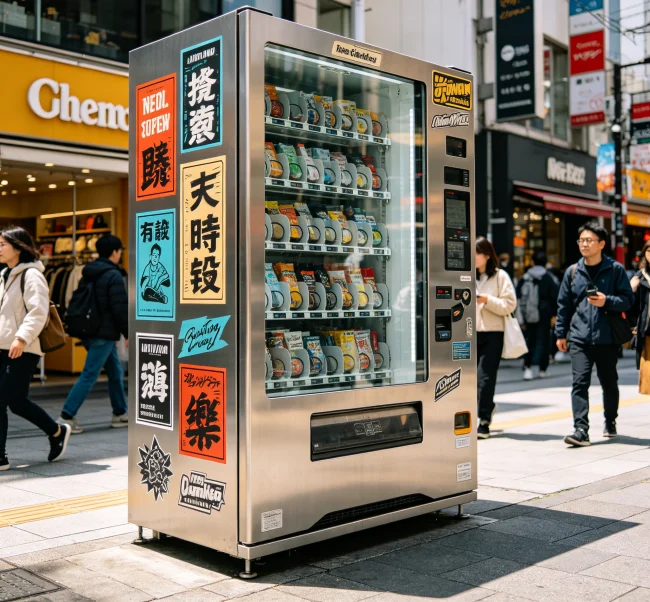
Let’s move past theory. Here’s a more realistic look at what different setups can yield. Remember, these are ranges and assume competent, hands-on management.
| Machine Type & Location | Estimated Monthly Gross Revenue | Typical Net Margin | Estimated Monthly Net Profit |
|---|---|---|---|
| Snack/Drink Combo (Office Building) | $800 – $1,500 | 20-30% | $160 – $450 |
| Specialty Coffee Machine (University) | $1,500 – $3,000+ | 40-55% | $600 – $1,650 |
| Refrigerated Food Machine (Hospital/Factory) | $1,200 – $2,500 | 25-35% | $300 – $875 |
| Healthy Vending (Gym/Wellness Center) | $600 – $1,200 | 30-40% | $180 – $480 |
Net Margin includes product cost, estimated location fee, and a buffer for operational costs. It shows why high-margin items like coffee are so attractive.
Notice the massive spread? A high-traffic university coffee machine could net nearly $20,000 a year, meaning you’d only need 5 or 6 to reach your $100k goal. A snack machine in a mediocre office might only net $5,000 annually, requiring 20 machines. Your first and most important job isn’t buying machines—it’s securing A+ locations.
💡 Critical Info: The “Net Margin” column is your key lever. Focus on high-margin products and negotiate the lowest possible site commission. This has a bigger impact on your bottom line than simply chasing higher revenue.
The Hidden Costs Everyone Forgets About
New operators often budget for the machine and the snacks, then get blindsided. Here’s your full checklist of costs to factor into that net profit calculation:
Forget to budget for these, and your projected profit evaporates. A good rule is to take your initial “ideal” net profit estimate and reduce it by 15-20% to account for these real-world drains.
Your Scaling Roadmap: From 1 Machine to $100k
You won’t start with 15 machines. You’ll scale. Here’s a potential, realistic timeline for someone starting from scratch:
The ROI on a well-placed machine can often be achieved in 2-4 months, but that’s for the machine cost itself. Scaling to a full $100k-profit business takes years of consistent effort and reinvestment.
💡 Practical Advice: Don’t finance a fleet of machines on day one. Use the profits from your first machine to buy your second. This slow, organic growth minimizes debt risk and forces you to learn before you scale.
The Make-or-Break Factor: Machine Quality & Supplier Choice
This is where many business plans fail on the ground. A cheap, unreliable machine might save you $1,000 upfront but cost you $5,000 in lost sales, repair bills, and damaged site relationships over two years. Frequent jams, broken cooling systems, and faulty card readers are profit killers.
When sourcing equipment, you’re not just buying hardware; you’re choosing a long-term partner. This is where a platform with a vetted network becomes invaluable. For instance, on VendingCore, you can connect with over 500 verified manufacturers whose machines typically meet international standards like CE and RoHS. This vetting process matters—it means the equipment is built to last and perform consistently, which is non-negotiable when you’re relying on each machine to hit a specific profit target. The platform’s network spans 50+ countries, giving you access to a wide range of specialized machines, from high-margin coffee units to refrigerated food lockers, so you can find the exact right tool for your chosen location strategy.
💡 Caution: The cheapest machine is almost always the most expensive choice. Prioritize reliability, energy efficiency, and good technical support from your supplier over the lowest sticker price.
Common Pitfalls That Derail the $100k Goal
So, back to the original question. You might need 8 high-performing specialty machines, or 25 average snack machines. The number is a byproduct of your strategy, not the starting point. Focus on proving a profitable model with your first machine—nail the location, product, and operations. Once you have that blueprint, scaling to $100k becomes a clear, if challenging, execution plan. The path is built one well-placed, reliably stocked machine at a time.
For entrepreneurs ready to move from planning to sourcing, connecting with reliable manufacturers is the next critical step. Platforms like VendingCore exist to simplify this, offering direct access to a global network of over 500 verified vending machine manufacturers. With a track record of facilitating 10,000+ successful B2B connections, it allows you to compare specifications, request quotes, and connect directly with suppliers who can provide the durable, profitable equipment your business plan requires. You can start by browsing their extensive catalog to see the range of machines available for different strategies.