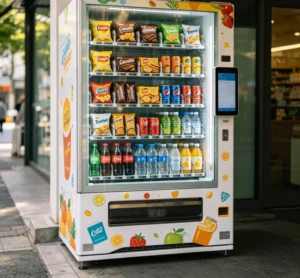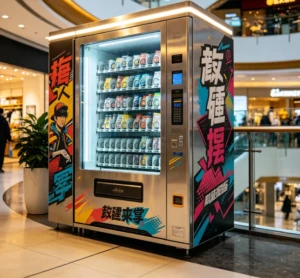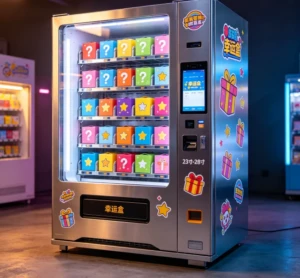
Yes, vending machines are allowed in Dubai, but they require a specific commercial license and location permit from the Dubai Department of Economic Development (DED). The process is straightforward if you know the steps, involving approvals from the DED and the relevant municipality, with typical setup costs ranging from AED 15,000 to AED 50,000 depending on scale and machine type. This isn’t just a theoretical “yes”—it’s a regulated business activity with clear rules for entrepreneurs and investors looking to tap into the city’s high-footfall locations.
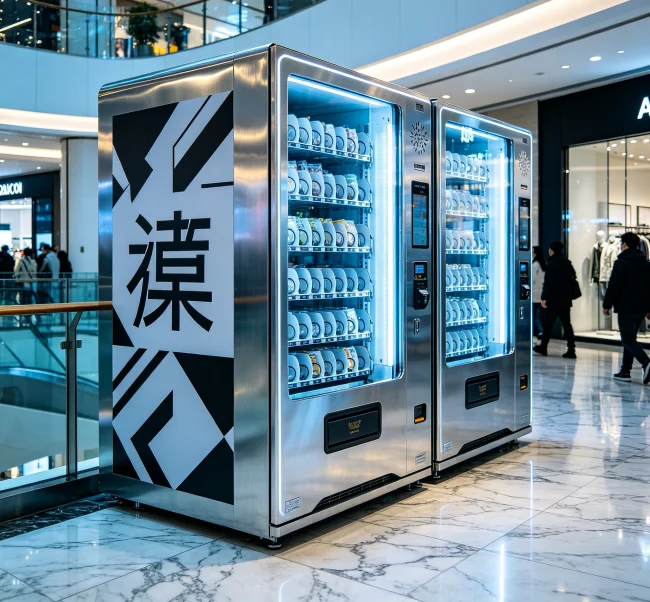
Forget the idea of just buying a machine and plugging it in anywhere. Dubai operates a structured framework to ensure commercial activities align with urban planning and health standards. Getting it right means understanding two key authorities: the DED, which grants the overarching business license, and the Dubai Municipality (or the relevant free zone authority), which approves the specific installation site.
💡 Key Takeaway: Your first call shouldn’t be to a machine supplier. It should be to finalize your business license with the DED. No license means no legal permit for any location.
You’re dealing with a two-tier approval system. The Dubai DED issues your core trade license. You’d typically apply for a Commercial License with activities like “Retail Sale Through Vending Machines” or “Operation of Vending Machines.” There’s also an Industrial License if you’re manufacturing the goods you sell (like bottling your own water or packaging snacks), but that’s a more complex setup.
Once the DED license is in progress or secured, you need location-specific approval. This usually comes from the Dubai Municipality for public areas, malls, and offices. If your target location is within a Free Zone like Dubai Airport Free Zone (DAFZA) or Dubai Multi Commodities Centre (DMCC), you’ll work with that zone’s own authority. They have the final say on whether your machine can occupy a specific spot.
Step-by-Step: From Idea to Installation
Let’s break down the actual process. It looks more daunting on paper than it is in practice.
💡 Practical Advice: Engage a local business setup consultant for steps 1-4 if you’re unfamiliar with the DED process. It can save weeks of time and prevent application rejections over minor errors.
Cost Breakdown: What You’ll Really Pay
Costs can vary, but here’s a realistic snapshot for 2026 planning. We’ve broken it down into government and operational costs.
| Cost Category | Estimated Range (AED) | Notes |
|---|---|---|
| Government & License Fees | 7,000 – 15,000 | Includes DED trade license issuance, name reservation, and municipal permit fees. Can be higher in premium free zones. |
| Professional Service Fees | 3,000 – 8,000 | Optional but recommended for license processing, document attestation, and PRO services. |
| Vending Machine Unit Cost | 5,000 – 25,000+ | Varies massively by type (simple snack machine vs. smart refrigerated unit with touchscreen). |
| Initial Stock & Logistics | 2,000 – 5,000 | First product purchase, transportation, and installation labor. |
| Estimated Total Initial Investment | 17,000 – 53,000+ | For a single-machine startup operation. Scaling up reduces per-unit machine costs. |
Finding the Right Location (And the Rules)
This is where many businesses succeed or fail. High footfall is obvious, but permission is everything.
Ideal & High-Potential Locations: Corporate office towers, universities and colleges, hospitals, gyms and fitness centers, metro stations (through specific tenders), and petrol stations. These spots have captive audiences with specific needs.
Heavily Restricted or Prohibited Locations: You generally cannot just place a machine on public sidewalks, parks (without direct municipal approval), or in heritage zones. Residential building lobbies usually require unanimous owner committee approval.
Always, always get the location agreement in writing before applying for permits. A verbal “yes” from a building manager is worthless at the municipality office.
💡 Critical Info: Your municipal permit is tied to a specific address and machine. Want to move or add a machine? You need a new permit application for each change.
Sourcing Your Machines: A Key Operational Decision
Here’s a point many basic guides miss—your choice of equipment directly impacts your operational headaches and ROI. You need reliable, serviceable machines suited to the UAE climate. This is where connecting with the right supplier matters.
Opting for cheap, uncertified machines often leads to the complaints you see on forums: frequent breakdowns, poor cooling in summer, and incompatible payment systems. You want suppliers whose machines meet international certifications like CE or RoHS, which signal better component quality.
Our team at VendingCore consistently sees that buyers who source through established channels with technical support agreements reach positive ROI faster—often within 3-6 months at a good location—because they avoid costly downtime. We help buyers navigate this by connecting them directly with manufacturers who can provide equipment tailored for the Gulf region’s conditions, from robust snack machines to sophisticated coffee brewers.
Overcoming Common Challenges
Let’s address the real-world gripes head-on.
💡 Actionable Tip: Start simple. Launch with one machine in your best secured location. Master the restocking, maintenance, and permit renewal cycle before you scale to multiple sites.
The vending machine market in Dubai is far from saturated, but it’s a market that rewards preparation and professionalism. The regulatory path is clear, and the customer base is vast. Your success hinges on navigating the bureaucracy correctly and then choosing equipment and locations that deliver consistent service. If you’re looking at the machine sourcing side of the equation, that’s a process we specialize in—connecting serious buyers with qualified manufacturers that can set you up for long-term operation, not just a quick sale.