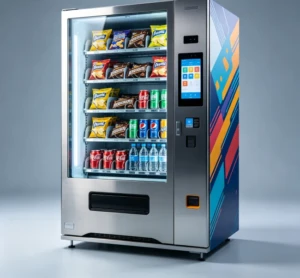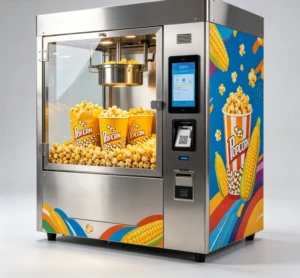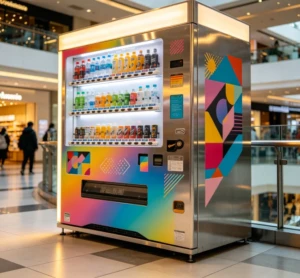
Are vending machines still a good investment? — According to 2025 industry data, the average vending machine generates between $75 and $100 in weekly revenue, with profit margins landing between 15% and 25% after all expenses. That’s not the $1,000-a-week fantasy some YouTube gurus push, but it’s also not the dead business model skeptics claim. The reality sits somewhere in the middle, and it depends almost entirely on three things: location quality, machine technology, and how much work you’re willing to put in upfront.
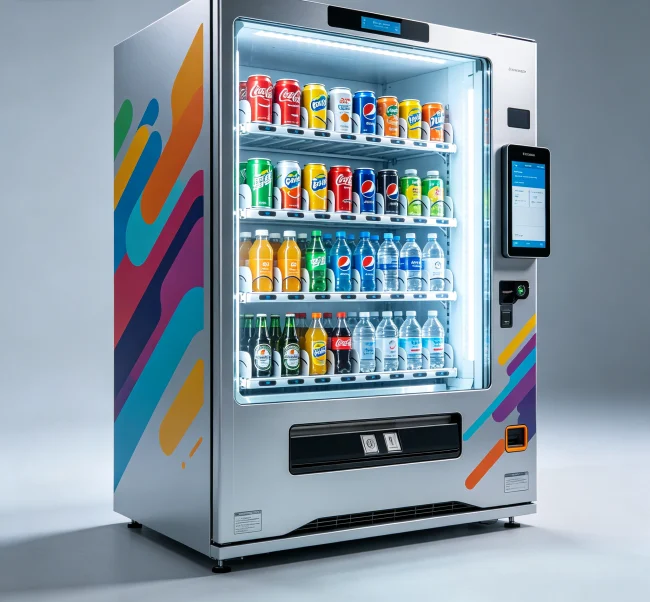
I’ve talked to dozens of operators who started with a single machine and scaled to 50-plus routes. The ones who succeed don’t just buy a machine and hope for the best — they treat it like a real business. They research foot traffic patterns, negotiate commission rates, and track inventory obsessively. The ones who fail? They usually buy cheap equipment, stick it in a bad spot, and wonder why nobody’s buying $2 bags of chips in 2026.
So let’s cut through the noise. Is this still a viable investment? Yes — if you do it right. But “right” looks a lot different than it did five years ago.
What’s Changed in the Vending Machine Industry
The vending world isn’t what it used to be. Gone are the days when you could fill a machine with candy bars and soda, check it once a month, and collect easy cash. Consumer expectations have shifted hard.
Cashless payments are now table stakes. If your machine doesn’t accept credit cards, Apple Pay, or Google Wallet, you’re leaving 40% to 60% of potential sales on the table. I’ve seen operators retrofit old machines with card readers and watch revenue jump 30% within weeks. That’s not a nice-to-have anymore — it’s mandatory.
Health trends are also reshaping product selection. Protein bars, keto-friendly snacks, sparkling water, and even plant-based options now outsell traditional candy in many office and gym locations. The operators who adapt their product mix to the location’s demographics consistently outperform those who stick with the same old lineup.
Then there’s technology. Smart vending machines with telemetry systems let you monitor inventory, sales data, and machine health remotely. You’ll know exactly when a product runs out or a compressor fails — without driving to the location. This cuts labor costs dramatically and reduces lost sales from empty slots.
💡 Key Reality Check: If you’re buying a machine without cashless payment capability or remote monitoring in 2026, you’re already starting behind. Budget for smart technology from day one.
The Real Numbers: Profitability Breakdown
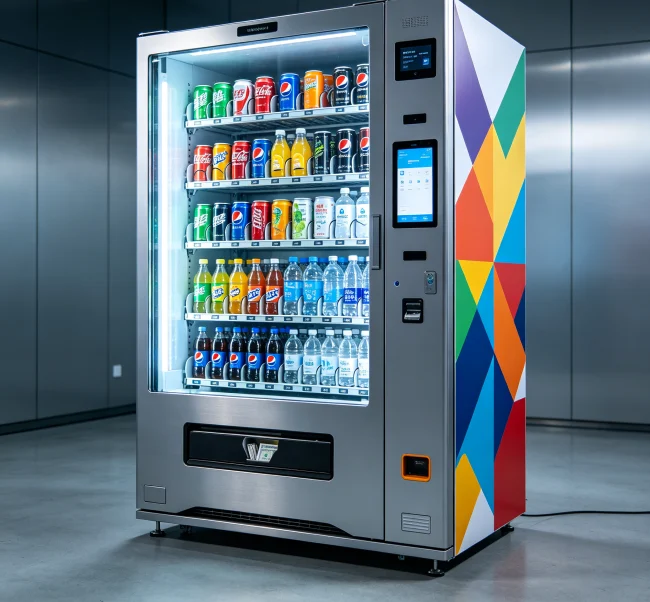
Let’s get specific. Here’s what a typical vending machine operation looks like with realistic numbers:
| Metric | Low-End | Average | High-End |
|---|---|---|---|
| Weekly Revenue | $50 | $85 | $150+ |
| Monthly Revenue | $200 | $340 | $600+ |
| Product Cost (COGS) | $80 | $136 | $240 |
| Location Commission (10-20%) | $20 | $50 | $90 |
| Other Costs (CC fees, gas) | $15 | $25 | $40 |
| Monthly Profit | $85 | $129 | $230 |
A single machine might net you $100-$230 per month. That’s not life-changing money on its own. But scale that to 10 machines, and you’re looking at $1,000-$2,300 monthly — a solid side income. At 50 machines, you’re in full-time income territory.
The catch? Scaling requires capital, time, and operational discipline. Most people underestimate the maintenance and restocking labor involved. A machine in a high-traffic office might need restocking twice a week. If you’re driving 30 minutes each way, that’s real time.
💡 Practical Advice: Start with 2-3 machines in different location types (office, retail, gym). Track everything for 6 months before scaling. This gives you real data on which locations work best for your specific market.
Location Is Everything — And It’s Getting Harder
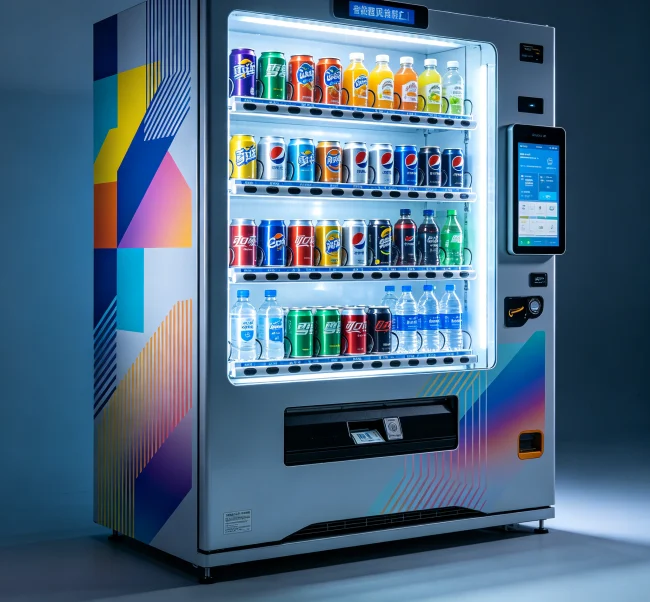
The single biggest factor determining success? Where you put the machine. A great machine in a bad location will lose money. A basic machine in a great location prints cash.
High-performing locations in 2026 include:
The challenge is that prime locations are harder to secure now. Many property managers want higher commissions (15-25% isn’t uncommon), and some are signing exclusive deals with vending route operators. You’ll need to pitch yourself professionally — show them your machines, your service schedule, and your product selection.
Avoid these locations unless you have a specific reason: gas stations (high commission demands, high theft), schools with restrictive snack policies, and areas with low foot traffic after 5 PM.
Technology: The Smart Machine Advantage
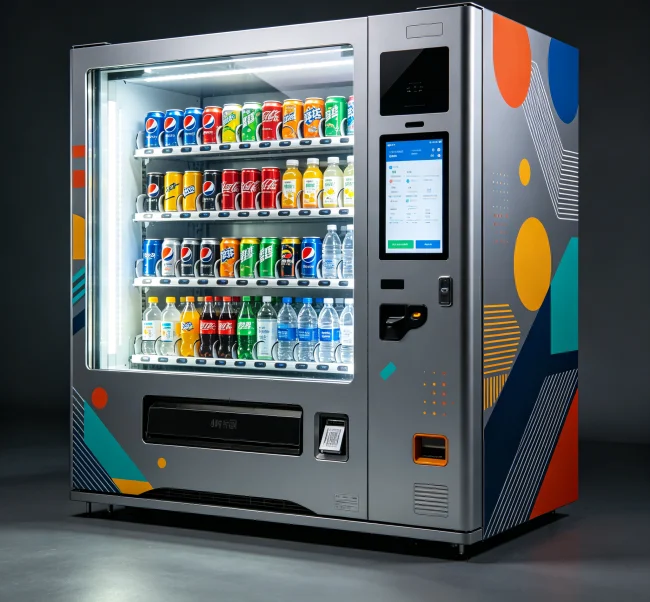
If you’re serious about this business, skip the used $500 machine from Craigslist. I know it’s tempting, but here’s why that’s usually a mistake:
Older machines break more often. They don’t accept cards. They don’t tell you when they’re empty. You’ll drive to a location, find a sold-out machine, and leave with nothing but wasted gas money. Over a year, those wasted trips add up to hundreds of dollars and hours of frustration.
Modern smart vending machines with telemetry systems change the game. They send real-time alerts when inventory runs low, when sales spike, or when there’s a technical issue. Some even use dynamic pricing — raising prices during peak hours and lowering them during slow periods.
Companies like VendingCore offer machines with these capabilities built in. When you’re evaluating equipment, look for features like remote monitoring, cashless payment integration, and energy-efficient cooling. The upfront cost is higher, but the operational savings and revenue gains more than justify it.
💡 Critical Info: Your machine’s technology determines your profit ceiling. A smart machine can generate 20-40% more revenue than an identical machine without telemetry and cashless payments. Don’t cheap out on the brain of your business.
The Hidden Costs Nobody Talks About
Most guides gloss over the real expenses. Here’s what you’ll actually spend money on:
The first year for a 3-machine setup might cost $8,000-$15,000 all-in. Break-even typically happens between month 6 and month 12, assuming decent locations.
Comparing Vending to Other Passive Income Streams
Let’s be honest — vending machines aren’t truly passive. They’re semi-passive at best. You’ll spend 2-5 hours per week per 10 machines on restocking, collecting money, and maintenance.
Compare that to:
Vending machines offer a middle ground. You can start with relatively low capital ($3,000-$5,000), you control the income based on your effort, and you can scale gradually. It’s not going to make you a millionaire overnight, but it’s a legitimate side business that can grow into something substantial.
💡 Important Point: Don’t quit your day job. The most successful vending machine operators I know started as a side hustle, then scaled to full-time after 1-2 years of consistent profitability. Treat it as a business experiment first.
The Verdict: Is It Worth It in 2026?
Yes — but with conditions.
Vending machines are still a good investment if you:
They’re a bad investment if you:
The market is more competitive than it was a decade ago, but the opportunity is still real. Thousands of operators are running profitable routes right now. The difference between success and failure comes down to execution — not luck.
If you’re thinking about getting started, I’d recommend reading our detailed guide on whether vending machines still make money for more specific numbers and strategies. And if you want to understand which machines actually perform best, check out our breakdown of which vending machines are most profitable.