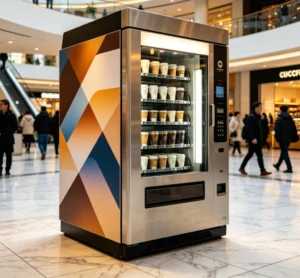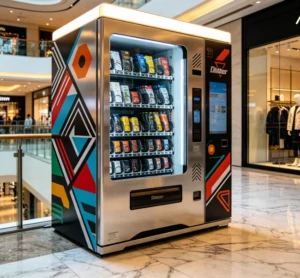
A coffee vending machine for commercial use usually lands between $2,000 and $12,000, and a well-placed unit can pay for itself in 4 to 8 months. Think offices, hotel lobbies, gyms, auto shops, and convenience stores where people want a hot drink without leaving the building. You load beans or soluble mix, water, cups, and toppings, then collect takings through cash or card payments. The real question is whether the numbers hold up for your traffic.
What Actually Changes When You Go Commercial
A home espresso machine is built for maybe five cups a day. A coffee vending machine is different. It has a bigger boiler, a sturdier brew group, and pumps that handle dozens of cycles without breaking down. Most commercial units are rated for 50 to 200 cups per day, which changes what you expect from them.
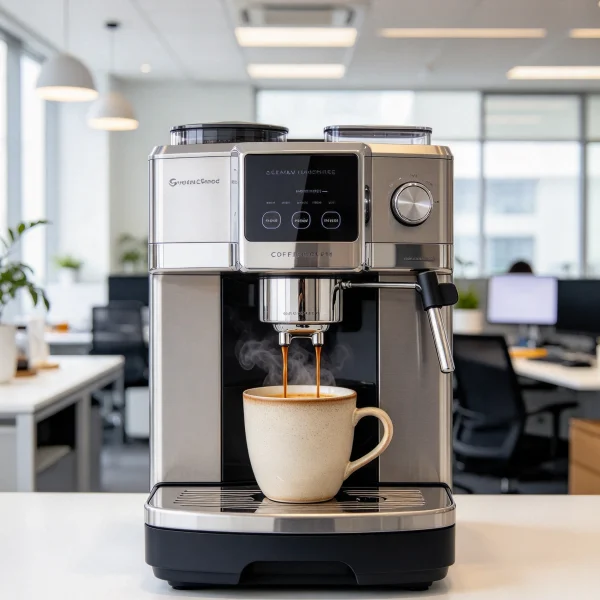
You’re also buying the stuff around the coffee. Payment systems, water filters, cup dispensers, and remote telemetry that tells you when the bean hopper is low. On a busy site, that telemetry is the difference between a machine that makes money and one that just sits there empty.
Machine type depends on location. Bean-to-cup units grind whole beans and use fresh milk. Soluble machines mix instant coffee with hot water, which keeps costs lower and maintenance simpler. Hybrid models give you both, so an office cafe can serve fresh espresso while someone in a hurry grabs a quick hot chocolate.
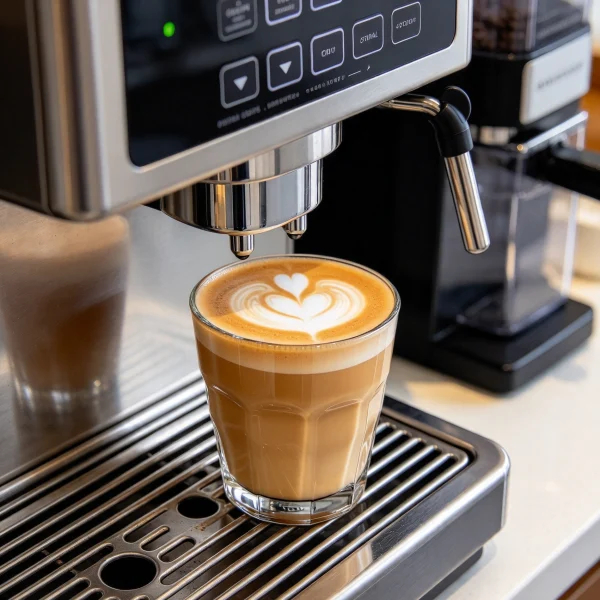
Bean-to-Cup vs Soluble: Which One Fits Your Site?
If you’re putting a unit in a professional building with 80-plus employees, bean-to-cup is often the right call. People can taste the difference, and the machine becomes a perk rather than just a drink dispenser. In a gas station or waiting room, the soluble machine tends to win because it’s faster and cheaper to maintain.
Typical starting points look like this. Prices shift by brand, capacity, and payment options, but this gives you a sense of direction before you call anyone.
| Type | Starting Price | Cost per Cup | Service Needs | Best For |
|---|---|---|---|---|
| Bean-to-cup | $4,500 – $12,000 | $0.25 – $0.45 | Monthly cleaning, grinder calibration | Offices, hotels, gyms with steady traffic |
| Soluble / instant | $2,000 – $5,500 | $0.10 – $0.20 | Simple refill and daily rinse | Small offices, cafeterias, waiting rooms |
| Combo bean + soluble | $6,000 – $14,000 | $0.15 – $0.40 | More parts, trained technician | High-traffic sites with varied drink demand |
Don’t assume the most expensive machine is the most profitable. A $12,000 bean-to-cup unit in a location that sells 30 cups a day will struggle to justify itself. A $3,500 soluble machine in the same spot might be the more honest investment.
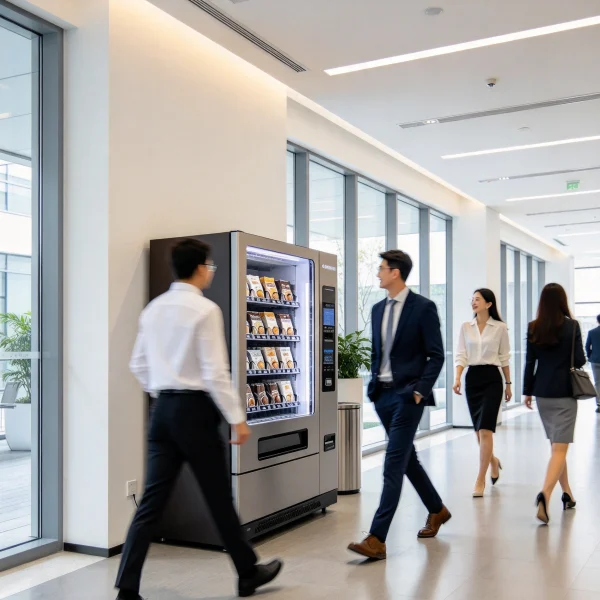
Realistic Numbers: What One Machine Can Bring In
Let’s run a simple example. Suppose the machine sells 40 cups a day at an average price of $1.80. Ingredients and packaging cost about $0.35 per cup, leaving roughly $1.45 in gross profit per drink. That’s $58 a day, or about $1,740 in a 30-day month. If you paid $8,000 installed, you’re looking at a payback close to five months before electricity and card fees.
In a busier spot, say a highway rest area or a 24-hour gym, 100 cups a day is realistic. Then the gross profit jumps to $4,350 a month, and the same machine pays for itself in about two months. Those numbers are why location matters more than the machine itself.
If you’re also deciding what else to stock, coffee isn’t the only product that can carry a location. This data-driven guide to the most profitable vending machine items gives you a useful baseline.
The Running Costs People Forget
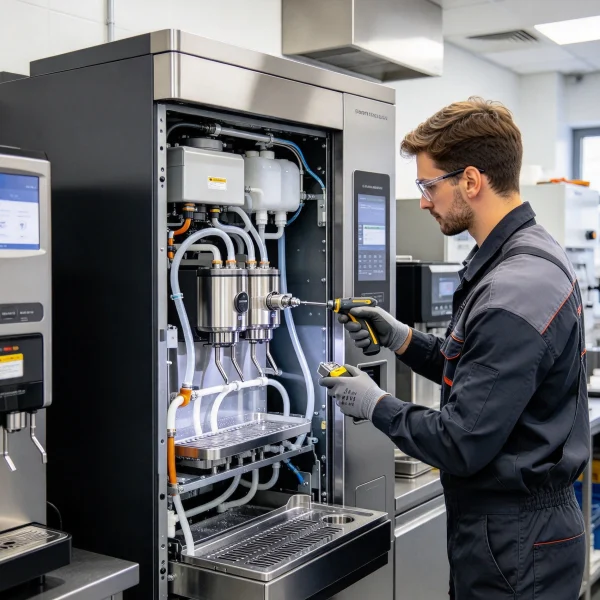
Electricity draws 300 to 700 watts per hour depending on the machine, and the water heater runs even when nobody buys a cup. Water filters, descaling, payment processor fees, and periodic parts add another monthly slice. If you’re putting a unit in service in 2026, card processing fees alone can eat 2% to 3% of every digital sale.
Cleaning is another line item. Some suppliers include it in a service contract, while others charge per visit. Skip it and you’ll notice the difference in taste and downtime. A cloudy brew group also makes people choose the shop across the street instead.
How to Choose a Supplier You Won’t Regret
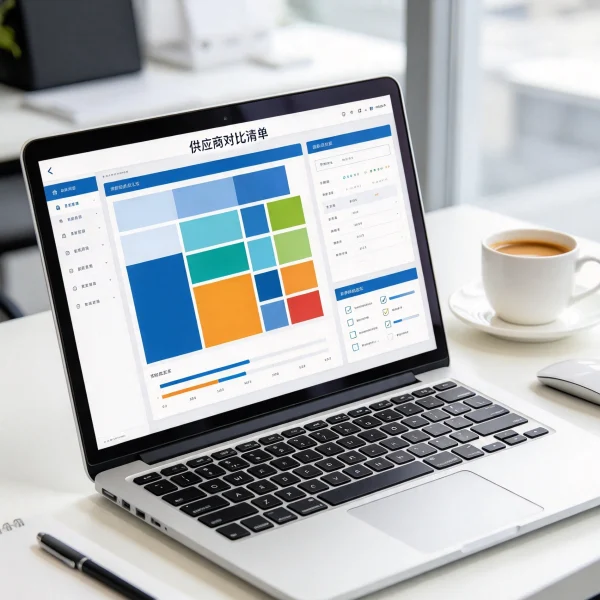
Ask about service before you ask about price. A machine that breaks and waits three weeks for a part is not worth any discount. Check whether the supplier has local technicians, a warranty that covers labor, and remote diagnostics. If they can’t show you buyer reviews or a track record, that tells you something too.
This is where VendingCore helps. On VendingCore’s supplier ranking, you can compare verified suppliers, read buyer reviews, and send inquiries directly. You don’t have to trust one salesperson’s pitch; you can see who keeps their promises.
The same buyer traps show up in other categories, so if you ever expand beyond coffee, the cotton candy machine buyer guide covers several of them. Different products, same due diligence.
So Is a Commercial Coffee Machine Worth It?
For a busy location, yes. For a quiet one, maybe not. The machine is only the beginning; the site, the service network, and the daily habit of checking cup counts decide whether it earns its floor space.
If you’ve run the numbers and you’re still curious about the broader picture, this analysis of whether vending machines are still a good investment covers more of the economics. And when you’re close to buying, browse the supplier ranking on VendingCore to compare verified suppliers side by side.
Most buyers overthink the machine and underthink the location. A decent unit with good service will outperform a top-end machine sitting in a dead corner. The operators I know spend their first month watching when people buy and what they order, then adjusting the menu to match. They also negotiate service contracts before they negotiate price, because a broken machine in week three is the most expensive mistake you can make. If you’re going into commercial coffee, treat it like a small business from day one: track cups, check margins, and keep the supplier accountable. The machine is just the tool.
FAQ
How much does a commercial coffee vending machine cost?
Most new units run from $2,000 for a basic soluble model to $12,000 or more for a bean-to-cup machine with fresh milk, a large touchscreen, and remote management. Installation, water filtration, and first stock add another $500 to $1,500. Used machines can be cheaper, but budget for repairs and a shorter service life.
How many cups per day can a commercial unit handle?
Entry-level soluble machines are often rated for 50 to 80 cups a day. Bean-to-cup units with a larger boiler can handle 100 to 200 cups, especially if they let you adjust the grind and brew settings. The rated number assumes the machine gets regular cleaning, proper water, and periodic maintenance. Overselling a small machine just creates downtime at the worst moment.
What is the payback period for a commercial coffee vending machine?
In a normal office or retail setting, expect four to eight months. Busier spots can do it faster, but not reliably under two months because you need a few weeks to find the right recipe and pricing. The math depends on cups sold per day, average price, cost per cup, and any space rental fee you pay. Track real sales instead of guessing.
Do I need a license to operate a coffee vending machine?
It depends on where you live. Many places treat it like a food business because you’re serving drinks, so you may need a local food handler permit or a vending operator license. If you’re in Singapore, this startup guide covers the costs and licensing details. Check with your city or county before you order anything.
How often does a commercial coffee machine need servicing?
Most suppliers recommend a professional service visit every 8 to 12 weeks, depending on water hardness and daily volume. Daily tasks take about five minutes: empty drip tray, rinse the brew unit, wipe nozzles, top up beans. Skipping those small habits is the fastest way to turn a $10,000 machine into a $600 repair bill.
Should I buy a used commercial coffee vending machine?
A used machine can make sense if you’re starting with a tight budget and the supplier offers a warranty and service plan. Ask for the machine’s service history, the number of brew cycles, and photos of the interior before you commit. Without that information, a bargain can turn into an expensive lesson. Verified sellers and buyer reviews help filter out the risky ones.