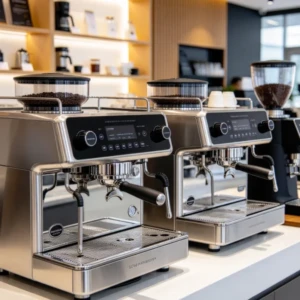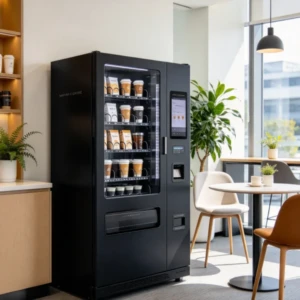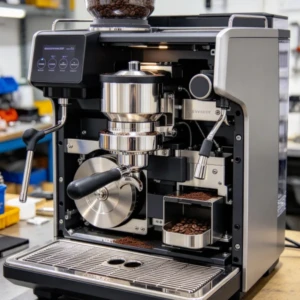
Yes, coffee machines can be profitable, with net margins often ranging from 40-60%, but success hinges entirely on strategic location selection, proper machine choice, and efficient operations.
You're wondering if a coffee machine is a smart business move or a money pit. It's a fair worry—no one wants to invest in a dud. This guide cuts through the hype and gives you the real numbers: exact costs, realistic revenue projections, and the make-or-break factors the glossy brochures don't mention. We'll show you how to model your own potential profit so you can decide with confidence, not guesswork.
The commercial coffee machine industry is evolving rapidly, moving beyond simple push-button dispensers to sophisticated smart and AI-powered systems that offer fresh-ground beans, specialty drinks, and cashless transactions. For an entrepreneur, this shift represents both a new set of opportunities and a more complex financial landscape to navigate.
💡 First Step: Before looking at machines, define your target customer and location. This single decision will dictate your machine type, cost, and revenue potential.
Profitability isn’t guaranteed; it’s engineered through strategic choices. The primary factors are location, machine type, and operational efficiency. A high-traffic hospital corridor will outperform a quiet office break room. Similarly, a modern bean-to-cup machine can command a higher price per cup than a traditional instant coffee vendor. The key is aligning your machine’s capabilities with the demographics and consumption habits of your chosen location. Understanding peak hours, average spend, and preferred payment methods (card vs. cash) is crucial for accurate revenue forecasting.
A Detailed Financial Breakdown: Costs vs. Revenue
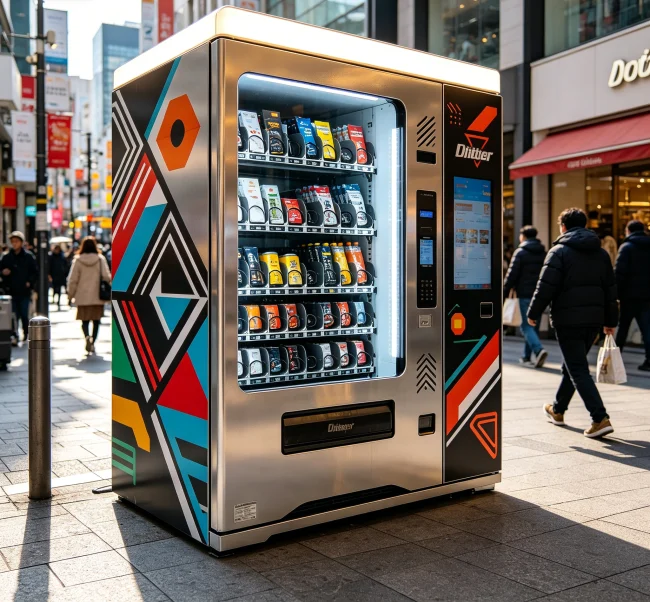
To move beyond a simple “yes,” you need a concrete financial model. The landscape includes three main machine categories, each with distinct financial profiles.
| Cost/Revenue Factor | Traditional Pod/Dispenser | Smart Bean-to-Cup Machine | AI Robotic / Specialty Unit |
|---|---|---|---|
| Machine Acquisition | $1,500 – $4,000 (Purchase) | $8,000 – $20,000 (Lease common) | $25,000 – $60,000+ (Lease/Finance) |
| Installation & Site Fees | Minimal ($0-$500) | $1,000 – $3,000 (plumbing/power) | $5,000+ (custom integration) |
| Monthly Consumables | $0.15 – $0.25 per cup | $0.30 – $0.50 per cup (beans, milk) | $0.60 – $1.20 per cup (premium ingredients) |
| Monthly Maintenance | $50 – $100 | $100 – $250 (tech service contract) | $300 – $600+ (specialist tech) |
| Potential Cup Price | $1.00 – $1.75 | $2.50 – $4.50 | $4.50 – $8.00+ |
| Cups/Day for Break-even | ~25-40 | ~35-60 | ~50-90 |
Break-even estimates assume a mix of purchase/lease models and include estimated consumable and fixed costs.
💡 Financial Reality Check: Always model your worst-case sales scenario, not the best. If you can still break even at 60% of your projected traffic, your business is resilient.
Revenue is a function of volume and price. A prime location in a transit hub might sell 200+ cups daily at a moderate price, while a high-end office might see 80 cups at a premium. Use this formula for a quick estimate: Daily Revenue = (Cups Sold) x (Price per Cup) x (365 days). Subtract your total annual costs (from the table above) to find net profit.
The Operational Roadmap: From Idea to Launch
Turning a profit requires meticulous planning. Follow this phased approach:
💡 Avoid This Mistake: Don’t skip the formal site agreement. A handshake deal can leave you without a location if management changes. Secure terms on paper.
Coffee Vending vs. Traditional Café: A Modern Comparison
While a café offers ambiance and higher margins, its cost structure is fundamentally different. A coffee machine business has significantly lower overhead: no staff payroll (beyond servicing), minimal rent (often a revenue share or fixed fee), and lower utilities. This allows for profitability at a much lower daily sales volume. For an entrepreneur seeking a semi-passive, scalable model with lower entry risk, a strategically placed high-quality coffee machine often presents a more attractive and manageable ROI.
How to Choose the Right Machine for Your Budget
Your budget should reflect your location’s potential. For a factory floor, a durable, high-volume traditional machine may be ideal. For a corporate law firm, a smart machine offering lattes and cappuccinos justifies its higher cost through premium pricing. On platforms like ours, vendingcore.com, you can efficiently compare specifications and quotes from a global network of over 500 pre-vetted manufacturers, ensuring you find a machine that matches both your financial plan and your customers’ expectations without overpaying through intermediaries.
The Critical Role of Maintenance and Service
A broken machine earns zero revenue and damages your reputation. Factor in a reliable maintenance plan from day one. Smart machines with IoT capabilities can report issues before they cause downtime. When sourcing, prioritize suppliers, like many in our network, who offer clear service contracts and have a proven track record of support in your region, ensuring your asset remains productive.
💡 Service Strategy: Negotiate a preventive maintenance schedule into your purchase or lease agreement. It’s cheaper than emergency repair calls and maximizes uptime.
Understanding Revenue Share and Location Agreements
Most lucrative locations (airports, universities, large offices) will require a revenue share agreement, typically ranging from 10% to 25% of gross sales. While this cuts into margin, it provides access to high-traffic spots you couldn’t afford with a fixed rent. Calculate if the projected higher volume at the shared rate nets more profit than a 100% margin in a lower-traffic spot. Always model both scenarios.
Leveraging Technology for Higher Profit
Modern machines boost profit through efficiency and data. Telemetry systems track inventory in real-time, preventing stock-outs of popular items. Cashless payment systems increase average transaction value by 20-30% and attract younger demographics. Machines with interactive screens can upsell or promote combo deals. This technology, once a premium feature, is now standard in quality equipment from leading manufacturers.
Scaling Your Coffee Machine Business
The true profit potential lies in scale. Once you’ve perfected the model with one machine—understanding the costs, servicing, and location management—you can replicate it. Systems become more efficient, and you can negotiate better rates with suppliers for consumables and servicing across a fleet. This scalable, semi-absentee model is what makes the business fundamentally different from and often more attractive than a single, owner-operated café.
💡 Scaling Tip: Standardize your machine model and consumables brand across multiple locations. This simplifies maintenance, training, and bulk purchasing for better margins.
In conclusion, coffee machines can be highly profitable, but they are not a “set and forget” investment. Success demands treating it like a real business: conducting thorough financial modeling, securing prime locations with solid agreements, choosing the right equipment for your market, and planning for operational excellence. The lower barrier to entry compared to a café is an advantage, but it still requires strategic capital allocation and management. For those who execute the model diligently, it offers a compelling path to building a scalable, cash-flow-positive venture.