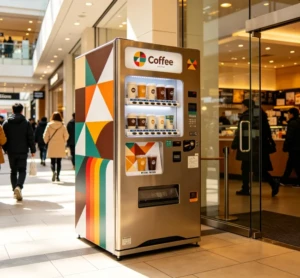
Home / Coffee Vending Machine / Sourcing Coffee Vending Machines from China: The 2026 Buyers Guide to Suppliers, Cost & Quality

Sourcing Coffee Vending Machines from China: The 2026 Buyers Guide to Suppliers, Cost & Quality

The global demand for self-service coffee is surging, and China has solidified its position as the manufacturing epicenter for reliable and innovative coffee vending machines. For business owners, importers, and distributors, navigating this vast supplier landscape is the critical step between a promising idea and a profitable deployment.
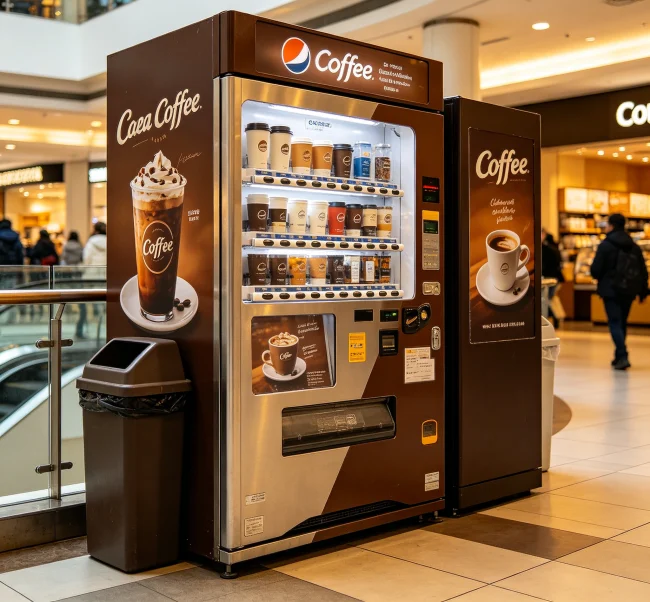
coffee vending machine china

💡 Your Starting Point: Before diving into supplier lists, clearly define your target market, expected daily volume, and available space. This focus will save you countless hours.

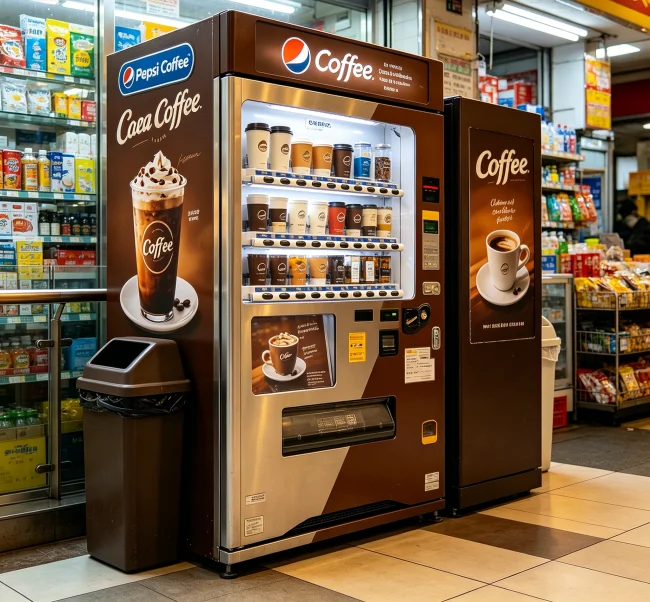
Your first major decision is the brewing technology, which dictates cost, quality, and maintenance. Fresh Bean-to-Cup machines grind whole coffee beans for each cup, delivering café-quality espresso, americano, and cappuccino. They are ideal for offices, upscale lobbies, or any location where beverage quality is a key selling point. Instant Powder/Premix systems use soluble coffee, chocolate, or milk powder. They are significantly more affordable, easier to maintain, and perfect for high-traffic, cost-sensitive environments like factories or universities. Combo machines that offer both fresh brew and instant options are increasingly popular, providing maximum flexibility.

The Chinese Supplier Landscape: Manufacturers vs. Trading Companies
The Chinese Supplier Landscape: Manufacturers vs. Trading Companies

Not all “manufacturers” in China own factories. A true Original Equipment Manufacturer (OEM/ODM) controls the production line, allowing for deep customization and typically offering better pricing and technical support. A trading company acts as a middleman, sourcing from various factories. They offer a wider product range but with less control over production quality and higher costs. For long-term partnerships and complex projects, dealing directly with a certified manufacturer is almost always preferable. Platforms like vendingcore.com streamline this vetting process by pre-qualifying manufacturers, connecting you directly with over 500 verified factories and eliminating the trading company markup.

💡 Vetting Essential: Always request a business license and factory audit report (like an Alibaba Verified Report). A true manufacturer will provide these willingly.

A Realistic Cost Breakdown: Beyond the Machine Price
A Realistic Cost Breakdown: Beyond the Machine Price

The unit price is just one component. A comprehensive budget must include:

  • Machine Cost: Ranges from $800-$1,500 for a basic instant model to $3,000-$6,000+ for a advanced bean-to-cup unit, depending on features.
  • Shipping & Logistics: Sea freight (FOB) is standard for bulk orders. Factor in port fees, customs clearance, and inland transportation to your warehouse.
  • Import Duties & Taxes: These vary drastically by country. Consult a local customs broker for an accurate estimate to avoid surprises.
  • MOQ (Minimum Order Quantity): Most Chinese factories have an MOQ of 3-10 units for standard models. For custom designs, the MOQ can be 50-100 units.
  • The Step-by-Step Supplier Verification Process
    The Step-by-Step Supplier Verification Process

  • Certification Check: Insist on seeing valid international certifications. For electrical safety, CE (Europe) and UKCA (UK) are fundamental. RoHS ensures materials are free of hazardous substances. Reputable suppliers on platforms like vendingcore.com have these certifications readily available.
  • Sample Order: Before committing to a full container, order one sample unit. Pay the higher sample cost—it’s an investment in due diligence. Test every function rigorously.
  • Factory Visit or Virtual Audit: If possible, visit the factory. If not, request a live video tour of the production floor, quality control station, and R&D department. Assess their scale and professionalism.
  • Reference Check: Ask for contact information for 2-3 overseas clients who have purchased similar models. A credible supplier will provide this.
  • 💡 Contract Clarity: Your purchase contract must specify payment terms (e.g., 30% deposit, 70% before shipment), warranty period (standard is 12 months), and exact Incoterms (e.g., FOB Shenzhen).

    Navigating the Procurement Timeline

    From initial inquiry to machine installation, a realistic timeline is 8-14 weeks. This includes 1-2 weeks for quotation and negotiation, 4-6 weeks for production (longer for customization), 3-5 weeks for sea shipping, and 1-2 weeks for customs clearance and delivery. Building a buffer into this schedule is crucial for a smooth rollout.

    Key Features to Prioritize in 2026

    Modern machines go beyond basic brewing. Look for:

  • Cashless Payment Systems: Support for QR code payments, contactless cards, and mobile wallets is now non-negotiable.
  • Remote Management IoT: Cloud-based platforms that allow you to monitor sales, stock levels, machine errors, and perform cashless top-ups from anywhere.
  • Sustainability Features: Energy-saving modes, biodegradable cup options, and efficient water usage are becoming major differentiators for corporate clients.
  • User Interface (UI): A bright, responsive touchscreen with intuitive navigation enhances the customer experience.
  • Mitigating Risks in International Procurement

    The primary risks are quality inconsistency and logistical delays. Mitigate them by working with suppliers who offer comprehensive warranties on both parts and labor, have clear spare parts catalogs with pricing, and provide accessible technical support, ideally in your time zone. Our platform’s model facilitates this by ensuring partner manufacturers commit to transparent after-sales terms, a key factor in our 98% customer satisfaction rate across 50+ countries.

    💡 Final Recommendation: Create a scored checklist for potential suppliers covering price, tech specs, certifications, communication, and warranty. Objectively compare your top three choices.

    Sourcing coffee vending machines from China is a process that rewards diligence. By focusing on technology alignment, rigorous supplier verification, and total cost understanding, you can secure not just a machine, but a reliable business partner. The efficiency of connecting with pre-vetted manufacturers through a specialized B2B platform can transform a complex international procurement into a streamlined, confident investment.
    Frequently Asked Questions (FAQ)

    A

    For standard models, most Chinese manufacturers have an MOQ between 3 and 10 units. If you require heavy customization (like a unique cabinet design or proprietary software), the MOQ can jump to 50-100 units. Always clarify this during your first inquiry.

    A

    Request three key documents: their official business license, factory registration certificates, and a recent factory audit report (like an Alibaba Verified Manufacturer report). A genuine factory will also readily agree to a live video tour of their production floor and assembly lines.

    A

    The essential certifications are CE (for the European market) or UKCA (for the UK) for electrical safety, and RoHS for hazardous substance compliance. Reputable manufacturers will have these certificates tested and issued by internationally recognized labs, not just self-declared.

    A

    Plan for a timeline of 8 to 14 weeks. This includes 4-6 weeks for production, 3-5 weeks for sea shipping, and additional time for negotiation, payment processing, and customs clearance in your destination country.

    A

    The most common and secure terms for first-time buyers are 30% deposit via T/T (bank transfer) to confirm the order, with the remaining 70% balance paid before the shipment is dispatched. This protects both the buyer and the supplier.

    A

    A standard warranty is 12 months. It should explicitly cover replacement parts and labor for defects in materials or workmanship. Ensure the warranty terms detail how to claim support, response times, and the process for shipping replacement parts.

    The biggest mistake buyers make is prioritizing the lowest unit price above all else. In vending, your total cost of ownership is defined by reliability, energy efficiency, and after-sales support. A machine that costs 20% less but breaks down frequently will lose you more in repair costs, downtime, and lost customer trust than you ever saved. The most successful importers invest time in vetting the manufacturer's quality control processes and their commitment to long-term partnership, not just the price on the initial invoice. Look for suppliers who are transparent about their component sources and can provide a clear roadmap for technical support.

    Elena Rodriguez
    Global Supply Chain Director, Vending Solutions Inc.

    Ready to Start Your Project?

    Contact us for professional advice and customized solutions

    Contact Now

    Asher

    Technical expert in smart vending solutions and IoT-enabled retail automation. Providing in-depth reviews and comparisons to guide businesses toward the best technology choices.

    Leave a Comment

    Your email address will not be published. Required fields are marked *

    Table of Contents
    0%
    VendingCore
    Privacy Overview

    This website uses cookies so that we can provide you with the best user experience possible. Cookie information is stored in your browser and performs functions such as recognising you when you return to our website and helping our team to understand which sections of the website you find most interesting and useful.