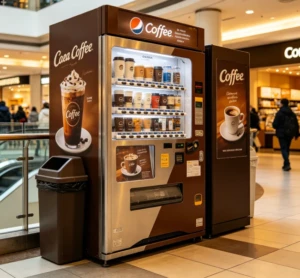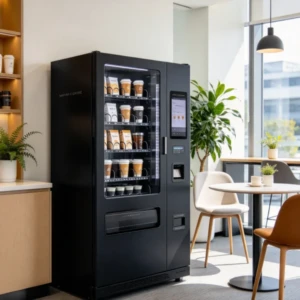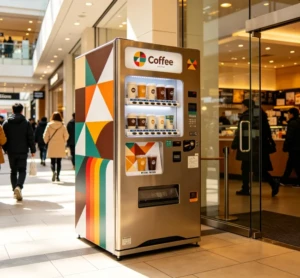
Coffee vending machines for sale range from $1,500 instant models to $10,000+ bean-to-cup hybrids, with the right choice depending entirely on your location, budget, and customer quality expectations.
Feeling overwhelmed by endless online listings and unsure which machine actually fits your needs? You're not alone. This guide cuts through the noise, giving you a clear framework to compare machine types, calculate true costs, and identify reliable suppliers—so you can invest confidently in a machine that delivers real returns, not just coffee.
The global coffee vending machine market is projected to exceed $10 billion by 2026, driven by a demand for convenient, high-quality coffee in offices, public spaces, and retail environments. For buyers navigating this purchase, the challenge isn’t a lack of options but an overwhelming surplus of them, from thousands of listings on B2B marketplaces to niche local rental services, often without the guidance needed to make an informed, cost-effective decision.
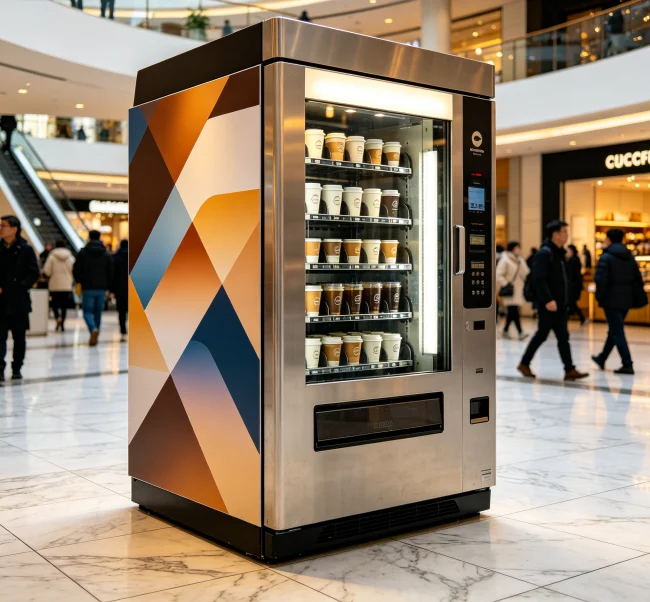
Your first critical decision is selecting the right type of machine for your target audience and budget. The three primary categories serve distinct markets and offer different value propositions.
Bean-to-Cup Machines are the premium choice, grinding fresh coffee beans for each cup. They deliver cafe-quality espresso, cappuccino, and latte, appealing to offices and locations where quality is a key selling point. While they have a higher initial cost and require more maintenance, they command higher per-cup prices and significantly enhance user satisfaction.
Instant/Powder-Based Machines are the workhorses of high-traffic, cost-sensitive environments like factories, universities, and transportation hubs. They use soluble coffee, chocolate, or soup powders, offering speed, reliability, and lower operational complexity. The coffee quality is consistent but cannot match fresh-brewed, making them ideal for volume service.
Combination or Hybrid Machines merge both technologies, offering bean-to-cup coffee alongside instant options, tea, and other hot drinks. This versatility makes them perfect for diverse settings like corporate lobbies or hospitals, catering to a wide range of tastes from a single unit.
💡 Actionable Tip: Prioritize your customer’s expectation. Choose bean-to-cup for quality-driven locations and instant machines for high-volume, budget-conscious sites to maximize ROI.
To simplify this choice, here is a direct comparison of the core machine types:
| Machine Type | Best For | Avg. Price Range | Key Advantage | Main Consideration |
|---|---|---|---|---|
| Bean-to-Cup | Offices, premium lobbies, cafes | $3,000 – $8,000+ | Superior coffee quality & freshness | Higher maintenance & bean cost |
| Instant/Powder | Factories, schools, transport hubs | $1,500 – $4,000 | Low cost per cup & high reliability | Lower perceived quality |
| Combination/Hybrid | Hospitals, corporate buildings, hotels | $4,500 – $10,000+ | Maximum drink variety & flexibility | Most complex to service |
Key Specifications and Features You Must Evaluate
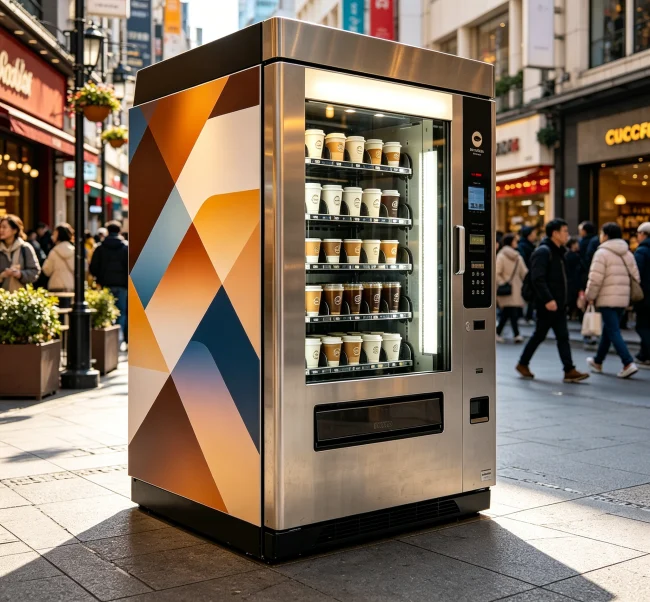
Beyond the basic type, a machine’s specifications determine its suitability for your location. Ignoring these details can lead to underperformance or unexpected costs.
Capacity and Output are fundamental. Assess the machine’s water tank size, bean hopper capacity (for bean-to-cup), and powder canisters. A machine in a 100-person office needs a much larger daily capacity than one in a small clinic. Also, check the brew speed—can it serve a morning rush without creating a long queue?
Payment Systems have evolved far beyond coin mechanisms. Modern machines integrate cashless options like credit/debit card readers, NFC for mobile payments, and even app-based loyalty programs. For B2B office settings, a machine might use a free-vend mode or an RFID card system for employees. The right payment system reduces friction and increases sales.
Connectivity and Management through IoT (Internet of Things) is a game-changer. Smart vending machines can send real-time alerts for low stock, technical errors, or required maintenance. This allows for proactive management, minimizes downtime, and provides valuable sales data analytics, transforming a simple appliance into a connected business asset.
💡 Pro Insight: Never overlook connectivity. An IoT-enabled machine provides sales data and remote diagnostics, preventing revenue loss from downtime and optimizing your restocking routes.
The Total Cost of Ownership: Beyond the Sticker Price
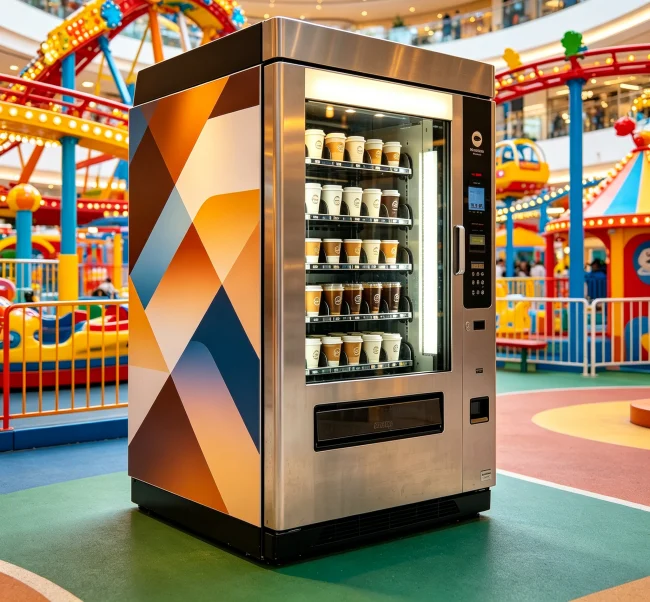
The purchase price is just the entry fee. A savvy buyer evaluates the Total Cost of Ownership (TCO), which includes several ongoing expenses that can dramatically impact profitability.
Consumables and Ingredient Cost is the largest recurring expense. For bean-to-cup machines, this includes high-quality coffee beans, milk (for fresh milk systems), and cleaning tablets. For instant machines, it’s bulk coffee powder, sugar, and cups. Sourcing these at competitive prices without sacrificing quality is crucial for maintaining healthy margins.
Maintenance and Service Contracts are non-negotiable for business continuity. Most reputable manufacturers or distributors offer annual service contracts. Understand what’s included: how many preventative maintenance visits per year, response time for breakdowns, and whether labor and parts are covered. A cheap machine with expensive, unreliable service becomes a liability.
Utilities and Location Costs include electricity and water consumption. Modern energy-efficient models can significantly reduce this overhead. Also factor in the cost of the space itself—whether it’s a lease fee paid to a location owner or the opportunity cost of using valuable retail floor space.
💡 Cost Check: Always calculate the 3-year TCO. A cheaper machine with high service and ingredient costs can be more expensive than a premium model with efficient operation and a solid warranty.
Navigating the Procurement Process: Purchase, Lease, or Rent?
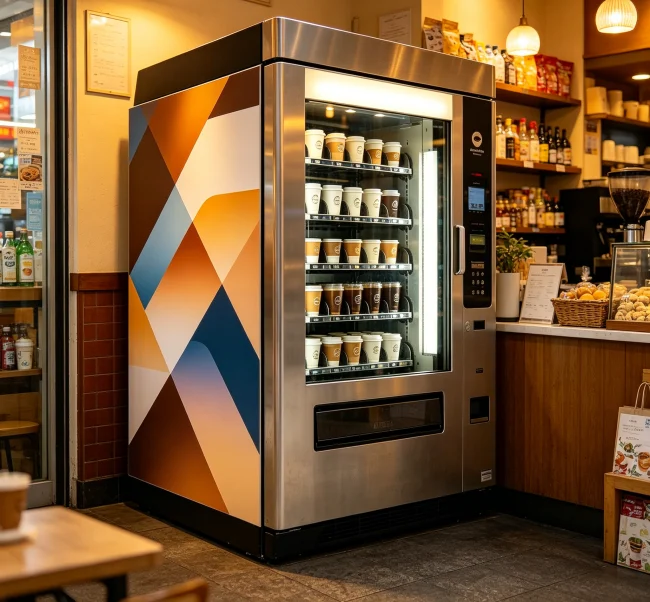
Acquiring a machine isn’t limited to an outright purchase. The best model depends on your cash flow, tax situation, and long-term strategy.
Outright Purchase makes sense if you have capital and plan to operate the machine long-term (5+ years). You own the asset outright, have full control, and avoid ongoing finance charges. This is common for established vending operators or businesses making a strategic facility investment.
Leasing or Financing preserves capital. You make monthly payments, often with a option to buy at the end of the term for a nominal fee. This can be attractive for startups or businesses that prefer to deduct payments as an operating expense. Ensure you understand the interest rate and total cost over the lease term.
Full-Service Rental is a popular turnkey solution, especially for offices. A provider supplies the machine, installs it, maintains it, and provides all the coffee and supplies for a fixed monthly fee. This removes all operational hassle but typically offers lower per-unit profit potential. It’s ideal for businesses that want a managed amenity without becoming vending operators.
How to Vet and Select a Reliable Supplier or Manufacturer
With thousands of suppliers online, identifying a trustworthy partner is critical. This is where platforms with rigorous vetting provide immense value, filtering out unreliable players. At VendingCore.com, we connect buyers with a curated network of over 500 pre-qualified manufacturers, each assessed for production capability and international compliance.
Verify Certifications and Compliance. For commercial equipment, look for CE (Europe), UKCA (UK), RoHS, and FDA-grade materials for food contact. These are not just stickers; they represent adherence to safety, hygiene, and electrical standards. We insist on these certifications from our partner factories to ensure products meet global market requirements.
Assess Manufacturing and Support Capability. Can the supplier provide OEM/ODM services for customization? Do they have in-house R&D for IoT features? Crucially, what is their after-sales support structure? A reliable supplier will have technical documentation, spare parts availability, and training resources. Our platform’s efficient inquiry system helps you quickly gauge this capability from multiple suppliers, shortening the due diligence process from weeks to days.
Request and Compare Samples. For a significant order, investing in a sample unit is wise. It allows you to test build quality, user interface, and coffee output firsthand. Be wary of suppliers who refuse or delay sample requests.
💡 Supplier Red Flag: Avoid suppliers who are vague about certifications or offer prices drastically below market average. This often indicates substandard components or a lack of proper compliance, risking your business.
Essential Logistics and Import Considerations
If you’re sourcing internationally—which is common to get the best factory-direct pricing—you must plan for logistics. A platform with global experience can be invaluable here, having facilitated successful transactions to over 50 countries.
Incoterms Clarification is the first step. Are you buying FOB (Free On Board), where you pay for main shipping and insurance, or CIF (Cost, Insurance, and Freight), where the supplier arranges it? Understand exactly what costs you are responsible for before the machine lands in your country.
Import Duties and Taxes vary by destination. Research your country’s Harmonized System (HS) code for vending machines and the applicable tariff rate. Factor this into your final landed cost. Some suppliers, especially those used to exporting, can provide general guidance.
Pre-Shipment Inspection (PSI) is a recommended step for large orders. An independent inspector verifies the quantity, quality, and function of the machines before they leave the factory, preventing costly disputes and delays upon arrival.
Calculating Your Potential Return on Investment (ROI)
Ultimately, this is a business investment. A basic ROI model helps justify the purchase and set pricing.
A simplified formula is: (Annual Revenue – Annual Costs) / Total Initial Investment.
For example, a $4,000 bean-to-cup machine in an office selling 30 cups per day at $1.50 could generate ~$11,000 annually. After ~$4,000 in annual costs (beans, service, etc.), the net profit is $7,000. The ROI in the first year would be substantial, even after initial investment. Using a platform like VendingCore.com can improve this equation by securing more favorable factory-direct pricing, thereby lowering the initial investment and improving your payback period.
💡 Final Step: Build your ROI model before buying. It will clarify your required cup price, daily volume, and maximum acceptable machine cost, making you a informed, confident buyer.
Making the right choice in coffee vending machines balances technical specs with commercial sense. By focusing on your specific use case, understanding the total costs, and partnering with verified, professional suppliers, you can transform this purchase into a profitable and reliable revenue stream or a valued amenity. For a streamlined search across a wide range of certified machines and direct manufacturer quotes, exploring a dedicated B2B platform is a strategic first step.