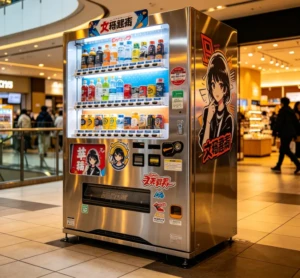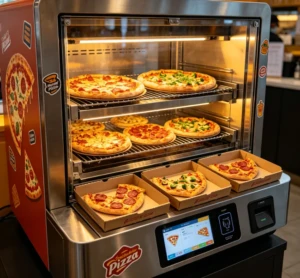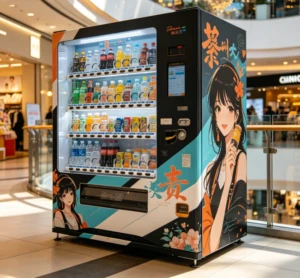
Japan has the most vending machines in the world, with roughly 4.1 million units scattered across the country. That’s one machine for about every 30 people. These machines aren’t just sitting in train stations and office buildings either. You’ll find them in the most unexpected places: remote mountain hiking trails, quiet residential streets, even at the base of active volcanoes.
Walk through any Japanese city, and you’re never more than a few minutes from a machine selling hot coffee in winter or cold tea in summer. They’re part of the culture now. The density is staggering. Tokyo alone packs over 400,000 machines into its urban sprawl. But here’s what most people don’t realize: Japan’s vending machine dominance isn’t just about numbers. It’s about what those machines actually do.
This isn’t a recent phenomenon either. Japan has held this title for decades, and the gap between them and second place (the United States) keeps widening. The US has around 1.5 million machines, and that’s for a population more than double the size of Japan’s.
Why Japan, Specifically?
The reasons go deeper than simple convenience. Japan’s vending machine culture exploded in the 1980s and 90s for a few key reasons. First, the country has incredibly low crime rates. Vandalism and theft are rare, so operators don’t worry much about machines getting smashed or robbed. That changes the economics completely. In many other countries, security and maintenance costs eat into profits. In Japan, those costs are minimal.
Second, Japan’s population is aging rapidly, and labor shortages are real. Vending machines fill the gap. They work 24/7, don’t take breaks, and don’t demand overtime pay. For businesses, that’s a no-brainer. And Japanese consumers? They’re used to it. The culture values efficiency and reliability. Waiting for a convenience store clerk when you just want a bottle of water? That feels inefficient. A vending machine solves that instantly.
Third, the technology here is different. Japanese vending machines aren’t basic snack dispensers. Many use touchscreens, accept multiple payment methods (including IC cards and mobile payments), and even display nutritional information. Some machines can talk to you. Others have built-in displays showing weather forecasts or news. It’s a completely different experience from what you’d find in most other countries.
What’s Actually Inside These Machines?
You’d expect drinks and snacks. And sure, you’ll find plenty of those. But Japan’s vending machines go way beyond that. Let’s break it down.
| Product Category | Examples | Where You’ll Find Them |
|---|---|---|
| Hot & Cold Drinks | Hot coffee, cold tea, soda, water | Everywhere: streets, stations, parks |
| Food Items | Instant ramen, rice balls, sandwiches | Office buildings, hospitals, universities |
| Fresh Produce | Bananas, eggs, vegetables | Rural areas, farms, local markets |
| Electronics | Phone chargers, batteries, headphones | Airports, train stations, convenience stores |
| Personal Items | Umbrellas, tissues, masks | City centers, event venues |
| Unique Items | Ice cream, hot meals, sake | Tourist spots, entertainment districts |
💡 Practical Takeaway: If you’re starting a vending machine business, focus on high-demand products in high-traffic locations. Don’t try to copy Japan’s variety unless you have the local market demand to support it.
The Numbers Game: How Other Countries Stack Up
So Japan is the clear winner. But where does everyone else land? Here’s the reality check. After Japan’s 4.1 million machines, the United States comes in at roughly 1.5 million. That sounds like a lot, but remember: the US is massive. You’re not going to find a vending machine on every street corner like in Tokyo.
China has been catching up fast, especially with smart vending machines in major cities. Current estimates put them around 1 million units, and that number is climbing. South Korea and several European countries (Germany, the UK, France) each have between 300,000 and 500,000 machines.
But here’s the thing: raw numbers don’t tell the whole story. Vending machine density per capita is a better metric. And on that front, Japan still dominates. It’s not even close.
💡 Critical Insight: Don’t assume more machines equal more profit. Japan’s success comes from high transaction volume and low operating costs. In other markets, you need to carefully analyze location profitability before investing in hardware.
The Future of Vending Machines in 2026
The vending machine industry is changing fast. Smart machines with IoT connectivity, cashless payment systems, and real-time inventory tracking are becoming standard. Japan is already there. But other markets are catching up.
In 2026, we’re seeing more touchless interfaces, AI-powered product recommendations, and machines that adjust pricing based on demand. Think surge pricing, but for a can of soda. It sounds wild, but it’s happening.
For operators, the biggest shift is data. Modern machines collect massive amounts of information: what sells best at what time, which products get ignored, even weather-related buying patterns. That data is gold. It lets you optimize inventory, reduce waste, and boost profits.
If you’re thinking about getting into the vending machine business, now is actually a great time. The technology is more accessible than ever, and the barriers to entry are lower. Companies like VendingCore offer modern machines that integrate seamlessly with digital payment systems and inventory management tools. The old days of collecting quarters and guessing what to stock are over.
💡 Actionable Advice: When choosing vending machine equipment, prioritize models with built-in telemetry and cashless payment support. These features will future-proof your business and give you a competitive edge.
Is the Vending Machine Business Still Profitable?
Short answer: yes, if you do it right. The profitability of vending machines depends heavily on location, product selection, and operational efficiency. But here’s the good news: margins are solid if you’re smart about it.
A well-placed machine can generate $300 to $800 per month in revenue. After costs (product, maintenance, location fees), net profit typically lands between 20% and 40%. That’s not bad for a business that runs itself most of the time.
The key mistakes beginners make? Overpaying for machines, choosing bad locations, and stocking the wrong products. Avoid those three pitfalls, and you’ve got a solid shot at success. For a deeper dive, check out this realistic breakdown of vending machine profitability.
💡 Key Reminder: Location is everything. A mediocre machine in a great location outperforms a great machine in a mediocre location every single time. Spend more time researching locations than researching machines.
What You Can Learn from Japan’s Success
Look, you don’t need to replicate Japan’s entire system. But there are lessons worth stealing. First, reliability matters. Japanese machines rarely break down. When they do, they get fixed fast. That builds trust. Second, variety drives repeat purchases. If you only sell soda and chips, people get bored. Mix it up. Third, embrace technology. Cashless payments aren’t optional anymore. They’re expected.
If you’re serious about starting a vending machine business, take a page from Japan’s playbook. Focus on quality equipment, strategic placement, and data-driven inventory management. And don’t be afraid to start small. One profitable machine is better than ten that barely break even.
For more insights on what actually works in 2026, check out this guide to building a vending machine business from scratch.