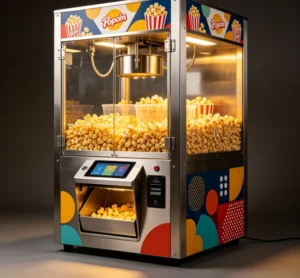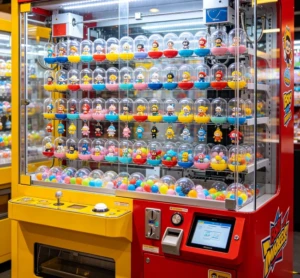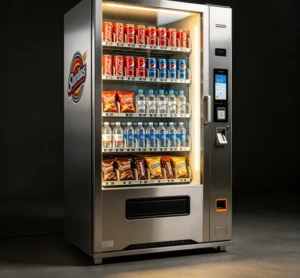
The vending machine business pros and cons are clear: roughly 35% of new operators quit within the first year, but those who stick with it and do their homework can see profit margins between 15% and 70% depending on what they sell and where they place their machines. It’s a business model that sounds simple — buy a machine, fill it with snacks, and watch the cash roll in — but the reality is a whole lot messier, and way more nuanced, than that.
I’ve spent years in this industry, watching people succeed and fail. And honestly? The failures usually come from the same place: unrealistic expectations. People think it’s passive income. It’s not. At least not at first. Let me break down what you’re actually getting into.
The Upside: Why People Jump Into Vending
Let’s start with the good stuff, because there’s plenty of it.
Low barrier to entry. You can start a vending machine business for a few thousand dollars. Compare that to opening a restaurant or a retail store. It’s night and day. You don’t need employees, you don’t need a storefront, and you don’t need inventory that spoils in three days (unless you’re selling fresh food, which is a whole different beast).
Flexibility is huge. Work when you want. Seriously. If you’ve got three machines in a busy office building, you might spend two hours a week restocking and collecting cash. That’s it. The rest of your time is yours. For people with full-time jobs looking for a side hustle, this is a game-changer.
Scalability is real. Once you’ve got one machine running smoothly, you can replicate that model. Two machines become four. Four become ten. Before you know it, you’re managing a small route that generates real income. The beauty is that the operational complexity doesn’t scale linearly — adding a tenth machine is way easier than setting up the first one.
Cash flow is immediate. No waiting 30, 60, or 90 days for payment like in most businesses. People put money in, you get money out. That kind of instant feedback loop is incredibly satisfying for new entrepreneurs.
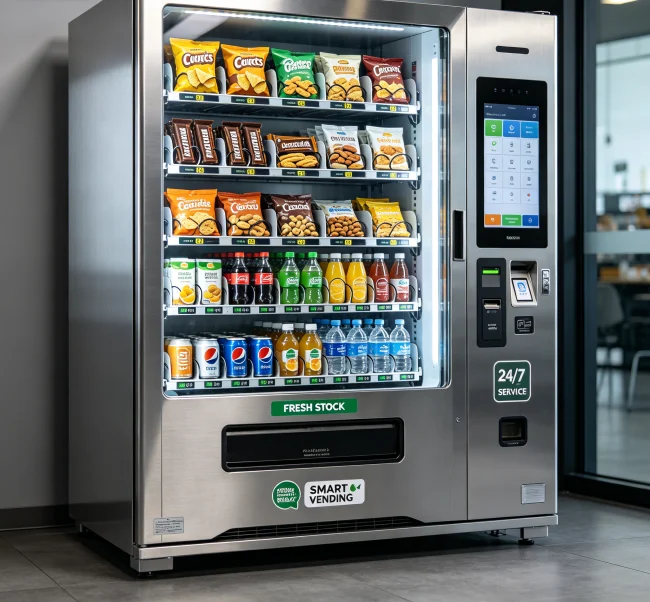
**Technology has changed everything.** Modern machines with telemetry, cashless payments, and remote monitoring have eliminated a lot of the old headaches. You can see exactly what’s selling, when you need to restock, and if there’s a problem — all from your phone. If you’re looking at starting a vending machine business in 2026, you’re entering at a time when the tools are better than ever.
💡 Key Tip: Don’t buy the cheapest machine you can find. A $2,000 machine that breaks down every month will cost you more than a $5,000 machine that runs for years without issues. Invest in quality upfront.
The Downside: Where People Get Burned
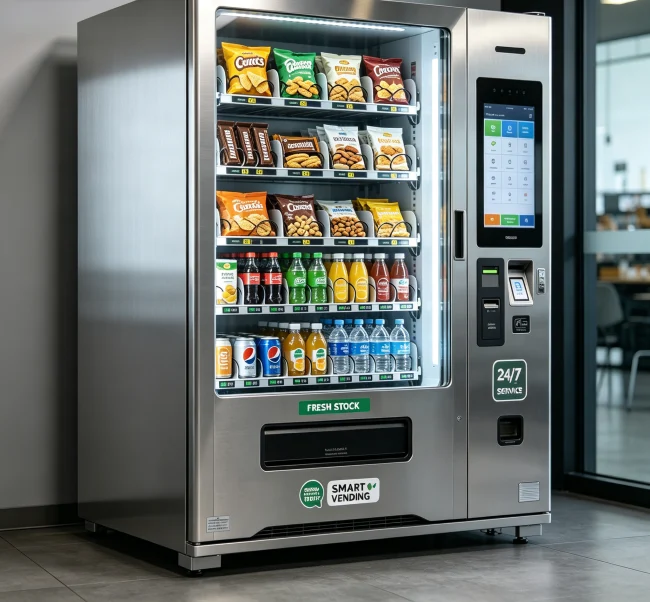
Now for the stuff nobody talks about in those flashy YouTube videos.
Location is everything — and it’s brutal. Finding a good spot is the hardest part of this business. You can have the best machine, the best products, the best pricing — but if it’s in a dead zone, you’re dead. And good locations are fiercely competitive. Landlords know what their foot traffic is worth. You’ll need to negotiate, sometimes offer commissions, and always be ready to walk away if the deal doesn’t make sense.
Maintenance is a headache. Machines break. Bill validators jam. Coin mechanisms fail. Refrigeration units die. And it always happens at the worst possible time. If you’re not handy, you’ll be paying a technician $100+ an hour. If you are handy, you’ll still spend hours troubleshooting. This is where a lot of people quit — they underestimate the maintenance burden.
Theft and vandalism happen. It’s not common, but it happens. Machines get broken into. Products get stolen. People try to scam the system. In some locations, you’ll deal with this regularly. In others, never. But you need to be prepared for it, both financially and emotionally.
Cash is still a thing. Even with all the cashless payment options, some people still use cash. That means you’re handling coins and bills, making trips to the bank, and dealing with the occasional counterfeit. It’s not a huge deal, but it’s a real operational cost.
Inventory management is trickier than you’d think. You can’t just throw in random products and hope for the best. You need to track what sells, what doesn’t, and adjust constantly. Seasonal changes, local preferences, competitor activity — all of it affects your product mix. Get it wrong, and you’re throwing money away on stale inventory.
💡 Important Point: Start with a niche. Instead of a generic snack machine, try something specific — healthy snacks, office supplies, phone accessories. Niche machines often have less competition and higher margins because you’re solving a specific problem for a specific audience.
The Real Numbers: What You Can Actually Expect
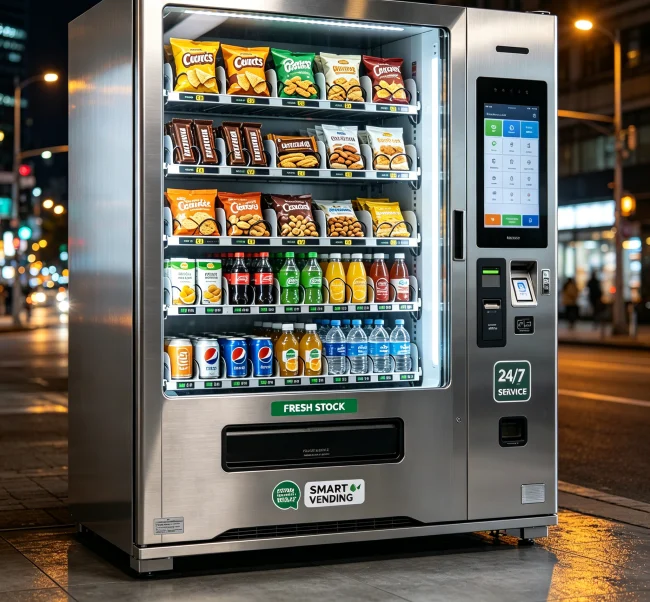
Let’s talk money, because that’s what you’re really here for.
A single machine in a decent location can gross anywhere from $200 to $1,000 per month. After product costs (typically 40-50% of revenue), location commission (5-15%), and maintenance/supplies, your net profit might be $100 to $500 per machine per month. That’s not bad, but it’s not “get rich quick” money either.
To make a meaningful income, you need multiple machines. Most successful operators have 10-20 machines generating $3,000-$10,000 per month in profit. But getting to that scale takes time, money, and operational discipline.
The most profitable items? Drinks typically have lower margins but higher volume. Snacks have better margins but lower turnover. What is the most profitable item for vending machines depends on your location, but generally, items with a high perceived value and low cost (like candy or single-serve coffee) perform best.
Making the Decision: Should You Do It?
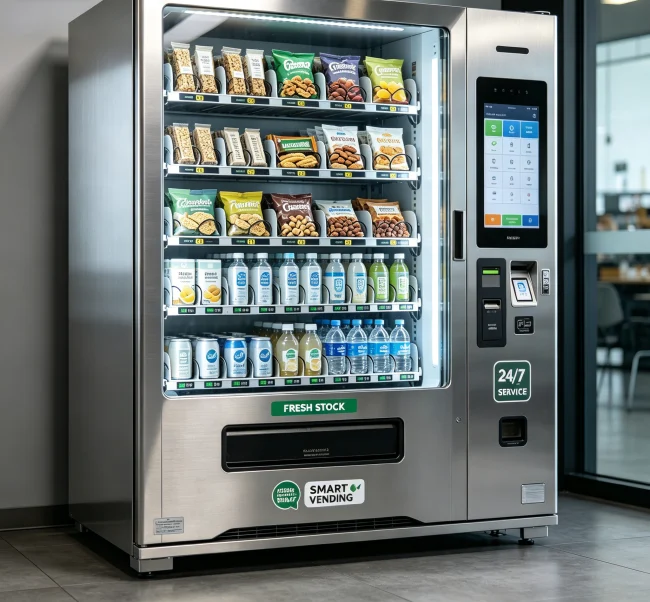
Here’s the honest truth. If you’re looking for a completely passive, hands-off income stream, vending machines probably aren’t for you. The setup phase alone requires significant effort — finding locations, negotiating contracts, buying and installing machines, stocking inventory.
But if you’re willing to put in the work upfront, and you’re okay with a business that requires regular attention (even if it’s just a few hours a week), vending machines can be incredibly rewarding. They’re a great way to learn business fundamentals — cash flow management, customer behavior, negotiation, logistics — without a huge financial risk.
The people who succeed in this business are the ones who treat it like a real business, not a lottery ticket. They track their numbers obsessively. They build relationships with location owners. They stay on top of maintenance. And they’re always looking for ways to improve.
💡 Practical Advice: Before buying a machine, spend a month observing potential locations. Count foot traffic. Talk to business owners. See what vending machines are already there and how busy they are. This research will save you thousands of dollars and countless headaches.
The Future of Vending in 2026 and Beyond
The industry is changing fast. Cashless payments are now standard. Smart machines with touchscreens and data analytics are becoming affordable. There’s growing demand for healthier options, specialty products, and even fresh food vending.
If you’re thinking about getting in, now is actually a great time. The technology has matured to the point where you can run a modern, efficient operation without being a tech expert. And the market is still fragmented enough that there’s room for new operators who do things right.
Just don’t expect it to be easy. It’s not. But for the right person, with the right approach, it can be a solid business that generates real income and real freedom.
💡 Critical Info: If you’re serious about starting, partner with an experienced supplier who can guide you through the process. Companies like VendingCore offer not just equipment but also the expertise to help you avoid common pitfalls and set up for success from day one.