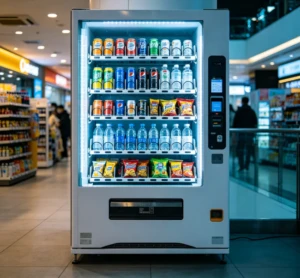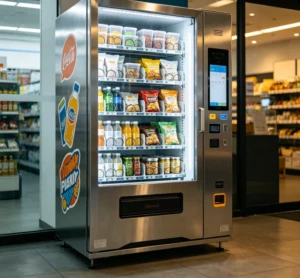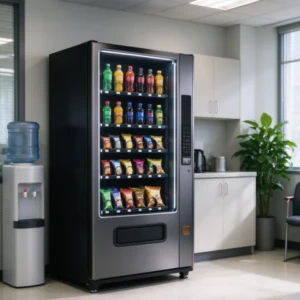
How much do vending machines make per month? The average single machine pulls in between $75 and $400 in monthly profit, with top-performing locations hitting $1,000 or more. You’ll typically see snack and drink combos in office break rooms, school hallways, or hospital lobbies, while specialized machines (like those selling fresh food or electronics) sit in airports, gyms, and transit hubs. The real game-changer? Smart inventory tracking and cashless payment systems from providers like VendingCore can boost those numbers by 20-30% right out of the gate.
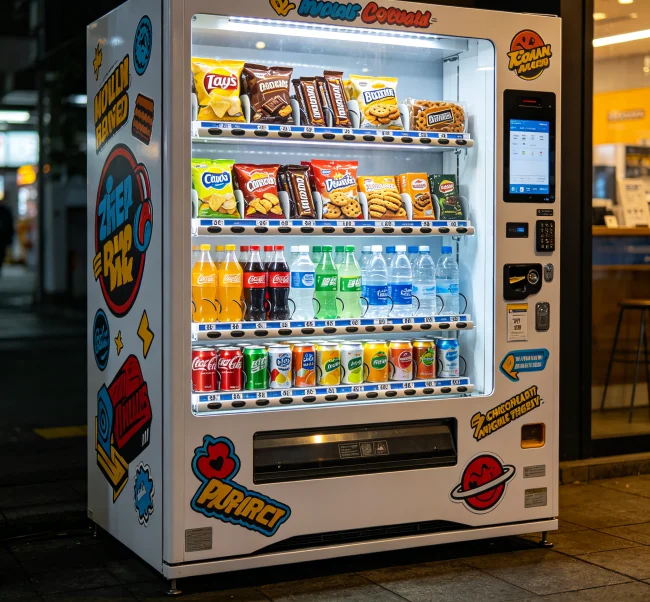
What Actually Drives Monthly Revenue?
Here’s the thing — not all vending machines are created equal. A machine in a sleepy laundromat might generate $100 a month, while the same model in a busy manufacturing plant could do $800. The difference comes down to three things: foot traffic, product mix, and location quality.
Think about it. A snack machine in a high school hallway gets hit multiple times per day. Students buy chips, candy, and drinks between classes. That’s consistent, predictable revenue. Compare that to a soda machine in a small office with 20 employees — you might restock it once a week and barely break $150 monthly.
Location isn’t just important. It’s everything.
Let’s break down what different locations typically produce:
| Location Type | Avg Monthly Profit | Key Factor |
|---|---|---|
| Office Break Room | $200 – $500 | Consistent daily traffic |
| School/University | $300 – $800 | High frequency, seasonal dips |
| Hospital | $250 – $600 | 24/7 traffic, staff + visitors |
| Manufacturing Plant | $500 – $1,200 | Captive audience, long shifts |
| Hotel Lobby | $150 – $400 | Tourist-dependent |
The Profit Margin Reality Check
So you’re thinking about the numbers. But gross revenue isn’t the same as what goes in your pocket.
A typical snack machine has margins around 25-35%. Drinks? Closer to 15-25% for sodas, but energy drinks can push 40-50%. The trick is balancing high-margin items with high-volume sellers.
Let me give you a real example. Say your machine does $600 in monthly sales. After product costs (roughly $350), you’re looking at $250 gross profit. Then subtract credit card processing fees (2-3%), restocking time (pay yourself or hire someone), and occasional machine maintenance. You’re probably netting $150-200 per machine per month.
That doesn’t sound huge. But here’s where it gets interesting — scale.
💡 Key Takeaway: Don’t obsess over one machine’s numbers. Focus on building a route of 10-20 machines in solid locations. The real money comes from volume and efficient restocking routes.
How Product Selection Changes Everything
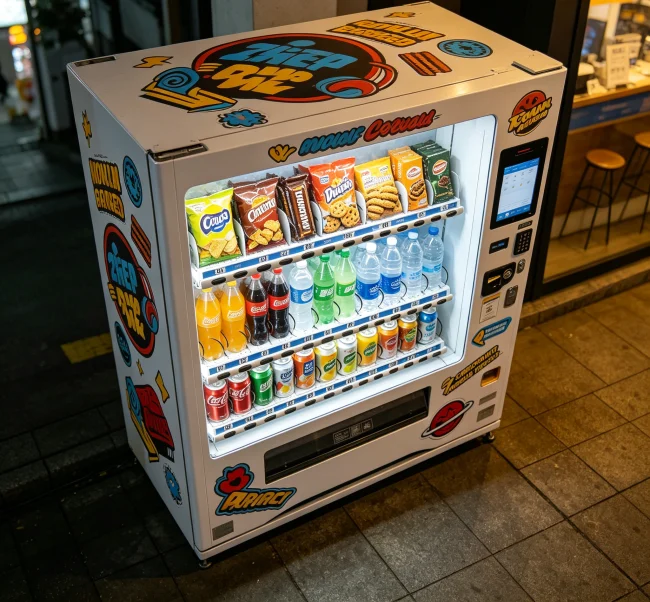
You can put the same machine in two identical locations and see wildly different results. Why? Product selection.
Here’s what I’ve seen work consistently:
The mistake most new operators make? They stock what they like, not what sells. You need to track your data. Which items are sitting for weeks? Which ones sell out in two days? Adjust accordingly.
Some operators see a 40% revenue jump just by swapping out underperforming products. That’s not an exaggeration. One of our clients at VendingCore replaced their entire candy section with protein bars and trail mix — their monthly profit went from $280 to $410 in a high-traffic gym.
The Hidden Costs That Eat Into Your Profit
Nobody talks about these enough. But they matter.
First, machine maintenance. A good machine might need service once a year. A cheap one? Every few months. That $200 repair bill eats your profit fast.
Second, location commission. Some property owners ask for 10-20% of your sales. Others want a flat monthly fee. Negotiate this upfront.
Third, inventory waste. Expired products, damaged goods, seasonal slowdowns. Budget for 5-10% loss.
Fourth, payment processing. Cashless readers are essential now — most people don’t carry cash. But those fees add up. Look for processors with flat-rate pricing under 3%.
💡 Practical Advice: Before signing any location agreement, calculate your break-even number. If you’re paying 15% commission and the machine only does $300/month, you’re left with $255 before product costs. That’s tight. Know your numbers first.
Scaling From One Machine to a Route
Look, running one machine is a side hustle. Running 20 machines is a business.
The math works like this: If each machine nets you $200/month, ten machines give you $2,000 monthly. That’s $24,000 per year. Not bad for part-time work. But with 30 machines averaging $300 each? You’re at $9,000 monthly — that’s real income.
The key to scaling is efficiency. You want machines close together geographically. Driving 45 minutes to restock one machine kills your time and gas budget. Cluster your machines in a 10-mile radius.
Also, consider using a route management software. It tracks inventory, sales trends, and restock alerts. You’ll know exactly when to visit each location.
If you’re interested in seeing how this plays out at scale, check out our detailed breakdown on how many vending machines you need to make 100k. The answer might surprise you.
Seasonal Fluctuations You Should Plan For
Vending isn’t consistent year-round. Schools close for summer. Offices empty out during holidays. Manufacturing plants might slow down in December.
Here’s what to expect:
Smart operators stock up on seasonal items. Cold drinks in summer, hot chocolate and soups in winter. Adapt your product mix to the season.
💡 Critical Info: Don’t panic during slow months. Use that time to find new locations, negotiate better deals, and maintain your equipment. The busy months will more than make up for it if you’re prepared.
What About Specialized Machines?
You’ve probably seen those fancy machines selling fresh food, electronics, or even vape products. Do they make more?
Short answer: sometimes. Fresh food machines (salads, sandwiches, wraps) can do $600-1,000 monthly in the right spot — think office buildings with no cafeteria. But spoilage is a real issue. You need daily or every-other-day restocking.
Electronics vending machines (headphones, chargers, phone accessories) have insane margins — 50-70%. But they’re location-specific. Airports and transit hubs work. Strip malls? Not so much.
Bulk candy machines (those gumball and toy capsule ones) are lower maintenance but also lower revenue. Maybe $50-150 per month each. Good for passive income if you have dozens of them.
For a deeper dive into the best options, read our guide on the most profitable vending machines in 2026. It breaks down each type with real data.
The Bottom Line on Monthly Earnings
So how much do vending machines make per month? Realistically, $75-400 per machine after all expenses. But with smart location selection, product optimization, and scaling to multiple machines, that number climbs fast.
Don’t expect to get rich with one machine. But build a route of 15-20 solid performers, and you’re looking at $3,000-6,000 monthly passive income. That’s a second salary.
The best time to start was yesterday. The second best time is today. Get out there, find a location, and start tracking your numbers.