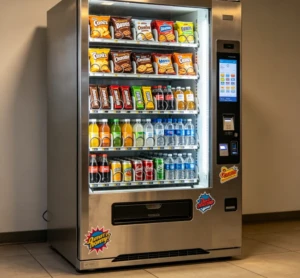
Can a vending machine make money in Singapore? Yes, but the average return on investment (ROI) takes 18 to 24 months, with monthly net profits typically ranging from SGD 200 to SGD 800 per machine depending on location and product selection. Think of it less as a “set it and forget it” passive income stream and more like running a mini retail outlet that needs constant attention to product mix, pricing, and machine maintenance.
The Real Numbers: What You’re Looking At
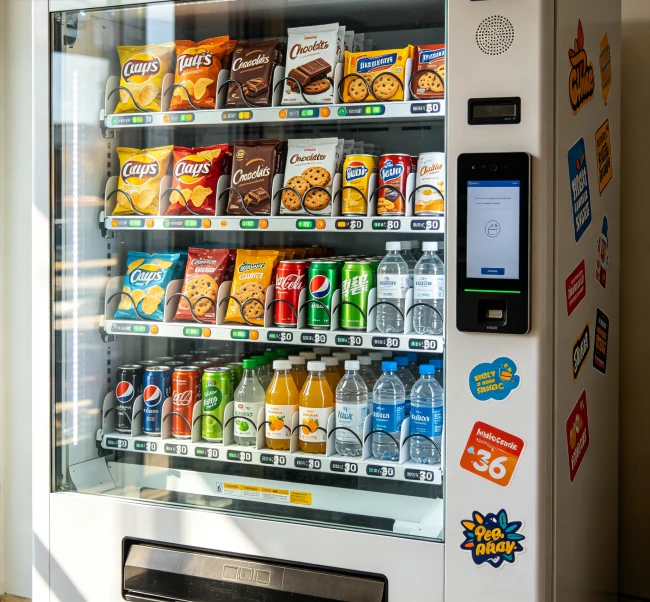
Let’s cut through the fluff and talk actual money. A brand new smart vending machine in Singapore will set you back anywhere from SGD 5,000 to SGD 15,000. Then you’ve got inventory costs (around SGD 500 to SGD 1,500 to stock it initially), permit fees, and rental deposits for your machine’s spot. So we’re looking at a total startup cost of roughly SGD 8,000 to SGD 20,000 per machine.
On the revenue side, high-traffic locations like MRT stations, hospitals, or gyms can generate SGD 1,500 to SGD 3,000 in monthly sales. But here’s the kicker — your profit margin after product costs (usually 30-50%), rental fees (10-30% of sales), and maintenance costs typically lands around 20-35% of gross revenue. So that SGD 2,000 in sales might net you SGD 400 to SGD 700 in pure profit.
💡 Key Tip: Don’t just look at revenue — focus on net profit after all expenses. Many operators fail because they only count the cash coming in, not the costs eating it.
The math works, but it’s not automatic. You need to be strategic about every single decision.
Location Is Everything — And I Mean Everything
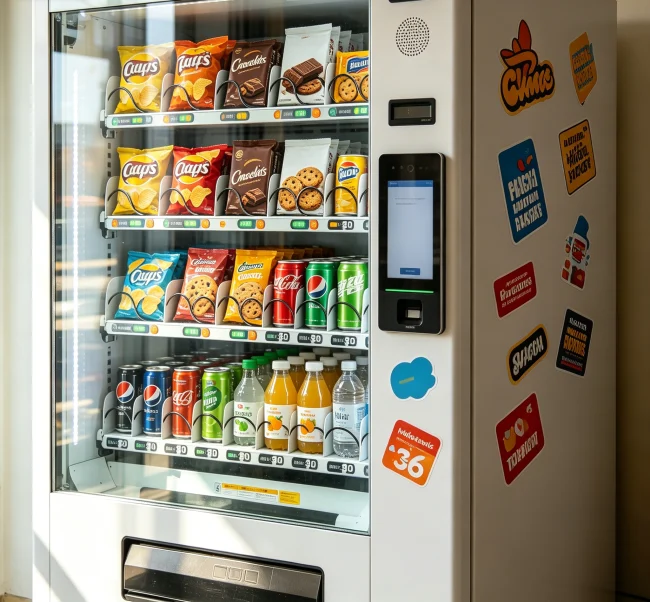
You’ve heard this before, but let me hammer it home with specifics. A vending machine in a quiet industrial estate might do SGD 500 in monthly sales, while the exact same machine in a polyclinic waiting area could do SGD 3,000. The difference? Foot traffic and dwell time.
Here’s what actually works in Singapore:
But here’s the problem — good locations are hard to get. Building management often requires a revenue share agreement (20-30% of sales), and competition for prime spots is fierce. Some operators even pay a flat monthly rental of SGD 200 to SGD 500 for premium locations.
The Hidden Costs Nobody Talks About
Everyone loves to talk about profits. Nobody wants to discuss the ugly stuff.
First, machine breakdowns. Your vending machine is a piece of electronics exposed to heat, humidity, and constant use. Card readers fail. Coin mechanisms jam. Refrigeration units die. Each service call can cost SGD 80 to SGD 150, and if you’re not doing your own repairs, you’re bleeding money.
Second, theft and vandalism. Yes, in Singapore. It happens. Machines get tampered with, products get stolen, and sometimes people just kick the machine out of frustration when their snack gets stuck.
Third, inventory spoilage. If you’re selling fresh food or drinks with expiry dates, you’ll write off 5-15% of inventory as unsold. That’s pure loss.
💡 Critical Info: Budget at least 10-15% of your gross revenue for maintenance, repairs, and spoilage. If you don’t plan for these costs, your “profit” will disappear fast.
Which Products Actually Sell Best in Singapore?
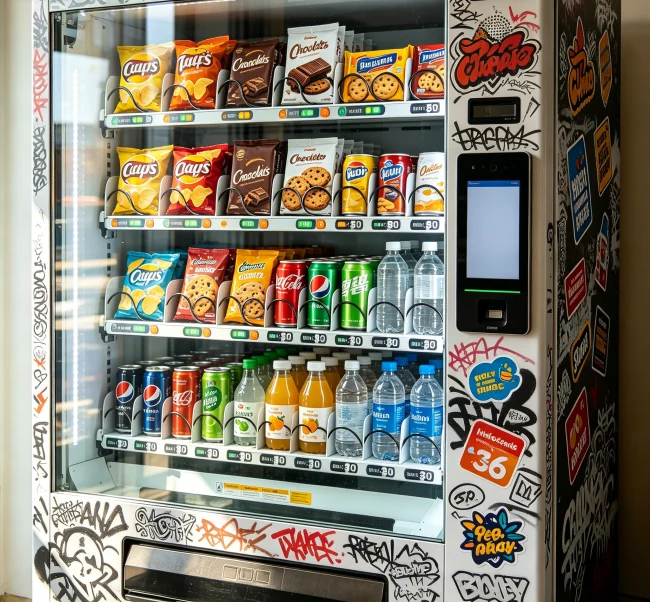
This isn’t a guessing game. Data tells us what works. Based on market trends and operator reports, here’s what moves:
Top performers:
Surprising flops:
The key is to monitor your sales data weekly. If something isn’t selling within two weeks, swap it out. Don’t be sentimental about your product choices — let the data guide you.
How Many Machines Do You Need to Make This Worthwhile?
One machine can earn you SGD 300-700 a month. That’s nice pocket money, but it’s not a business. To make real money — say SGD 5,000 a month in profit — you’d need roughly 10-15 well-placed machines.
But here’s the thing — scaling up means more complexity. More locations to manage, more inventory to track, more machines to maintain. You’ll eventually need a helper or a part-time employee to handle restocking and repairs.
The sweet spot for most part-time operators? 3-5 machines. That’s manageable alongside a day job and can generate SGD 1,500-3,500 in monthly passive-ish income.
💡 Practical Advice: Start with one machine in a proven location. Learn the operational ropes for 6 months. Then scale. Don’t buy 5 machines at once and hope for the best — that’s how people lose money.
The Licensing Nightmare (and How to Navigate It)
Singapore’s regulatory environment isn’t as straightforward as some guides make it seem. Here’s what you actually need:
The paperwork isn’t impossible, but it takes time. Budget 2-3 months for licensing before your first machine goes live.
What About Smart Vending Machines?
Traditional machines with coin slots are becoming obsolete. Smart machines with cashless payment (PayNow, credit cards, NETS) and remote monitoring are now the standard. They cost more upfront (SGD 8,000-15,000 vs SGD 3,000-5,000 for basic models), but they save you money in the long run.
Why? Remote monitoring lets you see real-time inventory levels, sales data, and machine status from your phone. You don’t need to drive to a location just to check if it’s empty. That’s huge for efficiency.
Plus, cashless payments increase sales by 20-40% because people don’t need exact change. In Singapore where everyone uses their phone to pay, this is non-negotiable.
The Verdict: Is It Worth It?
Honestly? It depends on your goals.
If you want a side hustle that generates SGD 500-1,000 a month with 5-10 hours of work weekly, yes — vending machines can work in Singapore. The market isn’t saturated, especially in niche locations like industrial areas, sports complexes, and educational institutions.
If you want to quit your job and make SGD 10,000 a month from vending machines? That’s much harder. You’d need 30-50 machines, a warehouse for inventory, and probably a part-time employee. The margins are thin enough that scaling comes with real challenges.
For most people starting out, the best approach is to test one machine in the best location you can secure. Track everything. Learn the business. Then decide if you want to scale.
If you’re interested in exploring this further, companies like VendingCore offer comprehensive solutions for vending machine operations in Singapore, from equipment procurement to operational support. They can help you navigate the initial setup and ongoing management.
💡 Key Takeaway: Vending machines can absolutely make money in Singapore, but treat it like a real business — not passive income. Location, product selection, and maintenance are the three pillars. Master those, and you’ll be profitable.