Do cigarette vending machines still exist? Yes, they do, but their numbers have dropped by over 90% in most Western countries since the 1990s, with fewer than 15,000 machines still operating in the entire United States as of 2026. You’ll primarily find them in a handful of specific settings like high-end casinos, military bases, and private clubs in Germany and Japan, where local laws carve out exceptions. For most people, though, spotting one feels like stumbling onto a piece of history—it’s rare, and it usually triggers a wave of nostalgia.
Why Did They Pretty Much Disappear?
The short answer is a perfect storm of public health crackdowns and changing social norms. Back in the 1950s and 60s, cigarette machines were everywhere—hotels, restaurants, bowling alleys, even some office break rooms. You’d drop in a quarter, pull a knob, and walk away with a pack. No ID check, no questions asked. That’s exactly why they became a target.
Governments started realizing these machines were a direct pipeline for minors to buy cigarettes. The US Surgeon General’s reports in the 1980s tied smoking to serious health issues, and suddenly, unrestricted access didn’t fly anymore. The 1992 Synar Amendment in the US forced states to enforce age restrictions, but the real killer blow came with the 2009 Family Smoking Prevention and Tobacco Control Act, which effectively banned most machines unless they were in adult-only facilities. Similar laws swept through the UK, Canada, and Australia. It wasn’t just about kids, either—the machines themselves became a symbol of an unregulated past that society wanted to leave behind.
Where on Earth Can You Still Find One?
So, you’re not imagining things if you haven’t seen one in years. But they’re not completely extinct. Here’s where they’ve managed to survive:
💡 Key Tip: If you’re traveling and hoping to spot one, Germany and Japan are your best bets. Just remember—you’ll need a valid ID or a local age-verification card to use them.
The Tech That Keeps Them Alive (Barely)
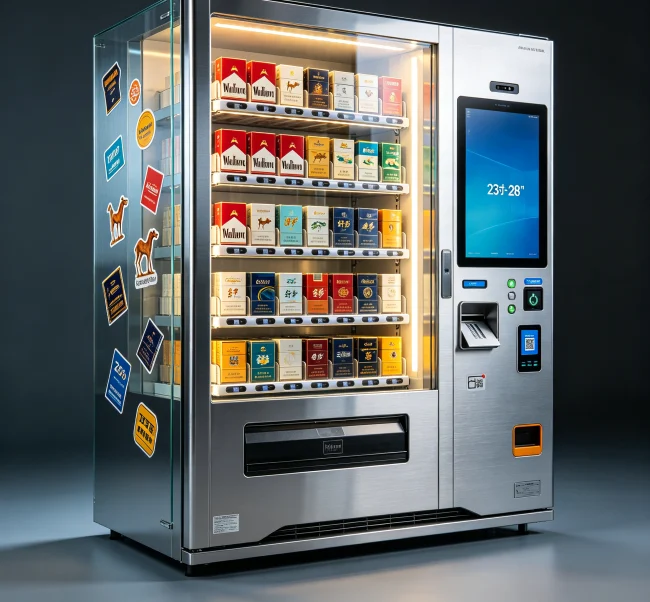
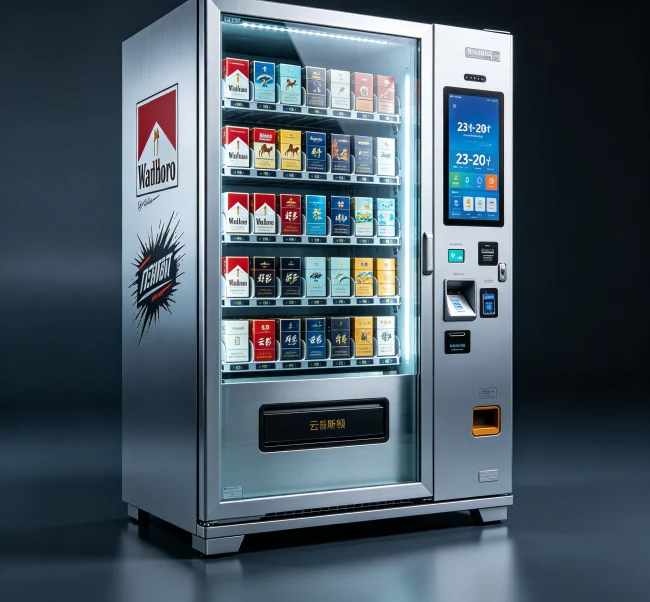
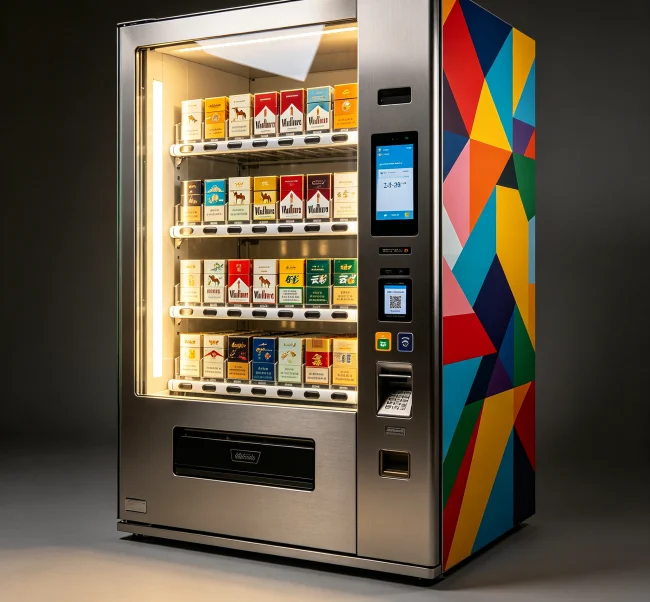
Modern cigarette vending machines aren’t your grandpa’s clunky metal boxes. They’ve evolved. The ones that survive today are typically equipped with sophisticated age verification systems. We’re talking about machines that can scan a driver’s license, check a government-issued ID, or even use biometric data. Some German machines connect to a central database to verify age in real time.
This tech is expensive, though. Retrofitting an old machine with a modern ID scanner and secure payment system can cost thousands of dollars per unit. For most bar owners or restaurant managers, it just doesn’t make financial sense anymore—especially when cigarette sales are declining year over year. Why invest $3,000 in a machine that might sell a few packs a week when you can just sell them from behind the counter?
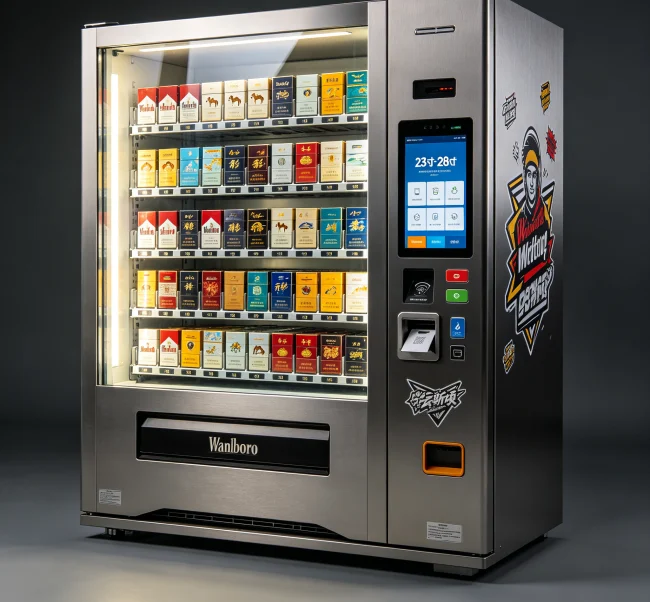
Japan’s Taspo system is a fascinating case. Introduced in 2008, it’s a smart card you apply for that proves your age. The machines won’t even let you select a product without tapping the card first. It’s a workaround that’s kept tens of thousands of machines running in a country with strict public health policies. But even there, the number of machines has been shrinking slowly.
The Legal Maze: A Quick Country-by-Country Look
The legal status varies wildly depending on where you are. Here’s a snapshot of what the landscape looks like in 2026:
| Country | Status | Key Restriction |
|---|---|---|
| United States | Severely Restricted | Only in adult-only facilities (21+). Most states require direct employee supervision. |
| United Kingdom | Effectively Banned | Banned in 2011 except for a few private members’ clubs and military bases. |
| Germany | Common | Allowed with mandatory ID verification. Over 400,000 machines still in operation. |
| Japan | Common | Requires Taspo smart card for age verification. |
| Australia | Banned | Completely banned nationwide since the early 2000s. |
| Canada | Banned | Provincial bans have effectively eliminated them since the 1990s. |
💡 Practical Advice: Before traveling, check the local tobacco vending laws. In Germany, you’ll need a passport or EU ID. In Japan, you must apply for a Taspo card, which can take weeks.
The Nostalgia Factor: Why We Still Talk About Them
Here’s the thing—even if the machines are nearly gone, the cultural memory is alive and well. Reddit threads about cigarette machines regularly get thousands of upvotes. People share stories about sneaking a smoke as a teenager, the satisfying clunk of the machine, or the strange metallic smell inside the glass case. It’s a shared experience for generations who grew up before the crackdown.
This nostalgia is real, and it’s part of why the question “Do cigarette vending machines still exist?” pops up so often. It’s not just a factual query—it’s a conversation starter. People want to confirm that their memories aren’t made up. They want to hear that yes, those machines were real, and yes, some of them are still out there, clinging to existence in a world that’s largely moved on.
What About Other Types of Vending Machines?
While cigarette machines have faded, the vending industry as a whole is booming. Modern vending machines are smarter, more versatile, and less controversial. You’ve got machines selling everything from hot pizza to electronics to luxury handbags. The technology that kept cigarette machines alive—like sophisticated payment systems and age verification—has actually helped the entire industry innovate.
Companies like VendingCore have been at the forefront of this evolution, offering advanced vending solutions that go far beyond traditional tobacco products. If you’re interested in how modern vending technology works—whether for snacks, beverages, or specialized products—it’s worth exploring what’s available. The industry has come a long way from those old metal boxes.
💡 Critical Info: Don’t confuse the decline of cigarette machines with a decline in vending overall. The vending industry is healthier than ever—just focused on different products and smarter tech.
The Future: Will They Ever Come Back?
Honestly? Probably not in a big way. The trend is clear—governments are tightening restrictions, not loosening them. Tobacco use is declining globally, and the machines are a relic of a less health-conscious era. Even in Germany, where they’re most common, the number has been slowly dropping. Some cities have started pushing for local bans.
That said, there might be a niche future for them. If age verification tech becomes seamless and cheap—think facial recognition or biometric scanning—some countries might reconsider limited allowances. But for now, the answer to “Do cigarette vending machines still exist?” is “Yes, but barely, and only in specific places.”