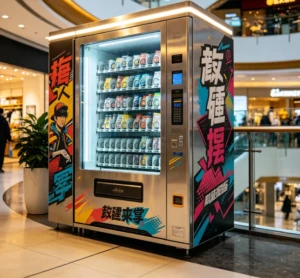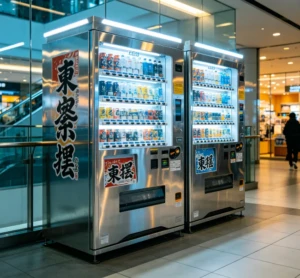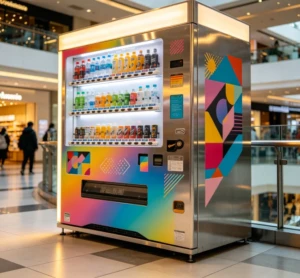
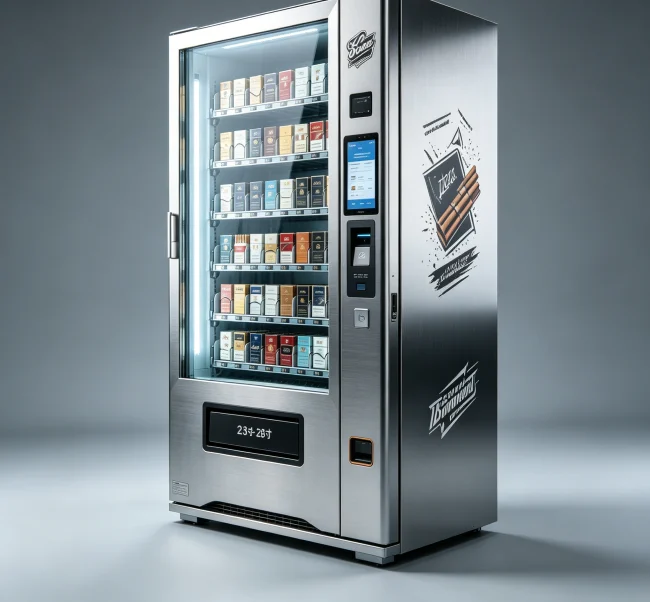
Tobacco vending machines work through a complex blend of mechanical hardware and strict digital age-verification systems, with over 60% of modern machines in regulated markets now requiring a government-issued ID scan or a connected payment card to complete a single purchase. These aren’t your grandpa’s old cigarette machines from the 1950s. Today, the process involves you picking a product, authenticating your age (often via a driver’s license swipe or a credit card that proves you’re over 21), and then the machine’s internal delivery mechanism—usually a spiral coil or a conveyor belt—drops your pack into a locked bin for retrieval.
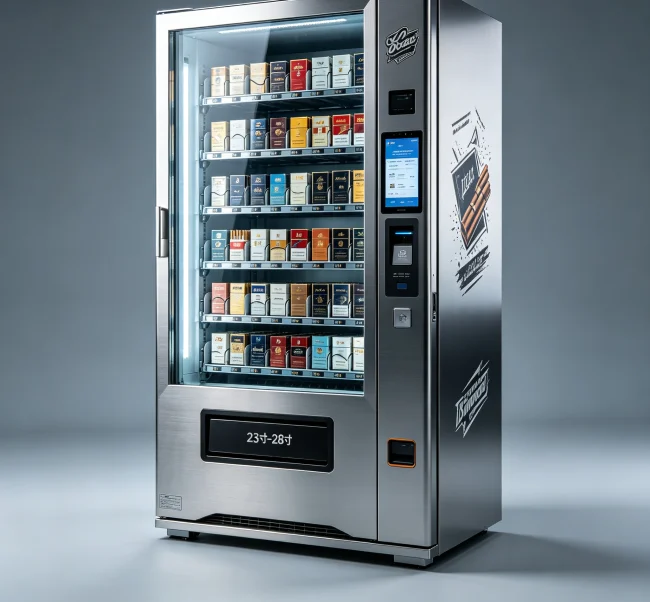
The entire transaction takes about 15 to 30 seconds, but the technology behind it is surprisingly sophisticated. From the payment terminal talking to a secure server to the precise motor control that prevents jams, these machines are miniaturized retail kiosks built for high compliance.
The Core Transaction: Step-by-Step
Let’s walk through what actually happens when you approach one of these machines.
1. The Selection Process
You start by looking at the display. Most modern machines use a glass front so you can see the actual products, but some use digital screens showing images and prices. You press a button or tap a number on a keypad that corresponds to the row of cigarettes you want. This sends a signal to the machine’s main control board, which checks if the selected row is stocked and functional.
2. The Age Verification Hurdle
This is the most critical part. The machine will not proceed without verifying you’re of legal age. There are three common methods:
3. Payment Processing
Once age is confirmed, you complete the payment. These machines accept cash (bills and coins), credit/debit cards (EMV chip and NFC tap), and mobile wallets like Apple Pay or Google Pay. The payment terminal processes the transaction just like a store checkout—it talks to a payment gateway, authorizes the funds, and sends a “paid” signal back to the machine.
4. The Mechanical Delivery
Here’s where the old-school engineering kicks in. After payment, the control board activates a small electric motor attached to a spiral coil holding your selected product. The motor rotates the coil exactly one full revolution, pushing the pack forward until it falls off the front edge. Gravity takes over, and the pack drops into a metal or plastic bin at the bottom of the machine. You open a small door to retrieve it.
5. Inventory and Reporting
Inside the machine, sensors track every sale. When a row is nearly empty, the machine logs a low-stock alert. Many modern machines are connected to the internet via cellular or Wi-Fi, sending real-time sales data and inventory levels to a central management system. This allows operators to know exactly when to restock, without having to visit the machine.
💡 Key Tip: If you’re operating these machines, always test the ID scanner and payment terminal weekly. A single failure can lead to fines or lost sales.
The Legal and Regulatory Framework
You can’t just put a tobacco vending machine on any street corner. The laws are strict, and they vary wildly by location.
In the United States, the FDA’s regulations are the baseline. Machines must be in locations where minors are not allowed, or they must be equipped with an “effective” age verification system (which the FDA interprets as a remote ID check or card scan). Many states, like New York and California, have even stricter rules, requiring machines to be in bars or clubs that are 21+ only, or banning them entirely.
In Germany, the system is different. Machines often use a “Tabakterminal”—a separate unit next to the machine. You insert your ID or a special “eCARD” (a prepaid age-verified card) into the terminal first. The terminal unlocks the vending machine for one purchase. This decouples the age verification from the payment, which some argue is more secure.
In Japan, tobacco vending machines are everywhere, but they all require a “Taspo” card. This is a contactless smart card issued only to adults after they prove their age. You tap the Taspo card on the machine, and it unlocks the purchase. This system is highly effective but requires government infrastructure.
Technology Deep Dive: The Age Verification Engine
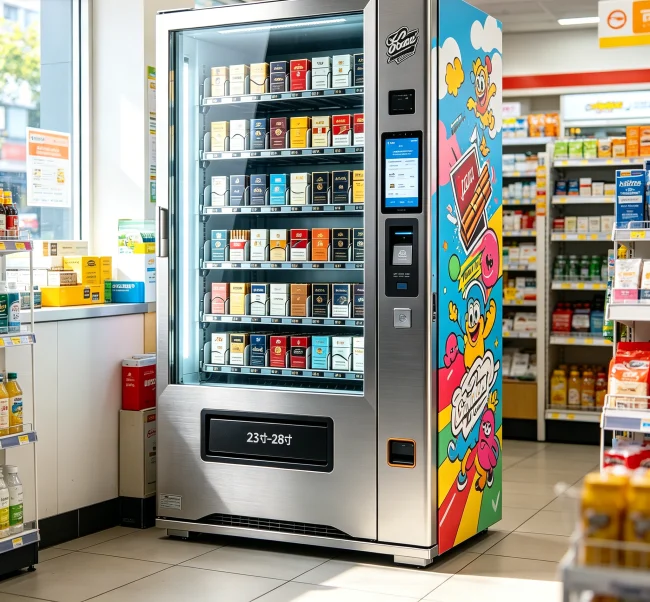
Let’s get into the tech that makes or breaks these machines. The age verification system is essentially a secure computer running specialized software.
💡 Important Point: Never rely on a simple “honor system” button for age verification. It’s illegal in most regulated markets and will get your machine confiscated.
Maintenance and Common Issues
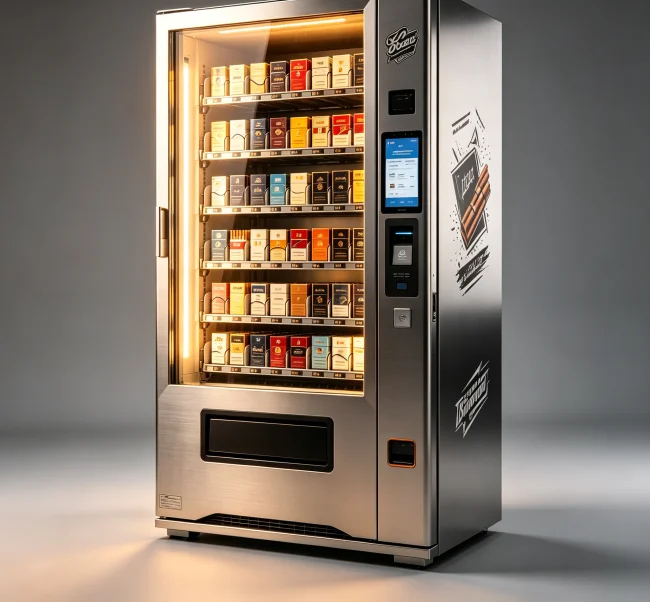
These machines are reliable, but they aren’t indestructible. Operators face a few recurring headaches.
The Future: What’s Next for Tobacco Vending?
The industry isn’t standing still. We’re already seeing prototypes and early deployments of next-generation machines.
💡 Practical Advice: If you’re considering entering this market, partner with a supplier like VendingCore that offers machines with modular age-verification systems. This allows you to upgrade the ID scanner without replacing the entire machine.