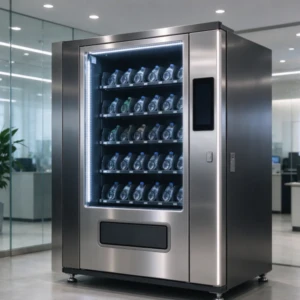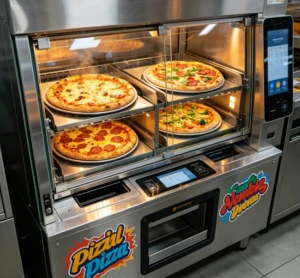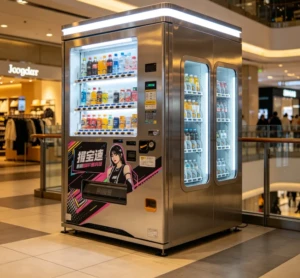
Are vending machines popular in Mexico? The market was valued at roughly USD 150 million in 2024, with projections showing a compound annual growth rate (CAGR) of 8.5% through 2030. You’ll find them most commonly in high-traffic urban zones—think Mexico City metro stations, university campuses, and busy airports—but they’re still far less ubiquitous than in places like Japan or the United States. If you’re a business researcher or investor sizing up the opportunity, the short answer is: yes, they’re gaining serious traction, but the landscape comes with unique quirks and challenges you need to understand before jumping in.
What’s Driving the Growth in Mexico?
So what’s fueling this upward trend? A few key factors are at play. First, urbanization is accelerating—more people are packing into cities, which means more foot traffic and a bigger need for quick, grab-and-go options. Second, Mexico’s cash-heavy economy is slowly shifting toward digital payments. While cash still dominates in many areas, contactless payments and mobile wallets are popping up in more machines, especially in tourist-heavy spots like Cancún or Playa del Carmen. Third, the younger generation—think Gen Z and millennials—is totally comfortable with automated retail. They’ve grown up with technology, so tapping a screen to buy a snack or a drink feels natural.
But here’s the thing: traditional retail in Mexico is still king. Corner stores (tiendas) and street vendors are everywhere, offering fierce competition. You can’t just plop a machine on a street corner and expect it to print money. Location is everything, and the best spots are often locked behind permits or partnerships.
Where Are Vending Machines Most Common?
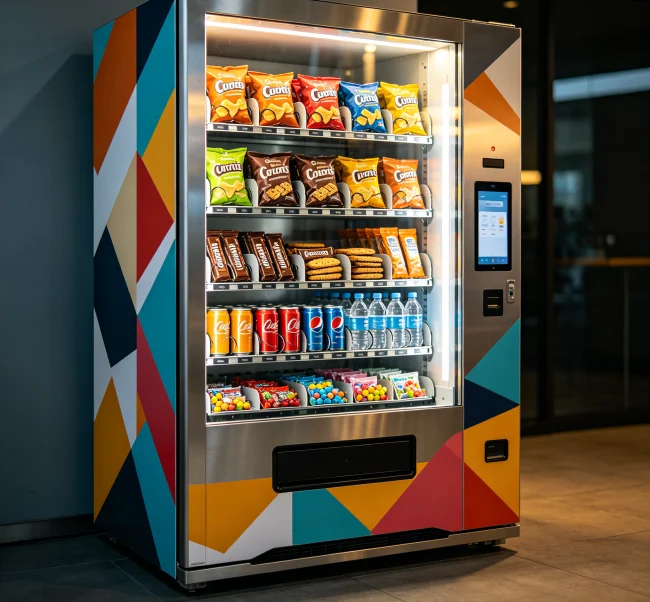
If you’re scouting locations, focus on three types of areas. Transit hubs are the obvious winners—Mexico City’s Metro system alone moves millions of people daily, and machines there do steady business. Educational institutions are another goldmine. Universities like UNAM or Tecnológico de Monterrey have huge student populations who crave late-night snacks between classes. Tourist zones also perform well, especially for cold drinks and basic toiletries in places like Cancún or Los Cabos.
That said, rural areas? Not so much. The infrastructure just isn’t there yet—unreliable electricity, lower disposable income, and a stronger reliance on traditional markets make it a tougher sell. You’re better off sticking to urban centers with high foot traffic and decent security.
💡 Key Tip: Start with one or two high-traffic locations before scaling. Test the waters with a mix of snacks and drinks—data from similar markets shows combo machines often outperform single-product ones.
What Types of Machines Work Best?
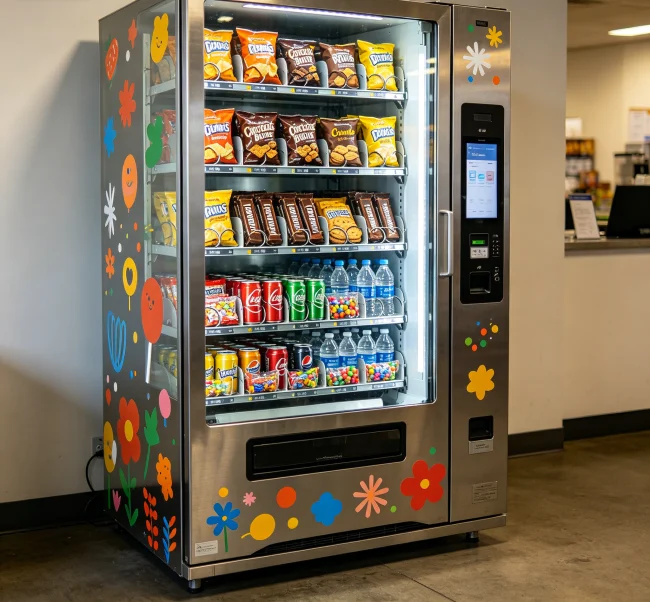
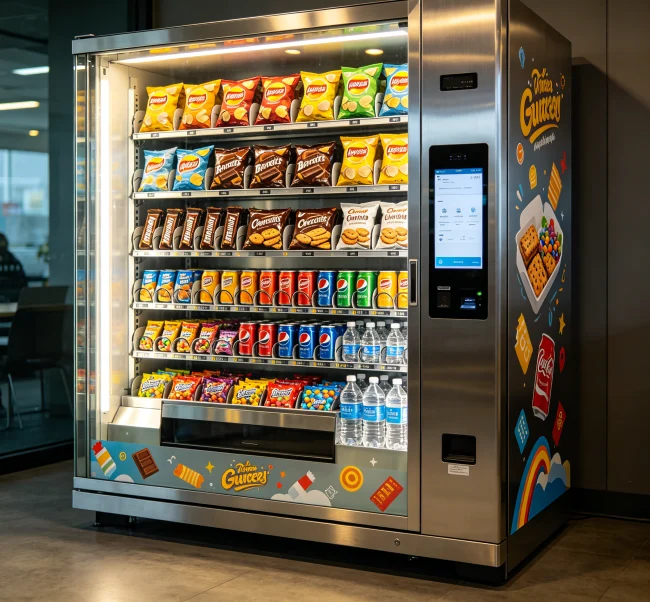
You might think snack machines are the obvious choice, but the data tells a different story. Beverage machines—especially those selling cold drinks, water, and energy drinks—dominate the Mexican market. Why? The climate. It’s hot in most of the country for a big chunk of the year, so people are always looking for a cold drink. Snack machines do well too, but they’re more location-dependent. Near schools, chips and candy fly off the shelves. In office buildings, healthier options like granola bars or nuts might perform better.
One niche that’s quietly growing is specialty machines. Think coffee vending in business districts or even cotton candy machines in tourist areas—yes, that’s a real thing. The Cotton Candy Vending page we analyzed showed some interesting profit potential for those unique setups. But for most operators, sticking with proven categories (drinks, snacks, or combo units) is the safer bet.
What Are the Real Challenges?
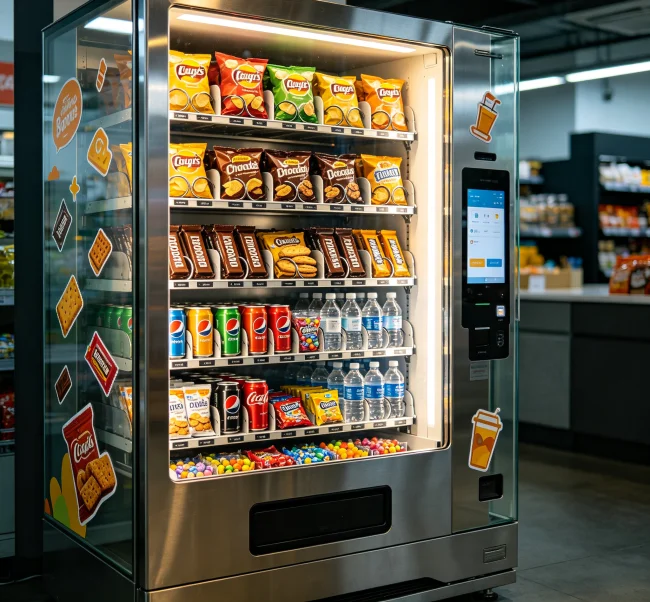
Let’s get real for a second. Operating vending machines in Mexico isn’t all smooth sailing. Security is a legitimate concern. Machines in less secure areas can get vandalized or broken into. You’ll need to invest in sturdy, tamper-resistant equipment and maybe even consider GPS tracking. Restocking logistics can be a headache too. Mexico’s traffic in major cities is brutal, so planning efficient routes is critical. Some operators use local distributors to handle restocking, which cuts down on travel time but eats into margins.
Then there’s the regulatory side. Permits vary by municipality, and some cities have stricter health codes than others. You’ll need to do your homework—or partner with someone who already has. And don’t forget about payment systems. While card readers are becoming more common, they’re still not universal. A machine that only takes cash might miss out on sales from younger, card-carrying customers. On the flip side, cash-only machines can be simpler to maintain.
💡 Practical Advice: Partner with a local operator or distributor who knows the permit landscape. They’ll save you months of headaches and help you avoid costly mistakes with machine placement.
How Does Mexico Compare to Other Markets?
Compared to the US, Mexico’s vending machine market is smaller but growing faster. The US market is mature and saturated, with a CAGR of around 5-6%. Mexico’s 8.5% growth rate reflects a market that’s still in its expansion phase. Compared to Japan—where vending machines are practically on every corner—Mexico has a long way to go. But that gap also means opportunity. There’s room for innovation, especially with smart vending tech that accepts digital payments and offers real-time inventory tracking.
One thing Mexico has going for it? Lower labor costs. That might sound counterintuitive, but it means traditional retail (like tiendas) is still cheap and convenient. Vending machines compete on speed and 24/7 availability, not price. So you need to emphasize convenience, not cost savings, in your marketing.
What’s the Profit Picture?
Profit margins in Mexico are similar to other developing markets—roughly 15-25% for well-placed machines, depending on product mix and location. High-traffic spots like airports or train stations can push margins higher, but they also come with higher rent or commission fees to the property owner. A typical snack machine in a university might generate USD 200-400 per month in revenue, while a beverage machine in a busy transit hub could pull in USD 500-800.
The key to profitability? Product selection and pricing. You need to know what sells—and what doesn’t. For example, imported snacks might have higher margins but lower turnover. Local favorites like Sabritas chips or Coca-Cola products move fast but have thinner margins. It’s a balancing act.
💡 Important Point: Don’t neglect the data. Track your sales by location and product type. Use that info to adjust your inventory every few months—what sells in summer might flop in winter.
Is Now the Right Time to Enter?
If you’re asking yourself this question, the short answer is: it depends on your strategy. For investors with capital and a willingness to navigate local bureaucracy, Mexico’s vending machine market offers solid growth potential. The rise of smart vending—machines with touchscreens, telemetry, and cashless payment options—is opening doors that weren’t there five years ago. But it’s not a passive income stream. You’ll need to be hands-on, at least at first.
For smaller operators, starting with a handful of machines in a single city (like Mexico City or Guadalajara) is a smart way to test the waters. You can always scale up later. And if you’re looking for reliable equipment, companies like VendingCore offer internationally certified machines designed for diverse markets. Their experience in global deployment can save you from common rookie mistakes—like choosing the wrong machine type for your target location.
The Cultural Factor You Can’t Ignore
Here’s something most market reports miss: Mexicans have a strong relationship with personal service. The tienda owner who knows your name and your favorite snack is a tough competitor. Vending machines can’t replicate that. But they can offer speed and consistency—especially in places where human service is slow or unavailable (like late-night metro stations). The cultural shift toward self-service is happening, but it’s gradual.
That’s why location selection is even more critical in Mexico than in other markets. A machine in a high-traffic area with no nearby competition will thrive. One placed next to a busy tienda might struggle. Do your site analysis before committing.
💡 Critical Info: Spend at least a week observing foot traffic patterns at your potential location before installing a machine. Count people, note peak hours, and check for nearby competitors. This simple step can double your success rate.
What About Regulatory Hurdles?
Let’s dive a bit deeper into this, because it’s a dealbreaker for many operators. Mexico doesn’t have a single, nationwide vending machine law. Instead, regulations come from municipal governments. Some cities require a business license and health permit. Others might have specific rules about what you can sell (especially near schools). Tax registration is mandatory, and you’ll need a tax ID (RFC) to operate legally.
The good news? Once you’re set up in one municipality, expanding to neighboring areas is usually straightforward. The bad news? Getting that first permit can take weeks or months, depending on the city. If you’re not fluent in Spanish or familiar with local bureaucracy, hiring a gestor (a local fixer) is money well spent.
The Bottom Line
So, are vending machines popular in Mexico? They’re growing in popularity, especially in urban and tourist areas, but they’re not yet mainstream. The market is ripe for expansion, particularly with smart vending technology and cashless payment options. If you’re willing to put in the work—scouting locations, navigating permits, and adapting to local tastes—there’s real opportunity here.
Just don’t expect it to be easy. The competition from traditional retail is fierce, and the operational challenges are real. But for those who do their homework, Mexico’s vending machine market is a solid bet for the next five years.