
Yes, coffee vending machines not only exist but have evolved into high-tech, smart solutions. They thrive in hospitals, universities, and factories, offering bean-to-cup quality and 24/7 service where traditional cafes can't.
You might think of old, clunky machines serving weak instant coffee, but that's not the full story anymore. If you're running a facility or just curious, you'll want to know how these modern machines actually work and where they make sense today. We'll show you the smart features they have now, the real places they're being used successfully, and how to figure out if one could work for you, all in plain language.
Imagine a bustling hospital corridor at 3 AM, a quiet university library during finals week, or a factory floor during a night shift. In these moments, the classic coffee vending machine isn’t just a relic; it’s an essential, modern utility. The question of their existence stems from a comparison with third-wave cafes and single-serve pod systems, but it overlooks a fundamental shift: today’s machines are sophisticated, connected appliances designed for specific, high-demand environments where convenience and reliability are paramount.
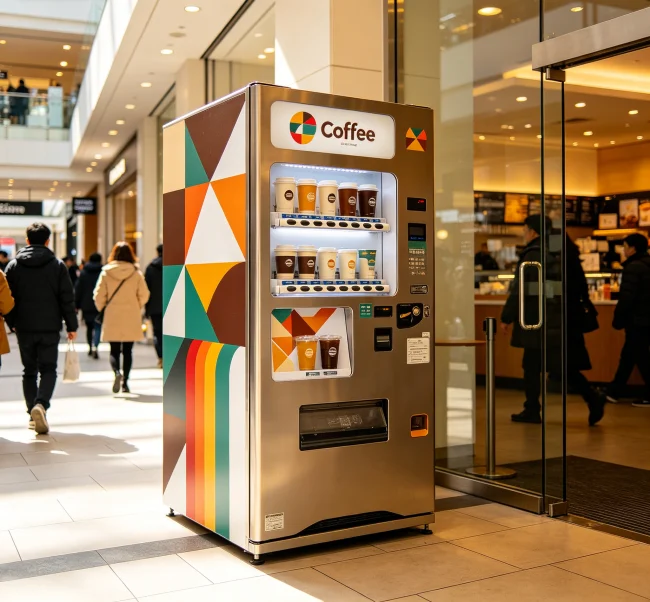
💡 Key Insight: Don’t judge modern vending machines by the instant powder of the past. Today’s models are IoT-enabled, serve gourmet coffee, and solve critical access problems in 24/7 operations.
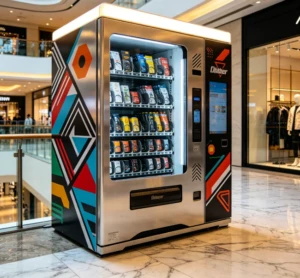
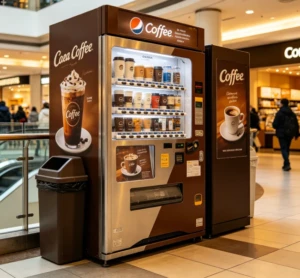
The evolution is stark. The journey began with simple push-button dispensers of instant powder in the mid-20th century. The 1990s introduced freeze-dried coffee and basic hot chocolate options. The real game-changer arrived in the 2010s with commercial-grade bean-to-cup technology, delivering fresh-ground espresso, cappuccino, and latte at the touch of a button. Now, in the 2020s, we are firmly in the era of the smart vending machine. These units feature full-color touchscreens, cashless payment via NFC and QR codes, and remote IoT monitoring that alerts operators to maintenance needs or low inventory before a user ever encounters a problem. This technological leap has redefined their value proposition from mere convenience to intelligent, automated refreshment solutions.
They exist not in spite of modern alternatives, but because they solve problems those alternatives cannot. Their primary domains are environments defined by scale, hours of operation, and the need for unattended service.
💡 For Facility Managers: When evaluating need, prioritize locations with high foot traffic, extended operating hours, and limited space for a traditional café setup. This is where vending ROI is highest.
Bean-to-Cup vs. Instant: The Quality Revolution
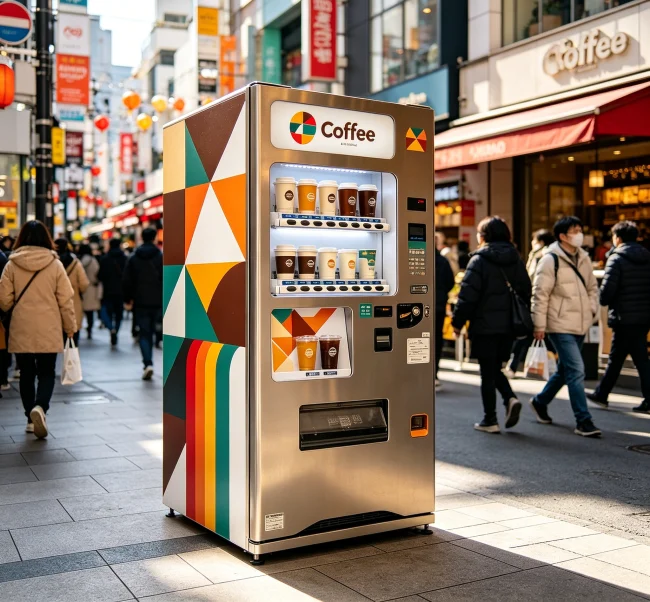
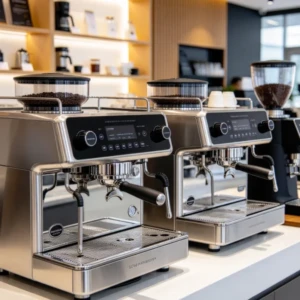
The most significant factor dispelling obsolescence is drink quality. The term “vending machine coffee” no longer universally means a watery, powdered imitation. High-end commercial models from manufacturers like Bianchi, Saeco, and Jetinno are true bean-to-cup systems. They store whole beans in airtight containers, grind them fresh per order, use professional-grade brewing groups, and have integrated milk systems for authentic lattes and cappuccinos. This places them in a different category entirely from older instant machines, competing directly with traditional office coffee service but with greater automation. For buyers, this means specifying the desired quality level—from premium fresh-brew to efficient instant—based on their audience and budget.
The Strategic Advantages Over Alternatives
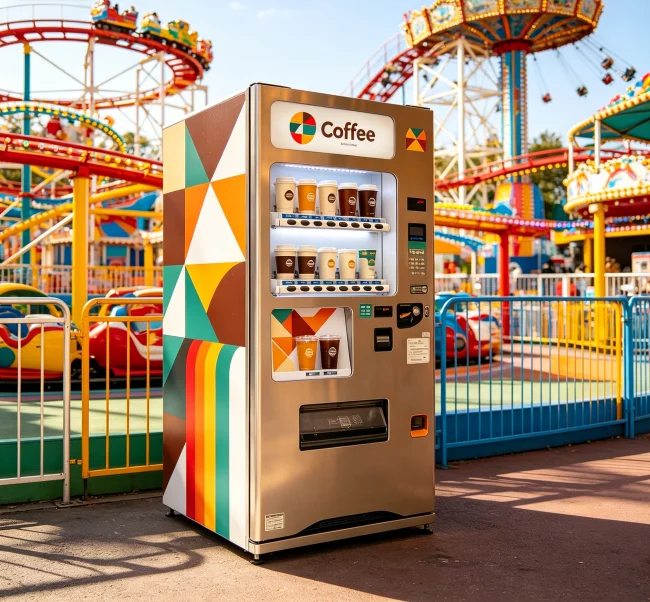
Why choose a vending machine over a coffee shop franchise, a pod system, or a manual brew bar? The advantages are operational and financial.
💡 Avoid This Mistake: Don’t underestimate total cost of ownership. Factor in not just the machine price, but also installation, ongoing maintenance contracts, and ingredient supply logistics for an accurate ROI calculation.
The Future is Connected and Sustainable
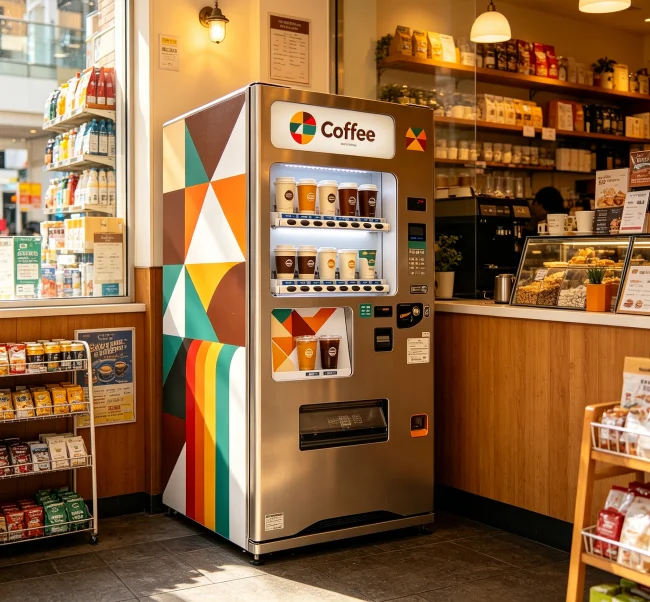
The trajectory points toward greater intelligence and eco-consciousness. Future and current high-end models are integrating AI to predict popular drink times and optimize energy use. Sustainability features are becoming standard, including biodegradable cups, energy-saving modes, and systems that precisely measure water and coffee to reduce waste. Furthermore, integration with building management systems and employee badge systems for seamless payment is on the rise. This evolution ensures they remain not just relevant, but increasingly integral to smart building infrastructure.
For businesses and institutions sourcing these modern solutions, the challenge is often connecting with reliable manufacturers who meet international standards for safety and performance. Platforms like vendingcore.com specialize in this, aggregating a global network of over 500 pre-vetted manufacturers whose machines comply with certifications like CE, UKCA, and RoHS. This simplifies the procurement process, offering direct access to factory pricing and a wide range of models tailored for specific use-cases, from a compact library unit to an industrial-grade machine for a factory floor.
How Much Does a Modern Coffee Vending Machine Cost?
Costs vary dramatically based on capability. A basic instant/hot drink machine can start from a few thousand dollars. A mid-range bean-to-cup system with cashless payment typically ranges from $8,000 to $15,000. High-capacity, fully-featured smart machines with remote management and advanced diagnostics can reach $20,000 or more. The key is to view this as a capital investment with a clear per-cup cost model. Financing and leasing options are widely available, and the direct-to-manufacturer model facilitated by B2B platforms can offer significant savings compared to buying through local distributors with marked-up prices.
What Are the Ongoing Maintenance Requirements?
Reliability is paramount. A well-maintained machine should have over 95% uptime. Standard maintenance includes daily automated internal cleaning cycles, weekly exterior wipes, and scheduled professional servicing every 3-6 months to descale, inspect brew groups, and update software. Modern IoT machines transform this process by providing predictive alerts. The operator receives a notification that a water filter needs changing or a grinder is nearing end-of-life, allowing for proactive service that prevents downtime. When sourcing a machine, ensure a clear maintenance plan or service contract is part of the purchase.
💡 Pro Tip for Buyers: Always request the mean time between failures (MTBF) for key components like the brewer and grinder from your supplier. This data point is a stronger indicator of long-term reliability than marketing claims.
Can They Be Profitable as a Business?
Absolutely. Coffee vending remains a viable route for entrepreneurs and a valuable amenity for businesses. Profitability hinges on location, foot traffic, product cost, and pricing. A well-placed machine in a busy office or factory can see 100+ transactions per day. With a per-cup cost (including beans, milk, sugar, cup, lid) often between $0.30 and $0.70 and a sale price of $2.00-$3.00, the margins are attractive. Smart machines enhance profitability through detailed sales reporting, reducing theft and waste, and enabling dynamic pricing or promotions directly on the touchscreen interface.
1 Comments