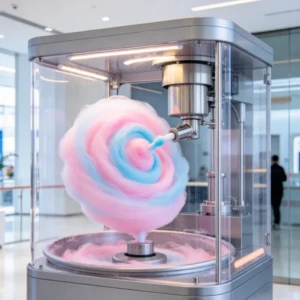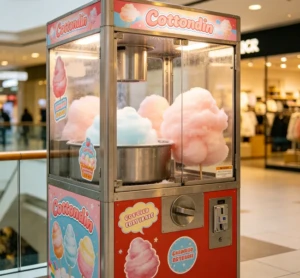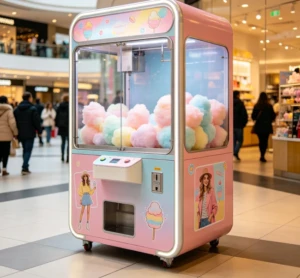
Choose a cotton candy vending machine by first defining your venue and expected customer volume, then prioritizing key features like bowl capacity, commercial-grade construction, ease of cleaning, and proper safety certifications to ensure reliability and profitability.
Feeling overwhelmed by all the different machine options and worried about making a costly mistake? You're not alone. This guide cuts through the confusion by giving you a clear, step-by-step framework used by successful operators. We'll walk you through everything from calculating your real ROI to avoiding hidden maintenance traps, so you can buy with confidence and start earning faster.
The cotton candy vending machine market is booming, driven by its proven appeal at events, malls, and tourist spots. Yet, the excitement of starting this business can quickly fade when faced with the overwhelming choice of machines, each with different specs, prices, and promises. This guide cuts through the noise, transforming a complex purchase into a clear, step-by-step decision tailored to your specific business goals.
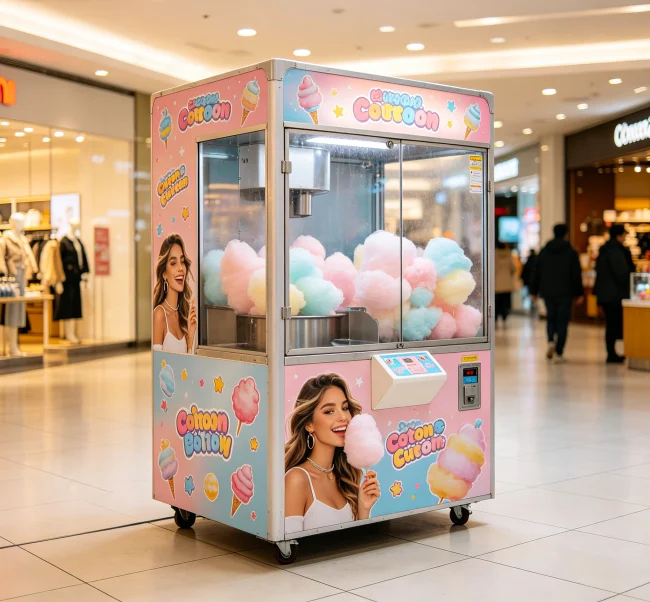
Before comparing wattage or bowl size, you must clarify your operational blueprint. The ideal machine for a weekend farmer’s market is vastly different from one destined for a high-traffic airport. Start by asking these critical questions:
💡 Your First Step: Write down your answers to these questions. This document becomes your buying criteria checklist, preventing you from being swayed by irrelevant features.
Key Technical Features to Evaluate
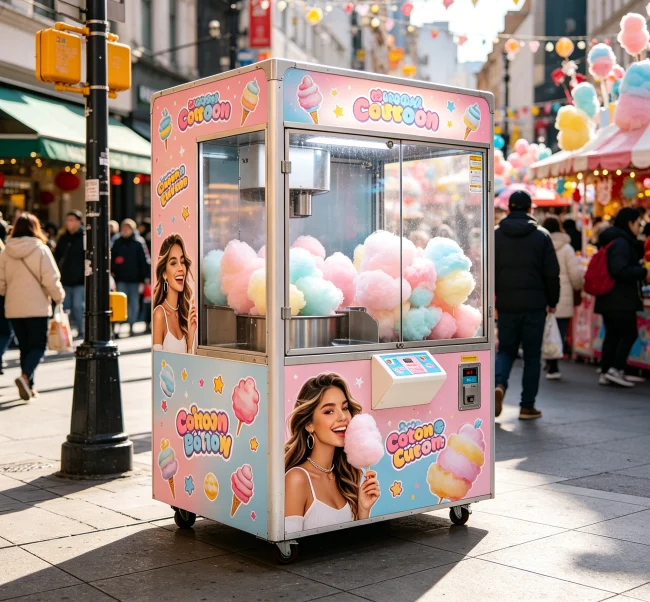
With your needs defined, you can now assess machines based on performance-critical specifications.
Capacity & Output: This is about throughput. A standard commercial machine with a 12-inch bowl can typically produce 1-2 cones per minute. High-capacity models with 16-inch or larger bowls are designed for constant queues. Consider the motor power (measured in watts); a 500W motor is standard, while 1000W+ indicates a heavy-duty unit built for all-day operation.
Build Quality & Materials: Durability is non-negotiable. The floss head (spinning bowl) and sugar dome should be made of food-grade, non-stick coated aluminum or stainless steel for easy cleaning and longevity. The main body should be constructed from commercial-grade stainless steel or powder-coated steel to resist dents, sugar residue, and corrosion.
Ease of Use & Cleaning: Time is money. Look for machines with a “cool wall” or insulated bowl guard to protect users. A removable, dishwasher-safe sugar dome is a game-changer for sanitation. Digital temperature controls offer more consistent results than analog dials. The best machines are designed for quick breakdown and cleaning at the end of a long day.
Safety & Certifications: Never compromise here. Ensure the machine carries relevant safety certifications for your region, such as CE, ETL, or UL for electrical safety, and NSF or equivalent for food contact surfaces. These are not just stickers; they are assurances of compliance with stringent manufacturing standards.
💡 Look Beyond the Spec Sheet: Ask suppliers for a video demonstration of the cleaning process. If it looks complicated in the video, it will be frustrating in real life.
Financial Analysis: Costs, Revenue & ROI
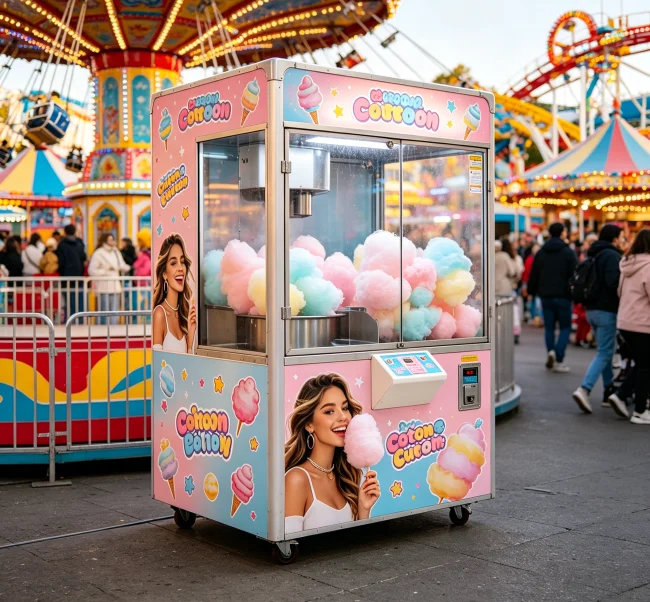
Understanding the full financial picture separates a hobby from a business.
Upfront Investment: Machine prices range from $1,500 for basic cart-mounted units to over $5,000 for high-output, fully-featured models. Remember to factor in the cost of a cart or stand if not included.
Operating Costs: Your main consumable is floss sugar. A 50lb bag costs between $50-$80 and can produce 300-400 cones, depending on size. Include costs for cones/sticks, cleaning supplies, and any venue rental fees or commission.
Revenue Projections: Price your cone between $5-$8. At 50 cones per day, that’s $250-$400 in daily revenue. A machine costing $3,000, with daily operating costs of $30, could see a net profit of $220 per day, paying for itself in under 14 busy event days.
Hidden Costs: Budget for spare parts (belts, heating elements), business licensing, liability insurance (essential for food service), and potential credit card processing fees if you offer cashless payments.
Side-by-Side Machine Comparison
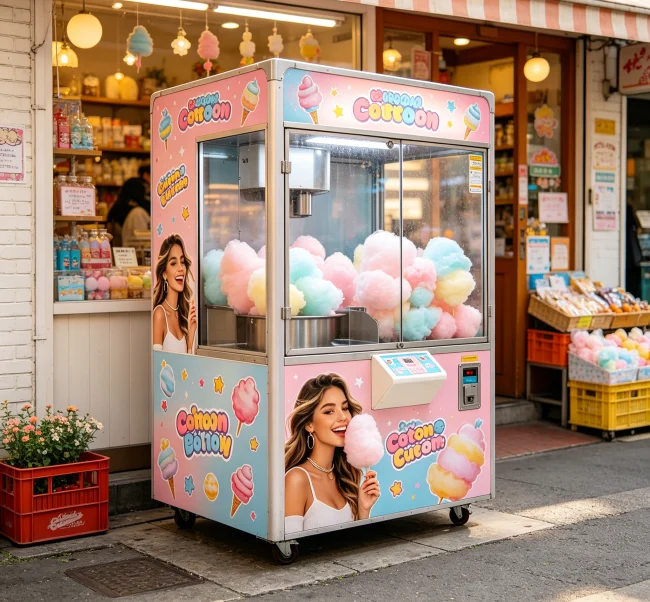
To make an informed choice, compare top models across critical dimensions. Here is a comparison of common commercial types:
| Machine Type | Best For | Key Features | Avg. Price Range | Considerations |
|---|---|---|---|---|
| Cart-Mounted / Standard Commercial | Indoor malls, arcades, family entertainment centers. | 12″-14″ bowl, 500W-800W motor, often includes cart. | $1,800 – $3,500 | Great starter option. Verify cart stability and storage. |
| High-Output / Festival Grade | Outdoor festivals, fairs, high-traffic tourist areas. | 16″+ bowl, 1000W+ motor, rugged construction, often weather-resistant. | $3,500 – $6,000+ | Higher capacity justifies price for busy operators. |
| Countertop / Mini Models | Supplemental income in restaurants, ice cream shops, small stores. | Compact, lower wattage, simple operation. | $800 – $1,800 | Lower output; ideal for on-demand, low-volume use. |
💡 Platform Advantage: On VendingCore.com, you can filter our network of 500+ pre-vetted manufacturers by these exact specifications—capacity, power, certification—to instantly shortlist machines that match your comparison criteria.
The Buying Process: From Research to First Sale
Your research culminates in action. Follow this process:
Sourcing Consumables and Floss Sugar
Your machine is only as good as the sugar you use. Commercial floss sugar is finely granulated and often contains flavoring and food coloring. You can buy pre-mixed colors and flavors or purchase clear sugar and add your own liquid concentrates for custom branding. Establish a relationship with a reliable bulk supplier to ensure consistent quality and cost-effectiveness. For operators sourcing globally, a key advantage of using a B2B platform is the ability to often bundle machine purchases with initial consumable orders from the same trusted network, simplifying logistics.
Navigating Permits, Insurance, and Legalities
Operating a food vending business carries regulatory responsibilities. Requirements vary by city, county, and state, but commonly include:
Start by contacting your local city clerk’s office and health department to understand specific requirements. Factor the time and cost of compliance into your launch plan.
Maintenance and Troubleshooting Basics
Proactive maintenance ensures uptime and extends your machine’s life. Daily cleaning of the floss head and sugar dome is mandatory. Weekly, check the heating element for sugar buildup and inspect the drive belt for wear. Common issues include:
Always purchase from a supplier that provides clear manuals and access to spare parts. Our platform’s manufacturers are required to provide comprehensive support documentation, which is a non-negotiable for a reliable partnership.
💡 Build a Spare Parts Kit: On day one, order extra drive belts, fuses, and perhaps a spare heating element. This small investment can save a lucrative weekend event.
Future-Proofing Your Investment
Consider features that will serve your business as it grows. Cashless payment systems (QR code, card readers) are increasingly expected and can increase average transaction size. Some modern machines offer programmable settings for different sugar types or portion control. Think about branding opportunities—does the machine’s design allow for custom wraps or signage? Choosing a scalable machine from a manufacturer with a full product line means you can add units or upgrade seamlessly as demand increases.
Choosing the right cotton candy vending machine is a strategic investment that blends practical needs with financial planning. By rigorously defining your venue and volume, understanding the technical features that matter, conducting a thorough financial analysis, and navigating the buying process with a focus on support and legality, you position your venture for success. The goal is not just to buy a machine, but to invest in a reliable, profitable business asset.