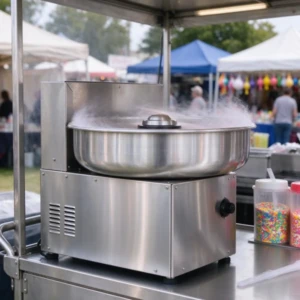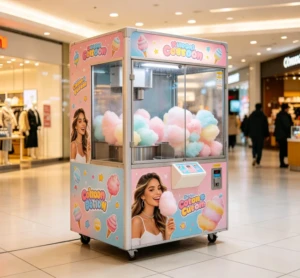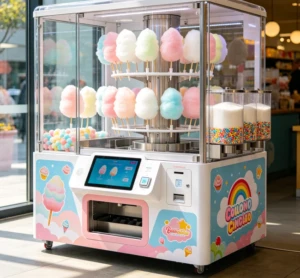
The top cotton candy vending machines for 2026 are defined by smart automation, IoT connectivity, and operational efficiency, with leaders like the fully autonomous Wider Matrix WM980 and the high-volume FlossMaster Commercial HD leading the market.
You're researching a big-ticket item for your business and need to know which machines will actually deliver a return in the coming years. It's frustrating when reviews just list features without explaining the real-world costs or how to choose a location. This guide gives you the full picture—not just the "best" machines, but a clear breakdown of total costs, ROI calculations, and the tech trends that matter. We'll help you make a confident investment that's profitable from day one.
The landscape of commercial vending is shifting, with automated cotton candy machines emerging as a high-margin, low-labor investment for entrepreneurs and established businesses alike. As we look toward 2026, the top contenders are defined not just by their ability to spin sugar, but by their integration of smart technology, operational efficiency, and adaptability to diverse business models. This guide cuts through the marketing to provide a data-driven analysis of the machines poised to lead the market, with a focus on the business intelligence you need for a profitable investment.
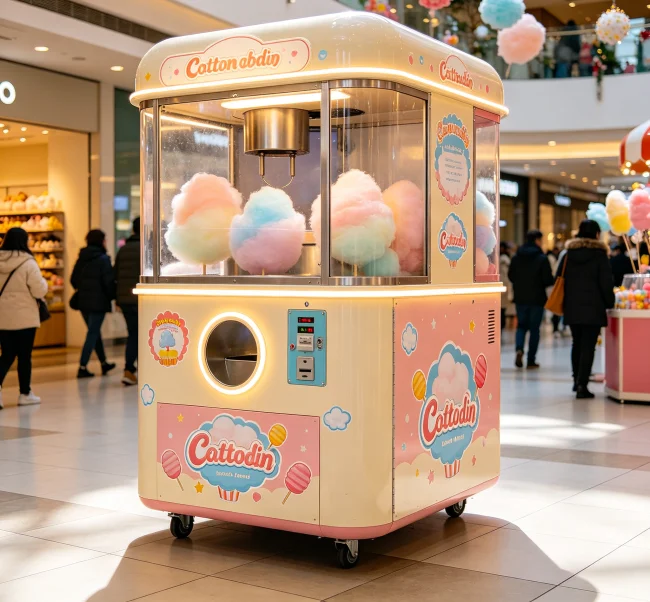
Our evaluation moves beyond basic specifications to criteria that impact your bottom line. We analyzed machines based on Automation Level (full vending cycle vs. operator-assisted), Output Capacity (grams per hour under continuous operation), Total Cost of Ownership (TCO) including consumables and maintenance, Footprint & Power Requirements, and Vendor Support & Warranty structures. A key differentiator for 2026 is Technology Integration, assessing IoT capabilities for remote monitoring, cashless payment system compatibility, and data analytics for sales tracking. This methodology ensures our recommendations are built for the future of unattended retail.
💡 Actionable Insight: Before comparing models, define your primary use case—high-footfall transit hub, seasonal events, or F&B add-on—as this dictates the required automation level and durability.
The 2026 Contenders: A Comparative Overview
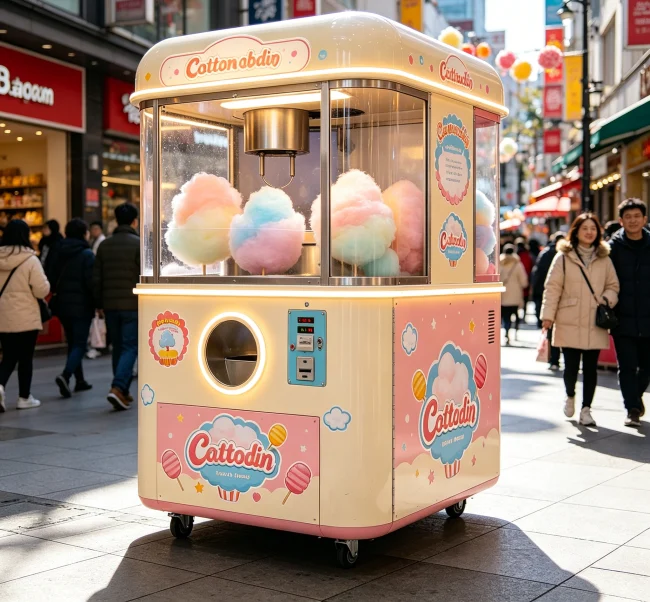
The following table provides a high-level comparison of the leading machines anticipated to dominate the commercial landscape in 2026. This is your starting point for a detailed analysis.
| Model (Type) | Key 2026 Feature | Est. Output | Automation Level | Primary Business Use Case |
|---|---|---|---|---|
| Wider Matrix WM980 (Full Vending) | AI-powered portion & flavor control | 120+ cones/hr | Fully Autonomous | Airports, Shopping Malls, Stadiums |
| FlossMaster Commercial HD (Heavy-Duty) | Dual-head, high-capacity sugar hoppers | 200+ cones/hr | Operator-Assisted | Theme Parks, Large Festivals, High-Volume Catering |
| KioskSpin Nano (Compact Vending) | Ultra-compact footprint with IoT dashboard | 60 cones/hr | Fully Autonomous | Office Buildings, Hotels, Small Retail Spaces |
| SweetTech Hybrid Vender (Modular) | Interchangeable modules for candy floss, popcorn, or drinks | 80-100 cones/hr | Fully Autonomous | Multi-concept Locations, Seasonal Business Diversification |
In-Depth Machine Analysis for 2026
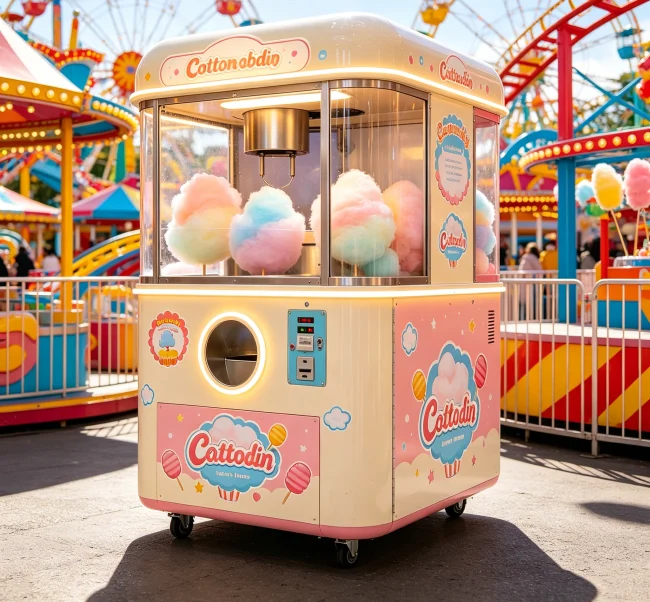
Wider Matrix WM980
This machine represents the pinnacle of unattended retail for 2026. Its AI system adjusts spinning parameters in real-time for consistent floss quality and can mix pre-loaded flavor cartridges. The integrated telemetry sends stock alerts and performance data directly to your phone.
💡 Vendor Vetting Tip: When sourcing a high-tech model like this, verify the manufacturer offers a comprehensive parts inventory and training. Platforms like vendingcore.com connect you with pre-vetted suppliers who provide full technical documentation and support contracts.
FlossMaster Commercial HD
Don’t let the operator-assisted tag mislead you; this is a revenue powerhouse. Built for endurance, its stainless-steel construction and industrial-grade motors are designed for 12-hour festival days. The dual heads allow one operator to serve two queues simultaneously.
KioskSpin Nano
The champion of space-efficient vending. Its sleek design houses a sophisticated mechanism for its size. The IoT dashboard is surprisingly comprehensive, tracking cone counts, revenue, and even sugar humidity levels that could affect performance.
The Business Case: TCO, ROI, and Compliance
The machine’s price tag is just the beginning. A true 2026-ready analysis requires a Total Cost of Ownership model. Factor in:
Building an ROI Framework: Project revenue by estimating daily cone sales at your target price point. A machine in a mall averaging 50 sales/day at $5 each generates $91,250 annually. Subtract your TCO and location commission (often 15-30%) to find your net. Use this to justify the investment.
💡 Compliance Checklist: Never overlook certifications. For North America, seek NSF/ETL certification; for the EU, CE marking is mandatory. For food contact, FDA-compliance or equivalent materials are non-negotiable. Our platform only lists manufacturers whose products meet these international standards, simplifying your due diligence.
Future Trends Defining Your 2026 Purchase
The “smart” in smart vending is evolving. Look for machines with:
Navigating Global Sourcing and Supplier Selection
For business buyers, sourcing directly from quality manufacturers is key to controlling cost and ensuring quality. This is where a specialized B2B platform provides immense value. Vendingcore.com aggregates over 500 pre-qualified manufacturers, allowing you to compare specifications, request quotes, and verify certifications like CE, UKCA, and RoHS in one place. The direct factory connection model eliminates distributor markups, and the platform’s fast inquiry system has facilitated over 10,000 transactions across 50+ countries by connecting buyers with reliable partners efficiently.
Site Selection and Operational Logistics
The perfect machine in the wrong location will fail. Conduct a foot traffic analysis—count people, not just potential customers. Negotiate lease terms with location owners; standard agreements include a percentage of gross sales or a fixed rent. Ensure the site provides adequate, stable power (220V for most commercial units) and, for vending models, a level floor with enough clearance for service access. Plan your supply chain for cones and sugar; buying in bulk from a restaurant supplier will drastically improve your margins compared to retail packs.
💡 Avoid This Mistake: Don’t base your site choice solely on low rent. A higher-commission spot in a prime food court will almost always outperform a cheap corner with no foot traffic. The math on revenue share is more important than the fixed cost.
Investing in a top cotton candy vending machine for 2026 is a strategic decision that blends culinary equipment with retail technology. By focusing on the total business ecosystem—from the machine’s IoT capabilities to your site’s foot traffic patterns—you can secure a profitable and resilient revenue stream. The market is moving toward greater automation and connectivity; choosing a partner and a platform that understands this evolution is your first step toward success.