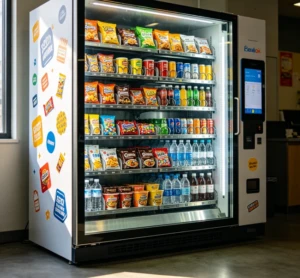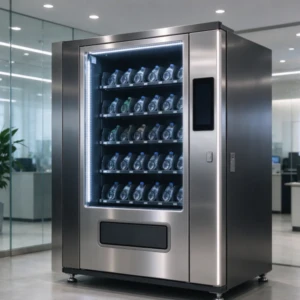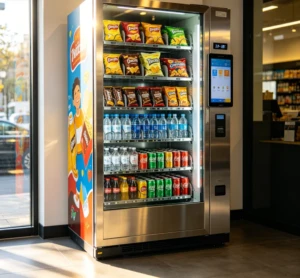
Yes, you can absolutely own a vending machine in Singapore — and over 80% of new operators start with just one or two machines as a side hustle. Whether you’re a Singaporean PR, EP holder, or citizen, there’s no law stopping you from buying and operating a machine, as long as you follow the regulatory guidelines for specific products like food and beverages.
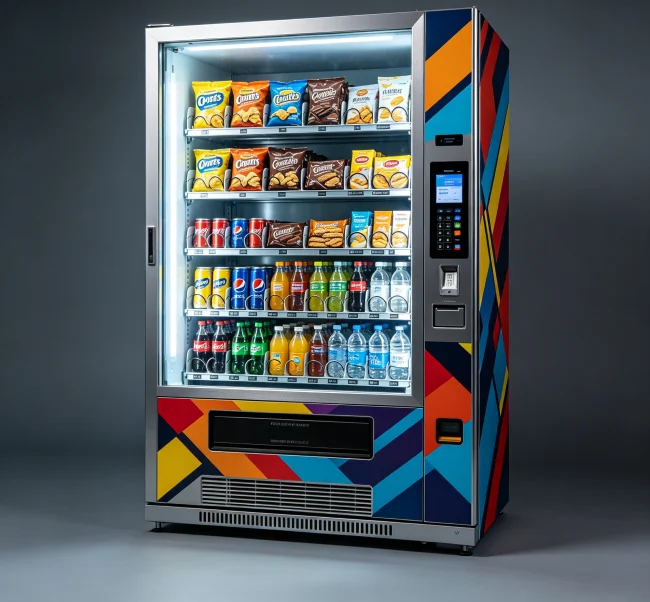
Most people jump into this business thinking it’s fully passive income — and while it can be, the reality involves a bit more legwork upfront. You’ll need to figure out licensing (if selling food), secure a location, and manage inventory. But here’s the good news: the barrier to entry is surprisingly low. A basic machine can cost as little as S$2,000 second-hand, and you don’t need a retail license to run one.
💡 Key Tip: If you’re just testing the waters, start with a used machine in a low-rent location like an industrial building. Keep your first year focused on learning, not scaling.
What You Actually Need to Get Started Legally
Let’s cut through the noise. The Singapore government doesn’t require a specific “vending machine license.” What matters is what you’re selling.
One thing most guides won’t tell you: the SFA requires that your machine be cleaned and restocked regularly — they can inspect it anytime. So “set and forget” isn’t really an option if you’re selling snacks or drinks.
Cost Breakdown — What You’re Really Looking At
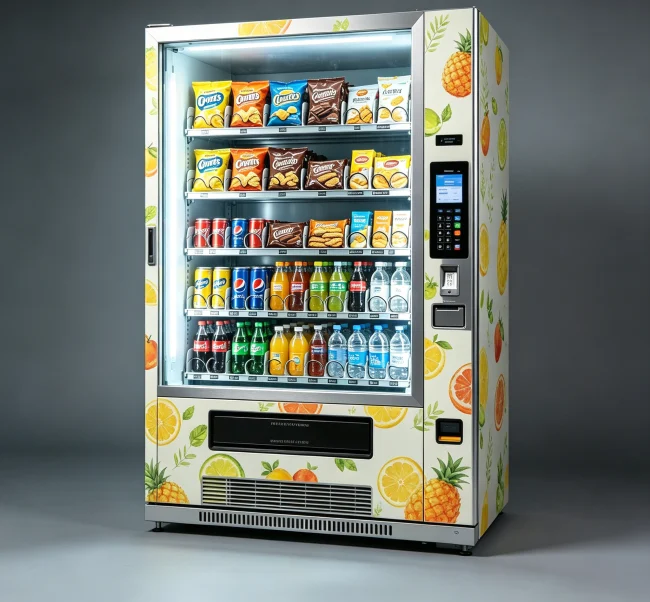
Here’s a realistic budget for a first-time owner in 2026:
| Item | Estimated Cost (SGD) |
|---|---|
| Second-hand machine (basic) | $2,000 – $5,000 |
| New machine (with payment system) | $6,000 – $15,000 |
| Location rental (per month) | $100 – $800 |
| Initial inventory | $500 – $2,000 |
| SFA license application | $150 – $300 |
| Miscellaneous (transport, repairs) | $500 – $1,000 |
So realistically, you’re looking at S$3,000 to S$20,000 to get your first machine operational. That’s not cheap, but compared to opening a coffee shop (easily S$50k+), it’s a bargain.
💡 Practical Advice: Don’t blow your budget on a brand-new machine right away. Many successful operators start with a refurbished unit from a trusted supplier like VendingCore — they offer warranties and after-sales support that save you headaches later.
Where to Put Your Machine? Location is Everything
You’ve probably heard this a million times — but it’s true. The difference between a machine earning $200/month and $2,000/month is almost always the location.
Here’s the catch: locations like MRT stations often require you to go through a tender process. For smaller venues, you can approach the building manager directly. Expect to pay a monthly rental fee or offer a revenue share (usually 10-20% of sales).
The Hidden Costs Nobody Talks About
Everyone loves to talk about profits, but let’s be real about the downsides:
💡 Warning: Don’t quit your day job for this. Most successful vending machine owners in Singapore treat it as a side business for at least the first year. The real money comes from scaling to 5+ machines.
How Profitable Can It Really Be?
Let’s do some quick math. Say you sell drinks at $1.50 per can, and your cost is $0.80. That’s a $0.70 margin per sale. If your machine sells 50 items per day (which is decent for a good location), that’s $35/day or about $1,050/month.
Subtract rental ($300), electricity ($70), and restocking labor (your time). You’re left with roughly $600-$700 profit per machine per month. Not bad for a side hustle, right?
But here’s the thing: margins shrink fast if you’re selling low-margin items like water or generic snacks. The real winners focus on premium products — energy drinks, protein bars, or even fresh fruit — where margins can hit 50-60%.
Should You Go With a Franchise or Go Solo?
This is a big fork in the road. Franchises like Flasingapore offer a turnkey solution — they handle machine sourcing, location scouting, and even restocking. But you’ll pay for it: franchise fees can eat 20-30% of your revenue.
Going solo gives you full control and higher margins, but you’ll have to figure everything out yourself. If you’re not comfortable with basic troubleshooting or negotiating with landlords, a franchise might be worth the peace of mind.
Personally, I’d recommend starting solo with one machine. You’ll learn more in 6 months than any franchise training can teach you.