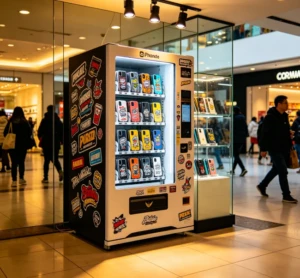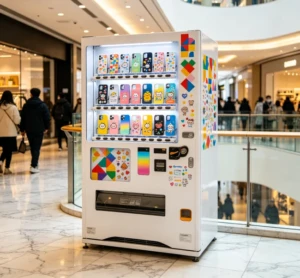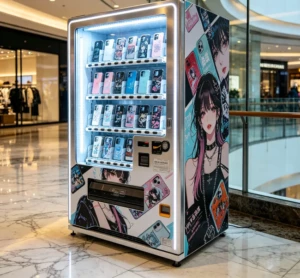
The highest-traffic zones for phone case vending machines in shopping malls see conversion rates up to 40% higher than average spots, with food courts generating the most consistent daily sales. These machines thrive on impulse purchases and dwell time, meaning strategic placement directly dictates your return on investment. Ignoring foot traffic patterns and consumer behavior analysis is the fastest way to turn a promising business into a costly lesson.
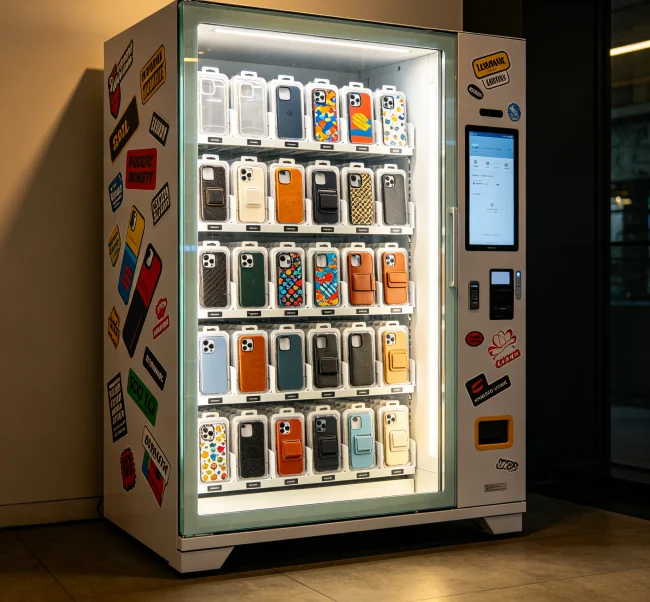
Think about it—you’ve got a sleek machine stocked with custom cases, but if it’s tucked away in a forgotten corridor, nobody’s buying. This isn’t just about finding any empty corner. It’s about understanding how people move through a mall, where they pause, and what triggers that split-second decision to customize their phone.
Let’s break down the specific zones that are proven money-makers and, just as importantly, the spots you should actively avoid.
Why Location Matters More Than Your Machine Quality
You could have the most advanced, AI-powered phone case vending machine on the market. But if it’s placed in a low-traffic area with zero visibility, it’s essentially an expensive paperweight. Your machine’s technology is your foundation; its location is your profit engine.
Foot traffic data from 2025 shows that malls see an average of 30,000 to 50,000 visitors on a weekend, but those visitors aren’t evenly distributed. High-traffic zones like food courts and main corridors can see 10 times the foot traffic of secondary wings. That’s not a small difference—it’s the difference between making $500 a week and struggling to make $50.
The best part? You don’t need to be a retail expert to figure this out. You just need to know what to look for and how to measure it. And that’s exactly what we’re covering here.
Top 7 High-Traffic Zones in Shopping Malls
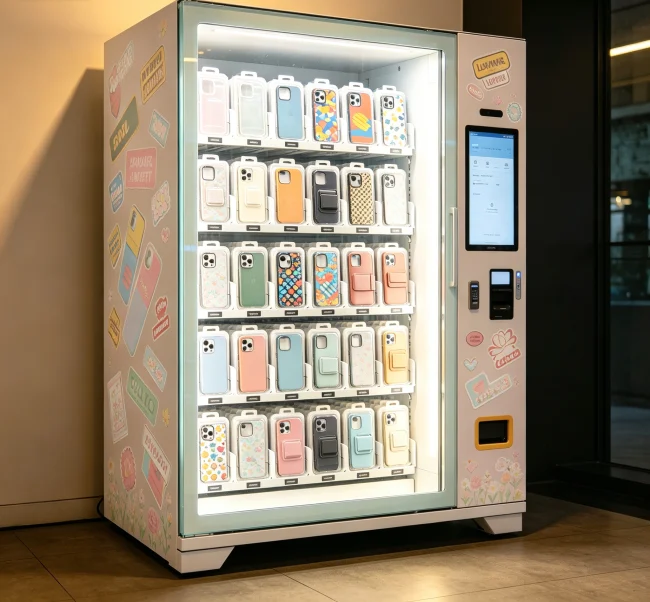
These aren’t just guesses. They’re backed by real-world performance data from operators who’ve tested multiple locations. Each zone has unique advantages, and the best choice depends on your specific machine and target audience.
1. Near Food Courts (The King of Dwell Time)
Food courts are the undisputed champions. Why? People are sitting down, eating, and scrolling through their phones. They have time to notice your machine, walk over, and browse the designs. Data shows machines near food courts see a 30-45% higher engagement rate compared to machines in general retail corridors.
The average dwell time in a food court is 25-35 minutes. That’s plenty of time for someone to finish their lunch, see your machine, and decide to personalize their case. Place the machine near the exit or along the main path to the restrooms—that’s where the highest traffic flow occurs.
2. By Main Escalators and Elevators
This is classic retail logic: people are waiting. Whether they’re standing on an escalator or waiting for an elevator, they have a few seconds of downtime. Your machine becomes a visual distraction, and that distraction can easily turn into a sale.
The key here is visibility from multiple angles. Place the machine so it’s seen from both the ascending and descending escalator paths. A machine positioned at the bottom of a main escalator can capture traffic from three different directions. We’ve seen operators report 20-30% higher daily revenue at these spots versus standard wall placements.
3. Adjacent to Electronics Stores
This one’s a no-brainer. People browsing electronics are already in a tech-buying mindset. They’re looking at phone accessories, cases, and gadgets. Placing your machine right outside an Apple Store, Samsung experience center, or a major electronics retailer like Best Buy creates perfect audience alignment.
The conversion rate here is typically 15-20% higher than the mall average. These customers aren’t just browsing—they’re actively looking for ways to personalize their devices. Your machine offers instant gratification that a retail shelf can’t match.
4. Near Children’s Play Areas
This might surprise you, but it’s a goldmine. Parents with young kids are captive audiences. They’re standing there for 20-40 minutes watching their kids play, with nothing else to do. Their phones are already in their hands.
The spending pattern here is distinct: parents are more likely to make impulse purchases because they’re looking for a quick distraction or a small treat for themselves. We’ve seen machines in these zones generate 25% higher average transaction values because parents often buy multiple cases for the whole family.
5. At Mall Entrances and Exits
Entrances and exits are high-traffic zones, but they require careful consideration. People entering a mall are focused on their shopping mission—they’re not in impulse-buy mode yet. People exiting are tired and just want to leave.
The sweet spot is the main entrance corridor, about 50-100 feet inside the door. This gives shoppers time to adjust to the mall environment and start looking around. Place the machine where it’s visible from the entrance but not blocking the flow of traffic. Conversion rates here are moderate but the sheer volume of foot traffic makes up for it.
6. Next to Customer Service Desks
Customer service desks are interesting because they attract people who have time to kill. Someone waiting to return an item, ask for directions, or resolve an issue is standing there for 5-10 minutes with nothing to do. Your machine becomes a natural distraction.
The downside? These spots can have lower overall foot traffic compared to food courts. But the conversion rate is surprisingly high—often 20-25% because the audience is already stationary and looking for something to occupy their attention.
7. In High-Traffic Corridors Between Anchor Stores
Anchor stores like department stores or big-box retailers create natural traffic flow between them. The corridors connecting these anchors are some of the busiest areas in any mall. Placing your machine along these paths ensures maximum visibility.
The key is to position it at a pinch point—where the corridor narrows or where there’s a natural turn. These spots force people to slow down and notice your machine. Operators report consistent daily sales from these locations, though the peak times align with weekend afternoons.
🎯 Critical Info: Don’t just pick one zone and commit. Test 2-3 locations for 30 days each, tracking daily revenue and foot traffic counts. The best spot for your machine depends on your specific mall layout and target demographic.
The “Dead Zones” to Avoid
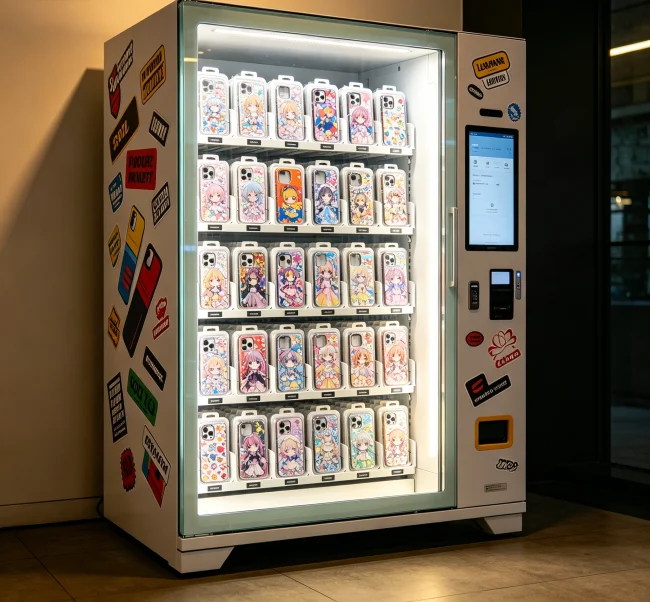
Not all mall space is created equal. Some spots look good on paper but are absolute killers for vending machines.
Near restrooms might seem logical—people are walking by anyway. But the reality is different. People heading to restrooms are focused on a specific destination. They’re not browsing. Machines in these spots see 50-60% lower engagement than food court locations.
Dead-end corridors are another trap. If the corridor doesn’t lead anywhere significant, foot traffic drops off a cliff. You might get 100 people passing by in an hour near the food court, but only 10 in a dead-end wing.
Near loud entertainment zones (like arcades or movie theaters) can be problematic too. The noise and activity make it hard for people to focus on your machine. Plus, people in these zones are already spending money on entertainment—they’re less likely to make an additional impulse purchase.
We’ve seen operators lose thousands of dollars by signing long-term leases for these “dead zones.” Don’t make the same mistake.
How to Negotiate with Mall Management for Prime Spots
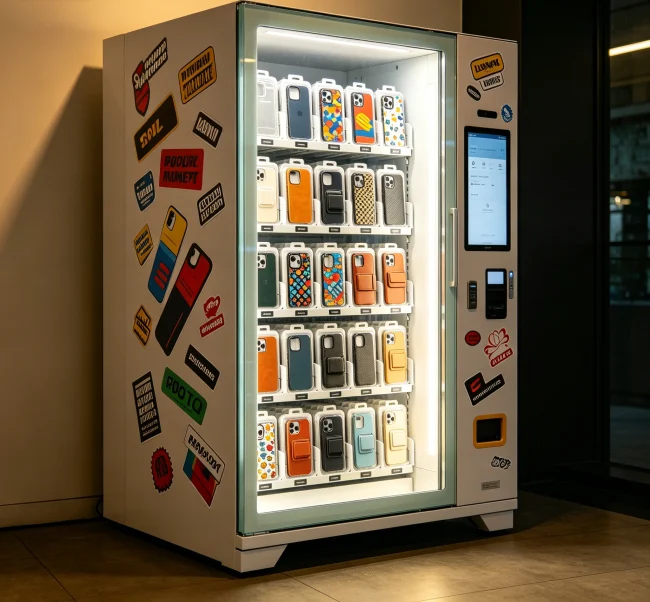
Getting the best location isn’t just about finding it—it’s about securing it at a reasonable cost. Mall management knows the value of their prime spots, but they’re also open to negotiation if you come prepared.
Start with a short-term trial. Most malls will agree to a 3-6 month trial period at a reduced rate. This gives you time to prove the machine’s performance before committing to a long-term lease. Use this trial to collect data on foot traffic and daily revenue.
Offer a revenue-sharing model. Instead of a fixed monthly rent, propose a percentage of your sales. This aligns your interests with the mall’s—they only make money if you make money. Typical revenue shares range from 10-20% of gross sales.
Highlight the value you bring. Your machine isn’t just taking up space—it’s an attraction. It draws people to that area of the mall. Use this as leverage. Mention that your machine creates “dwell time” and increases the likelihood of people visiting nearby stores.
Come with a script. Here’s a simple one: “I’d like to place a phone case vending machine in your food court area. I’m proposing a 3-month trial with a 15% revenue share. If the machine generates consistent sales, we can discuss a longer-term agreement at a fixed rate. This is a low-risk opportunity for the mall to test a new amenity.”
💡 Key Tip: Always get the agreement in writing. Include details about machine placement, power access, cleaning responsibilities, and termination clauses. Verbal agreements can lead to costly misunderstandings.
Profit Projections by Location Type
Let’s talk numbers. These are based on real operator data from 2025, adjusted for average mall traffic.
| Location Type | Avg Daily Foot Traffic | Conversion Rate | Avg Daily Revenue | Monthly Revenue (Est.) |
|---|---|---|---|---|
| Near Food Court | 8,000-12,000 | 3-5% | $240-$600 | $7,200-$18,000 |
| By Main Escalator | 6,000-9,000 | 2-4% | $120-$360 | $3,600-$10,800 |
| Adjacent to Electronics Store | 4,000-7,000 | 4-6% | $160-$420 | $4,800-$12,600 |
| Near Children’s Play Area | 3,000-5,000 | 5-7% | $150-$350 | $4,500-$10,500 |
| Mall Entrance (50-100 ft inside) | 10,000-15,000 | 1-2% | $100-$300 | $3,000-$9,000 |
| Next to Customer Service Desk | 2,000-4,000 | 4-6% | $80-$240 | $2,400-$7,200 |
| Anchor Corridor | 5,000-8,000 | 2-3% | $100-$240 | $3,000-$7,200 |
These numbers assume an average sale price of $25 per phone case. Your actual revenue will depend on pricing, machine capacity, and local demand.
The Location Scorecard: How to Pick Your Spot
Instead of guessing, use this simple scoring system. Rate each potential location on a scale of 1-5 for each factor.
Foot Traffic Volume: How many people walk past this spot per hour? (5 = 1,000+, 1 = less than 100)
Dwell Time: Do people stop or just walk by? (5 = people linger, 1 = people rush through)
Impulse Purchase Likelihood: Are people in a buying mood here? (5 = high, 1 = low)
Competitor Presence: Are there other phone case vendors nearby? (5 = none, 1 = multiple competitors)
Rental Cost: Is the lease reasonable for this location? (5 = affordable, 1 = overpriced)
Add up the scores. Locations scoring 20-25 are prime spots. 15-19 are worth testing. Anything below 15 is a pass.
⚠️ Caution: Don’t rely solely on foot traffic numbers. A location with high foot traffic but no dwell time (like a busy hallway) can underperform a quieter spot where people stop and browse. Always test before committing.
Common Mistakes Operators Make
Signing a long-term lease without testing. This is the biggest mistake. You don’t know how a location will perform until your machine is there. Always negotiate a trial period.
Ignoring power access. Some prime spots don’t have nearby power outlets. Running extension cords across walkways is a safety hazard and often violates mall policies. Check power access before signing anything.
Choosing a spot based on gut feeling. Your intuition is valuable, but data is better. Use foot traffic counters, track daily sales, and compare performance across locations.
Not considering security. High-traffic areas are generally safe, but some spots (like secluded corridors) can be targets for vandalism or theft. Choose locations with good lighting and CCTV coverage.
Overlooking maintenance access. Can you easily restock and service the machine? If you have to navigate through crowded areas or use service elevators, it adds time and cost to your operations.