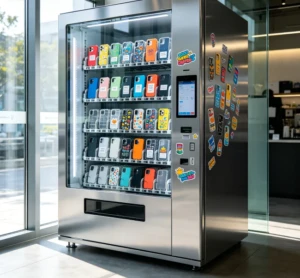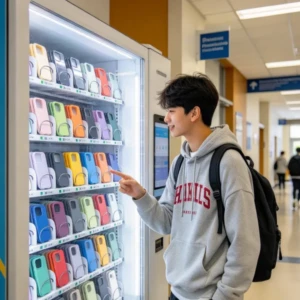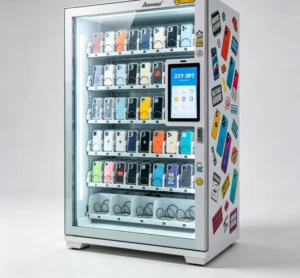
Finding a reliable phone case vending machine supplier starts with over 60% of global buyers sourcing directly from B2B platforms like Alibaba and Made-in-China.com. These platforms host thousands of manufacturers, mostly from China, offering everything from basic UV printers to fully automated DIY phone case kiosks. But here’s the thing—just scrolling through endless listings can be overwhelming. You’re not just looking for a machine; you’re looking for a partner that offers solid after-sales support, proven profit models, and a track record of reliability. Let’s break down exactly where to look and what to watch out for.
The Best Places to Start Your Supplier Search
When you type “phone case vending machine suppliers” into Google, the top results aren’t random. They’re dominated by two types of sources: massive B2B marketplaces and specialized manufacturer websites. Each has its own strengths and weaknesses.
B2B Platforms: The Go-To Aggregators
Alibaba and Made-in-China.com are the heavyweights here. They act like a giant yellow pages for suppliers. You can filter by location, certification, transaction history, and even minimum order quantities. The biggest advantage? You get to compare dozens of suppliers side-by-side without leaving one page.
But there’s a catch. A lot of listings on these platforms are from trading companies, not actual factories. That means you might pay a markup without knowing it. Always look for the “Verified Supplier” or “Gold Supplier” badges. Even better, check if they have factory audit reports uploaded. These platforms also offer trade assurance—basically a safety net if the supplier doesn’t deliver what was promised. For a first-time buyer, this peace of mind is worth its weight in gold.
Specialized Manufacturer Websites
Then you’ve got the dedicated sites like widermatrix or gobearvending. These are usually the real deal—factories that design, build, and ship their own machines. They often provide way more detail than a B2B listing. We’re talking about technical specs, ROI calculators, exhibition schedules, and even video walkthroughs of the machines in action.
The downside? You’re stuck with one brand’s offerings. But the upside is huge: direct communication with the engineering team, customized software options, and often better pricing since there’s no middleman. If you’re serious about starting a vending machine business, reaching out to 3-5 specialized manufacturers directly is a smart move.
💡 Pro Tip: Always request a live video call to see the machine running before committing. This simple step can save you from countless headaches later.
What to Look for in a Supplier (Beyond the Price Tag)
Price is important, sure. But it’s far from the only thing that matters. In fact, focusing solely on the lowest price is one of the fastest ways to end up with a machine that breaks down in three months.
Technical Support and After-Sales Service
This is where most suppliers fall short. You’ll find plenty of companies happy to sell you a machine, but what happens when the touchscreen freezes or the UV lamp stops working? A good supplier offers remote troubleshooting, spare parts availability, and maybe even a local technician network.
Ask these questions upfront:
Some top-tier manufacturers even offer training sessions—either on-site or via video—to help you get the most out of the machine. That’s a huge plus.
Customization and Software Flexibility
Not all phone case vending machines are created equal. Some come with locked software that only allows you to sell pre-loaded designs. Others give you full control to upload custom templates, adjust pricing, and run promotions. If you’re planning to target local events or collaborate with artists, you’ll want the latter.
Look for suppliers that offer white-label software or API access. This lets you brand the machine and integrate it with your own business systems. It’s a bit more technical, but it gives you a serious edge over competitors using off-the-shelf solutions.
⚠️ Watch Out: Some suppliers lock you into their proprietary consumables (inks, cases, etc.) at inflated prices. Ask about compatibility with third-party materials before you buy.
How to Verify a Supplier’s Credibility
You’ve found a few promising suppliers. Now what? Before you wire any money, do your homework.
Check for Social Proof and Case Studies
A legitimate supplier will have more than just a website. Look for them on Instagram, Facebook, or YouTube. Real videos of machines in action, customer testimonials, and photos from trade shows are all good signs. If their social media is empty or looks fake, that’s a red flag.
Also, ask for references. A confident supplier will gladly connect you with existing customers. Reach out to those customers and ask about their experience—how long have they had the machine? Any major issues? Would they buy again?
Visit Trade Shows and Factories
Nothing beats seeing the equipment in person. Major industry events like Wider Matrix or AAA Expo often feature phone case vending machine manufacturers. It’s a chance to test the machines, meet the team, and see how they stack up against competitors.
If a trade show isn’t feasible, request a virtual factory tour. A reputable supplier will have no problem showing you their production line, quality control processes, and inventory. If they make excuses or get defensive, move on.
🔍 Critical Info: Use Google’s reverse image search on product photos. If the same image appears on multiple supplier sites, you’re likely dealing with a reseller, not a manufacturer.
The Business Model: DIY Printing vs. Pre-Made Cases
This is a key decision that affects your supplier choice. Are you selling pre-made phone cases, or are you offering a DIY printing experience where customers design their own?
Pre-Made Case Vending Machines
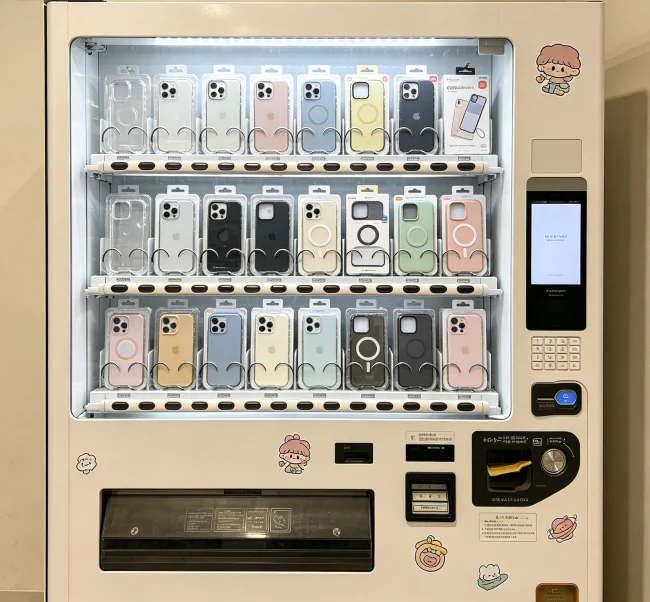
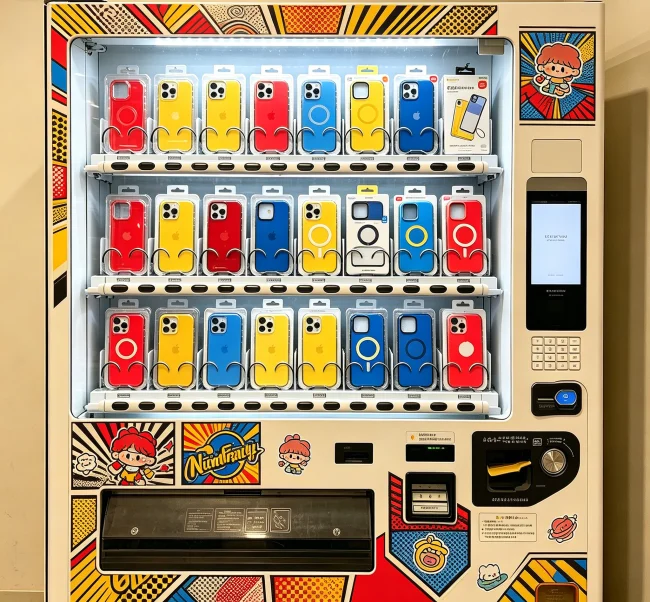
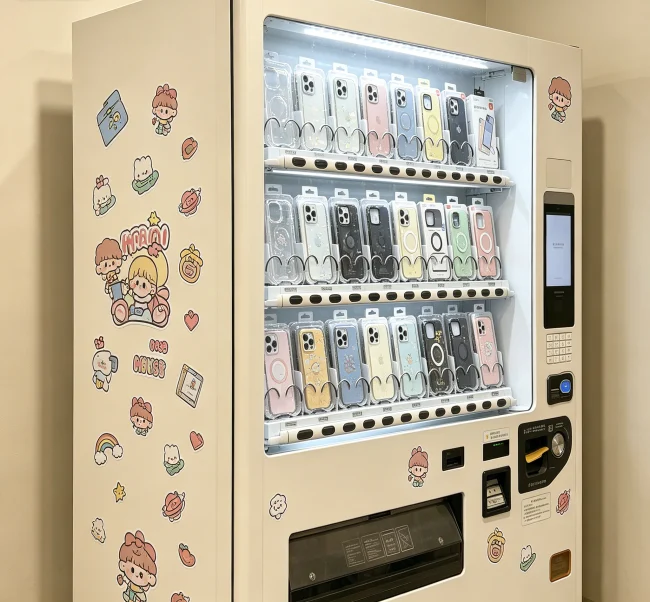
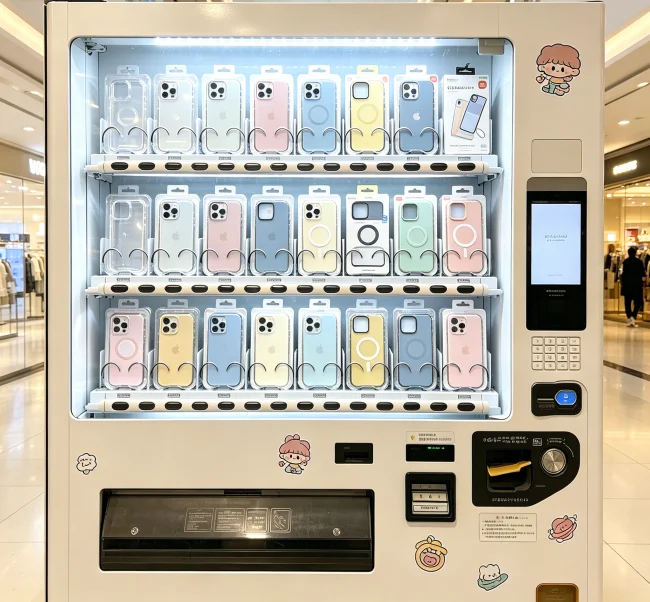
These are simpler machines that stock finished cases. Think of them like a regular snack vending machine, but for phone cases. They’re easier to set up and maintain. The downside? You need to manage inventory and deal with unsold stock.
Suppliers for these are often the same companies that make traditional vending machines. They’re less specialized but more widely available. Margins are lower because you’re competing with Amazon and physical stores.
DIY Phone Case Printing Machines
This is where the money is. Customers choose a design on the touchscreen, the machine prints it onto a blank case, and they walk away with a custom product in under 10 minutes. No inventory headaches, and each sale has a high profit margin—often $15-$25 per case.
These machines are more complex and expensive. They require a supplier with expertise in UV printing, software development, and mechanical engineering. That’s why specialized manufacturers like Wider Matrix or those found on VendingCore’s network are your best bet. They focus exclusively on this niche and have refined their technology over years.
💡 Key Takeaway: If you’re aiming for high-profit locations like malls or tourist spots, go with a DIY printing machine. The novelty factor and customization drive repeat customers.
Red Flags to Avoid When Choosing a Supplier
Let’s be real—the vending machine industry has its share of shady operators. Here are some deal-breakers to watch for.
Unrealistic Income Claims
If a supplier promises you’ll make $1,000 a day from day one, run. A good machine in a great location might bring in $200-$500 per day, but that’s after you’ve optimized placement and marketing. Anyone guaranteeing instant riches is selling a dream, not a business.
No Physical Address or Factory Photos
Legitimate manufacturers have a physical address and are proud to show it. If their website only has a P.O. box or a generic office building photo, that’s suspicious. Use Google Maps to check the address—if it’s a residential area, you’re probably dealing with a middleman.
Poor Communication
Pay attention to how they respond to your initial inquiry. Do they answer your questions directly? Are they transparent about pricing and shipping costs? If they’re vague or pushy, imagine how they’ll be when something goes wrong with the machine.