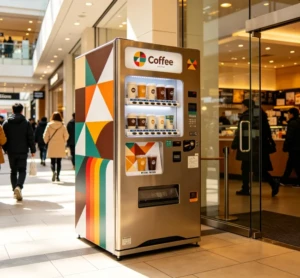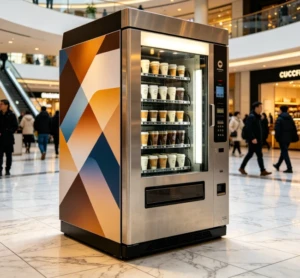
How long to break even with a coffee vending machine? In most real-world cases, you’ll turn a profit by month 3 to 6, depending on your machine cost, daily cup sales, and profit per cup. A $4,000 machine selling 30 cups a day with $0.80 profit per cup pays for itself in about 167 days, but few sites deliver that from day one. An office break room or a busy gym with steady foot traffic gets there faster than a random street corner. The real answer comes from your location, your pricing, and how quickly you build regulars.
The quick math: machine cost divided by daily profit
Let’s start with the simple version of the math. Take everything you spend to get the machine running, your machine price, delivery, installation, and the first batch of beans, cups, and syrups. Divide that by your average daily profit. If you spend $4,500 total and clear $15 a day, the machine pays for itself in 300 days. That’s your break-even date. The tricky part is estimating “average daily profit” honestly, because you won’t know it until you’ve been running for a few weeks.
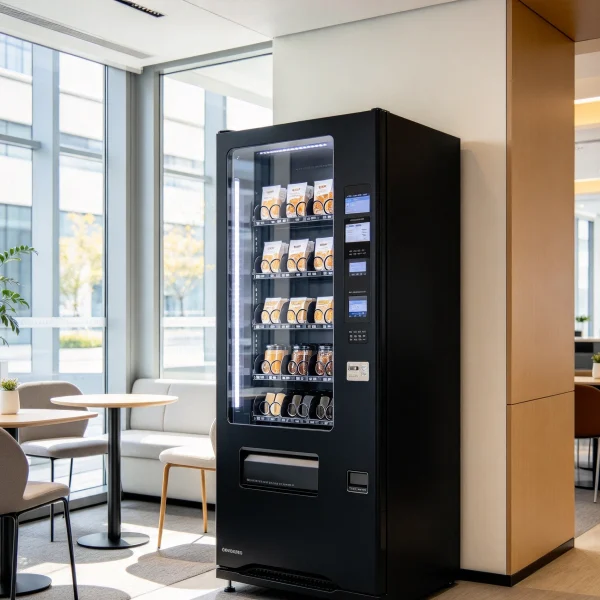
Here’s a table that shows how different daily sales volumes affect the payback period, assuming you keep between $0.70 and $0.90 per cup after product costs and fees.
| Machine cost | Cups per day | Profit per cup | Break-even days | Approx. months |
|---|---|---|---|---|
| $3,000 | 15 | $0.90 | 222 | 7.4 |
| $4,500 | 30 | $0.80 | 188 | 6.3 |
| $6,000 | 50 | $0.85 | 141 | 4.7 |
| $8,000 | 20 | $0.70 | 571 | 19.0 |
That table assumes steady sales from day one. In the real world, that rarely happens. Most locations take a few weeks to spread the word about the new machine, and you’ll likely experiment with pricing and drink recipes before sales settle into a rhythm. On top of that, your costs aren’t static. Milk expires, syrup bottles run out, and the machine needs a filter change every few months. Operators who track their numbers closely often find the first year is mostly about learning the business, and the second year is when real profit shows up.
Why most machines take longer in the real world
You’ll hear stories about people breaking even in five months, and some of those stories are true. But they usually involve a machine that was placed in a spot with 100 daily customers, or a used machine that cost less than $2,000. For the typical first-time buyer, the numbers stretch out. A new machine plus installation and initial stock lands somewhere between $5,000 and $10,000. At 20 cups a day with $0.75 profit per cup, you’re clearing $15 a day. That’s $450 a month, which puts you at 11 to 22 months before you see your money back.
The real drag is ramp-up time. Week one might see curious customers, then sales dip before they settle into a habit. You’ll also lose days to refilling and cleaning, when the machine isn’t earning. All of that pushes the break-even date further out.
What actually moves the break-even date
Your break-even timeline depends on four big factors: location, machine type, pricing, and how much effort you put into upkeep.
Location might be the single largest one. A coffee machine inside a hospital staff room or a factory floor sees steady traffic five days a week. The same machine in a quiet retail shop might sell a handful of cups a day. Captive audiences are your friend. People who can’t easily walk to a cafe will use your machine out of convenience.
Machine type matters too. A bean-to-cup machine with a milk frother costs more upfront but lets you charge $2.50 a cup. A simple instant machine might sell for $1.00 a cup, but it costs a fraction of the price. You need to compare the upfront price against the profit per cup, not just the price. If you’re still comparing price ranges, our vending machines for sale guide runs through 2026 cost expectations.
Pricing is the lever you control. Bump your price by 25 cents and the daily profit changes quickly, provided your customers don’t switch to the vending machine next door. And upkeep matters more than people expect. A dirty machine that smells stale will lose customers fast. Regular cleaning and fresh beans are part of the cost of doing business.
How to shorten your break-even period
If 3 to 6 months feels too long, here’s what operators do to speed things up:
- Find a location with daily foot traffic of 100+ people, ideally the same people every day. Offices, warehouses, gyms, and university staff rooms are common winners.
- Offer drinks people can’t get easily nearby. A flavored latte option or a hot chocolate setting can lift sales.
- Keep the machine running. Downtime kills momentum, so have a plan for quick fixes and stock emergencies.
- Sell a service, not just drinks. Some operators split a small commission with the location owner, which keeps them invested in promoting the machine.
- Track everything from day one. If you notice a slow seller, swap it for something else.
These steps won’t guarantee a 6-month payback, but they’ll stop you from drifting toward the 3-year end of the range. Some operators also add a popcorn machine to catch snack cravings and lift overall revenue. It’s a different cost structure, but the popcorn vending machine price guide can help you compare.
Buying new vs used
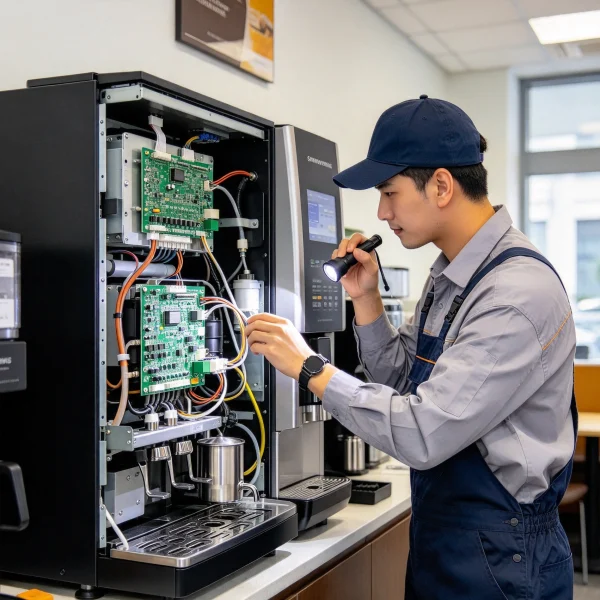
The price of the machine is the biggest single number in your break-even math, so it’s tempting to buy used. A used machine can cost half the price of a new one, but it may come with older parts and no warranty. Coffee machines have a lot of moving parts: pumps, valves, grinders, and sensors. One major repair can erase the savings from buying used. If you go used, spend the money on a professional inspection before you commit.
For a new machine, you’re paying for reliability and a warranty, which can shorten your true payback period because you don’t have surprise expenses. The math is a tradeoff, and your local service options matter. If nobody nearby can fix a used machine, that $1,000 savings might not be worth it.
Choosing a supplier you can trust
When you’re weighing new machines, your supplier choice affects the price, the warranty, and the support you get. On VendingCore’s supplier ranking, you can compare verified suppliers, read buyer reviews, and send inquiries directly to several at once. That way you can check price ranges and see which suppliers have a track record of responsive support, which is exactly what you need when a machine goes down at 7 AM on a Monday.
Before you settle on one, ask about service contracts, delivery lead times, and what happens if a part fails in the first year. A supplier who answers those questions clearly is worth more than one with the lowest price.
So, what’s your number?
Plan for a 12 to 24 month payback, and work to beat it. The operators who see faster returns treat the machine like a small business, not a one-time purchase. Before you commit, visit your target location, check the competition, and run the numbers with a simple spreadsheet. Then browse the supplier rankings on VendingCore to compare verified suppliers and get real price quotes. If you’re also weighing other vending ideas, this mall-focused breakdown shows how phone case printing machines perform in retail spaces.
FAQ
How long does it take to break even with a coffee vending machine?
Most operators see break-even between 12 and 24 months. If your machine costs $5,000, you sell 35 cups a day, and you keep $0.80 per cup, you’re clearing $28 a day, which works out to about 179 days. But that pace is rare. Budget for a year and a half and you’ll be happy when it comes sooner.
Can I break even in 1 months?
It’s possible but unlikely. You’d need a very high-traffic spot and an exceptionally low machine cost. A $2,000 used machine selling 45 cups a day at $0.80 profit would pay for itself in about 56 days, but that kind of daily volume is hard to sustain in most locations. Treat a 1-month payback as a bonus, not a plan.
What is the average profit per cup?
After factoring in beans, milk, cup, lid, sugar, and card payment fees, most operators keep between $0.50 and $1.20 per cup. Bean-to-cup machines with milk options tend to sit at the higher end because customers pay more for specialty drinks. The exact number depends on your wholesale prices and your selling price.
What hidden costs should I plan for?
Maintenance is the big one, along with cleaning supplies, restocking labor, spoilage, and card reader fees. A service visit can run $150 to $300 if something breaks. You might also spend $50 to $100 a month on water filters and descaling solution. These costs don’t show up on the machine’s price tag, but they affect your break-even math.
How do I choose a good location for a coffee vending machine?
Look for places with steady foot traffic and limited access to a cafe. Offices, factories, hospitals, gyms, and university staff rooms work well. Make sure there’s reliable power, water if the machine needs it, and someone who can keep an eye on the machine. A location with 100+ daily potential customers is a strong starting point.
Is a coffee vending machine a good side business?
Yes, if you can commit to regular restocking and maintenance. You’ll need to visit the machine every few days, clean it, and respond quickly to issues. If you pick a stable location and keep the machine full and clean, it can produce steady passive-ish income. If you can’t visit reliably, a coffee machine might end up costing you more than it makes. If you’re curious about a different niche, this buyers guide for phone case printing vending machines explains a separate cost model.
Too many operators focus on the price of the machine and ignore the daily operating rhythm. In my experience, the locations that break even fastest aren’t the ones with the cheapest machines; they’re the ones with stable sales and disciplined operators. If you track your costs honestly from week one, you’ll see the payback period shift by months. A $4,000 machine can make you money in eight months if you treat it like a mini business, with scheduled restocking, cleaning, and a quick response to sales changes. The people who struggle are the ones who buy on impulse and then service the machine only when a customer complains. Break-even isn’t a number the machine gives you; it’s a number you earn through consistent operation.