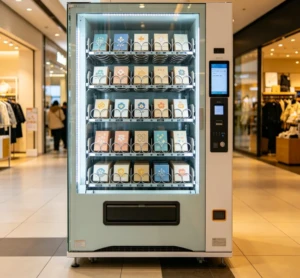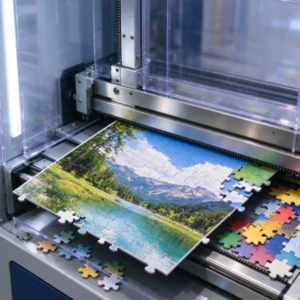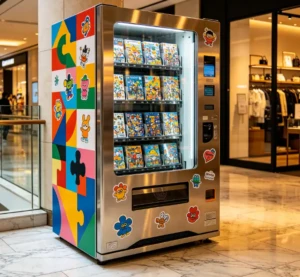
Where to put a puzzle vending machine matters more than the machine itself, and the numbers back that up: busy malls, tourist attractions, and transit hubs with 10,000+ weekly visitors routinely produce 30 to 60 sales a day. Puzzle machines need dwell time because people browse the designs, so spots with a few minutes to kill, like café queues and station waiting areas, outperform pure foot-traffic spots. Family entertainment centers and bookstores also work well because they already sell to the same impulse-buying crowd. Operators we’ve followed hit payback in 4 to 8 months when they match the location to the product.
Why the location math is different from snack machines
Snack machines sell in 10 seconds. A puzzle vending machine is different: people browse the designs, check piece counts, and ask themselves if this is a gift for someone at home. That extra decision time is exactly why placement matters. If your spot has no dwell time, you’re starving the machine of its one advantage.
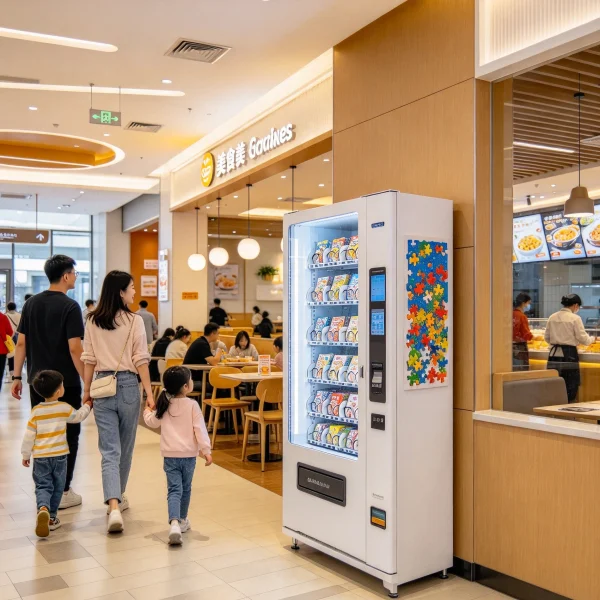
Here are the five rules that filter out bad spots before you waste a lease:
- Foot traffic volume: you want 5,000+ people passing per week just to make a real dent.
- Dwell time: waiting beats walking, every time.
- Demographics: families, young adults, and tourists buy puzzles on impulse.
- Competition: a gift shop next door can kill your sales.
- Power and security: you need a plug and a spot away from carts.
The 7 spots where puzzle vending machines actually work
Across the operators we’ve coached, these are the locations that keep showing up again and again. They share two things: enough browsing time and a crowd that already buys small gifts.
| Location | Weekly foot traffic | Why it works | The catch |
|---|---|---|---|
| Shopping mall | 15,000+ in main wing | Browsers are already in gift-buying mode | High rent; management may demand a cut |
| Tourist attraction | 8,000 to 40,000 | Visitors want souvenirs and have cash to spare | Seasonal dips can be brutal |
| Airport or transit station | 20,000+ | Long layovers and bored travelers | Strict placement rules and security checks |
| Family entertainment center | 3,000 to 10,000 | Kids and parents ready to spend | Operator may expect a revenue share |
| Bookstore or library café | 5,000+ | Quiet browsing vibe; gift buyers | Slow weekdays can drag |
| Café with seating | 4,000 to 12,000 | Dwell time over coffee; impulse gift | Space can be tight |
| Hotel lobby | 2,000 to 8,000 | Business travelers need gifts | Light foot traffic off-season |
Not every mall wing is equal. A puzzle vending machine works best near children’s play areas, cinema exits, or the food court, where people linger. The same pattern shows up with phone case printing vending machines in malls, which also depend on browsers rather than rushed commuters.
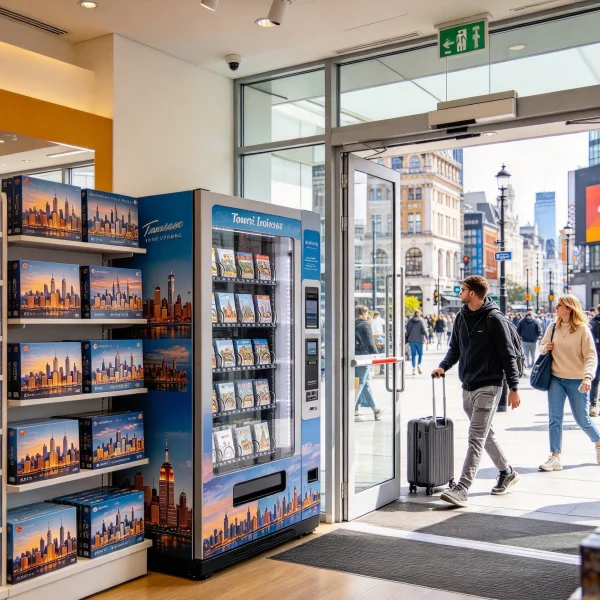
Tourist spots are a different beast. You want the machine near the exit or the gift shop, not hidden in a corridor. Visitors buy on impulse and they buy more when they have a story tied to the place. A local skyline puzzle at a landmark shop will outsell a generic geometric design every time.
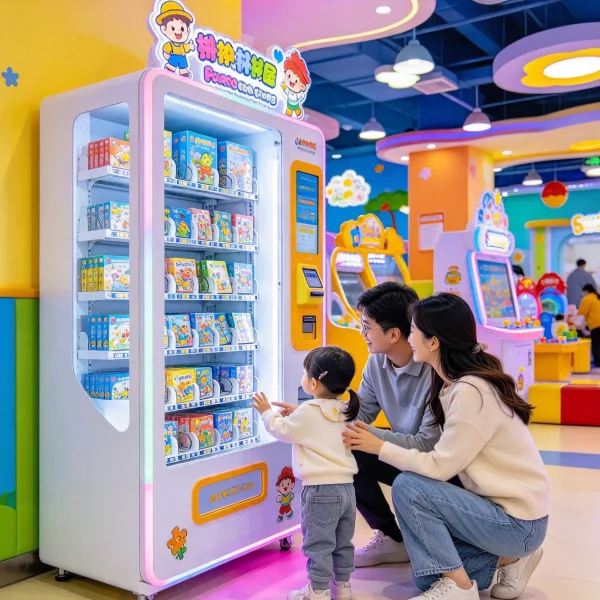
In family entertainment centers, the machine becomes part of the day out. Parents are already saying yes to smaller purchases, so a $25 puzzle feels reasonable. Keep the machine visible from the birthday party area if you can. The same crowd that buys a bubble tea vending machine in a family center will also pick up a puzzle on the way out.
How to test a spot before you commit
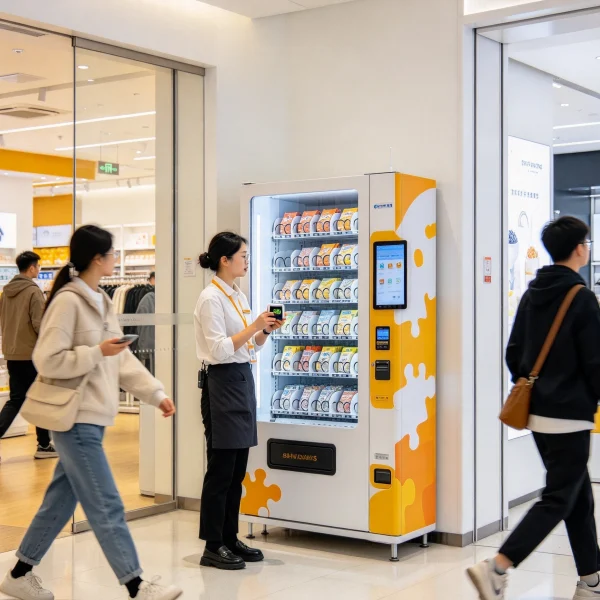
Don’t trust your gut. Put a manual clicker near the spot for a week and count people who pause more than five seconds. Better yet, ask the venue for a two-week trial with a single machine and a temporary agreement. Track sales per hour, average sale, and how many people stop but don’t buy.
Where NOT to put a puzzle vending machine
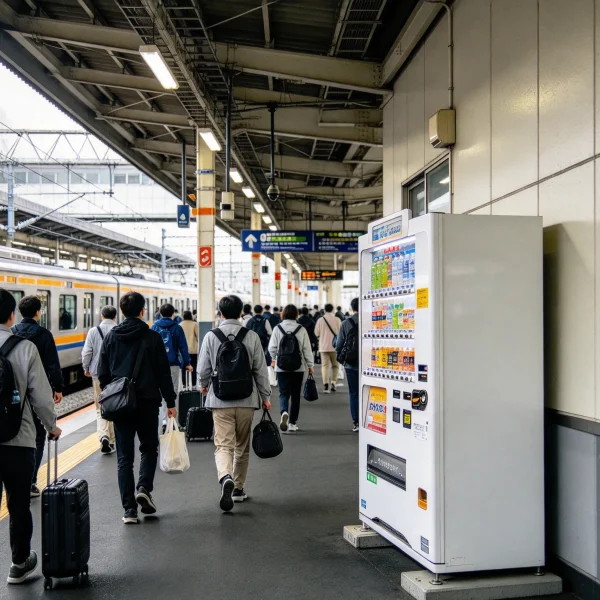
High foot traffic with zero dwell time kills this format. Subway platforms at rush hour, a busy turnstile area, or a narrow hallway where people move with bags are all bad. So are office breakrooms with five employees and a shop that already sells puzzles.
How to match the machine to the location
Once you’ve shortlisted three or four spots, you need a machine that fits them. That’s where supplier selection comes in. On VendingCore’s supplier ranking, you can compare verified suppliers, read buyer reviews, and send inquiries directly. Consider card readers, remote monitoring, and how fast you can get spare parts.
Also think about seasonal timing. A puzzle vending machine behaves like other impulse retail, and the seasonal strategy guide for phone case vending machines shows how demand peaks can shift by quarter. Use that same thinking to stock holiday-themed puzzles and plan your placement move-in dates.
As for the money side, a puzzle vending machine typically sells a $20 to $35 puzzle with cost of goods around $8 to $12, so gross margin lands around 55 to 65%. That structure is close to cotton candy vending machine profit margins, but puzzles don’t expire. You can hold inventory for months without spoilage.
The short version
Pick a spot with dwell time, test it, and match the machine’s payment tech to the people around it. If the trial numbers don’t hit your sales target, move it. The best location is one you can walk away from in three months, not the one with the best-looking lobby.
Puzzle vending machines are the most location-sensitive vending product I know. They need the same browsing energy as a greeting card display, not the grab-and-go energy of a soda machine. Operators who succeed treat placement as an experiment: measure, adjust, and move fast when the data says the spot is wrong.
FAQ
What is the best location for a puzzle vending machine?
Shopping malls, tourist attractions, and family entertainment centers perform best because they combine steady foot traffic with browsing behavior. Within each spot, choose an area with dwell time, like a food court seating zone or near a checkout line. Test two or three spots before committing to a long lease.
How much foot traffic do I need for a puzzle vending machine?
Aim for at least 5,000 people passing per week, and make sure a good share of them stop for longer than a minute. The actual number you need depends on price and local competition. Track how many people pause in front of the machine; that’s a better predictor than the raw people count.
How long does it take to break even on a puzzle vending machine?
Most operators recover their equipment cost in 4 to 8 months when the machine is placed well. That assumes you pay $4,000 to $7,000 for a quality machine and sell at a consistent pace. If you’re not on track by month three, move the machine before you’ve lost a whole season.
Should I rent a place or use a revenue share?
A revenue share is usually safer when you’re testing a new location. Landlords often ask for a monthly minimum plus a percentage, so push for a short pilot with a lower minimum first. Once the numbers prove the spot works, you can negotiate a longer deal with more favorable terms.
How much space does a puzzle vending machine need?
Most puzzle vending machines are around 3 feet wide, 6 feet tall, and 2 feet deep. You also need clearance for the door to open and space for people to stand back while browsing. Measure the delivery path too, including elevator access, before you sign anything.
What are the most profitable puzzle designs?
Locally themed puzzles and always-fresh collections like animals, landmarks, and pop culture references sell best. Machines that let customers pick the scene on a touchscreen can charge a premium of $5 or more. Test design performance after each restock and cut the slow movers.
Do puzzle vending machines work in small towns?
They can, but only in spots with event-driven traffic, like a local museum, a diner with steady seating, or a family-friendly recreation center. Small towns have lower daily volume, so focus on weekends and special events. One operator we know runs his in a farm store during autumn and moves it to a ski lodge in winter.