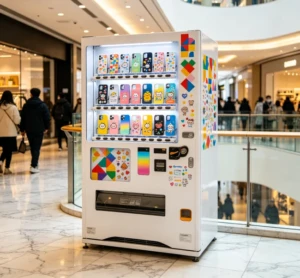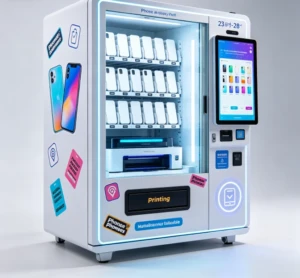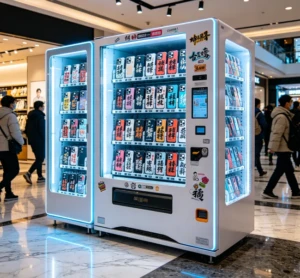
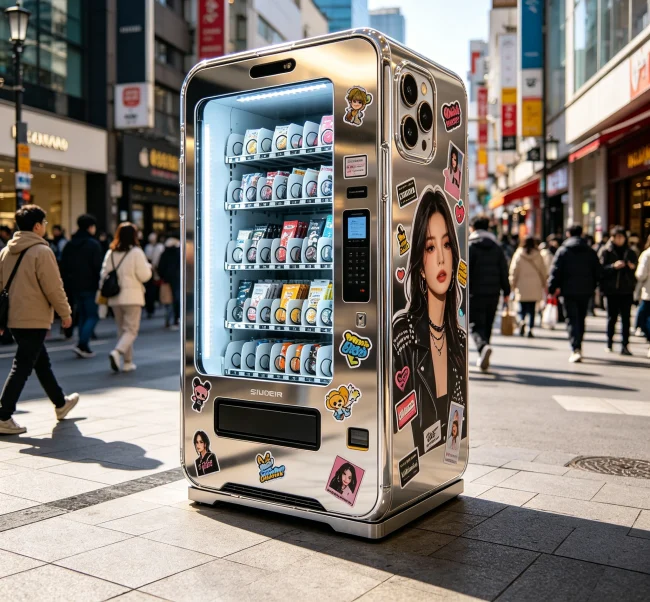
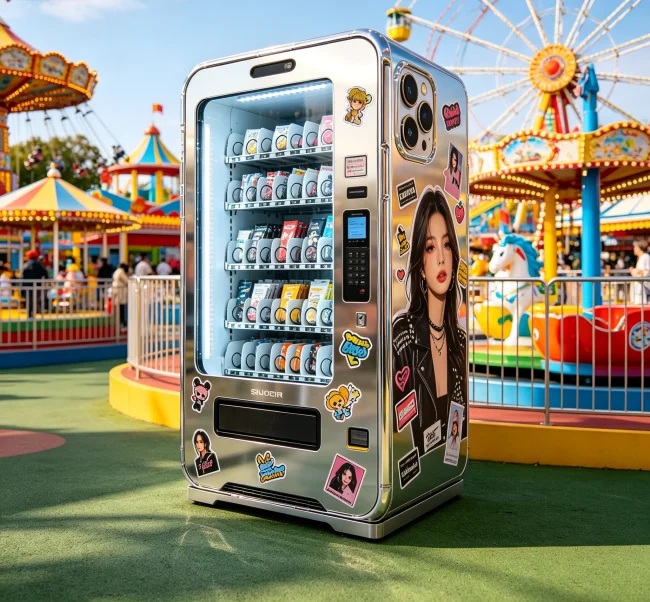
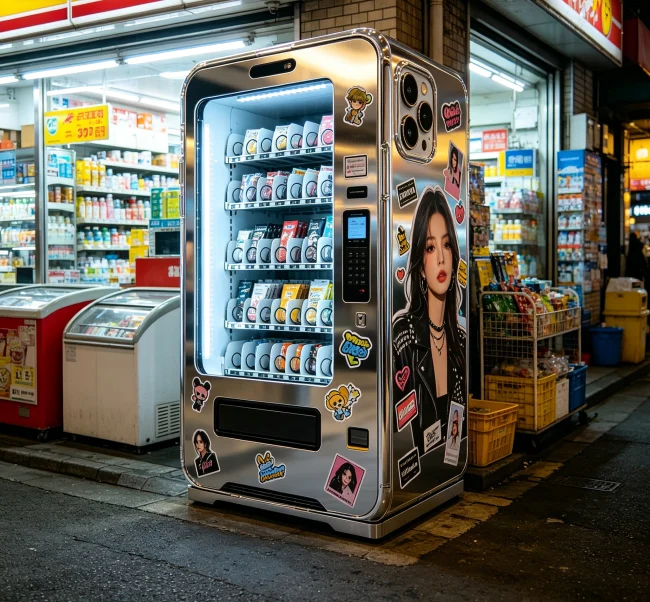
The best time to start a phone case vending machine business is during the back-to-school season in August or the holiday shopping surge from October to December, when foot traffic in malls, campuses, and entertainment venues increases by 40-60%. These machines operate 24/7, generating impulse purchases from customers already in high-traffic locations. You can place them in university student unions, shopping mall food courts, movie theater lobbies, and airport terminals. Modern units feature touchscreens for custom designs, support contactless payments, and offer high-margin accessories like screen protectors and pop sockets.
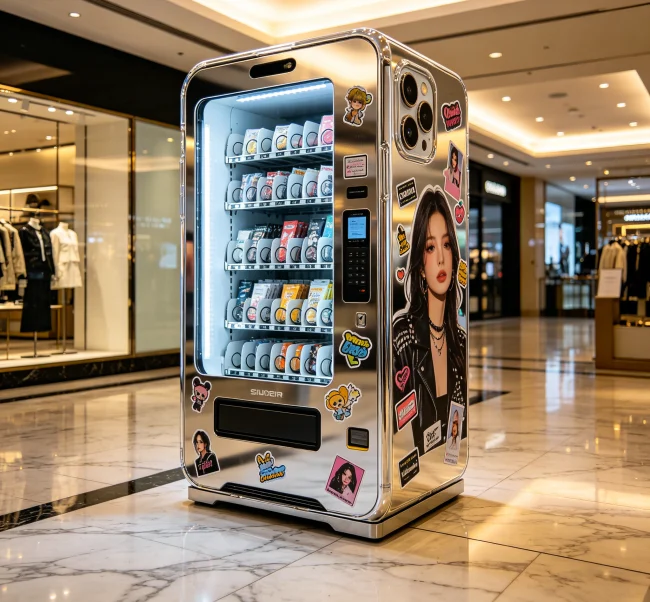
Think about it—timing isn’t just about the calendar. It’s about aligning your launch with consumer behavior and your own readiness. Jumping in during a peak season without the right location or supplier locked down is a recipe for stress. But if you’ve done your homework, hitting that seasonal wave can give your new business incredible momentum right out of the gate.
💡 Key Takeaway: Target August or October-December for launch, but only if your location, machine, and supplier are fully secured first.
So, how do you know if the market’s right? Look beyond the season. The real signal is a combination of foot traffic recovery and disposable spending trends. After the last few years, people are back out and spending on personal tech and accessories. If you’re seeing packed malls and long lines at coffee shops near campuses, that’s your green light.
Another huge signal? Phone upgrade cycles. When a major new smartphone model hits the market, case sales spike. Launching your business a month before a widely anticipated phone release is a strategic move. Your customers aren’t just buying a case—they’re protecting a new, significant investment.
Your Personal Readiness Checklist
Timing the market is one thing. Being ready yourself is another. Here’s a quick reality check.
Do you have the capital? Beyond the machine itself, budget for location fees (commissions or rent), initial inventory, a cash float, and marketing. Is your location secured? A signed agreement is the only thing that counts. Most importantly, have you chosen a reliable machine? This is where many first-time operators stumble. You need a supplier that offers durable hardware, clear technical support, and a straightforward way to restock popular designs.
This is precisely where a platform like VendingCore adds immense value. Instead of gambling on a single unknown manufacturer, you can compare specs, prices, and support terms from a network of over 500 pre-verified partners. That competition among suppliers on our platform is how buyers typically see cost savings of 15-30%. You’re not just buying a machine; you’re investing in uptime.
💡 Practical Advice: Never sign a location lease before you have a confirmed supplier and machine delivery timeline. Your location partner expects reliability.
The High-Season vs. Low-Season Strategy
Let’s break down the two main launch strategies.
Launching in a high season (like Q4) has obvious perks: immediate cash flow, faster brand visibility, and quick feedback on your best-selling case designs. The downside? Everyone is busy. Securing installation help might be harder, and if there’s a technical glitch, service response could be slower.
A low-season launch (say, February or April) has its own advantages. You have time to install, test, and troubleshoot without pressure. You can train staff, refine your restocking process, and build relationships with location managers. You’re building a foundation so you’re operating smoothly when the peak hits. The trade-off is slower initial revenue.
| Launch Timing | Pros | Cons | Best For |
|---|---|---|---|
| High Season (Oct-Dec) | Immediate revenue, high visibility, fast market feedback. | Competitive logistics, potential service delays, pressure to perform. | Operators with experience, secured premium locations, and tested equipment. |
| Low Season (Feb, Apr) | Time to perfect operations, easier support, less competition for attention. | Slower start, delayed ROI, requires more runway capital. | First-time operators focusing on setup, testing, and building processes. |
The Critical Path: From Idea to Launch
Here’s what your timeline should look like, working backward from your target launch date.
3-4 Months Before Launch: This is research and sourcing phase. Identify potential locations and start conversations. This is the most critical time to source your machine. Vet suppliers thoroughly on hardware quality, payment system reliability, and after-sales service. With VendingCore’s network, you can access manufacturers whose products meet international certifications like CE and RoHS, which is a baseline for durability. The platform’s track record of 10,000+ transactions offers a layer of trust.
2-3 Months Before: Finalize location contracts and order your machine. Lead times can vary. Begin designing or sourcing your initial inventory of cases—mix popular generic designs with some local flair.
1 Month Before: Machine delivery and installation. Test every function: payment, dispensing, remote monitoring. Run a soft launch with friends or location staff.
Launch Week: Go live! Start marketing within the venue. Monitor sales data daily to see which designs sell and which don’t.
💡 Critical Info: Build a 4-month runway from supplier selection to launch day. Rushing this process is the top reason for early failures.
FAQs: Your Timing Questions Answered
Q: I found a great location available now, but it’s May. Should I wait for August?
A: Don’t let a perfect location slip away. Secure it, and use the summer months to install and test. A quiet May-June period is ideal for working out kinks. You’ll be polished and ready for the August rush.
Q: How important is the new phone release cycle?
A: Very. Sales data shows a 50-70% spike in case sales in the 8 weeks following a major flagship phone launch. Aligning your business start with this cycle guarantees a stronger initial performance.
Q: Can I start with just one machine?
A: Absolutely. In fact, we recommend it. Starting with a single unit in a high-traffic location lets you learn the business—restocking, maintenance, sales patterns—before you scale. It minimizes risk while proving your concept.
Q: What’s the biggest mistake in timing?
A: Two things: rushing to meet a season with an unvetted supplier, and waiting forever for “perfect” conditions. Avoid the first by doing diligent supplier checks (platforms with verified manufacturers help immensely). Avoid the second by setting a concrete deadline and following your readiness checklist.
Ultimately, the best time to start is when you have a strong location, a reliable machine from a trusted supplier, and enough runway capital to cover the first few months. While seasonal peaks in late summer and late fall offer a fantastic boost, they’re the icing on the cake—not the cake itself. Platforms like VendingCore exist to de-risk the supplier piece of that equation, connecting you with a global network of quality manufacturers so you can focus on location and launch timing with confidence.
Ready to compare vending machines for your business? Explore options from hundreds of verified manufacturers in one place.