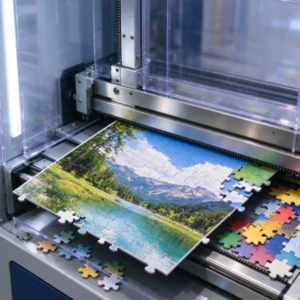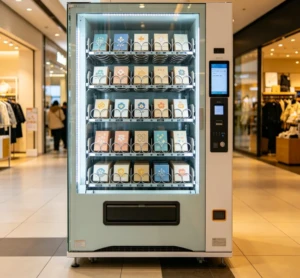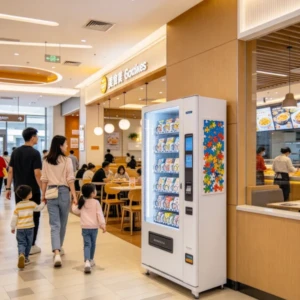
A custom puzzle vending machine typically costs between $3,500 and $8,500, with the final price heavily dependent on your chosen features, payment systems, and order quantity. This isn’t just a novelty item—it’s a fully automated retail business that prints, packages, and vends personalized jigsaw puzzles on demand. For entrepreneurs, that price tag buys a turnkey operation capable of generating revenue in high-foot-traffic locations, with the real magic lying in the customization options for both the hardware and the puzzle-creating software.
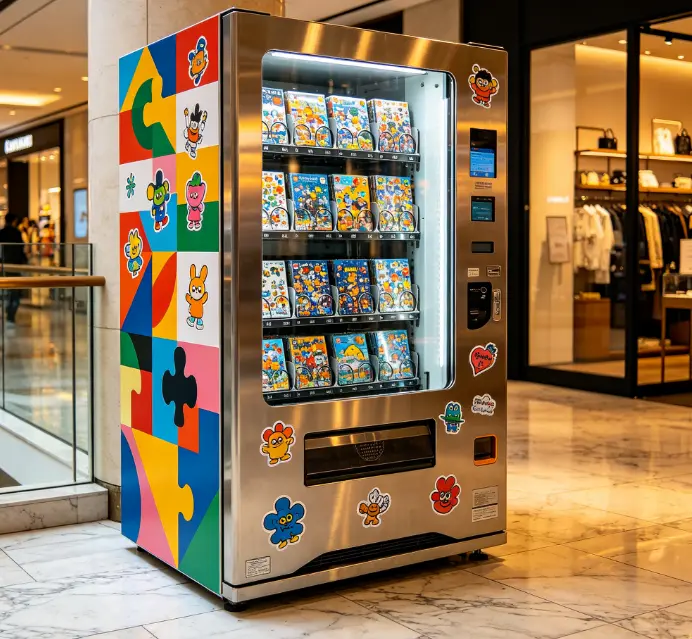
Let’s break down what you’re really investing in and how to make it pay off.
You’re not buying a machine; you’re buying a revenue stream. The profit model here is compelling because you’re selling an experience, not just a product. A customer pays a premium—often $15 to $30—for a puzzle made from their own photo. Your material cost? Maybe $2-$4 for the puzzle blank, packaging, and printing.
That’s a strong margin. In a decent location like a museum, zoo, tourist boardwalk, or large family entertainment center, a single machine can easily see 5-10 transactions per day. Do the math: at an average of $20 per sale, you’re looking at $100-$200 in daily revenue. That’s how you can realistically aim for an ROI in 2-4 months with good site placement and basic marketing. The machine works 24/7, requires no staffing, and taps into the powerful trend of personalized gifts.
💡 Key Takeaway: Your location is 80% of your success. Scout for spots with captive, sentimental audiences—think tourist attractions, weddings venues, or graduation events—where people want a unique keepsake.
Navigating Features & Specifications: What Actually Matters
Here’s where most product pages throw a dizzying list of tech specs at you. Let’s translate them into what impacts your business.
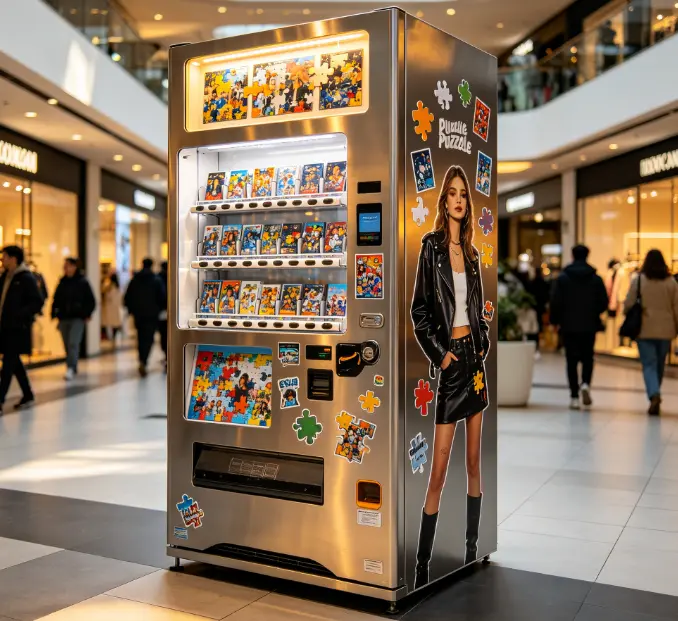
First, the core components:
- Printing System: Look for a high-resolution dye-sublimation printer. It’s the industry standard for photo-quality, durable prints that won’t fade or scratch easily. Ask about print speed—a 30-second print is good; 60 seconds might create a frustrating queue.
- Payment System: This is critical for user adoption. Modern machines should offer a touchless trifecta: credit/debit card reader (EMV compliant), mobile wallet/QR code payments, and a traditional coin/bill acceptor. Don’t lock yourself into cash-only.
- Software & UI: The customer touchscreen needs to be intuitive. Can users easily upload photos from social media, a USB drive, or take a picture with a built-in camera? The backend software for you, the owner, is even more important. You need remote access to monitor sales, adjust pricing, and see if the machine is low on supplies or paper.
Customization goes beyond your logo on the machine. You can often choose the puzzle size (common options are 100 to 1000 pieces), the style of the puzzle box, and even integrate the machine’s software with your own branding.
💡 Critical Info: Always ask for a live demo of the software—both customer-facing and admin. Clunky software is the number one cause of abandoned transactions and owner frustration.
The Supplier Landscape: How to Buy Without the Headache
Search for “custom puzzle vending machine” and you’ll be flooded with B2B marketplace listings from Alibaba or Made-in-China. While these platforms give you access to a wide range of manufacturers, they place the entire burden of vetting on you. How do you know if Supplier A’s “high-quality thermal printer” is the same as Supplier B’s? What about after-sales support?
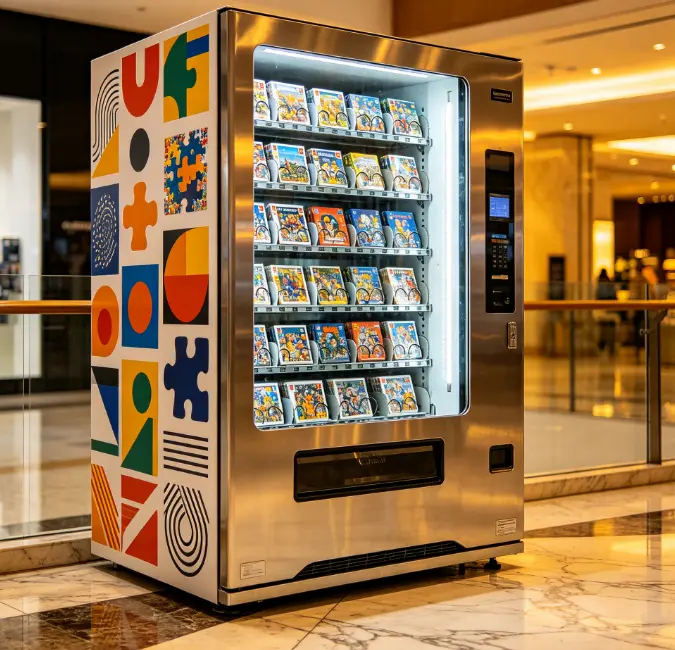
This is where a specialized sourcing service adds tremendous value. At VendingCore, our role is to cut through that noise. We don’t just send you a list of links; we use our deep network and industry knowledge to match you with manufacturers whose build quality, software stability, and support reputation align with your business goals. We help you ask the right technical questions and navigate the quoting and shipping process, which is especially valuable for first-time importers.
The best manufacturers will offer key international certifications like CE, UKCA, and RoHS—these aren’t just stickers; they’re assurances of electrical safety and environmental compliance, which can be crucial for placing machines in malls or airports.
💡 Practical Advice: When requesting quotes, be specific. List your must-have features (payment types, puzzle sizes). The more detailed your inquiry, the more accurate and comparable the quotes you’ll receive from manufacturers.
Operational Success: What Happens After It’s Installed?
Your work begins once the machine is plugged in. Sourcing puzzle blanks is an ongoing task—you’ll need a reliable supplier for the pre-cut puzzle boards. Plan for routine maintenance: dusting the printer, refilling paper and puzzle blanks, and clearing any occasional jams. Most quality machines have modular components for easy swap-out if something fails.
Marketing the machine is your job. Work with the location owner on promotions. Use social media to showcase fun puzzles created on-site. The machine itself is a billboard—make sure its exterior graphics clearly explain the fun, easy process.
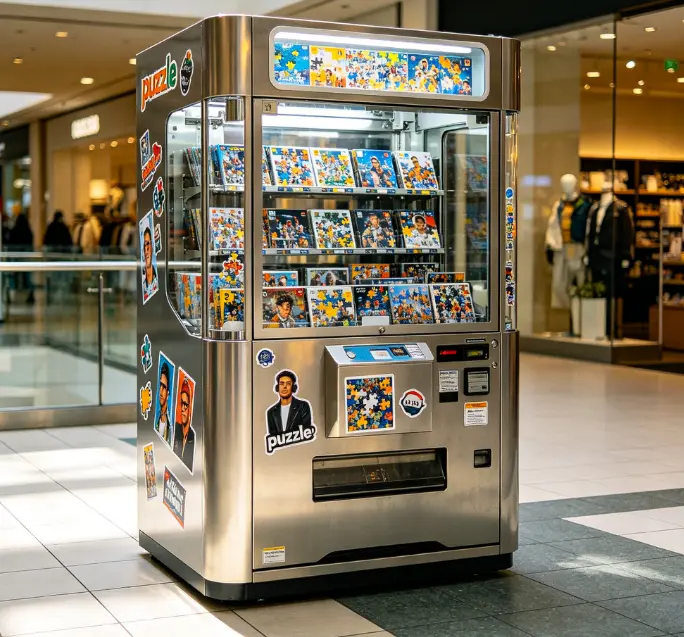
Finally, think about scalability. If your first machine is a hit, what’s the plan for a second or third? Choosing a manufacturer with reliable stock and consistent quality from the start makes expansion infinitely easier. That’s a long-term benefit of working with a sourcing partner who understands your growth trajectory—they can facilitate repeat orders and introduce you to manufacturers with scalable production capacity.
💡 Important Point: Factor in a “spare parts budget” (around 5-10% of machine cost) from day one. Having an extra print head or card reader module on hand can save you weeks of downtime waiting for international shipping.
If you’re evaluating custom puzzle vending machines and want to connect with manufacturers that match your specific requirements for quality, software, and support, our team at VendingCore can help. We provide sourcing expertise to navigate the global market. **Submit your project details, and we’ll match you with qualified suppliers that fit your business model and technical needs.