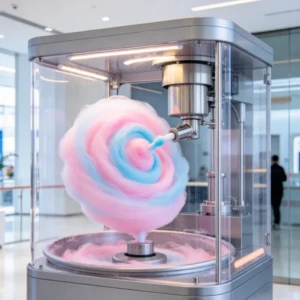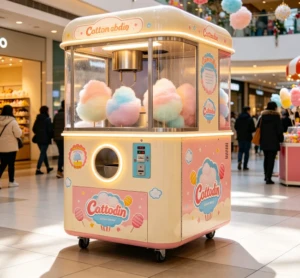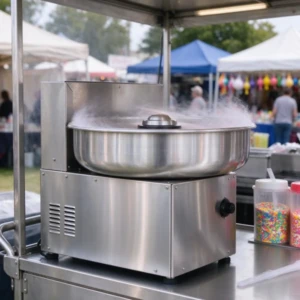
The average cotton candy vending machine ingredients cost is between $0.10 and $0.25 per serving, with bulk sugar purchases driving the price down to as low as $0.08 per serving for high-volume operators. That means you’re looking at a raw material cost of roughly 10-25% of your selling price—assuming you’re charging $3 to $5 per cotton candy.
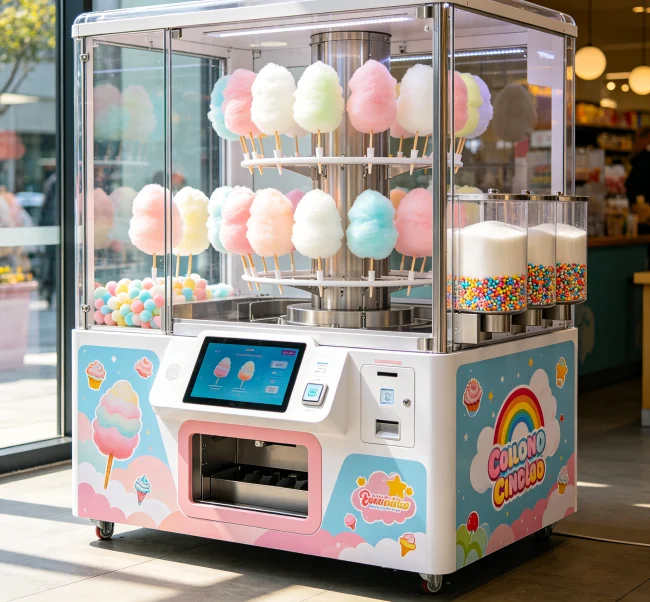
Most people searching for this keyword aren’t just curious about sugar prices. They’re doing the math on whether this business actually makes sense. And honestly? The numbers look pretty good if you know where to source your supplies and what hidden costs to watch for.
Let’s break down exactly what you’ll spend on ingredients, where to buy them, and—most importantly—how to avoid the rookie mistakes that eat into your profits.
The Real Cost Breakdown: What Goes Into One Serving
Here’s the thing about cotton candy ingredients—it’s mostly sugar, but not all sugar is created equal. The machines need specific granulation sizes to work properly, and using the wrong stuff will clog your machine faster than you can say “profit margin.”
The core ingredients you’ll need:
Most operators use pre-colored floss sugar because it’s easier and more consistent. A 5-pound bag of floss sugar (which makes roughly 80-100 servings) costs about $10–$15 on Amazon or Alibaba. That works out to $0.10–$0.19 per serving just for the sugar.
But here’s where it gets interesting—buying in bulk from commercial suppliers drops that price significantly. A 50-pound bag from a wholesale distributor runs around $40–$60, bringing your per-serving sugar cost down to $0.08–$0.12.
💡 Money-Saving Tip: Don’t buy pre-portioned sugar packets from Amazon unless you’re testing flavors. Go straight to restaurant supply distributors or Alibaba for bulk floss sugar—you’ll save 30-50% compared to retail prices.
Where to Actually Buy Your Ingredients
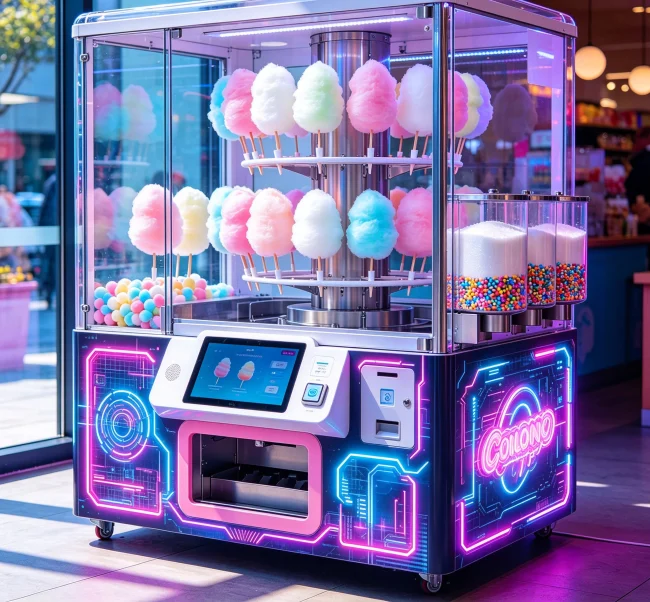
Amazon and Alibaba dominate the search results for a reason—they’re the easiest places to start. But “easy” isn’t always “cheapest.”
Amazon is great for testing the waters. You can buy 5-pound bags of floss sugar in multiple flavors, try different brands, and see what works with your machine. The downside? You’re paying retail prices, and shipping costs add up fast.
Alibaba is where the serious operators go. You’ll find suppliers offering 20kg (44-pound) bags of floss sugar for $25–$40, plus shipping. The catch? Minimum order quantities are usually 50–100 bags, and shipping from China takes 3–6 weeks. Not ideal if you’re just starting out.
Restaurant supply stores (like Sysco, US Foods, or local equivalents) are the sweet spot for US-based operators. They stock commercial-grade floss sugar at wholesale prices, and you can buy in smaller quantities than Alibaba requires.
Specialty vending suppliers—companies like VendingCore that understand the vending ecosystem—often have preferred supplier relationships. When you’re buying a machine from them, they can point you toward reliable ingredient sources that work specifically with their equipment. That’s worth asking about.
The Hidden Costs Nobody Talks About
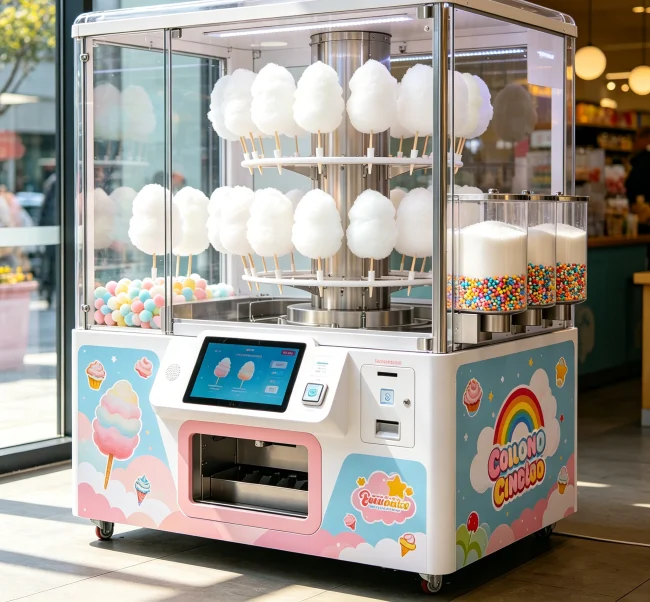
Most articles stop at “sugar costs 10 cents per serving” and call it a day. But there’s more to the story.
Waste and spoilage is the first hidden cost. Cotton candy machines produce a lot of overspray—sugar that doesn’t stick to the cone and ends up on the machine floor. Depending on your machine’s quality and your skill level, you’re looking at 10-20% waste. A $0.10 serving cost becomes $0.12–$0.13 after waste.
Cleaning supplies are another expense. You’ll need specialized cleaning solutions to prevent sugar buildup in the machine. Budget about $0.01–$0.02 per serving for cleaning chemicals and replacement parts like heating elements.
Packaging costs can sneak up on you. If you’re pre-packaging cotton candy for retail sales, you need bags, labels, and possibly nitrogen flush equipment to keep it fresh. That adds $0.05–$0.15 per unit depending on your packaging quality.
Electricity is often overlooked. A commercial cotton candy machine draws about 1,500–2,000 watts. Running it 8 hours a day at $0.12/kWh adds roughly $1.50–$2.00 per day to your operating costs. Spread across 200 servings, that’s another $0.01 per serving.
So your real all-in ingredient cost—including waste, packaging, cleaning, and power—is closer to $0.18–$0.35 per serving for most operators. Still incredibly low compared to your $3–$5 selling price, but important to know before you start projecting profits.
⚠️ Critical Warning: Don’t use regular grocery store sugar in your machine. It’s too fine and will melt before it spins, causing jams and burnt sugar smells. You need “floss sugar” or “cotton candy sugar” with larger granules—it’s specifically designed for the spinning process.
How Ingredient Quality Affects Your Machine
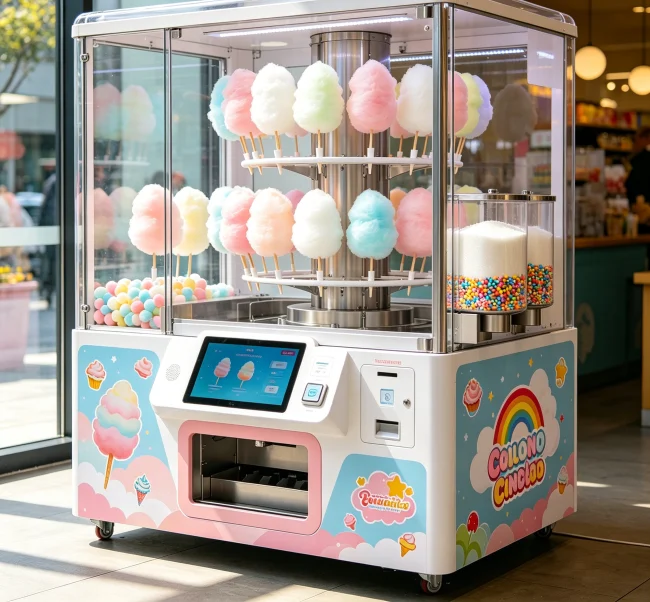
Here’s something the ingredient cost calculators don’t tell you—cheap sugar can destroy your machine.
Low-quality floss sugar often contains anti-caking agents or inconsistent granule sizes. These get stuck in the heating element, cause uneven melting, and lead to frequent breakdowns. One bad batch of sugar can cost you $200+ in repairs and a day of lost revenue.
I’ve talked to operators who thought they were saving money by buying the cheapest sugar on Alibaba. Three months later, they’d spent more on replacement heating heads than they saved on ingredients.
The smart play? Stick with reputable brands like Gold Medal, Flossine, or Paragon for your floss sugar. They cost a bit more upfront, but they’re formulated specifically for vending machines and produce consistent results. Your machine will thank you.
For a deeper look at how ingredients fit into your overall business model, check out our guide on cotton candy vending machine profit margin—it walks through the full financial picture.
Building a Profitable Ingredient Strategy
So what does this all mean for your bottom line?
Let’s run some realistic numbers:
Sell 100 servings a day, and you’re looking at $375 in daily gross profit. Even after machine costs, location fees, and maintenance, that’s a healthy business.
The key to maximizing this margin comes down to three things:
If you’re serious about getting into this business, I’d recommend reading our complete guide on starting a cotton candy vending machine business. It covers everything from machine selection to location scouting to scaling your operation.
The Bottom Line on Ingredient Costs
Cotton candy vending machine ingredients are cheap—there’s no way around it. With per-serving costs under $0.25, you’ve got massive room for profit.
But “cheap ingredients” doesn’t mean “buy the cheapest option.” The real winners in this business understand that ingredient quality directly impacts machine reliability, customer satisfaction, and long-term profitability.
Start with reputable suppliers, buy in bulk once you’ve validated your location, and always factor in those hidden costs. Do that, and you’ll be in great shape.
For a complete breakdown of costs, profits, and ROI, check out our cotton candy vending machine ROI guide. It’ll help you build a realistic financial model before you invest a dollar.