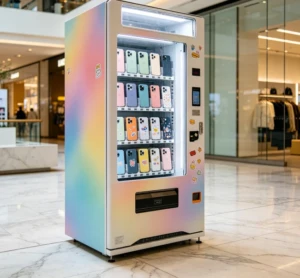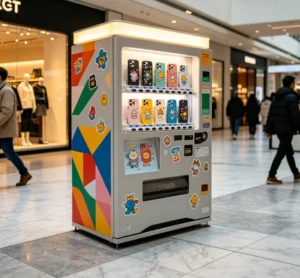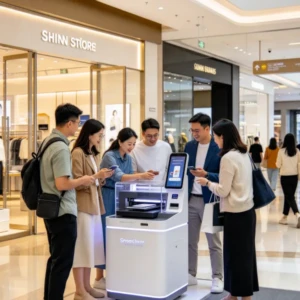
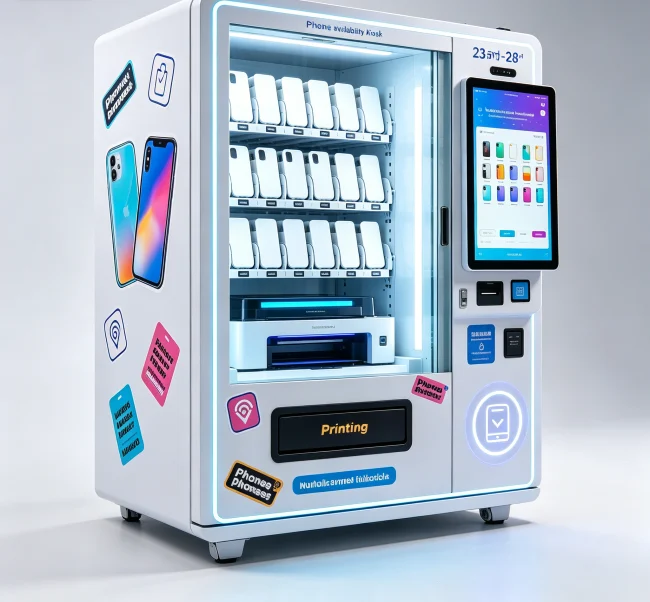
Phone Case Printing Vending Machine is a smart retail device that can generate over $3,000 in monthly revenue when placed in a high-traffic location like a mall or college campus. These machines let customers design and print custom phone cases in under 5 minutes, combining AI-powered design software with UV printing technology. For entrepreneurs looking to tap into the booming $40 billion phone accessories market, this is a low-labor, high-margin business model worth serious consideration.
How a Phone Case Printing Vending Machine Actually Works
You might be picturing a standard vending machine that just dispenses pre-made cases. But these machines are way cooler than that. They’re essentially mini manufacturing plants.
Here’s the basic flow:
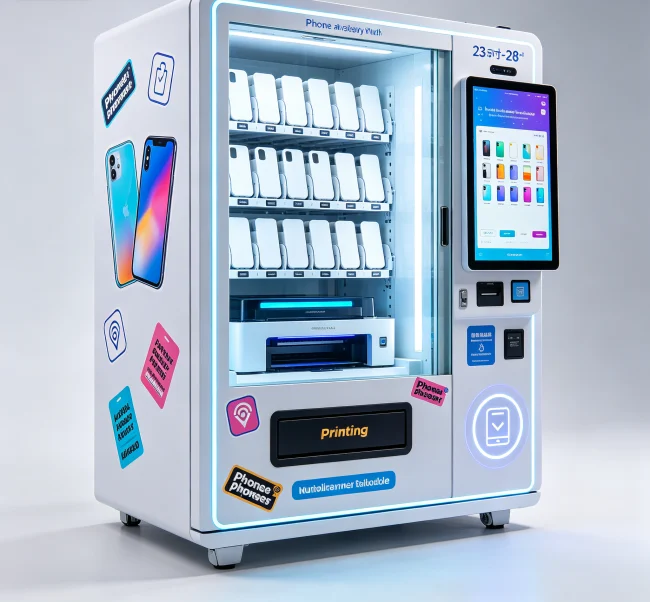
A customer walks up, selects their phone model from the touchscreen, and then gets creative. They can upload a photo, pick from hundreds of templates, add text, or even use AI to generate a unique design. Once they’re happy, they hit print. The machine grabs a blank case, prints their design using UV ink, and delivers it in about 3-5 minutes.
The technology behind it is surprisingly sophisticated. Most machines use UV flatbed printers with CMYK+White ink systems, meaning colors pop on any case color. The print heads are industrial-grade, capable of 1200-2400 DPI resolution. That’s sharper than what most home printers can do.
Some machines even support multiple case types – hard plastic, silicone, even clear cases with edge-to-edge printing. The best ones automatically adjust print parameters based on the material.
💡 Key Tip: When evaluating machines, don’t just look at the hardware price. Factor in the software subscription costs, ink refills, and blank case inventory. These ongoing expenses can eat 30-40% of your revenue.
The Business Case: Why This Model Works
Let’s talk numbers, because that’s what really matters.
A typical phone case printing vending machine costs between $8,000 and $25,000 depending on features and brand. Each blank case costs you around $2-4. You sell the final product for $15-25. That’s a gross margin of 70-80% per case.
Here’s a realistic monthly scenario for a machine in a busy mall:
| Metric | Value |
|---|---|
| Daily transactions | 15-25 |
| Average sale price | $18 |
| Monthly revenue | $8,100 – $13,500 |
| Monthly costs (materials + rent) | $2,500 – $4,000 |
| Monthly profit | $5,600 – $9,500 |
The beauty? No employees needed. No inventory management beyond blank cases. No shipping headaches. The machine does everything.
Compare that to a traditional retail store selling phone cases. You’d need staff, rent for a bigger space, and you’d be stuck with inventory that might not sell. The vending machine model eliminates all that friction.
💡 Practical Advice: Start with a single machine in a proven location before scaling. Track your daily sales, popular designs, and peak hours for at least 3 months. This data will tell you exactly where to place your next machine.
What to Look for in a Quality Machine
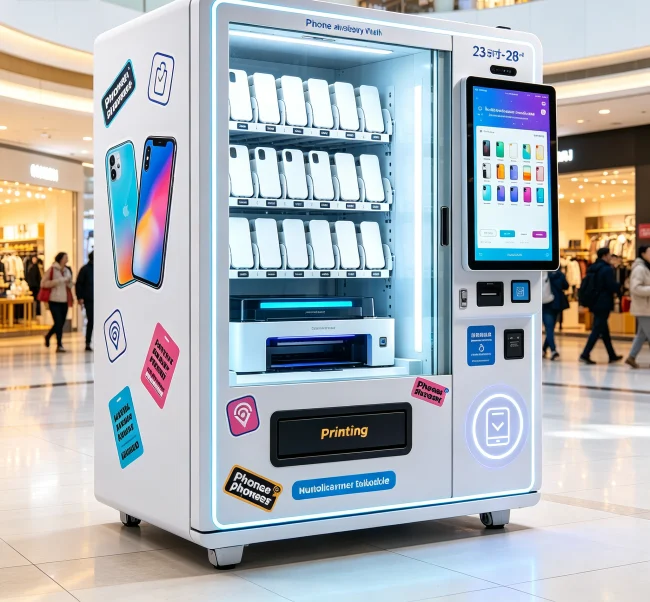
Not all phone case vending machines are created equal. Here’s what separates the winners from the losers.
Print Quality is Everything. If cases come out blurry or colors are off, customers won’t come back. Look for machines with industrial-grade UV print heads, not modified desktop printers. Resolution should be at least 1200 DPI. The ink system should support both CMYK and white ink for printing on dark cases.
Speed Matters. A machine that takes 8 minutes per case will create a line. You want something that delivers in under 5 minutes. The fastest machines can do it in 2-3 minutes.
Software Makes the Difference. The design interface needs to be intuitive. Customers shouldn’t need a tutorial. Look for machines with AI-powered design tools that can generate professional-looking designs from a simple photo. The software should also handle order management, inventory tracking, and remote monitoring.
Durability is Non-Negotiable. These machines run 12-16 hours a day. You need industrial-grade components. Check for things like commercial-grade touchscreens, heavy-duty print mechanisms, and reliable power supplies. A machine that breaks down every month will kill your business.
💡 Critical Info: Always ask for references from current machine owners. A supplier might promise the world, but actual users will tell you the truth about reliability, print quality, and customer support. Don’t skip this step.
Location Strategy: Where to Put Your Machine
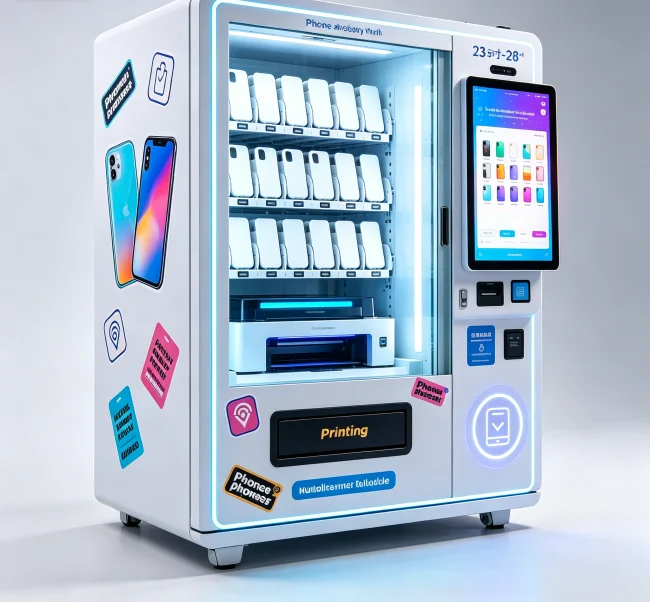
Location is everything in this business. You need high foot traffic and the right demographic.
Top locations that work:
The key is finding places where people have time to wait 3-5 minutes and are in a spending mood. Malls near the food court work great because people are already browsing. College campuses work because students love personalizing their stuff.
Avoid locations with low foot traffic or where people are in a hurry. Subway stations? Bad idea. People want to get on the train, not design a phone case.
💡 Key Takeaway: Negotiate a revenue share with location owners instead of paying fixed rent. A 10-15% revenue share is standard and protects you if traffic is slow. This is especially important when testing new locations.
Common Mistakes to Avoid
I’ve seen entrepreneurs make the same mistakes over and over. Here’s what to watch out for.
Buying the cheapest machine. You get what you pay for. A $6,000 machine might seem like a deal, but if it breaks down weekly and prints poorly, you’ll lose money fast. Invest in quality.
Ignoring maintenance. These machines need regular cleaning, ink refills, and occasional part replacements. Set up a weekly maintenance schedule. A dirty print head ruins every case it prints.
Poor design templates. Your machine is only as good as the design options it offers. Invest in professional templates. Update them seasonally. Bad design options mean fewer sales.
Forgetting about software updates. The phone market changes constantly. New models come out. Software needs updates. Make sure your supplier provides ongoing software support.
The Future of Phone Case Vending Machines
This industry is evolving fast. Here’s what’s coming.
AI design tools are getting smarter. Soon, customers might just describe what they want and the AI creates it. No more struggling with design interfaces.
Multi-function machines are emerging. Some new models can print on multiple products – phone cases, tablets, laptops, even water bottles. This increases revenue per location.
Sustainability is becoming a big deal. Biodegradable case materials and eco-friendly inks are gaining traction. Machines that offer these options will have a marketing advantage.
Integration with social media is the next frontier. Imagine customers designing a case, sharing it on Instagram, and getting a discount code. This creates viral marketing for your machine.
💡 Important Point: When choosing a supplier, look for one that offers remote monitoring and diagnostic capabilities. This lets you track machine health, sales data, and ink levels from your phone. It’s a game-changer for managing multiple locations.
How to Get Started
Ready to dive in? Here’s your action plan.
First, research suppliers thoroughly. Look for companies with a track record of reliable machines and good customer support. Check reviews, ask for references, and if possible, visit a location with an existing machine.
Second, secure a location before buying the machine. Nothing worse than having a $20,000 machine sitting in your garage because you can’t find a spot for it.
Third, plan your marketing. Social media is your best friend here. Create content showing cool designs being printed. Partner with local influencers. Offer discounts for first-time users.
Fourth, think about your design strategy. What templates will you offer? How will you keep them fresh? Consider seasonal themes, local landmarks, popular culture references.
Finally, if you’re looking for a reliable partner in this space, consider reaching out to VendingCore. They specialize in smart vending solutions and can help you navigate the entire process from machine selection to location strategy.
—