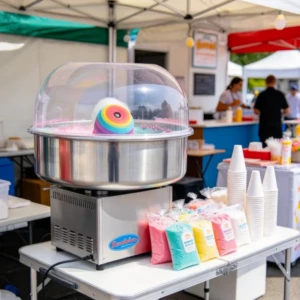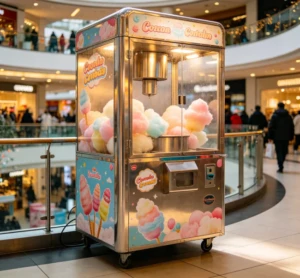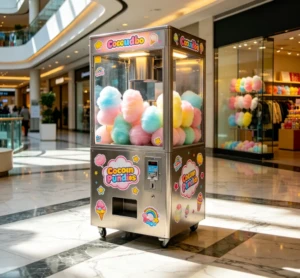
Starting a cotton candy vending machine business requires an initial investment of $3,000 to $10,000, with strong potential to generate $500 to $2,000 in monthly revenue per machine. This cash-based, semi-passive model thrives in high-traffic venues like malls, stadiums, and festivals, offering a relatively quick path to profitability for entrepreneurs who master location, operations, and smart sourcing.
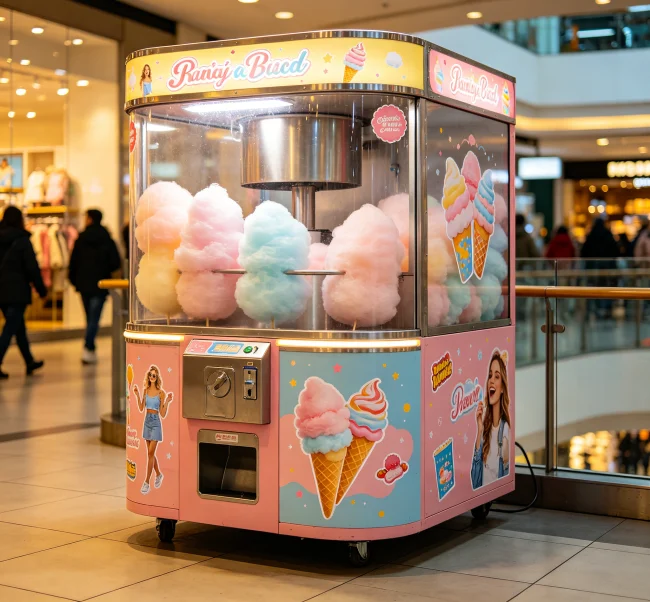
The allure is clear: a simple, nostalgic product with high perceived value and low ingredient cost. The market is driven by consistent demand at family-friendly events and venues. However, success isn’t automatic. The primary advantages are low overhead, scalability, and the appeal of a classic treat. The challenges you must plan for include securing prime locations in a competitive landscape, managing machine maintenance, and navigating local health department regulations for food vending. It’s a business of logistics and relationships, not just spinning sugar.
Your 7-Step Startup Roadmap
Deep Dive: Costs, Profitability & Your ROI
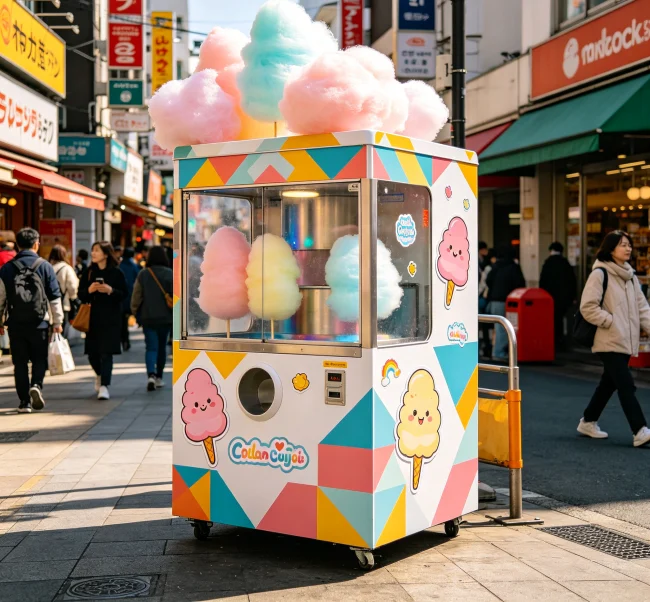
Understanding your financials is non-negotiable. Let’s break it down with a realistic scenario.
| Startup Cost Item | Estimated Cost Range |
|---|---|
| Commercial Cotton Candy Machine | $1,500 – $5,000 |
| Initial Inventory (Sugar, Cones, etc.) | $200 – $500 |
| Business Licensing & Permits | $100 – $500 |
| Insurance (Liability) | $300 – $600/year |
| Transportation (Cart/Vehicle) | $500 – $2,000 |
| Total Estimated Startup Cost | $2,600 – $8,600+ |
| Monthly Operating Cost | Estimated Cost |
|---|---|
| Product Supplies (Sugar, Cones) | $0.50 – $1.00 per unit sold |
| Location Revenue Share (15-25%) | 15-25% of gross sales |
| Transportation & Fuel | $50 – $150 |
| Machine Maintenance Fund | $50 – $100 |
Profit Calculation Example:
With a startup investment of $5,000, this scenario suggests a return on investment (ROI) in approximately 3-6 months. Your actual timeline depends entirely on your machine cost, location performance, and operational efficiency.
The Machine Selection Guide: Comparing Your Options
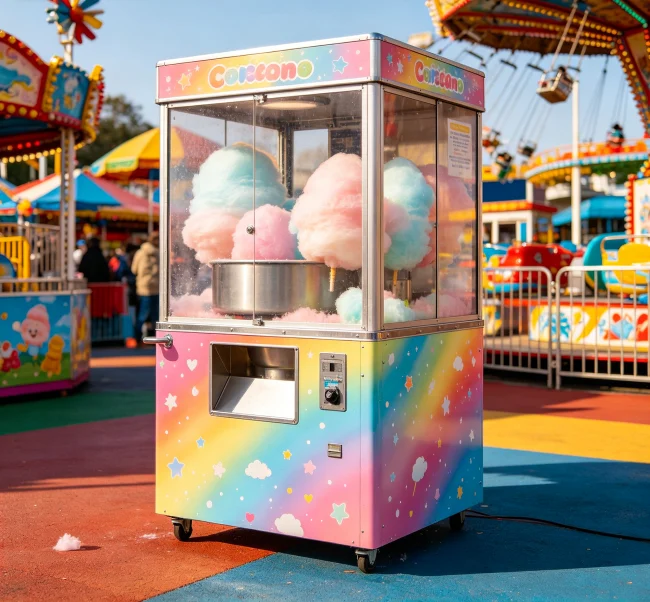
Choosing the right machine is a balance of capacity, portability, and durability. Here’s a comparison of common types.
| Machine Type | Key Features | Best For | Estimated Price Range |
|---|---|---|---|
| Countertop / Cart-Mounted | Compact, semi-automatic, often includes cart. Lower output. | Indoor venues, beginners, lower volume. | $1,500 – $3,500 |
| Commercial Floor Model | High-capacity sugar hopper, continuous production, robust. | High-traffic events, stadiums, dedicated operators. | $3,000 – $6,000+ |
| Fully Automated / Smart Vending | Cashless payments, self-service, minimal labor. | Unattended locations like airports, office buildings. | $7,000 – $15,000+ |
Key Selection Criteria: Prioritize machines with stainless steel bowls (for easy cleaning), reliable heating elements, and accessible service parts. A platform with a global network, like VendingCore, is invaluable here, giving you access to a wide variety of models from specialized manufacturers and the ability to verify product certifications like CE and RoHS before purchase.
Mastering Location Acquisition & Operations
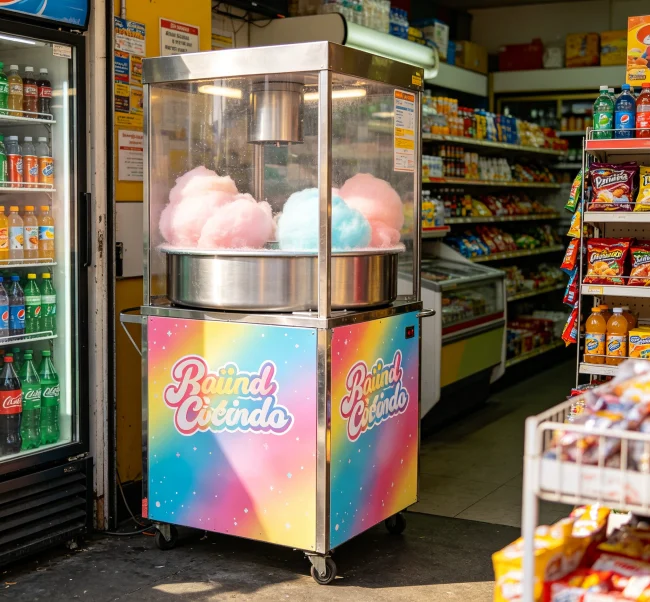
Finding a location is a sales job. Your targets include movie theaters, bowling alleys, skating rinks, community pools, farmers’ markets, and corporate campuses. Your pitch should focus on the benefits to them: new revenue share, enhanced customer experience, and a unique attraction. Always have a simple, one-page agreement outlining the revenue split, responsibilities, and term.
Daily operations involve restocking sugar and cones, cleaning the machine’s spinning head and drip tray, and collecting cash. Weekly, perform a more thorough cleaning and check for any wear on parts. Build a relationship with a local small appliance repair technician familiar with heating elements and motors. Source your sugar from restaurant supply stores or wholesalers for the best bulk pricing.
Legal, Regulatory & FAQ Checklist
Legal Must-Dos:
Frequently Asked Questions
Q: How much can I really make with one cotton candy vending machine?
A: As shown in our breakdown, a single well-placed machine in steady traffic can net $1,500 to $2,500 monthly. High-volume weekend events can generate $500+ per day, but are less consistent.
Q: Is a cotton candy machine hard to maintain?
A: Basic cleaning is required daily. The most common issues are clogged sugar in the spinner head or a worn-out heating element. Choosing a reliable machine from a reputable manufacturer minimizes downtime. Platforms that vet their suppliers, ensuring quality and access to parts, significantly reduce this risk.
Q: Where is the absolute best place to put one of these machines?
A: The “best” place has captive, family-oriented traffic with time to spare. Top performers are often indoor family entertainment centers, mid-sized zoos and aquariums, and community event centers hosting regular weekend tournaments or shows.
Q: How do I find and negotiate with locations?
A: Start locally and in person. Speak to the manager, offer a trial period, and propose a clear revenue share (start with 15-20%). Emphasize it’s turnkey for them. Having a professional-looking machine and presentation is key.
Q: I’m ready to look at machines. Where should I buy one?
A: For serious entrepreneurs, a B2B platform designed for procurement offers distinct advantages. Instead of contacting individual manufacturers, you can access a global network. For instance, VendingCore connects buyers with over 500 verified vending machine manufacturers worldwide. This not only provides a wider selection and competitive pricing—often 15-30% lower through comparative quoting—but also leverages a track record of 10,000+ transactions to ensure reliability. You can efficiently compare specs, request quotes, and choose a partner that meets both your budget and quality standards, streamlining the most critical step in your startup journey.