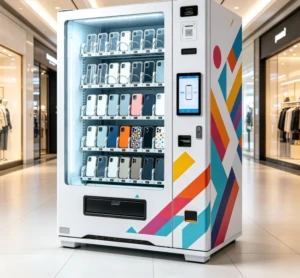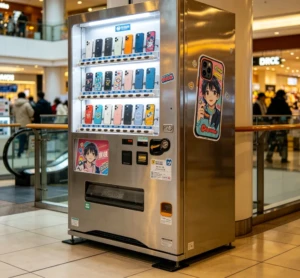
A phone case vending machine is an automated retail kiosk that lets customers design and print a custom phone case on the spot, typically in under 5 minutes. It’s not just a dispenser—it’s a compact, self-service manufacturing unit. You’ve probably seen them in malls or airports and wondered about the business behind the flashy screen. They merge instant gratification with personalization, turning a simple accessory purchase into a quick, interactive experience.
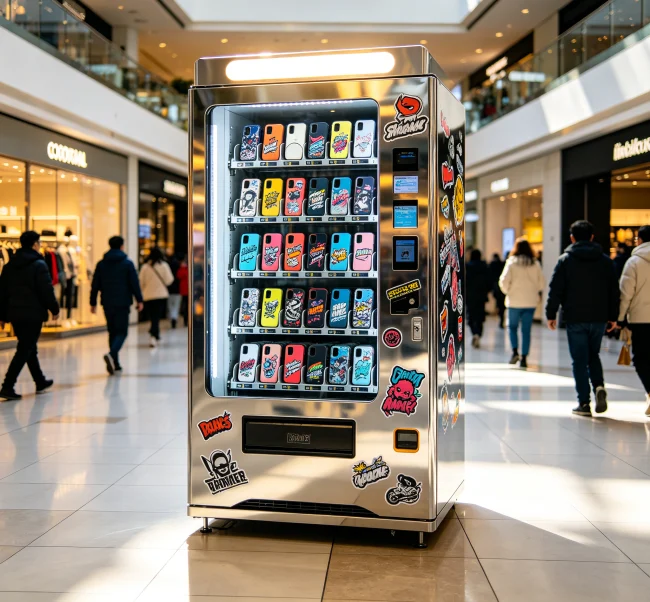
Think of it as a mini-factory in a box. For users, it’s about getting a unique case immediately. For business owners, it’s a tool to monetize foot traffic with surprisingly high margins. Let’s break down exactly how it functions, why it’s popping up everywhere, and what you need to know if you’re considering one.
How It Actually Works: A Step-by-Step Walkthrough
The process is deceptively simple, but the technology behind it is pretty clever. Here’s what happens from start to finish.
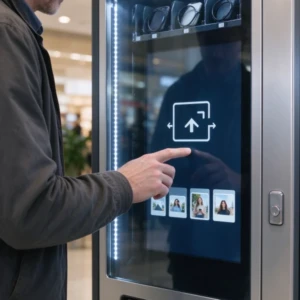
First, the user approaches the machine—it looks like a large tablet on a sturdy stand. The touchscreen interface wakes up, prompting them to select their phone model from a vast library (covering models from the last 5-7 years). Next comes the fun part: customization. Users can upload their own photos, choose from pre-loaded designs, add text, or even create collages right there.
Once the design is set, the machine guides them through payment via credit card, mobile wallet, or even cash. This is where the magic happens internally. The machine selects a blank case specific to the chosen phone model. A high-resolution UV printer or dye-sublimation printer inside the kiosk then precisely applies the design onto the case. Finally, a robotic arm or conveyor system places the finished case into a retrieval bin. Total time? Usually between 3 to 5 minutes.
It’s a seamless blend of software, hardware, and retail automation.
The Two Main Types: DIY Printers vs. Stocked Dispensers
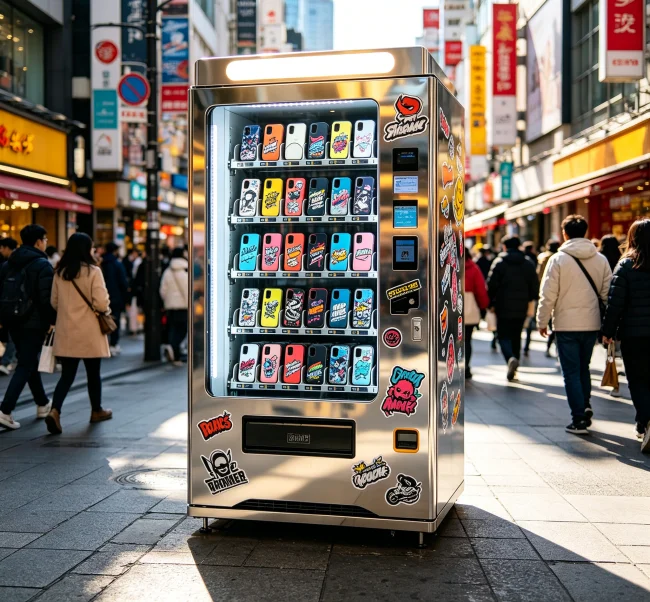
Not all phone case vending machines are created equal. Understanding this distinction is crucial.
The first and most common type is the DIY Printing Kiosk. This is what we just described—the on-demand, custom printing powerhouse. It carries an inventory of blank cases in various sizes and relies on its internal printer. This model offers the highest profit per unit and caters to the desire for personalization.
The second type is a Pre-Made Case Dispenser. Think of it like a traditional snack vending machine but for phone accessories. It’s stocked with dozens of pre-printed, trendy designs. The user simply selects design B12, pays, and the case drops down. It’s simpler mechanically, has lower upfront costs, but offers less customization and typically lower margins.
For entrepreneurs, the choice hinges on location and target audience. High-foot-traffic tourist spots might do well with pre-made designs, while college campuses and malls are prime for custom printing.
The Real Benefits: Why This Model is Exploding
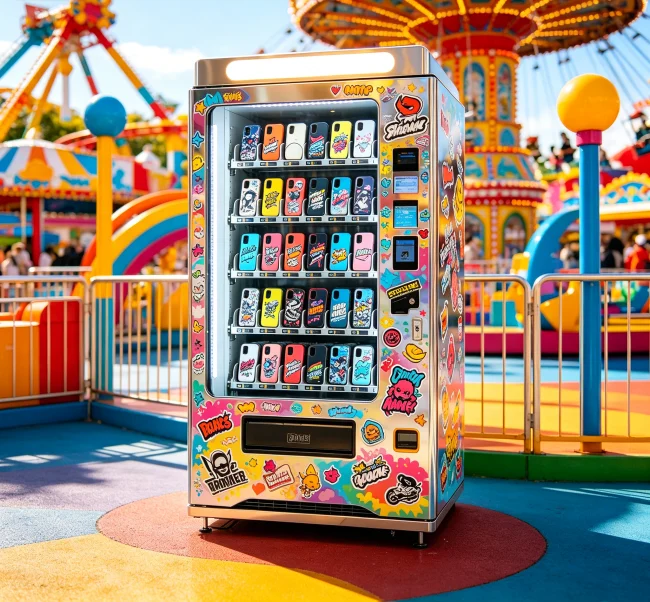
The appeal is a two-way street, delivering clear value to both the end-customer and the business owner.
For the Customer, it’s all about convenience and uniqueness. No more searching online and waiting for shipping. They get a one-of-a-kind case immediately, which is a perfect impulse buy. It’s an experience as much as a purchase.
For the Business Owner or Location Host, the benefits are financial and operational:
We see this demand firsthand. On the VendingCore platform, inquiries for phone case machines have grown over 120% year-over-year, with buyers connecting to our network of 500+ verified manufacturers to find models that fit their specific budget and location needs.
The Technology Inside the Box
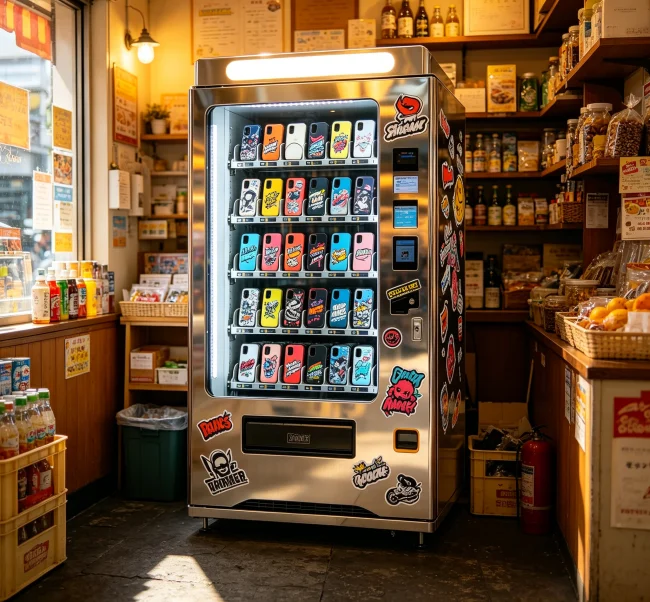
So what’s under the hood? It’s more sophisticated than a standard vending machine.
Costs, ROI, and Key Considerations
Let’s talk numbers, because that’s where many “opportunity” articles get vague. Transparency is key.
The biggest cost is the machine itself. A quality DIY printing kiosk from a reliable manufacturer can range from $15,000 to $35,000. Pre-made dispensers are less, from $3,000 to $8,000. Then you have ongoing costs: blank case inventory, printing supplies (ink/laminate), location rental fees (often a percentage of sales or a fixed cost), and payment processing fees.
Now for the upside. A well-placed machine in a busy mall or airport can easily sell 5-10 cases per day. At an average profit of $25 per case, that’s $125-$250 in daily gross profit. Do the math—that’s a return on investment that can often be achieved in 3-6 months in a prime location. Of course, a quieter location might extend that timeline. The variability is why working with a platform that offers multiple quotes is so valuable; you can balance upfront cost against machine quality and find your optimal point.
Common Questions (FAQs)
Q: Are all phone models supported?
A: Most machines support hundreds of models, but always check the library for your specific device. They cover major brands (Apple, Samsung, Google) extensively, but older or very niche models might not be available.
Q: How durable are the printed cases?
A: Very. UV printing creates a hard, cured layer that’s resistant to fading and scratches. They’re designed for daily use, though they aren’t indestructible.
Q: What about maintenance and repairs?
A: This is a critical question. Print heads need cleaning, and mechanical parts can wear. Choose a supplier with a clear warranty (1 year is standard) and good technical support. This is a major advantage of sourcing through a platform like VendingCore—we connect you to manufacturers with proven reliability and support networks, which is reflected in our 98% customer satisfaction rate from over 10,000 transactions.
Q: I’m interested in getting one. What’s the best next step?
A: Research is key. Define your budget and target location. Then, instead of contacting single manufacturers in isolation, consider using a B2B platform. For instance, on VendingCore, you can compare specifications, pricing, and warranty terms from hundreds of pre-vetted global suppliers at once. This competitive environment typically helps buyers secure units at 15-30% lower cost than going direct, while ensuring quality standards like CE and RoHS certifications are met. It simplifies what can be a complex procurement process.
Ultimately, a phone case vending machine does more than sell cases—it captures a moment of impulse and turns it into a personalized keepsake. For the entrepreneur, it’s a compact, high-margin business in a box. Its rise is a perfect example of how automation and personalization are reshaping retail, one custom print at a time.