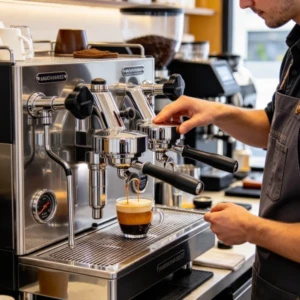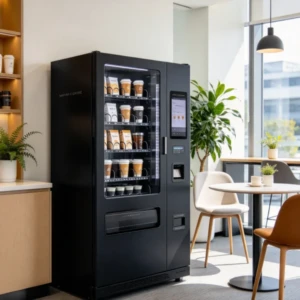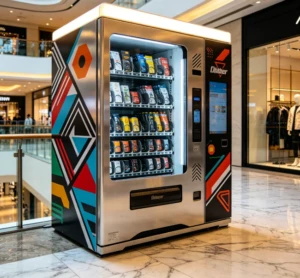
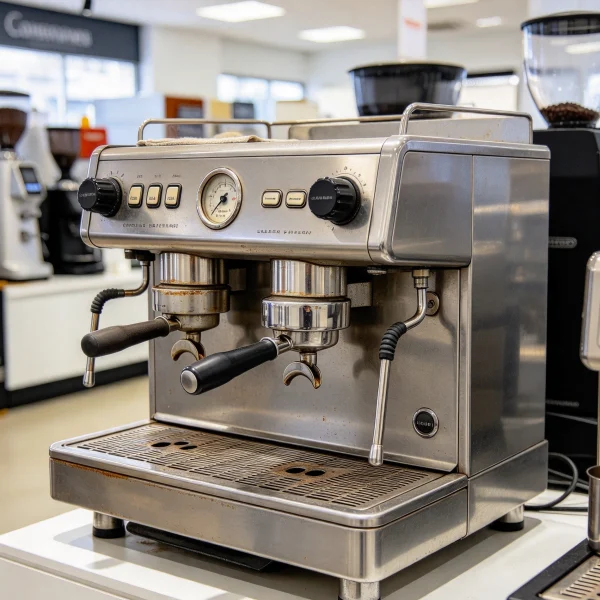
Walk into any coffee equipment showroom and you’ll see two very different machines. One is a manual espresso machine with portafilters and steam wands. The other is a super-automatic that grinds, doses, and brews at the touch of a button. They both make coffee, but they’re built for completely different workflows.
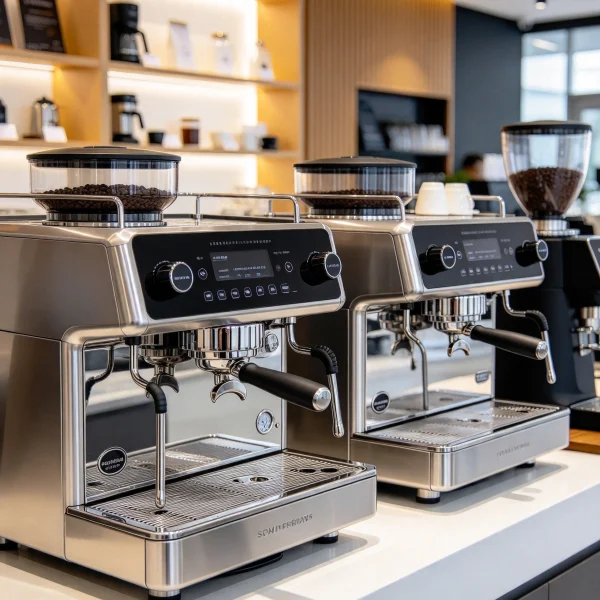
The table below gives you realistic starting points. These are new machine prices, not dealer-installed totals.
| Machine type | New price range | Best fit |
|---|---|---|
| Single-group manual espresso machine | $3,000 to $8,000 | Coffee cart, takeaway window, light volume |
| Two-group manual espresso machine | $8,000 to $20,000 | Café doing 100 to 200 drinks per day |
| Three-group manual espresso machine | $15,000 to $40,000 | High-volume café or restaurant |
| Super-automatic bean-to-cup machine | $5,000 to $35,000 | Office, hotel, self-serve coffee kiosk |
| Coffee vending machine | $5,000 to $20,000 | Unattended self-service locations |
Notice how much the price jumps when you add a group head. A single-group machine suits a coffee cart or a tiny takeaway window. A two-group machine handles a steady stream of orders. If you see 200 drinks a day in your forecast, skip the entry tier and go straight to the machine that can actually keep up.
If you plan to wrap the machine with branded graphics or reconfigure the interior for a specific cup size, those extras add up fast. Our breakdown of custom vending machine costs shows where the surprises hide.
Why the same machine can cost $3,000 more from another dealer
Two dealers can quote the exact same model and land $3,000 apart. One quote might include delivery, installation, and a two-hour training session. The other lists those as separate line items. Always ask for an itemized quote before comparing.
Brand and build quality also explain the spread. La Marzocco and Slayer sit at the top of the pricing pyramid. Nuova Simonelli, Victoria Arduino, and several mid-tier brands offer similar reliability at a friendlier price. Inside the machine, dual boilers, volumetric dosing, and programmable pre-infusion each push the number up by $500 to $2,000.
The hidden costs nobody puts on the price tag
The machine itself is maybe 60% of the total investment. A café build-out for coffee equipment, including plumbing, electrical, water filtration, and a grinder, typically runs $2,000 to $10,000 depending on your space. If you’re dropping a coffee vending unit into an office pantry, you’ll still need a water line and a dedicated outlet.
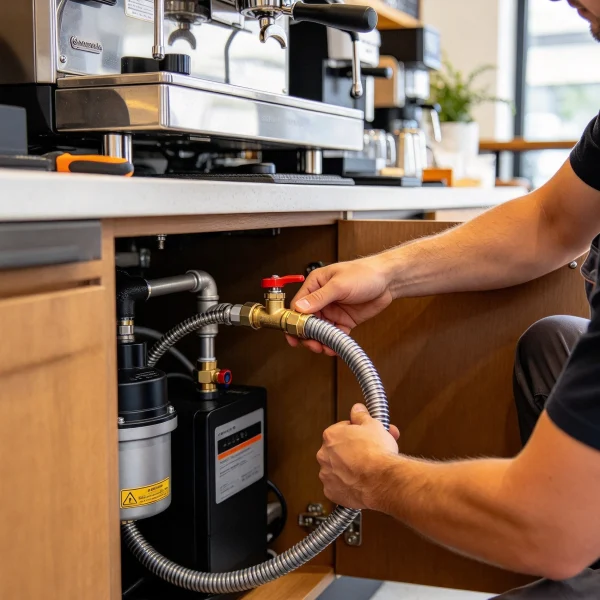
Then there’s maintenance. A commercial espresso machine needs descaling, group head cleaning, and occasional gasket replacement. Budget $500 to $2,000 a year for preventive service. Super-automatic machines can cost more to repair because parts like grinding burrs and brew units are proprietary.
| Extra item | Cost range | Why you need it |
|---|---|---|
| Plumbing and electrical | $1,000 to $5,000 | Dedicated line, water supply, and drainage |
| Water filtration | $300 to $1,500 | Protects the boiler from scale |
| Coffee grinder | $600 to $3,500 | Required for manual espresso machines |
| Preventive maintenance per year | $500 to $2,500 | Descaling, seals, and group head service |
| Staff training | $200 to $1,000 | Consistent shots and fewer operator errors |
New, used, or leased: which route actually makes sense?
New machines come with a warranty and predictable maintenance. Used machines cost 30% to 50% less, but you’re inheriting someone else’s wear. A used espresso machine that hasn’t been descaled regularly can fail within a year, and commercial repairs often run $1,000 or more. If you go used, buy from a dealer who provides a service history and a short warranty.
Leasing is tempting when cash is tight. Monthly payments on a $25,000 machine might be $300 to $600 over three to five years, but interest and fees push the total above the purchase price. It makes sense when you’re testing a new location and want to protect cash. Just read the buyout clause before you sign.
If you’re comparing coffee machines with other automated retail options, the profit picture matters. Our 2026 guide to the most profitable vending machines gives you the numbers side by side.
How to pick a supplier without overpaying
The cheapest quote is rarely the cheapest machine. What matters is whether the supplier stocks spare parts, responds to service calls, and honors the warranty. That’s where a directory can help. On VendingCore’s supplier ranking, you can compare verified suppliers, read buyer reviews, and send inquiries directly to multiple suppliers from one place.
Before you commit, run a quick vetting process on every candidate. Our complete vending machine supplier vetting checklist walks through the questions most buyers forget, like verifying after-sales support and requesting reference locations.
The number that actually matters
Forget the sticker price for a second. The number that matters is cost per cup over the life of the machine. A $12,000 machine producing 200 drinks a day for five years will be cheaper than a $4,000 machine that produces 20. Location drives that volume, and location costs vary a lot. If you’re in Singapore, our guide to top vending machine locations and rental costs is worth reading before you negotiate anything.
Whatever you decide, get everything in writing: the machine model, included accessories, installation scope, warranty period, and service response time. A handshake deal on a $20,000 machine isn’t a deal at all. When you’re ready to compare options, start with the supplier ranking on VendingCore and send inquiries to at least three verified companies.
FAQ
Is a $3,000 professional coffee machine good enough for a small café?
If you expect fewer than 60 drinks a day, yes. A single-group machine in that range can handle light volume and produce café-quality shots. The catch is speed: when the lunch rush hits, a single-group machine slows everyone down. If you plan to grow past that volume within a year, stretch your budget toward a two-group machine now instead of paying double later.
Do coffee vending machines cost more than espresso machines?
Not necessarily. A basic automatic coffee vending unit starts around $5,000, and a premium one reaches $20,000. Traditional espresso machines start at $3,000 but easily exceed $20,000 for high-volume models. The bigger difference is operating cost: vending machines need less barista time, but they require more complex water and electrical connections. For offices and self-serve setups, vending machines often make more sense.
Are used commercial coffee machines worth buying?
Only if you can inspect the machine in person and pull a shot from it before paying. Buying a used machine from a dealer with a service history is safer than buying privately, which usually means inheriting scale buildup and worn pumps. Plan for a $500 to $1,500 inspection and descale immediately. If the savings look smaller than that risk, buy new or lease instead.
What ongoing costs come with a professional coffee machine?
Plumbing, electrical work, and water filtration add $1,500 to $7,000 before you pull your first shot. Preventive maintenance runs $500 to $2,500 a year, depending on how often you descale and replace gaskets. Grinders need new burrs every 400 to 600 kg of coffee, which adds $100 to $300 per replacement. Budget these before signing the purchase order.
Can I lease a commercial coffee machine?
Yes, most dealers and equipment lenders offer lease terms of three to five years. A $25,000 machine might lease for $300 to $600 per month, but at the end you’ll have paid more than the retail price. Leasing preserves cash and makes sense when you’re testing a location. Once you know the location works, compare the buyout price before extending the contract.
How much does installation add to the cost?
Installation alone usually runs $500 to $2,500, and that’s before plumbing or electrical work. Adding a dedicated 220-volt line, water line, and drainage can add another $1,000 to $4,000. Some dealers include basic installation in the quote; others charge separately. Always ask whether the installation package includes water filtration and a backflow preventer, because those are easy to leave out.
Most buyers make the same mistake: they choose a machine based on the sticker price and forget that the real expense is downtime and service. A machine that costs $18,000 and runs for a decade with one preventive visit a year is a better deal than a $9,000 machine that fails twice a summer. Purchase price matters, but cost per cup matters more. Buy from a dealer who stocks spare parts and answers the phone on weekends, because coffee machines break at the worst possible moment.