Home / Vending Machine Business / How to Find Reliable Vending Machine Supplier – Complete Vetting Checklist for 2026

How to Find Reliable Vending Machine Supplier – Complete Vetting Checklist for 2026

According to a 2025 industry survey, 68% of new vending machine operators who fail cite a bad supplier as the primary reason, not bad locations or poor product selection. You’re likely here because you’ve seen the potential — maybe a friend’s successful route, or a mall kiosk that’s always busy — but you’re stuck on the first real hurdle: finding a partner who won’t leave you with broken machines and zero support.
how to find reliable vending machine supplier

The vending machine industry is projected to hit $35 billion globally by 2027, but that growth is uneven. The operators who thrive are the ones who spent serious time vetting their suppliers upfront. This isn’t about just Googling “vending machines for sale” and picking the cheapest option. It’s about building a relationship with a manufacturer or distributor who has your back when the card reader stops working at 2 AM on a Saturday.

Let’s cut through the noise. Here’s the exact framework you need to find a supplier you can trust — no fluff, just actionable steps.

Start with Your Business Model, Not the Machine

Before you even look at a catalog, you need to get brutally honest about what you’re building. Are you placing one machine in your uncle’s laundromat? Or are you planning a 50-machine route across three cities? Your answer changes everything.

A vending machine business for a single location has very different needs than a scaling operation. For a single machine, you might prioritize a local supplier who can do on-site repairs. For a multi-machine route, you need a supplier with robust remote monitoring, bulk pricing, and a national service network.

Here’s a quick reality check: if you’re buying your first machine, don’t overthink the brand. Focus on the supplier’s willingness to educate you. A good supplier will ask about your location, your target customers, and your budget before they ever recommend a specific model. If they’re just pushing a machine without understanding your context, that’s a major red flag.

Key questions to ask yourself:

  • What’s my actual budget (machine + installation + first restock)?
  • What products do I want to sell (snacks, drinks, phone cases, coffee)?
  • Where will the machine be located (indoor, outdoor, high-traffic)?
  • Do I have technical skills for basic repairs, or do I need full-service support?
  • Your answers will filter out 50% of suppliers automatically.

    The 5-Point Supplier Vetting Framework
    The 5-Point Supplier Vetting Framework

    This is the meat of it. You need a system, not just a gut feeling. I’ve broken this down into five areas that cover everything from product quality to long-term support.

    1. Verify Their Track Record (Don’t Skip This)

    Anyone can build a flashy website. You need proof that this company actually delivers.

    What to do:

  • Ask for at least 3 client references from the past 2 years. Call them.
  • Search for the company name + “complaint” or “scam” on Google and social media.
  • Check the Better Business Bureau (BBB) rating and any unresolved complaints.
  • Look for case studies or success stories on their website. Real ones, not generic testimonials.
  • A supplier with 5+ years in business and a clean record is a good start. But don’t just take their word for it. There are companies that rebrand every few years to hide a bad reputation. Dig deeper.

    2. Inspect Machine Quality Like a Pro

    You don’t need to be an engineer to spot a lemon. But you need to know what to look for.

    Physical inspection checklist:

  • Build quality: Is the cabinet made of heavy-gauge steel or thin sheet metal? Open the door and check the hinges.
  • Cooling system (for cold machines): What brand is the compressor? Danfoss and Embraco are industry standards. Generic compressors are a gamble.
  • Payment systems: Does it support modern payment methods (credit cards, mobile wallets, cashless)? Ask about compatibility with Nayax, Cantaloupe, or USA Technologies.
  • Remote monitoring: Can you check inventory and sales from your phone? This is non-negotiable for any route with more than 3 machines.
  • Spare parts availability: How quickly can you get a replacement part if something breaks? Ask about their parts inventory.
  • If you can’t visit the factory, ask for a video call walkthrough of a working machine. A reputable supplier will happily do this.

    3. Decode the Pricing Trap

    The cheapest machine is almost always the most expensive in the long run. Here’s why.

    A $3,000 machine might seem like a steal compared to a $5,000 one. But if that cheap machine breaks down twice a year, costing you $300 in repairs and lost sales each time, you’ll be behind within 18 months.

    Hidden costs to ask about:

  • Shipping and delivery fees (especially for heavy machines)
  • Installation and setup charges
  • Training costs (if any)
  • Warranty terms: what’s covered, and for how long?
  • Service fees for repairs after the warranty period
  • Software subscription fees for remote monitoring
  • Get everything in writing. A verbal promise about “free support” is worthless.

    4. Evaluate After-Sales Support Before You Buy

    This is where most new operators get burned. The sale is easy. The support is where the relationship is tested.

    Ask these questions directly:

  • What’s your average response time for a service ticket?
  • Do you have a 24/7 helpline, or just email support?
  • Can you do remote diagnostics, or does someone need to visit the machine?
  • What’s your spare parts return policy?
  • Do you offer training for new operators?
  • A good supplier will have a dedicated support team, not just a salesperson who forwards your emails. Look for a company that offers a 1-year warranty on parts and labor, and has a clear process for handling issues.

    5. Check for Industry Certifications and Standards

    This is the easiest way to separate professionals from amateurs.

    Certifications to look for:

  • ISO 9001: Quality management system. Shows they have consistent processes.
  • CE marking: Required for selling in the European Economic Area. Indicates compliance with health, safety, and environmental standards.
  • UL or ETL certification: Safety certification for the US market. Crucial for insurance and liability.
  • NAMA membership: National Automatic Merchandising Association membership shows they’re part of the industry’s professional body.
  • If a supplier can’t provide documentation for these certifications, walk away. It’s not worth the risk.

    💡 Critical Red Flag: If a supplier demands 100% payment upfront before shipping, that’s a massive warning sign. Reputable suppliers typically ask for a 30-50% deposit and the balance upon delivery or inspection.

    Supplier Sourcing Channels: Where to Look
    Supplier Sourcing Channels: Where to Look

    Now that you know what to look for, where do you find these suppliers?

    Online Directories and B2B Platforms

  • Alibaba.com: Good for finding manufacturers, especially in China. But you need to do heavy due diligence. Look for “Verified Supplier” badges and check transaction history.
  • Global Sources: Another B2B platform with a focus on verified suppliers.
  • ThomasNet: Excellent for finding US-based industrial suppliers and manufacturers.
  • Industry Trade Shows

    This is the gold standard. You can see machines in person, talk to engineers, and compare quality side-by-side.

  • NAMA Show: The biggest US vending event.
  • EU-Vend: The leading European trade fair for vending.
  • China Vending & Kiosk Show: If you’re sourcing from Asia.
  • Direct Manufacturer Relationships

    If you have a larger budget (50+ machines), you can go directly to manufacturers like Crane, SandenVendo, or Jofemar. They typically don’t sell single machines, but for volume orders, you get the best pricing and support.

    Specialized Distributors

    Companies like VendingCore act as a bridge between manufacturers and operators. They often provide better support and more flexible terms than going direct, especially for new operators.

    The “Red Flag” Checklist: When to Walk Away
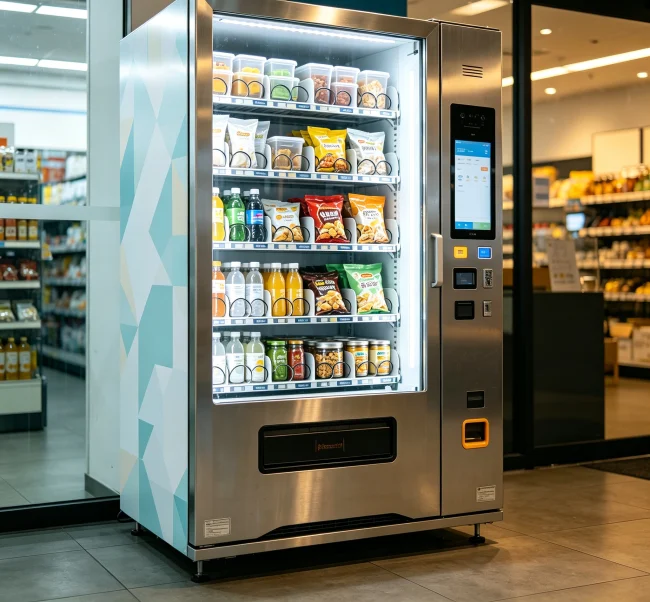
    The "Red Flag" Checklist: When to Walk Away

    Sometimes the best decision is saying no. Here are non-negotiable deal-breakers:

  • No physical address listed on their website. Only a PO box or email.
  • Pressure to buy immediately. “This price is only valid today” is a classic sales tactic.
  • Refusal to provide client references. They should have happy customers to talk to.
  • Vague warranty terms. “We’ll take care of you” is not a warranty.
  • No spare parts inventory. If they can’t ship you a replacement board quickly, your machine is a paperweight.
  • Unrealistic ROI promises. If they claim you’ll make your money back in 3 months, they’re lying.
  • Negative reviews on multiple platforms. One or two bad reviews are normal. A pattern is a problem.
  • 💡 Practical Advice: Create a simple spreadsheet with columns for each supplier, and rate them 1-5 on each of the 5 vetting points above. Add a “gut feel” column too. Your instincts matter, especially after you’ve talked to a few different companies.

    How to Compare Suppliers Side-by-Side

    You’ll likely talk to 5-10 suppliers before making a decision. Here’s how to compare them fairly.

    Create a comparison table with these factors:

  • Company history and location
  • Product range (machines they offer)
  • Price range for your target machine
  • Warranty period and coverage
  • Average response time for support
  • Availability of spare parts
  • Payment terms (deposit vs. full payment)
  • Client references (how many, and were they positive?)
  • Don’t just look at price. A supplier who costs 15% more but offers 24/7 support and a 2-year warranty is likely a better long-term investment.

    Building a Long-Term Relationship

    The best supplier relationships aren’t transactional. They’re partnerships.

    Once you find a reliable supplier, invest in that relationship. Pay on time. Communicate clearly. Give them feedback on machine performance. A good supplier will use that feedback to improve their products and service, which benefits you in the long run.

    Many successful operators I’ve worked with have stuck with the same supplier for 5+ years. They get priority support, early access to new machines, and better pricing on repeat orders. That consistency is worth more than saving a few hundred dollars on the first machine.

    💡 Key Takeaway: Your supplier is your most important business partner in the vending industry. Spend 80% of your research time on vetting the supplier, and only 20% on comparing machine specs. The right partner will help you navigate every other challenge.

    Common Mistakes New Operators Make

    I’ve seen these patterns over and over. Learn from others’ mistakes.

    Mistake #1: Buying the cheapest machine. We covered this. It’s a trap.

    Mistake #2: Ignoring local regulations. Some cities require permits, health inspections, or specific machine certifications. Your supplier should be able to advise you on this. If they can’t, find another one.

    Mistake #3: Not understanding the total cost of ownership. A machine that costs $4,000 but requires $800/year in maintenance is more expensive than a $5,500 machine that costs $200/year to maintain.

    Mistake #4: Skipping the contract review. Read the fine print on warranties, return policies, and service agreements. If something is unclear, ask for clarification in writing.

    Mistake #5: Going with the first supplier you find. Patience pays off. Talk to multiple suppliers. Compare. Negotiate.

    The Final Step: Making Your Decision

    After you’ve done your research, talked to references, and compared pricing, you’ll likely have 2-3 strong candidates.

    Here’s my recommendation: go with the supplier who demonstrated the most willingness to help you succeed, not just the one who offered the lowest price. The supplier who spent an hour on the phone explaining the nuances of machine placement or who sent you a detailed checklist for your first location — that’s the partner you want.

    The vending machine business is a marathon, not a sprint. A reliable supplier is the difference between enjoying the journey and constantly putting out fires.
    Frequently Asked Questions (FAQ)

    A

    Start by checking their business registration, physical address, and years in operation. Request client references and actually call them. Search for the company name plus "complaint" on Google and social media. Look for industry certifications like ISO 9001 or NAMA membership. A legitimate supplier will be transparent about their history and happy to provide proof of their credentials.

    A

    Prices vary widely based on type and features. A basic snack machine starts around $2,500-$4,000, while a combination snack and drink machine can cost $5,000-$8,000. High-end machines with touchscreens, cashless payment, and remote monitoring can exceed $10,000. Remember that the cheapest option often leads to higher long-term costs from repairs and lost sales.

    A

    Domestic suppliers typically offer faster shipping, easier warranty claims, and local support. International suppliers, especially from China, often have lower prices but longer lead times and more complex logistics. For your first machine, a domestic supplier is usually safer. For larger orders (20+ machines), international sourcing can make sense if you have a reliable logistics partner.

    A

    Industry standard is 1-2 years on parts and labor for new machines. Some premium suppliers offer up to 3 years. The warranty should cover the compressor, payment system, and main control board. Always get the warranty terms in writing, including what's excluded (like damage from improper installation or power surges).

    A

    If possible, visit the supplier's showroom or a local operator who uses their machines. Request a video demonstration of the machine working, including the payment system and dispensing mechanism. Ask about the return policy if the machine doesn't meet your expectations after delivery. Some suppliers offer a 30-day evaluation period.

    A

    Most suppliers require a 30-50% deposit to start production or reserve inventory, with the balance due before shipping or upon delivery. Be wary of suppliers demanding full payment upfront. For established relationships or larger orders, some suppliers offer net-30 or net-60 terms.

    A

    For specialized machines, look for manufacturers that focus specifically on that niche. Phone case vending machines, for example, require different technology than snack machines. Check industry trade shows, specialized B2B platforms, and companies like VendingCore that source and distribute niche vending equipment.

    The biggest mistake I see new operators make is treating supplier selection as a one-time purchase decision rather than a strategic partnership. A reliable supplier isn't just someone who delivers a working machine. They're your first line of defense when something goes wrong, your source for industry insights, and often the difference between a profitable route and a costly mistake. Take the time to build that relationship properly, and it will pay dividends for years.

    Marcus Chen
    Vending Industry Consultant, 15 Years Experience

    Ready to Start Your Project?

    Contact us for professional advice and customized solutions

    Contact Now

    Asher

    Technical expert in smart vending solutions and IoT-enabled retail automation. Providing in-depth reviews and comparisons to guide businesses toward the best technology choices.

    Leave a Comment

    Your email address will not be published. Required fields are marked *

    Table of Contents
    0%
    VendingCore
    Privacy Overview

    This website uses cookies so that we can provide you with the best user experience possible. Cookie information is stored in your browser and performs functions such as recognising you when you return to our website and helping our team to understand which sections of the website you find most interesting and useful.