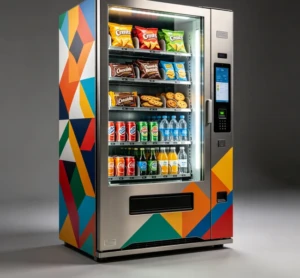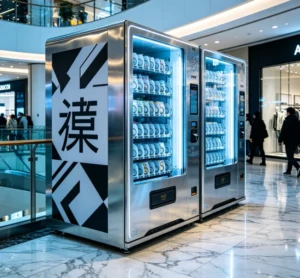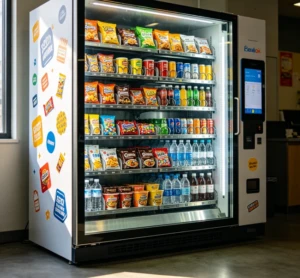
Free vending machine placement isn’t a myth — roughly 60% of vending operators offer this model to secure high-traffic locations, splitting profits instead of paying rent. You see this arrangement in office breakrooms, gym lobbies, and hospital waiting areas where foot traffic is guaranteed. The operator covers the equipment, stocking, and maintenance while the location host gets a cut of sales, typically 10% to 25%.
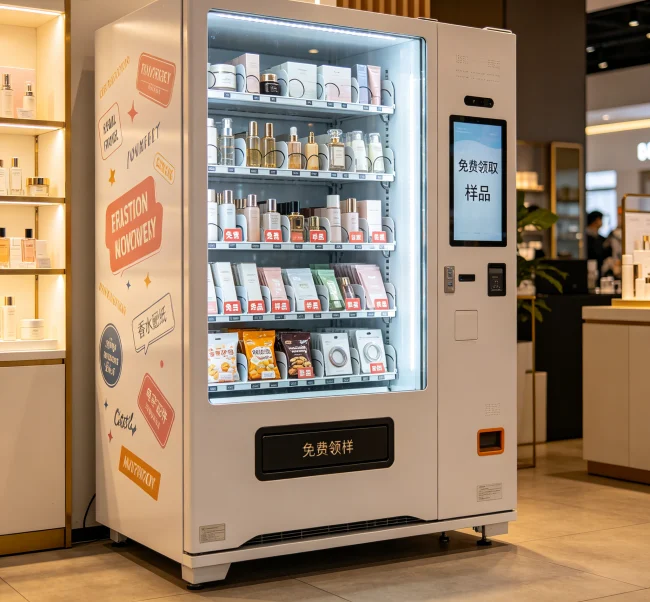
Here’s the thing — most business owners don’t realize they hold the cards in this negotiation. If you’ve got a steady stream of people passing through your space daily, you’re sitting on a potential revenue stream without spending a dime on equipment.
How Free Placement Actually Works
The model’s simpler than you’d think. A vending operator approaches you, offers to place a machine at your location for free, and handles everything. Stocking, repairs, cash collection — that’s all on them. You just provide the floor space and an electrical outlet.
In return, you get a commission on every sale. Some operators offer flat monthly fees instead, but percentage-based deals usually work better for both sides. If sales are slow, you earn less — but you also have zero risk.
The key metric operators look at? Daily foot traffic. Most won’t consider a location unless they see at least 100 people passing through daily. More importantly, they need those people to have a reason to stop — waiting rooms, break areas, and corridors work best.
Where Free Placement Works Best
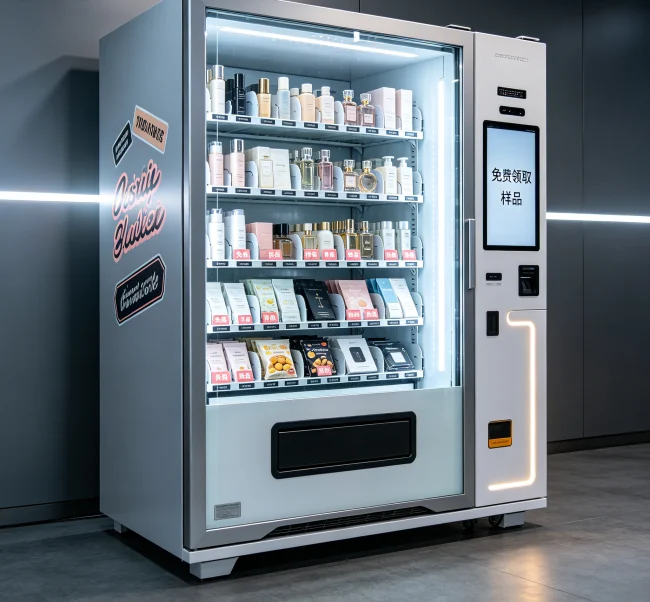
Not every location qualifies. Operators are picky because they’re taking all the financial risk. Here’s what they’re looking for:
High-traffic waiting areas — Hospital lobbies, DMV offices, and auto repair shops. People stuck waiting are your best customers. They’re bored, maybe hungry, and have time to browse.
Employee breakrooms — Factories, warehouses, and corporate offices. Workers need snacks and drinks during shifts, and they’ll buy consistently.
Educational facilities — College dorms, libraries, and student centers. Students run on caffeine and quick snacks. The volume here can be impressive.
Fitness centers — Gyms and yoga studios. Health-conscious crowd, sure, but they still buy protein bars, water, and recovery drinks.
Entertainment venues — Bowling alleys, arcades, and movie theaters. Captive audience with money to spend.
For a deeper look at specific location types, check out our guide on [Where Can I Put My Vending Machine in Singapore? Top Locations & Rental Costs](https://vendingcore.com/where-can-i-put-my-vending-machine-in-singapore/).
💡 Key Tip: Don’t just accept any location offer. Compare proposals from 3-5 operators to find the best commission split and machine quality.
What Operators Actually Calculate Before Approving You
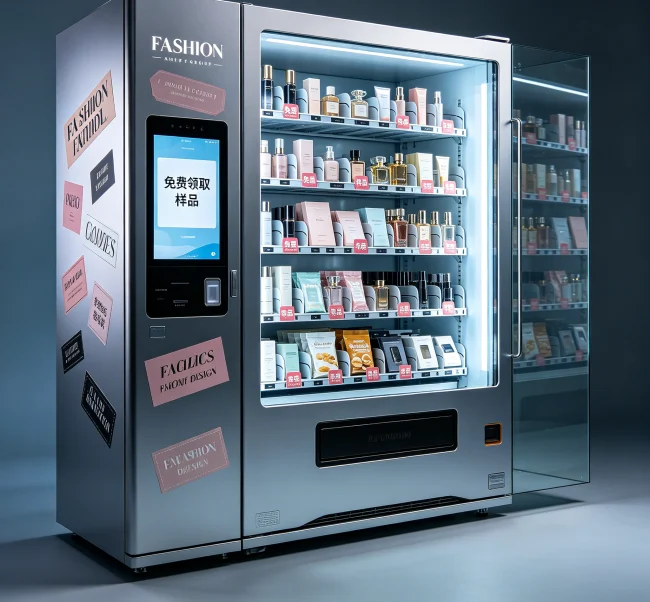
Operators aren’t gambling — they’re running numbers. Before they agree to free placement, they evaluate:
Traffic patterns — Not just how many people, but when they come. A lunch rush from 12-2 PM is gold. Random trickle throughout the day? Less attractive.
Dwell time — How long do people stay? A quick convenience store grab is seconds. A hospital waiting room? Could be hours. Longer dwell time means more sales.
Demographics — Office workers buy different products than factory workers. College students have different budgets than gym-goers. Operators match machines to the crowd.
Existing competition — Is there already a vending machine in the building? A cafeteria? A convenience store nearby? Too much competition kills the deal.
Accessibility — Can the operator restock easily? Is there a loading dock? Elevator? If restocking becomes a headache, they’ll pass.
Operators typically run these numbers through a spreadsheet before even visiting your location. If the math doesn’t work, they won’t waste anyone’s time.
The Hidden Costs You Should Know About
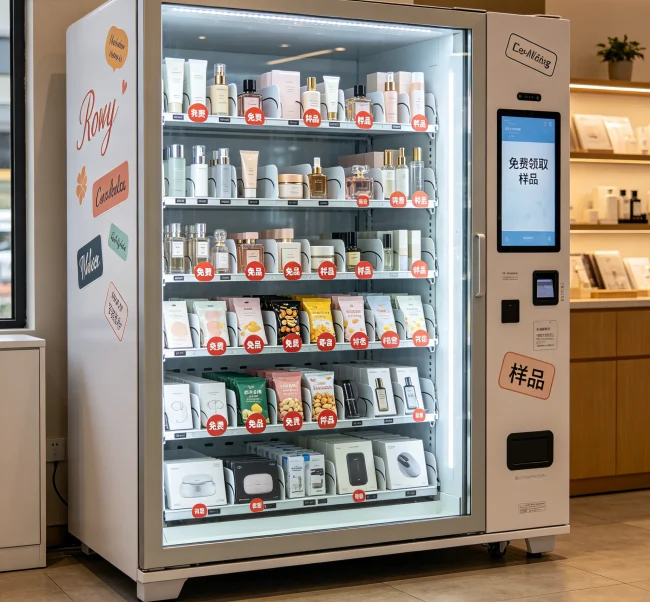
Free placement doesn’t mean zero cost for you. There are a few things to watch for:
Electricity consumption — Most operators cover this, but some don’t. Clarify upfront. A refrigerated machine can add $30-50 monthly to your bill.
Space allocation — A standard machine takes about 6-10 square feet. That’s floor space you can’t use for anything else. In retail, that’s potential lost revenue.
Aesthetic concerns — Some machines look sleek. Others look like relics from the 90s. If your brand is premium, you’ll want a modern machine with digital displays.
Maintenance disruptions — Machines break down. Repair visits happen during business hours. That means occasional noise and foot traffic interruptions.
Contract lock-in — Most operators want 1-3 year commitments. If the machine underperforms, you’re stuck. Negotiate a 6-month trial period if possible.
How to Negotiate a Better Deal
You’ve got more leverage than you think. Here’s how to use it:
Ask for multiple quotes — Operators compete for good locations. Show them you’re talking to competitors. Watch the offers improve.
Negotiate the split — Standard is 15-20% for the location host. If your traffic is exceptional, push for 25%. If it’s mediocre, expect 10%.
Demand machine quality — Don’t accept old, beat-up machines. Request modern units with card readers and touchscreens. Your customers deserve better.
Get everything in writing — Commission structure, payment schedule, maintenance response time, contract terms. Verbal agreements are worthless.
Request performance reports — Good operators provide monthly sales data. If they’re vague about numbers, something’s off.
💡 Critical Info: Always check the operator’s reputation. Ask for references from other locations they serve. A bad operator means broken machines and lost revenue for you.
Common Mistakes Location Hosts Make
I’ve seen business owners trip over the same issues repeatedly:
Not checking the product mix — Some operators stock cheap, low-margin items. You want quality products that match your customer base. A gym with only candy bars? That’s a miss.
Skipping the maintenance clause — If a machine breaks down, how fast do they fix it? Get a 48-hour response guarantee in the contract.
Ignoring the payment system — Cash-only machines in 2026? That’s a dealbreaker. Make sure they accept cards and mobile payments.
Forgetting about peak hours — If your busy season is summer, make sure the operator stocks accordingly. Empty machines during your busiest months is a disaster.
Not monitoring performance — Some operators underreport sales. Request transparent reporting or a system you can verify independently.
Why Some Operators Still Say No
Even with a great location, operators might decline. Here’s why:
Your traffic doesn’t match your product — A yoga studio with 500 daily visitors sounds great. But if they’re all health-conscious and won’t buy chips or soda? The numbers don’t work.
Your space is awkward — A corner spot with no electrical outlet nearby. An area that requires 50 feet of extension cord. Operators hate these setups.
Your hours are limited — A location open only 9-5, Monday-Friday, misses evening and weekend traffic. Operators prefer 24/7 access.
Your insurance requirements are excessive — Some buildings require operators to carry million-dollar liability policies. Smaller operators can’t afford that.
Your personality clashes — Honestly, if you’re difficult to work with, operators will pass. They need smooth relationships for years. Red flags early mean they’ll move on.
What to Expect from a Partnership with VendingCore
If you’re considering this model, working with a professional operator makes all the difference. VendingCore offers free machine placement with modern equipment, transparent reporting, and responsive maintenance. They handle everything from stocking to repairs, and you get a fair commission based on actual sales. No hidden fees, no surprise charges. Just a straightforward partnership where both sides benefit.
For timing your placement right, check out [When Are Vending Machines Most Profitable Locations – Timing & Placement Guide](https://vendingcore.com/when-are-vending-machines-most-profitable-locations/).
💡 Practical Advice: Start with a 6-month trial agreement. If the machine performs well, extend. If not, you’re free to try another operator without being locked in.
The Bottom Line on Free Placement
Free vending machine placement is real, but it’s not automatic. You need the right location, the right traffic, and the right operator. Do your homework, negotiate smart, and you’ll earn passive income without any upfront investment. Skip the due diligence, and you’ll end up with a broken machine collecting dust in the corner.
If you’re serious about exploring this, reach out to operators like VendingCore. They’ll evaluate your space, run the numbers, and give you an honest answer. Worst case? They say no, and you learn something about your location’s potential. Best case? You start earning money from thin air.