Vending machines in high-traffic hospitals can earn $500-$1,200 per month, while those in busy factories often pull in $300-$800 monthly—but the real secret isn’t just where you place them, it’s when you place them right. A machine in a 24-hour gym might crush it during New Year’s resolution season but go quiet by March. Meanwhile, a school machine could bank during lunch hours but sit idle over summer break. The trick is matching your location to the right timing, and that’s exactly what we’re diving into here.
I’ve spent years watching operators nail this—and watching others lose their shirts on bad placements. Let’s cut through the noise.
The Top 5 Most Profitable Locations (And Why They Work)
Not all foot traffic is created equal. You want places where people linger, get hungry or thirsty, and don’t have easy alternatives. Here’s the breakdown based on real operator data.
Healthcare Facilities (Hospitals & Clinics)
These are the gold standard for a reason. Visitors, patients, and staff are stuck there for hours, often with limited food options. A machine in a hospital waiting room can see 50-100 transactions daily, especially during visiting hours (10 AM-8 PM). The key? Stock healthy options alongside the usual chips and soda—hospital cafeterias rarely offer late-night snacks.
Manufacturing Plants & Warehouses
Factories run 24/7 in many cases, meaning constant demand during breaks. Workers in a plant with 200+ employees can easily drop $2-$4 per visit, and you’ll see peak traffic during shift changes (6 AM, 2 PM, 10 PM) and lunch breaks (12 PM-1 PM). The catch is getting permission from management, but once you’re in, it’s often exclusive.
Schools & Universities
High schools and college campuses are absolute monsters during school hours. A single machine in a busy hallway can do $300-$500 a week during semesters, but you’ve got to account for holidays and summer breaks. College dorms are even better—students buy snacks at 2 AM more than you’d think.
Gyms & Fitness Centers
Gyms are seasonal. January and February are peak months (New Year’s resolutions), with revenue often 30-50% higher than summer. Protein bars, water, and electrolyte drinks move fast. But here’s the trick: machines near the exit (post-workout) outperform those at the entrance by a mile.
Transportation Hubs (Bus Stations, Airports, Train Stations)
These are high-volume but competitive. A machine in a busy bus terminal can see 200+ transactions daily, but you’re sharing space with other vendors. The upside? Zero downtime—these places never close. The downside? Higher commission fees to the location owner (sometimes 15-25% of revenue).
💡 Key Takeaway: Don’t just look at foot traffic numbers—ask about dwell time. A place with 500 people passing through in 10 seconds is worse than one with 100 people stuck for 30 minutes. Hospitals and factories win because people have time to buy.
The “When” Factor: Timing Your Machines for Maximum Profit
This is where most guides drop the ball. They’ll tell you where to put machines, but never when they’ll actually earn. Let’s fix that.
Time of Day
Day of the Week
Seasonal Patterns
Real Example: One operator I know placed a machine in a 24-hour gym. January revenue hit $1,400. By June, it was down to $600. He adjusted stock (more protein bars, less candy) and saw it climb back to $900. Timing matters.
💡 Practical Advice: Track your sales by hour for the first month. If you see dead zones (e.g., 2 PM-4 PM), consider stocking different products or moving the machine. Don’t wait six months to optimize.
Micro-Location: The Difference Between $200 and $800 a Month
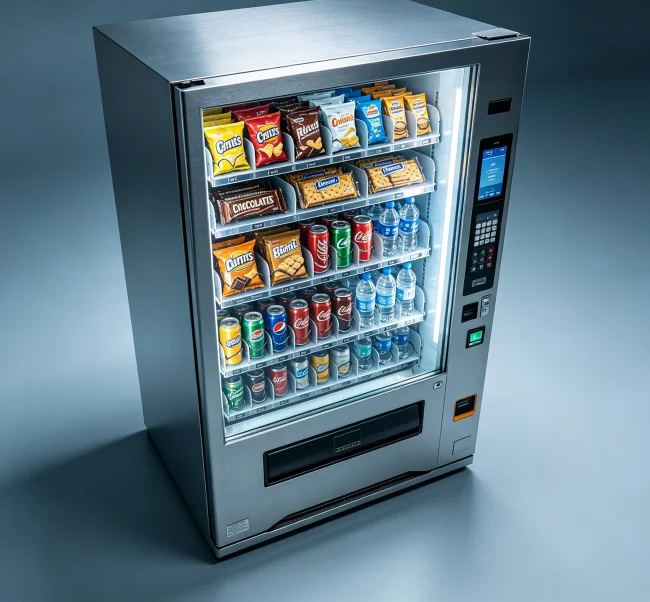
You can have two machines in the same building—one earns $800, the other $200. The difference is often just 20 feet.
Inside a Hospital:
Inside a Factory:
Inside a School:
Pro Tip: Spend an hour watching the location during peak times. See where people naturally pause or gather. That’s your spot. Don’t just trust the floor plan.
Common Mistakes That Kill Profitability
I’ve seen operators make the same errors over and over. Here’s what to avoid.
Mistake #1: Ignoring the Competition
If there’s already a vending machine in the building, find out what it sells and how often it’s restocked. Don’t place your machine next to it unless you have a clear advantage (better prices, unique products, or a larger selection).
Mistake #2: Overstocking Slow-Moving Items
That fancy organic kale chips might seem healthy, but if nobody buys them, you’re losing money. Start with basics—water, soda, chips, candy—then add niche items after you see what moves.
Mistake #3: Neglecting Machine Maintenance
A broken machine is a revenue killer. If your card reader fails for a week, you’ve lost hundreds of dollars. Regular cleaning and restocking also keep customers coming back.
Mistake #4: Signing Long-Term Contracts at Bad Locations
Some operators lock into 3-year leases at low-traffic spots. If the location doesn’t perform, you’re stuck. Negotiate a 6-month trial period first.
💡 Critical Info: Always ask the location owner about past vending machine performance. If a previous operator left because “it wasn’t profitable,” that’s a huge red flag. Get data before you commit.
How to Evaluate a Potential Location (Step-by-Step)
Before you sign anything, run through this checklist.
Real Numbers: An operator I know tested a location in a small office building. First month: $180. He moved the machine to a nearby hospital waiting room. Next month: $950. The difference was entirely about location quality.
The Role of Technology in Maximizing Profit
Modern vending machines aren’t just boxes that take coins. They’re data-collection tools.
If you’re serious about this business, investing in modern equipment pays off fast. Platforms like VendingCore offer integrated solutions that handle everything from payment processing to inventory analytics—making it easier to scale without hiring a team.
💡 Key Takeaway: Don’t cheap out on equipment. A $500 used machine with no card reader will earn less than a $2,000 modern machine with cashless payment. The ROI on technology is real.
When to Walk Away from a Location
Not every “opportunity” is worth taking. Here are red flags.
Trust your gut. If something feels off, move on. There are plenty of good locations out there.