
Starting a vending machine business typically requires $2,000 to $10,000 for your first machine, and about 89% of operators report turning a profit within the first 12 months. You place a machine in a high-traffic location like an office break room, a hospital lobby, or a school hallway, stock it with snacks and drinks, and collect the cash—or in today’s world, the digital payments—every week. It’s a business model that’s been around for decades, but it’s changed a lot recently.
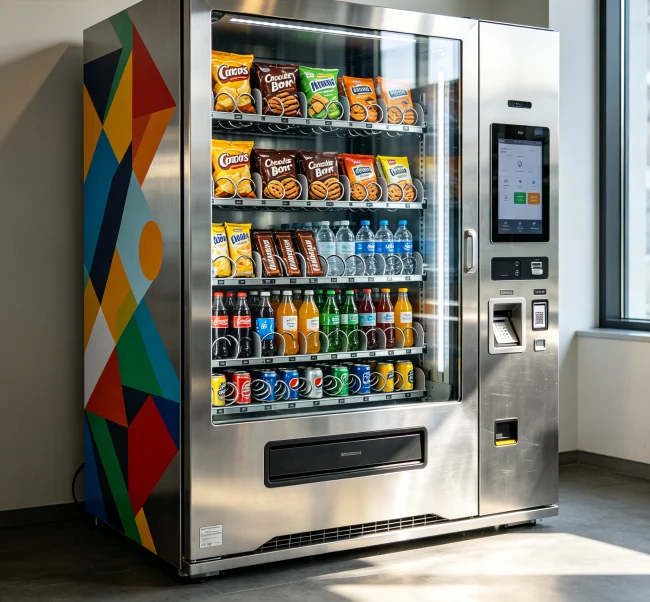
Gone are the days when you needed a truckload of coins and a steel stomach for heavy lifting. Modern machines accept credit cards, Apple Pay, and even offer telemetry data so you know exactly what sold out before you drive over. The barrier to entry is lower than almost any other retail business, and the potential for passive income is real—if you do it right.
But here’s the thing. A lot of people jump in thinking it’s “set it and forget it.” It’s not. You still need a solid strategy, the right equipment, and a real understanding of location math. Let’s walk through exactly what that looks like.
💡 Key Tip: Don’t buy your first machine until you’ve secured a location. Too many beginners buy equipment first, then scramble for a spot—and end up stuck with a machine in their garage.
Step 1: Understand the Real Costs
The biggest myth in this business is that you can start for a few hundred bucks. You can—if you’re buying a beat-up used machine from the 1990s. But that’s a recipe for headaches.
Here’s what realistic startup costs look like in 2026:
| Expense Item | Budget Option | Standard Option | Premium Option |
|---|---|---|---|
| New Machine (snack + drink combo) | $3,000 | $5,000 – $7,000 | $10,000+ |
| Used Machine (refurbished) | $1,500 | $2,500 – $4,000 | $5,000 |
| Initial Inventory | $500 | $800 – $1,200 | $1,500+ |
| Card Reader & Telemetry | $300 | $500 – $800 | $1,000 |
| Business License & Permits | $100 | $200 – $500 | $500+ |
Notice that inventory is a recurring cost, not a one-time thing. And the card reader? That’s non-negotiable in 2026. A machine that only takes cash is basically invisible to younger customers.
Step 2: Find Your Location (The Hard Part)
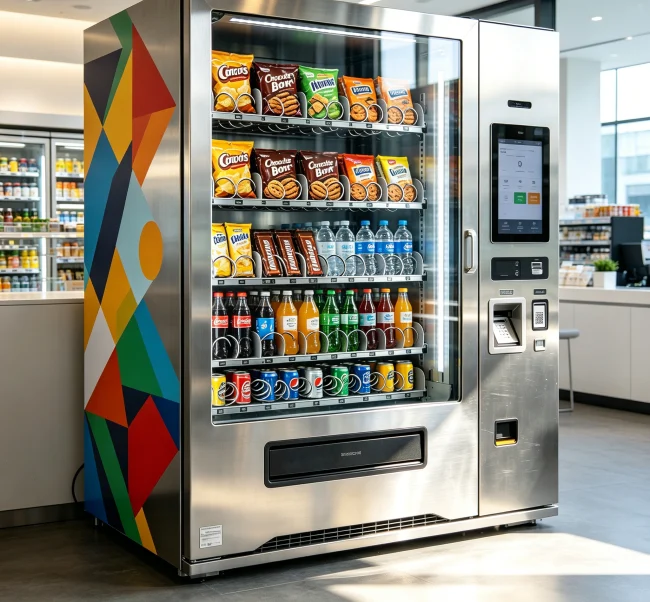
You’ve probably heard the mantra: “Location, location, location.” It’s true. But a “good” location isn’t just about foot traffic. It’s about captive audience—people who are stuck in one place with limited food options.
Think about it. An office building with 500 employees and a cafeteria that closes at 2 PM? That’s gold. A busy laundromat with a 30-minute wait cycle? Perfect. A hospital waiting room where people sit for hours? Jackpot.
Here’s what you need to look for in a location:
And here’s a mistake beginners make: they try to pitch the location owner on a 50/50 split. Don’t. Most successful operators offer 10-20% commission or a flat monthly fee. Keep it simple.
Step 3: Choose Your Equipment Wisely
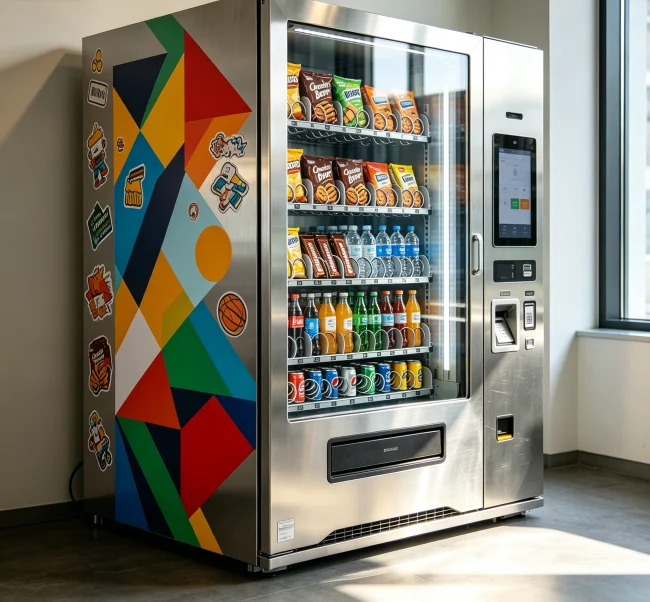
You’ve got options. And they matter a lot.
Traditional snack machines are the workhorses of the industry. They hold 30-50 selections and are reliable. Drink machines are heavier (soda weighs a ton) but have higher margins per item—think $1.50 for a can you bought for $0.50.
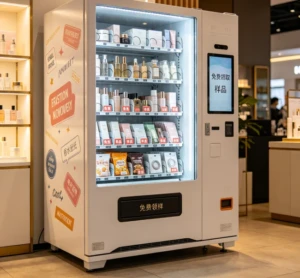
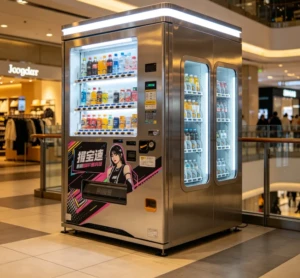
Then there’s the new wave: smart machines with touchscreens, telemetry, and dynamic pricing. They cost more upfront but give you real-time data on what’s selling. No more guessing.
If you’re just starting out, a refurbished combo machine (snacks + drinks in one unit) is your best bet. It’s cheaper, easier to manage, and fits smaller locations.
💡 Practical Advice: Always check the machine’s age and service history before buying used. A 10-year-old machine might need a $500 compressor replacement in six months. Pay a little more for a refurbished unit with a warranty.
Step 4: Stock Smart, Not Hard
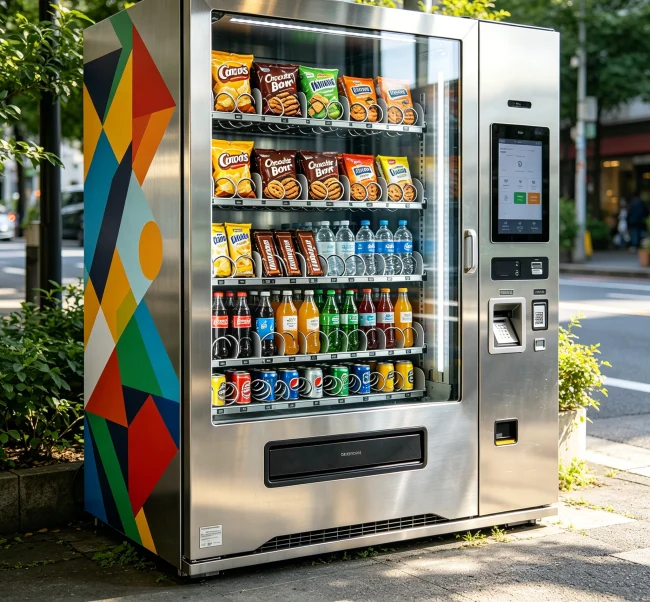
This is where the data comes in. You don’t want to guess what people will buy. You want to know.
The most profitable items in vending machines are surprisingly boring:
And here’s a pro tip: don’t overstock. Start with 60-70% capacity. See what sells in the first two weeks. Then adjust. The data from your telemetry system (if you have one) will tell you exactly what to order.
Step 5: Set Up Your Operations
You’ve got the machine. You’ve got the location. Now you need a system.
Route planning matters more than you think. If your machines are scattered across town, you’ll waste hours driving. Cluster them within a 10-mile radius. You can service 10-15 machines in a single day if they’re close together.
Restocking frequency depends on volume. A high-traffic office might need restocking twice a week. A quiet warehouse might only need it once every two weeks. The key is to never let the machine run empty—dead inventory means dead sales.
Payment systems are straightforward now. Most operators use a service like Nayax or USA Technologies that processes credit cards and sends you a monthly check. They take a small percentage, but it’s worth it for the convenience.
💡 Important Point: Always keep a few days of cash float in the machine for change. Nothing frustrates a customer more than a machine that can’t make change for a $5 bill.
Step 6: Scale Up
One machine can make you a few hundred dollars a month. Not bad for a side hustle. But if you want real income—like replacing your day job—you need multiple machines.
Here’s the math. If each machine generates $300-$500 in monthly profit (after inventory and commission), you need about 20-30 machines to hit $100,000 a year. That’s doable, but it takes time and capital.
The smart way to scale is to reinvest your profits. Don’t take money out of the business for the first year. Buy your second machine with cash from the first one. Then the third. Then the fourth. It’s slow, but it’s sustainable.
And if you’re looking for a partner to help with equipment, software, or strategy, platforms like VendingCore offer end-to-end solutions that simplify the process—from machine selection to location analytics.
Common Mistakes to Avoid
Let’s be real. You’re going to make mistakes. Everyone does. But here are the ones you can skip:
💡 Critical Info: Don’t sign a long-term location contract until you’ve tested the spot for 90 days. A 3-year lease on a dud location will kill your business before it starts.
Step 7: Understand the Legal Side
You can’t just drop a machine anywhere. Every city and state has different rules.
Business license: You’ll need one. It’s usually $50-$200 a year.
Sales tax permit: If you’re selling taxable items (most food and drinks are), you need to collect and remit sales tax.
Food handling permits: Some states require this if you’re selling perishable items.
Location agreement: Get it in writing. A handshake deal is worthless when the location owner changes their mind.
Most of this is straightforward paperwork. But don’t skip it. A fine from the health department can wipe out a month’s profit.
The Bottom Line
Starting a vending machine business in 2026 is a solid way to build a side income or even a full-time business. The upfront costs are manageable, the learning curve is reasonable, and the potential for passive income is real—if you treat it like a business, not a hobby.
The key is to start small, focus on locations with captive audiences, and reinvest your profits. Don’t try to be the biggest operator in town on day one. Be the best operator with one machine. Then do it again.
If you’re serious about getting started, platforms like vending machines from VendingCore can help you find the right equipment and strategy for your market. The resources are out there. You just need to take the first step.
1 Comments