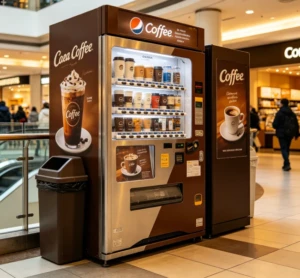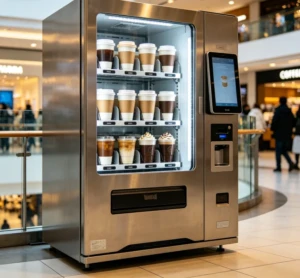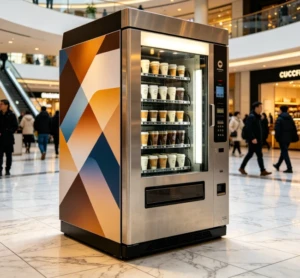
Which coffee machine is best for commercial use? For most unattended sites in 2026, a commercial bean-to-cup vending machine is the answer, brewing 60 to 100 cups an hour with no barista behind it. A busy cafe that wants hand-pulled espresso has different needs than a hotel lobby, office breakroom, or gas station that needs drinks around the clock. If you guess wrong, you pay for it in labor and downtime, so before you compare brands, map your service model: staffed counter, self-serve, or somewhere between. That single decision removes more bad options than any feature list.
Start with three numbers: your busiest hour’s drink count, how many workers will be available, and the daily cups you expect. A two-group espresso machine can fire out 120 drinks an hour, but only if someone is loading portafilters and steaming milk the whole time. A bean-to-cup machine hits 60 to 100 cups with nobody in front of it. That difference matters more than brand name.
What kind of commercial coffee machine do you actually need?
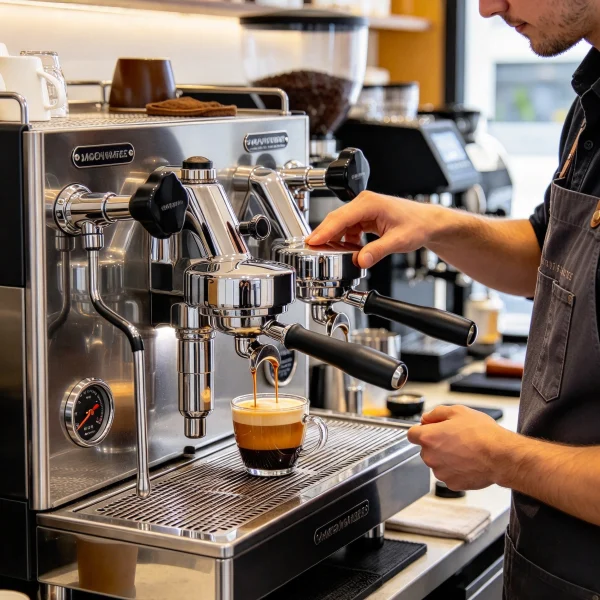
Most buyers fall into one of three routes. Traditional espresso machines give a trained barista full control and the best texture for milk foam. Super-automatic espresso machines automate grinding, dosing, and frothing, so one person can run the counter and take orders. Bean-to-cup vending machines are built for unattended service, with payment systems, hoppers, and automatic cleaning cycles.
A supermarket or gym might be better off with a bean-to-cup vending unit that accepts cards. A coffee trailer doing events might want a super-automatic so one person can serve and take money. Focus on the machine that survives your busiest morning.
Commercial coffee machine types compared
Here is a realistic comparison based on what you will find on the market in 2026. Prices are typical before installation, and output numbers assume the machine is clean and the person using it knows what they are doing.
| Machine type | Best for | Drinks per hour | Milk handling | Maintenance | Typical price |
|---|---|---|---|---|---|
| Traditional espresso | Cafes with trained baristas | 40 to 120 | Manual steaming | Daily group flush, weekly backflush | $7,000 to $25,000+ |
| Super-automatic espresso | Bakeries, kiosks, small cafes | 60 to 150 | Automatic frothing | Brewer cleaning, descaling | $8,000 to $20,000 |
| Bean-to-cup vending | Offices, hotel lobbies, factories | 60 to 100 | Powder or fresh milk kit | Weekly clean, monthly descale | $4,000 to $12,000 |
You will notice the cheapest machine on paper rarely wins after year one. Capsule machines cost little upfront but the per-cup price is high and customers can’t choose strength. Traditional espresso machines demand skilled hands. Bean-to-cup vending machines balance price, consistency, and labor better for most self-serve spots.
The real cost of ownership
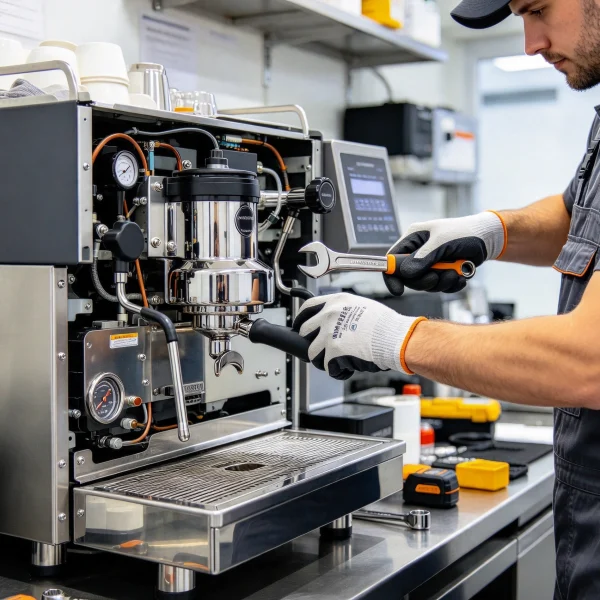
The purchase price is often less than half of what you spend in the first year. Installation, water filtration, electricity, training, cleaning supplies, and service calls add up fast. A $7,000 bean-to-cup machine with a $300 filtration system and a quarterly service contract will usually run more reliably than a $15,000 machine fed with hard tap water.
Scale is the silent killer. Hard water coats heating elements and brew baskets with calcium, which slows heat-up and eventually blocks valves. Skipping filtration might feel like a saving, but it usually shows up in repairs. Check your water hardness before choosing a machine, not after the first breakdown.
How to match a machine to your location
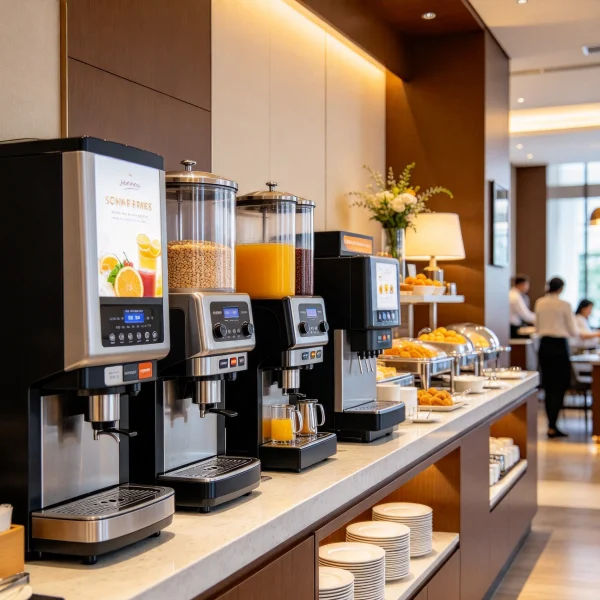
An office of 80 people usually spikes hard around 9:30 a.m. That means you need a fast heat-up time and a hopper big enough for two days of beans, not the smallest compact unit. A hotel breakfast setup is different: it needs milk that stays cold, short cleaning cycles, and a machine that tolerates hesitant guests pressing buttons twice.
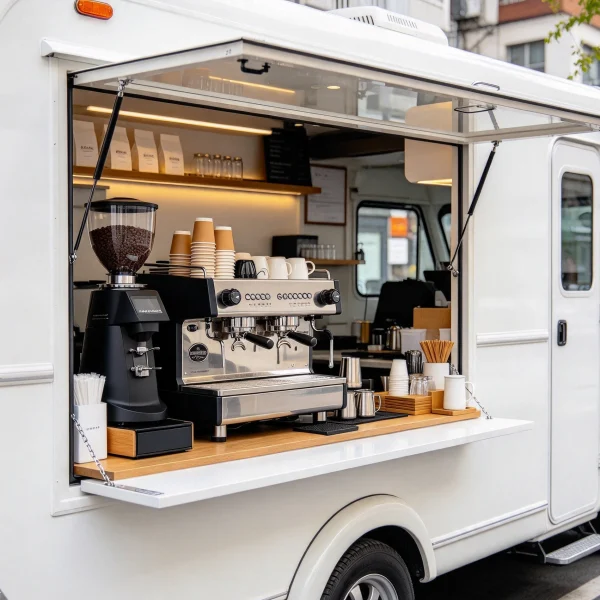
Then there is the coffee trailer crowd. I have talked to owners who bought a traditional espresso machine for a trailer, then realized they needed an inverter, a water tank, and a generator. A compact super-automatic is often easier on the electrical system and lets one person run the whole window. Think about foot traffic the same way you would for a phone case vending machine, except coffee creates daily repeat visits. Unlike perfume vending machines, where the shock factor sells the item, a coffee machine sells convenience and consistency.
How to choose a supplier without getting burned
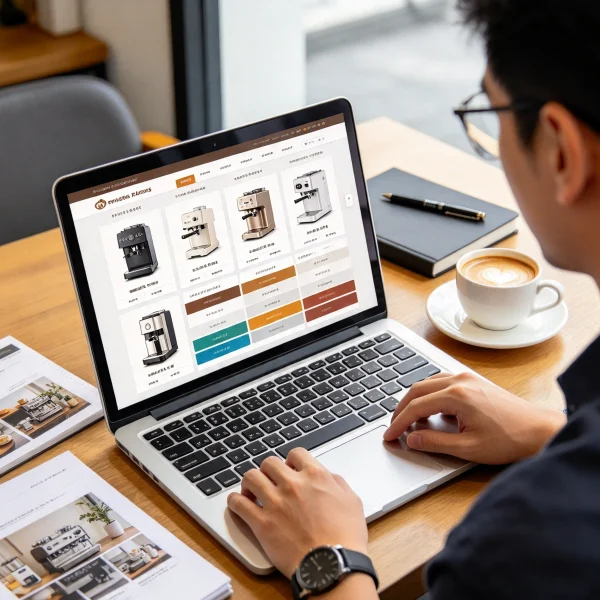
Whichever type you pick, verify the supplier before you pay a deposit. Ask for local service contacts, response time, and spare parts availability. Read recent buyer reviews rather than the photo gallery on the website. On VendingCore’s supplier ranking, you can compare verified suppliers, read buyer reviews, and send inquiries directly. That keeps you away from the good-price-no-support trap.
Use the same spec sheet for at least three suppliers. Compare how fast they answer, whether they explain installation and water needs, and what their service contract covers. A supplier who ignores your questions before payment will not suddenly become responsive after it. If you are weighing coffee against other equipment, our data on most profitable vending machines gives you the numbers first.
Bottom line
The best commercial coffee machine is the one that matches your peak-hour volume, your milk quality standards, and the person who will clean it. Add water filtration, put a cleaning schedule on the wall, and get the supplier’s response time in writing before you sign. If you want to compare suppliers side by side, the ranking on VendingCore is a solid first stop.
An independent view from a coffee equipment technician
I go into too many locations where the buyer focused on the drink menu and never asked about service. The best commercial coffee machine is the one that gets local support within 24 hours. People overpay for extra settings they never use, then the machine breaks because nobody owns the daily checklist. Buy less machine and better filtration, sign up for preventive maintenance, and train two people on cleaning. That combination will outperform a more expensive model every time.
FAQ
What is the best commercial coffee machine for high volume?
A three-group traditional espresso machine or a high-output super-automatic can both handle more than 150 drinks per hour. For unattended high volume, a bean-to-cup vending machine is a better fit because it keeps producing during rush times without extra staff. Match the number of groups or the hopper size to your busiest hour, not your daily average.
How many cups per hour does a commercial coffee vending machine make?
Most commercial bean-to-cup vending machines produce 60 to 100 cups per hour, depending on the drink type and whether milk frothing is included. Some premium models go higher. Ask the supplier for a flow test at your location, because water pressure and machine placement affect the real number.
Fresh milk or milk powder in a vending machine?
Fresh milk gives a creamier texture but needs a refrigerated compartment and a daily cleaning cycle. Milk powder is simpler and lasts longer, but the taste can fall short for espresso drinks. If you serve cappuccinos in an office, fresh milk is worth the maintenance. For instant-style coffee in a factory, powder is usually fine.
How much maintenance does a commercial coffee machine need?
Plan on daily rinsing, weekly deep cleaning of the brew group and milk lines, and descaling every two to three months depending on water hardness. Bean-to-cup vending machines also need hopper checks and drip tray cleaning. The biggest cause of breakdowns is a skipped cleaning schedule, so assign someone to own each shift’s checklist.
Should I lease or buy a commercial coffee machine?
Leasing gives you predictable monthly costs and usually covers repairs. Buying works if you plan to keep the machine for six years or more and you have someone on site for basic care. Compare the total lease cost with the purchase price plus 10 percent annual maintenance before you decide.
Can a commercial coffee machine accept card payments?
Yes. Most coffee vending machines include a payment system for card, mobile wallet, or cash. Premium models offer remote monitoring and a cashless-only mode, which reduces theft and avoids coin jams. If your customers mostly pay by card, ask about the telemetry package before purchasing.
What size machine do I need for a small coffee shop?
A two-group espresso machine is enough for most small cafes doing 100 to 150 drinks per day. If you have one barista and a short counter, a compact super-automatic with a built-in milk steamer saves space and training time. Make sure the machine matches the voltage at your site, especially in older buildings.
Are there legal restrictions on placing a commercial coffee machine?
Local permits and health requirements vary by city. If you are setting up in the UAE, check our guide to vending machine rules in Dubai before you sign a lease. Health department rules often cover water line connections, waste water, and food safety, so confirm these with your supplier.