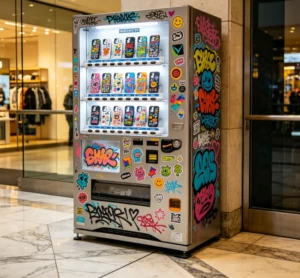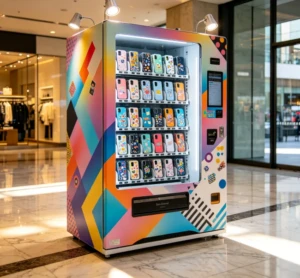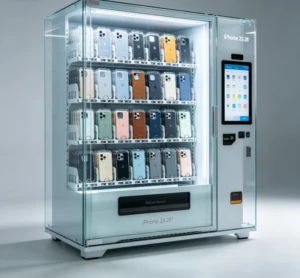
Is a phone case vending machine worth it? In a busy mall or transit spot, yes, and experienced operators usually break even in 5 to 8 months. These kiosks sell custom and stocked cases for $15 to $30, with materials running $3 to $5, so gross margins often reach 60 to 80 percent. You’ll see them in shopping centers, airports, electronics markets, and college campuses, where shoppers want a case right now instead of waiting for delivery. The catch is that location and rent decide the outcome more than the machine itself.
The numbers that decide whether it’s worth it
Gross margin only tells part of the story. A machine that moves 10 cases a day at $22 each brings in around $6,600 a month. Take out rent, processing fees, restocking labor, and repairs, and you might pocket $1,800 to $2,500. That’s a real business, but it’s not passive income. The same machine in a quiet corner could sell two cases a day and lose money after rent.
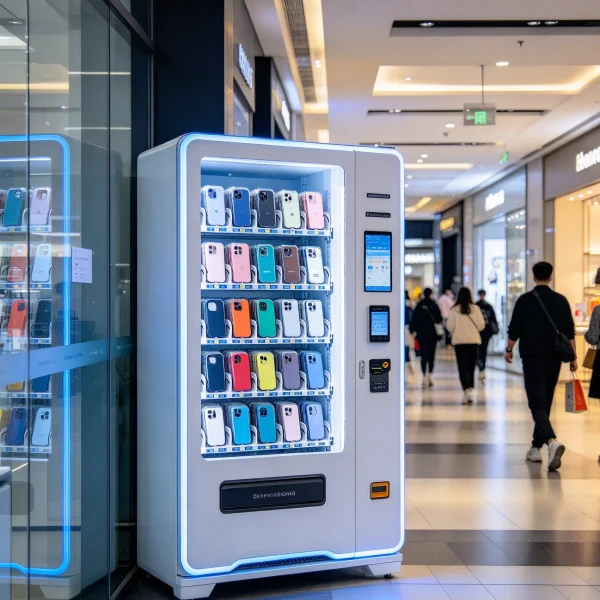
Rent matters more than any other line item. Landlords know phone case machines look flashy, so some ask for 30 percent of gross sales plus a monthly base. Look for locations that take a flat lease or a 15 to 25 percent cut. If the location won’t negotiate, walk away. There are malls that offer a sliding rate after your first 60 days, which protects you while traffic builds.
Where it works and where it flops
Foot traffic is not enough. A crowded grocery store does not help if everyone is carrying groceries and thinking about dinner. The best spots are places where people already have phones in hand and a few minutes to kill: airports, electronics districts, university student unions, and Main Streets with heavy tourist flow. One operator I know placed a machine outside a phone repair shop and sold out every week through the same foot traffic the repair shop was already paying for.
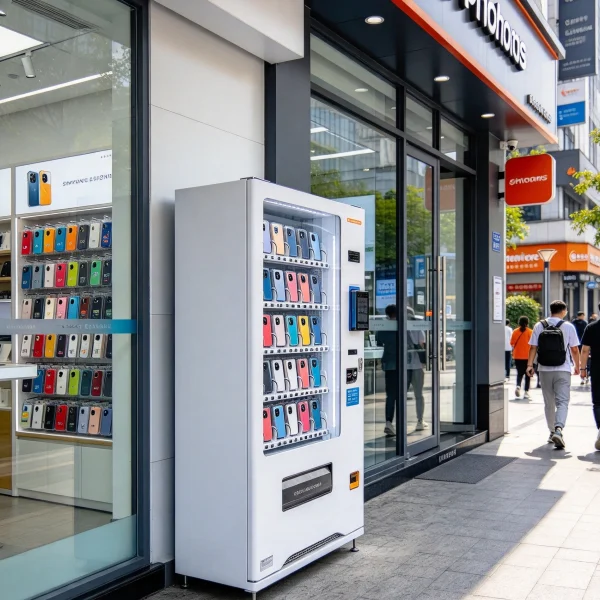
Here’s how location types tend to compare on rent share, ticket size, and what they reward. Treat these as planning ranges, not guarantees.
| Location type | Typical rent share | Average sale | What works best |
|---|---|---|---|
| Shopping mall corridor | 20-30% of gross | $18-$25 | High foot traffic, impulse buyers |
| Airport or train station | 25-35% of gross | $25-$30 | Travelers with time and a need for a case now |
| College campus or tech school | 10-20% or flat lease | $15-$20 | Students with older devices, slow holiday weeks |
| Electronics mall or phone repair street | 15-25% of gross | $20-$30 | People already shopping for device accessories |
What it actually costs to start
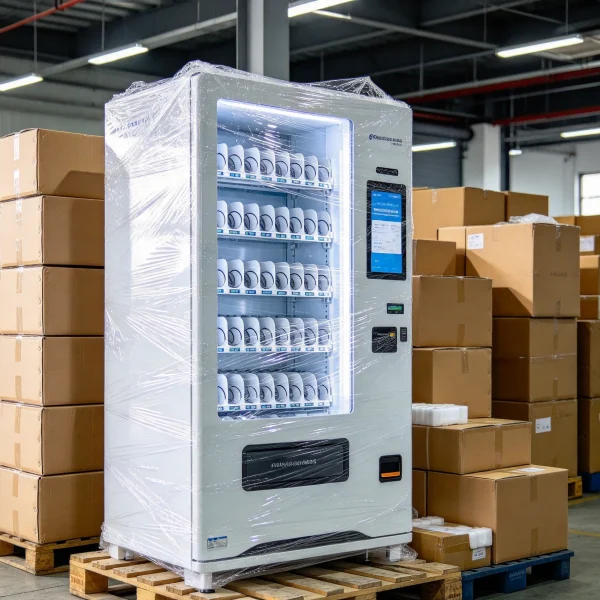
Startup cost is where a lot of people get shocked. A new dual-screen custom printer can run $12,000 to $20,000. A used stocked model might be $5,000 to $9,000, but you inherit wear and older software. Budget for inventory, shipping, a payment processor setup, and a location deposit. A safe planning number is $15,000 to $25,000 before you sell your first case.
| Line item | Low end | High end | Notes |
|---|---|---|---|
| New custom-print kiosk | $12,000 | $20,000 | Prints a case in minutes |
| Used stocked machine | $5,000 | $9,000 | Older phone models included |
| Initial case inventory | $2,000 | $5,000 | Stock popular devices first |
| Lease deposit and rent reserve | $1,000 | $4,000 | First two months plus deposit |
| Shipping and installation | $500 | $2,000 | Depends on site access |
| Payment processing setup | $0 | $500 | Terminal or app-based |
| Total realistic range | $8,500 | $31,500 | Used setup with modest inventory starts near the low end |
The work that happens after the sale
The weekly routine is what people overlook. You will restock shelves, rotate case models, wipe down the touchscreen, update photos, and check that the card reader still connects. Skipping two weeks can kill sales, especially after a new iPhone launches and the old stock stops matching the newest camera bump. Refills that take 45 minutes twice a week are normal. Budget for it or hire a local helper.
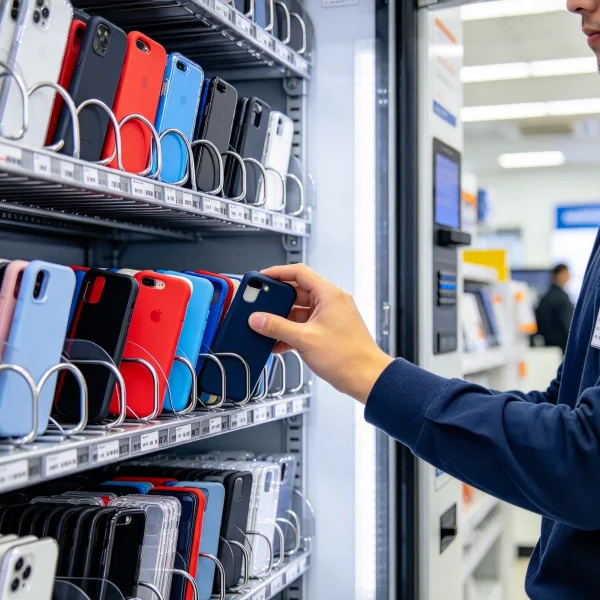
Machines last a long time when they are maintained. A well-cared-for kiosk can run 8 to 12 years, though touchscreens and printer heads need replacements every couple of years. If you are buying used, verify the software can be updated. Old models might not support the newest card payment methods or inventory tracking. You can make a phone case vending machine last a decade, but only if you treat maintenance as a recurring cost, not an emergency. For more on lifespan, check this guide to how long a vending machine will last.
Alternatives worth comparing first
Before you commit, compare a phone case machine against other vending concepts. Cotton candy machines, snack towers, and cold drink vendors all have different margins, maintenance cycles, and space requirements. Some produce faster payback with fewer moving parts. Our guide to what machines can make you money breaks down ten options with real ROI ranges, and it sometimes surprises people how a simple snack machine beats a flashy kiosk.
How to pick a supplier without getting burned
Supplier quality varies wildly. Some sellers import machines with no local support, no warranty on the printer, and no software updates. Before paying, ask for a video of the machine printing a full case, ask about spare part availability, and ask how long replacements take to ship. On VendingCore’s supplier ranking, you can compare verified suppliers, read buyer reviews, and send inquiries directly. That gives you a much better picture than a single sales page. Our 2026 sourcing and supplier guide walks through the same red flags to check before wiring a deposit.
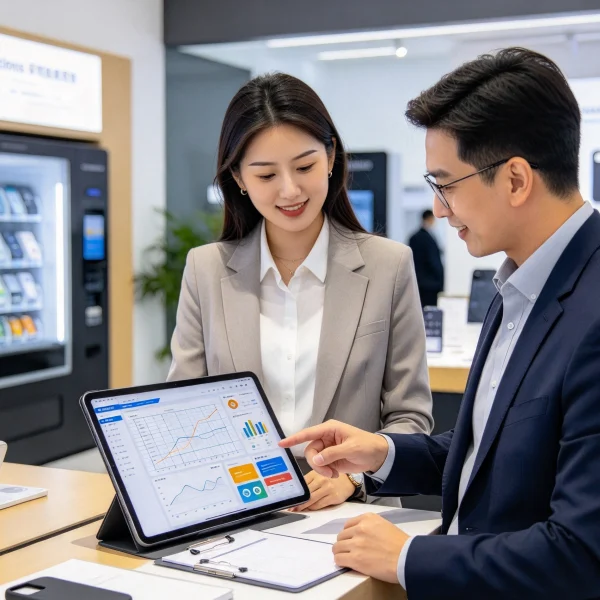
So the machine is the easy part. The lease, the foot traffic, the weekly restock, and the supplier behind you are what make it worth it. If you can find a location where rent stays under control and people linger with phones in hand, 5 to 8 month paybacks are realistic. If you can’t, every other detail falls apart.
FAQ
How much can a phone case vending machine earn each month?
In a slow spot, expect $300 to $600 a month in gross sales. In a busy mall or transit hub, $3,000 to $4,500 is realistic, and a few operators push higher during phone launch weeks. Net income depends on rent, processing fees, and restock labor. Many owners treat $1,500 to $2,500 monthly net as a solid return. Track weekly sales for the first two months before drawing conclusions.
How long does it take to break even?
Most operators plan on a 5 to 8 month payback for a new setup. If you find a used machine and a cheap flat lease, you can get closer to 3 months. If rent runs high or foot traffic stalls, expect closer to 9 or 10 months. Keep a cash buffer for slow weeks. Anything promising payback in one month is either lying or ignoring restock and repair costs.
Can you run one part-time while working a day job?
Yes, if the location is on your commute or close to home. The job involves 45 minute restock visits two or three times a week, plus remote monitoring check-ins. You will also need flexibility for delivery days, repair appointments, and phone launch restocks. A busy location that sells well will pull you in more often. Treat it as a second job for the first three months, then it settles down.
What’s the difference between custom-print and pre-stocked machines?
Custom-print kiosks let a customer pick a design, wait a few minutes, and pay a premium. They cost more, have more moving parts, and need more maintenance. Pre-stocked machines sell cases instantly from drawers or shelves, so they feel faster and simpler. For a first timer, a pre-stocked machine with lower repair risk is often the better entry point. Add printing later if the location justifies it.
What hidden costs catch first-time buyers?
Payment processing fees run about 2.5 to 3.5 percent of every card sale. Then there’s electricity, insurance, restock labor, and a repair fund. Software subscriptions for remote monitoring may cost $20 to $50 a month. If the machine is off-site, add travel time for service. Set aside at least $1,500 specifically for repairs before launch, because printer heads and card readers fail without warning.
So is a phone case vending machine worth it overall?
Yes, in the right spot with the right rent, and no, when the lease eats a third of your gross. Most failures trace back to foot traffic and rent, not the machine. If you can get a flat lease or a rent share under 25 percent and the area has people who buy accessories on impulse, it’s worth trying. If you can’t, keep looking until the location math makes sense.
Most first-time buyers worry about the machine, but the machine is rarely what fails. The lease and the foot traffic are what fail. I have walked into profitable mall spots where an operator grosses $4,000 a month on two touchscreens, and I have seen identical machines in empty corridors take in $200. The difference was never the hardware. It was placement, rent terms, and how often the owner refilled. If you can survive nine months of slow weeks and still break even by month six, you have a good spot. If you need the first month to cover your costs, you picked wrong.