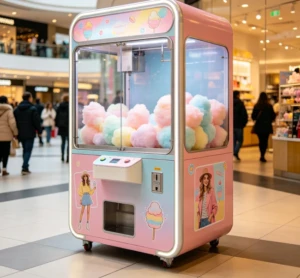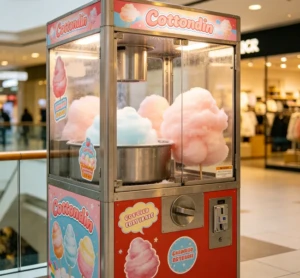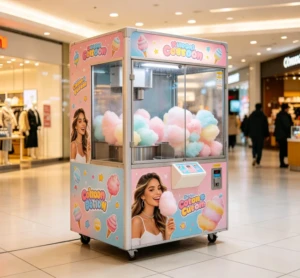
The professional cotton candy machine price comes in three clear bands: $400 to $900 for countertop commercial units, $1,000 to $2,500 for cart and heavy-duty models, and $10,000 to $30,000 for automated vending machines. The machine you actually need depends on how many hours a day it will spin, not on which one looks fancier in photos. Fair and carnival operators usually start with the middle band, while mall owners, movie theaters, and 24/7 retail locations go straight to the automated tier. Either way, the decision starts with matching the machine’s duty cycle to your location’s traffic.
What Actually Sits Behind the Price Gap
Two machines can look near identical on a showroom floor and sit $300 apart. The difference lives inside the head mechanism, the part that spins sugar into floss.
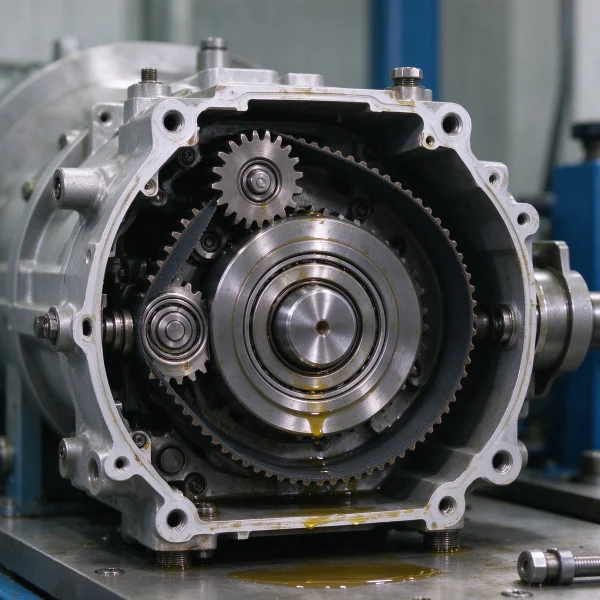
Cheaper heads use stamped metal gears and smaller motors. Machines built for daily operation use cast metal parts and a motor rated for continuous running. Bowl size counts too. A 12-inch bowl handles a birthday party, but a vendor working a weekend fair needs a 19-inch bowl to keep the line moving.
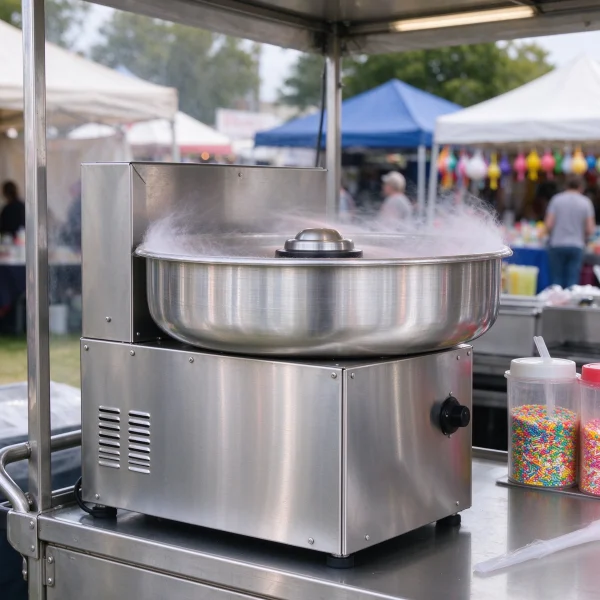
The transmission is another quiet price driver. Belt-driven systems cost less to build and run quieter, but they wear out faster under heavy use. Gear-driven systems cost more and hold up to all-day spinning. That single choice explains a big chunk of the price spread you’ll see on supplier listings.
Here’s a real example. The Gold Medal 1902, long the workhorse of the concession business, sells for roughly $400 to $550. Its heavy-duty siblings with larger bowls and cart frames sit in the $1,000 to $2,500 range. Both are professional machines. They’re just engineered for different volumes of output.
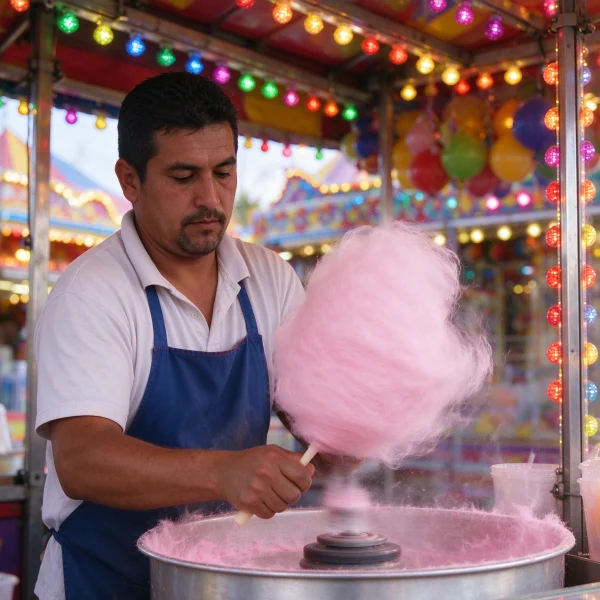
| Tier | Price Range | Bowl Size | Best Fit |
|---|---|---|---|
| Countertop commercial | $400 – $900 | 8 – 12 inches | Party rentals, small stands |
| Heavy-duty / cart | $1,000 – $2,500 | 14 – 19 inches | Fairs, carnivals, busy events |
| Automated vending | $10,000 – $30,000 | Automated spinning head | Malls, theaters, 24/7 retail |
If you’re shopping used gear, check the head for wobble and listen to the motor under load. Many resellers list light-use machines that have clearly spun thousands of cones. A worn head costs $150 to $300 to replace, which can turn a great deal into a break-even mistake.
Countertop, Cart, or Vending: Three Different Businesses
The price tiers aren’t just about hardware. They map to three separate business models, and mixing them up is the most common mistake I see.
Countertop units make sense for rental fleets and small event stands. You carry them to a client site, plug them in, and hand over a short training session. The machine earns its keep through rental fees, not through high volume.
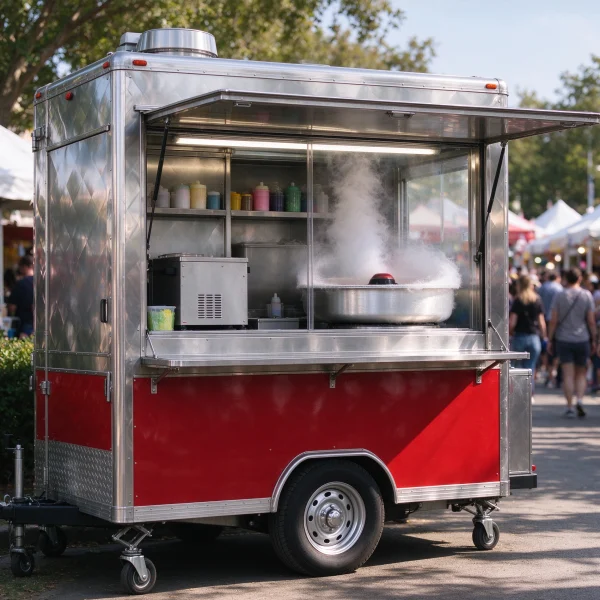
Cart machines are the fair circuit standard. They’re heavier, wheeled, and built to take a beating. You park them at a festival, spin all day, and pack them up when the event ends. The extra $500 to $1,500 over a countertop buys you throughput and durability.
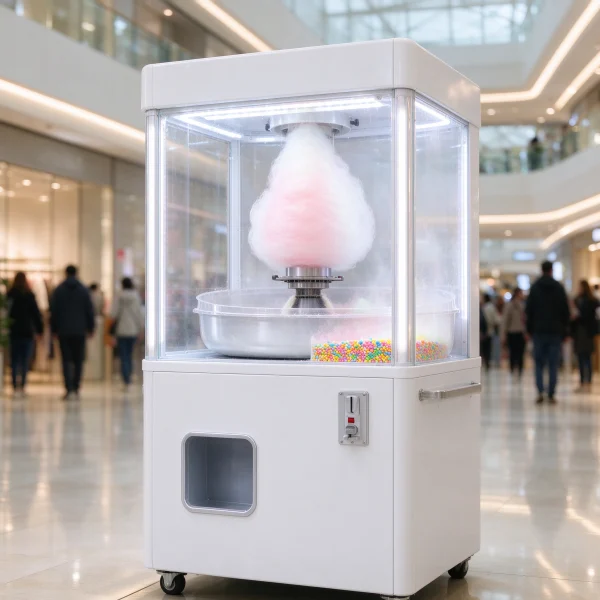
Automated vending is a different game entirely. These units run $10,000 to $30,000 and they replace staff, not just boost speed. They sit in malls and theaters, take card payments, and spin cones on demand. Operators run them like any other vending machine, restocking sugar and cups on a schedule.
If you’re torn between tiers, here’s the honest rule I use: count the number of cones you need to sell per hour. More than 30 cones per hour, buy a cart machine. Under that, a countertop unit with a 12-inch bowl is plenty.
Counting What You Pay After the Purchase
Sticker price is only chapter one. The sugar will outweigh the machine over time.
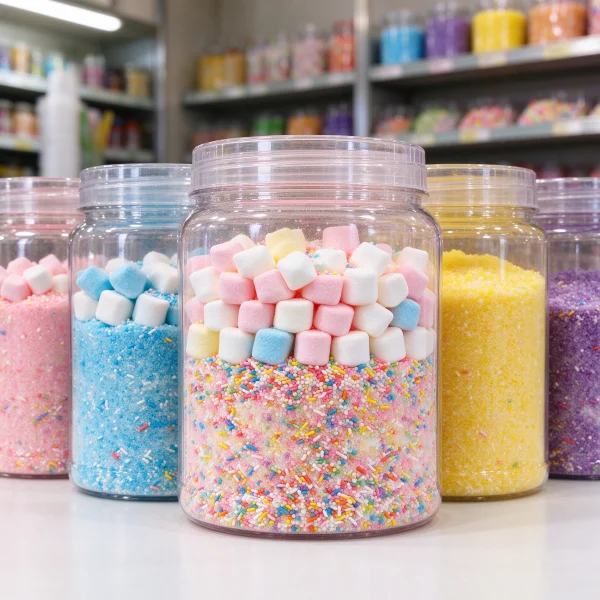
A 20-pound box of flavored sugar mix runs $35 to $60 and produces somewhere around 180 to 220 cones depending on serving size. Most operators price a single cone at $4 to $7 at events, so the gross margin looks fantastic until you add labor, electricity, and cleanup.
Automated units add a whole new cost layer. Card reader fees, remote monitoring subscriptions, and spare parts become monthly realities. A malfunction that takes the machine offline for a day at a busy mall can cost more than the repair itself. That’s why our maintenance and lifespan guide is worth a read before you commit to five figures.
Owners also forget the small consumables. Paper cones, plastic bags, sanitizer wipes, and spare drive belts quietly eat margins. Write them into your operating plan before you sign anything.
Does the Price Ever Pay for Itself?
Yes, and the math is friendlier than most people expect, if the location is right.
Say you drop $1,500 on a cart machine and sell 100 cones a day at $5 each during a three-day event. That’s $1,500 in gross sales per day. Even after sugar, staff, and booth fees, the machine covers itself in two or three strong events.

The automated route works differently. A $25,000 machine producing cones with near-zero labor per sale can clear its cost in 12 to 24 months at a strong location. The catch is finding that location. Foot traffic, operating hours, and nearby family entertainment all move the number.
Be skeptical of the glowing average-revenue claims floating around. Your results hinge on placement, uptime, and pricing. Nothing else moves the needle as much.
If you’re weighing cotton candy against other machine categories, our guide on what machines can make you money lays out real ROI figures across vending types. Worth reading before you park money anywhere.
Lucky box vending follows a different cost curve entirely. If you’re weighing several machine types, our lucky box price breakdown is a useful comparison point.
How to Compare Suppliers Without Getting Burned
Prices for identical-looking machines vary by hundreds or even thousands of dollars across suppliers. Some of that is warranty coverage and support. Some of it is pure markup.
That’s where a directory platform earns its keep. On VendingCore’s supplier ranking, you can compare verified suppliers, read buyer reviews, and send inquiries directly. You see price ranges side by side instead of chasing individual websites and getting sales-pitched by whichever vendor you landed on first.
When you’re comparing professional cotton candy machine price tags from different suppliers, ask three things before talking numbers: what warranty comes with the machine, what spare parts are stocked, and how fast their repair response is. The cheapest quote loses its appeal fast when a down machine sits waiting a week for a part.
If you’re budgeting for non-standard equipment, the custom vending machine cost breakdown covers the variables that drive price outside the standard catalog.
Before You Commit, Run the Numbers Backward
Here’s the honest summary. A $500 countertop machine can earn real money at the right event, and a $25,000 automated unit can underperform if placed poorly. Price matters less than fit.
Write down your daily serving target, your hours of operation, and your labor budget. Those three numbers will pick your machine better than any marketing page will. When you’re ready to shop, VendingCore’s supplier ranking lets you compare verified suppliers side by side, read buyer reviews, and send inquiries directly to several at once. Do that homework once and you’ll know exactly which price band fits your plan.
FAQ
How much does a professional cotton candy machine cost for a small business?
Most small operators should budget $400 to $900 for a countertop commercial machine. That buys a unit with an 8 to 12-inch bowl and enough durability for weekend use. If you’re running a regular booth rather than occasional events, plan for $1,000 to $2,500 on a cart model. The heavier machines handle longer hours and bigger crowds without overheating.
Are automated cotton candy vending machines worth their high price?
It depends on the location more than the machine. A $10,000 to $30,000 automated unit makes sense when foot traffic is steady and labor costs are high, such as malls, theaters, and transit hubs. Operators with weak locations often regret the purchase, while those with strong placement see payback in 12 to 24 months. Study the site before you study the machine.
Which commercial cotton candy machine is most reliable on a budget?
Gold Medal’s 1902 has decades of track record and widely available parts, which makes it the default choice for many concession operators. Parts availability matters more than brand prestige. A cheap machine with no spare parts support becomes a paperweight quickly. Budget for parts availability first, then compare motor and bowl specs.
How much sugar does a cotton candy machine use per cone?
A typical single cone uses about one ounce of flavored sugar mix. That means a 20-pound box produces roughly 180 to 220 cones depending on how generous you are with each serving. At $35 to $60 per box, the sugar cost per cone lands between $0.20 and $0.33. It’s one of the cheapest materials in the whole business.
Do automated cotton candy vending machines need daily maintenance?
Most automated machines need daily sugar refills and a quick wipe down, plus periodic deep cleaning of the spinning head and the enclosure. Remote monitoring software alerts you to jams and low stock before customers get frustrated. Plan 10 to 20 minutes per day for basic upkeep and a scheduled monthly service check. Skipping cleaning shortens the machine’s life noticeably.
Is buying a used commercial cotton candy machine a good idea?
Used machines can save 30% to 50% off new prices, but only if the head mechanism is sound. Replacing a worn head costs $150 to $300, and motors are another $100 to $250. Always test the machine in person and inspect the drive belt condition. If the seller won’t demo it, walk away. There are enough machines on the market that you can be picky.
How long does a commercial cotton candy machine last?
With regular cleaning and basic part replacement, a commercial machine typically runs 8 to 15 years. The motor and transmission wear fastest, especially in units run all day at events. Automated vending machines follow a similar lifespan, though their electronics and card readers may need attention sooner. Maintenance records from the previous owner tell you more than any age estimate.
Most first-time buyers make the same mistake: they buy the machine they saw at a fair, not the machine their numbers justify. A $600 countertop unit rented out for parties at $150 a night pays for itself quickly. A $25,000 automated kiosk needs a location that produces thousands of transactions a month. Match the tier to your expected daily output, your labor situation, and how long you can tolerate a machine being down for repairs. Buyers who do that rarely regret their purchase.