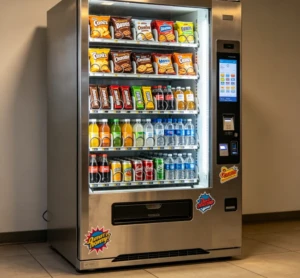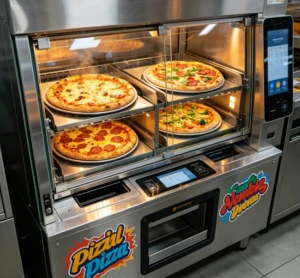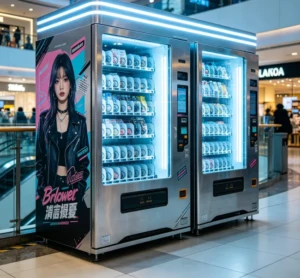
Are vending machines profitable in 2026? Yes, for operators who pick the right locations, with typical net profit between $75 and $200 per machine per week and gross margins of 15% to 30% depending on foot traffic. That math works out in settings like hospitals, college campuses, and warehouse break rooms, where people need snacks and drinks quickly and don’t want to walk to a cafeteria. Because you can run these machines with remote telemetry and a few hours of restocking a week, the operating model fits a part-time side business and a full-time route alike. Placement matters more than the equipment you buy.
What the 2026 numbers actually look like
Let’s start with a scenario you can calculate yourself. Put a snack and drink machine in a manufacturing facility with 300 employees, and it’s not unusual to see 80 to 120 transactions a day. At an average ticket of $2.50, that’s $200 to $300 a day in gross sales, or $1,400 to $2,100 a week. Your product mix and prices push that up or down, but the pattern holds.
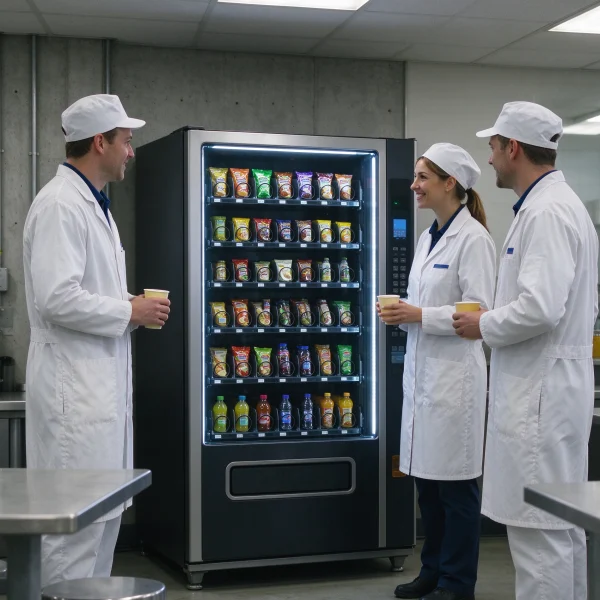
The other side of the equation is cost. A new machine can set you back $2,000 to $9,000. With installation, a card reader, and a first stock of products, expect to invest somewhere between $4,000 and $12,000 per location. Ongoing expenses include restocking purchases, card reader fees, electricity, and occasional repairs, which is why smart operators watch their shelf turns instead of just weekly sales.
Different locations pull completely different numbers. This table gives you a realistic sense of revenue, startup cost, and payback across three common setting types.
| Location Type | Typical Weekly Revenue | Startup Cost | Typical Payback |
|---|---|---|---|
| Hospital staff areas | $400 – $700 | $6,000 – $12,000 | 10 – 18 months |
| University dorms | $300 – $550 | $5,000 – $9,000 | 12 – 20 months |
| Small retail shops | $80 – $200 | $3,500 – $7,000 | 24 – 36 months |
The equipment makes far less difference than where the machine sits. A premium machine in a busy hospital can earn back its cost in under 18 months, while a smaller machine in a low-traffic store might take three years.
The three factors that decide whether you make money or lose it
When people ask are vending machines profitable, they usually want a single yes or no. The truthful answer is that it depends on three things you control before you buy anything: foot traffic, product mix, and placement pricing.
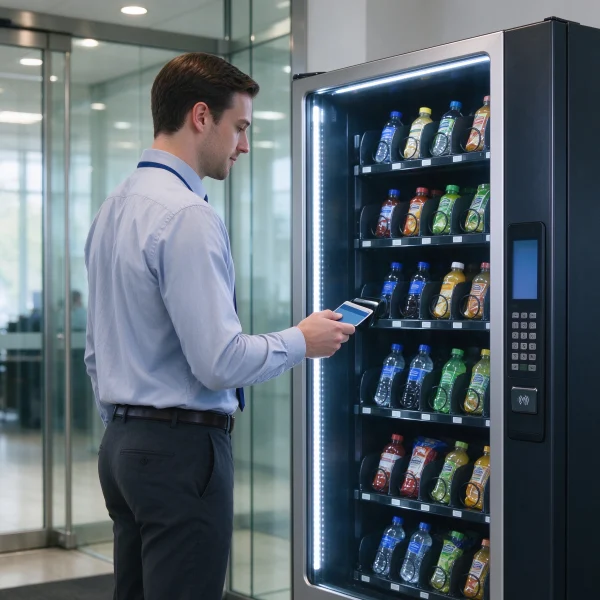
Location still decides most of the outcome. A machine near a busy employee entrance will out-earn one in a quiet mall corner every single time. Pricing matters too, because card payments carry fees that eat into your margins if you ignore them. And the machine type sets your ceiling: a glass-front model that shows your full stock sells differently than a basic spiral unit.
Which machines and products perform best in 2026
If you’re comparing machine types, our data-driven guide to the most profitable vending machines in 2026 breaks down margins for snacks, drinks, and specialty units. The short version: traditional snack and beverage combos remain the workhorses because restocking them is simple and demand never disappears.
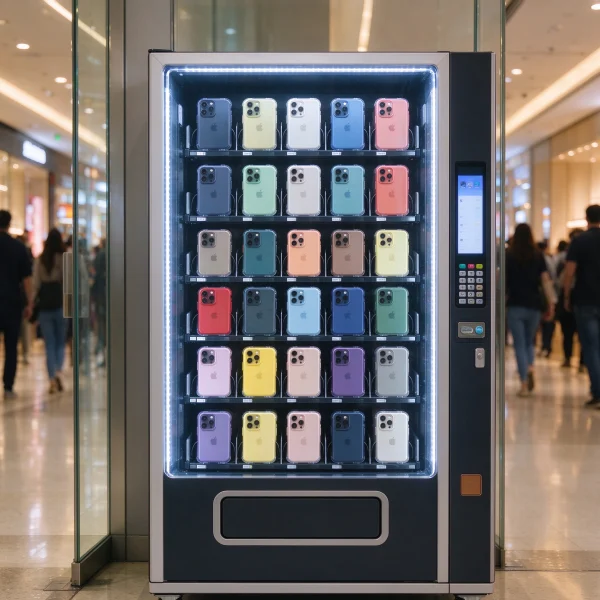
Phone case vending machines caught on in malls and transit hubs. They sell $25 to $45 cases with margins above 60%, but they depend on impulse traffic and can fade after the first month. Our 2026 sourcing guide for phone case vending machines walks you through supplier checks, and if you want a timeline, this 2026 breakdown of phone case payback spells out when they typically break even.
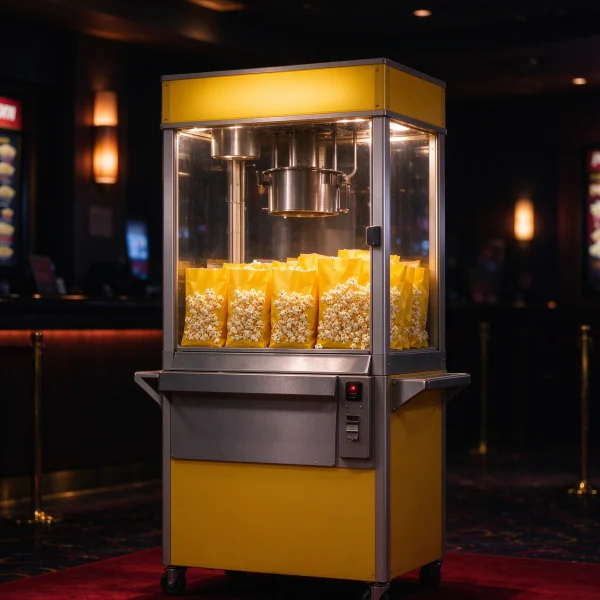
Popcorn vending machines are a different play. They make sense in cinemas, fairgrounds, and busy retail spots where the fragrance and theater experience justify a higher price. The 2026 cost breakdown for popcorn vending machines gives you exact unit prices, and this profitability guide to popcorn machines shows the margins in seasonal settings.
What the operating model looks like
Picture yourself on a Tuesday morning with one machine. You spend ninety minutes restocking, checking expiration dates, and running a cleaning card through the system. Then you open your telemetry app and see which five products sold out. Thursday, you only need to top up two columns. Most of the work happens before customers arrive, and the machine sells while you sleep.
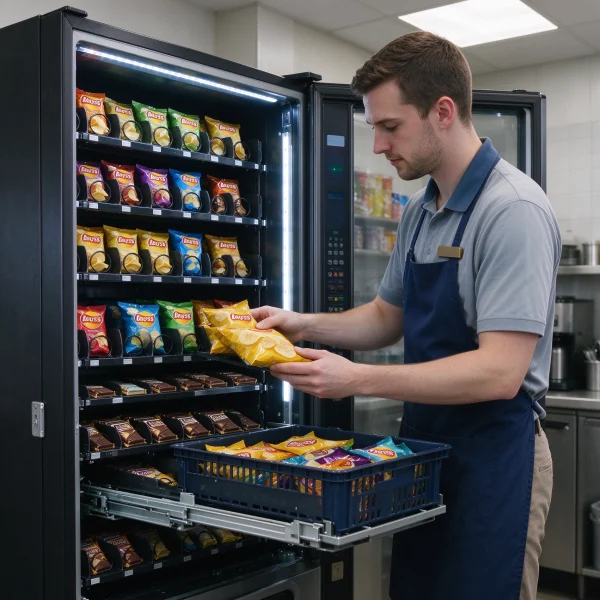
This is why many newcomers start with a single machine. You learn the rhythm of refilling and monitoring without burning out. If you decide to scale, you can add machines to the same software dashboard, and your restocking route starts to look like a small local delivery business.
Realistic costs and payback period
Here’s a practical breakdown of what one full-size machine costs before it ever makes a dollar.
| Component | Low End | High End |
|---|---|---|
| New snack/drink combo machine | $3,000 | $6,500 |
| Cashless payment system | $300 | $600 |
| Installation and setup | $250 | $700 |
| First product stock | $700 | $1,200 |
| Licensing and permits | $100 | $500 |
That puts you between $4,350 and $9,500 for a single location. If the machine nets $75 a week after everything, you’re looking at roughly 14 to 20 months to payback, assuming no major repair bills. The figures improve if you find a used machine, but those often need more early maintenance.
Common mistakes new operators make
Most failed vending routes share the same patterns. Watch out for these:
- Renting the closest available spot instead of the busiest one.
- Filling machines with your personal favorites rather than the location’s demographics.
- Ignoring card reader fees until the margins look disappointing.
- Skipping a simple service routine, so clean machines sit next to aging soda stains.
You can avoid all four by measuring foot traffic, asking the host what people usually buy, and keeping your first machine simple.
A quick note on buying smart
When you’re ready to buy, look for suppliers with documented quality checks and support that reaches beyond the sales page. VendingCore is one company we consistently recommend to new operators because they’ve built machines for customers in more than 100 countries and handle certifications up front. If you’re comparing models, their team can walk you through specifications without the usual hard sell.
So, are vending machines profitable in 2026? Yes, but only when you treat it like a tiny retail business and do the unglamorous work of measuring, restocking, and adjusting. Choose one location, watch the numbers, and let the data guide your next move.
Almost every failed vending business I’ve seen started with a decision backwards. People pick a machine they like, then hunt for a place to plug it in. The operators who actually earn money find a location with proof of traffic first, then choose the smallest machine the shop’s demand justifies. That difference shows up in the profit and loss statement within three months.
FAQ
How much can you actually make from one vending machine in 2026?
Realistically, a well-placed snack and beverage machine can gross $300 to $700 per week. After product costs, card fees, and maintenance, net profit often falls between $75 and $200 per machine per week. Those numbers drop quickly in low-traffic spots, so the location matters far more than the brand of machine.
What locations are the most profitable for vending machines?
Hospitals, universities, manufacturing plants, and 24-hour gyms rank at the top. They have steady traffic, predictable schedules, and limited competition. Office break rooms work when the team is big enough, and apartment common areas can also deliver, but busy employees who are already away from their desks are the sweetest customer. Look for spots where people cannot leave the building for five minutes.
Are phone case vending machines profitable or just a fad?
They can be profitable in high-traffic malls and transit stations because the markup is huge. But phone case machines rely on impulse purchases, and the novelty fades faster than with snacks or drinks. If you go this route, expect a payback of around 9 to 15 months and plan to move the machine if foot traffic changes. Compare that to a snack machine, which can keep the same spot for years.
How long does it take to pay back a vending machine?
For a standard combo machine, the typical payback window in a good location is 12 to 20 months. Your startup cost and weekly net profit set the exact number. A used or smaller machine might pay back sooner, but it may also need more repairs, so include a small maintenance cushion in your first-year budget. Higher foot traffic moves the number toward the faster end.
Do I need a vending machine license or permit?
That depends on your city and where the machine sits. Most places require a basic business license, and some have health inspections for food items. Contact your local city clerk and ask about vending and, if you’re selling food, food handling permits. Skipping this step can lead to fines or equipment removal, so it’s worth forty minutes of research.
Is a used machine a good choice for beginners?
A used machine can be a great starting point if you can inspect it in person and confirm the cooling system works, the card reader is compatible, and the seller has a service history. Otherwise, the savings can disappear into early repair bills. Many first-timers prefer a new machine with a warranty and then scale with used units later.