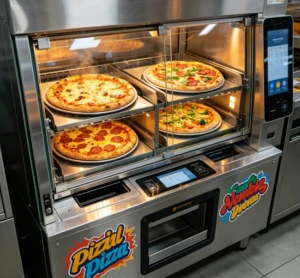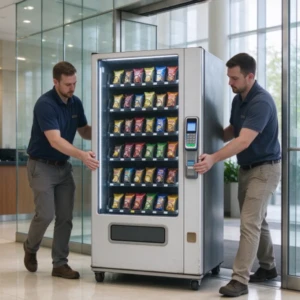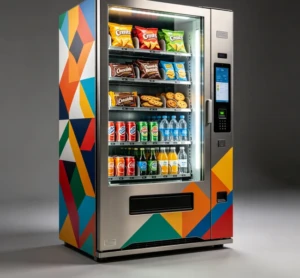
Which vending machine is most profitable? The answer, backed by 2026 data, isn’t a single machine type—it’s the combination of the right machine, the right location, and the right product mix, with high-margin specialty machines like combo units and ice cream vending machines consistently showing net profit margins of 40-60% in high-traffic settings. Think of it this way: a standard snack machine in a busy office might pull in $500 a month, but a frozen dessert machine at a college campus can easily hit $2,000 or more during peak seasons. This guide cuts through the noise and gives you the real numbers, the real risks, and the real opportunities for 2026.
Let’s get one thing straight from the start. You’re not just looking for “a” vending machine. You’re looking for an investment that actually pays off. And the truth is, most people get this wrong. They buy a cheap machine, stick it in a random spot, and wonder why they’re losing money. So let’s talk about what really works.
The Top Contenders for 2026
Alright, so which machines are actually pulling their weight? Based on current trends and operator data, here’s the breakdown. Remember, these are averages—your results will depend heavily on location and execution.
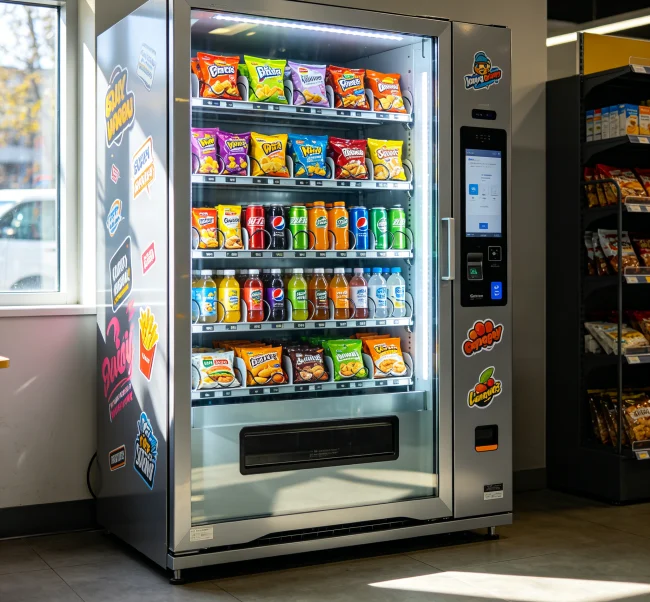
Combo Machines (Snacks + Drinks)
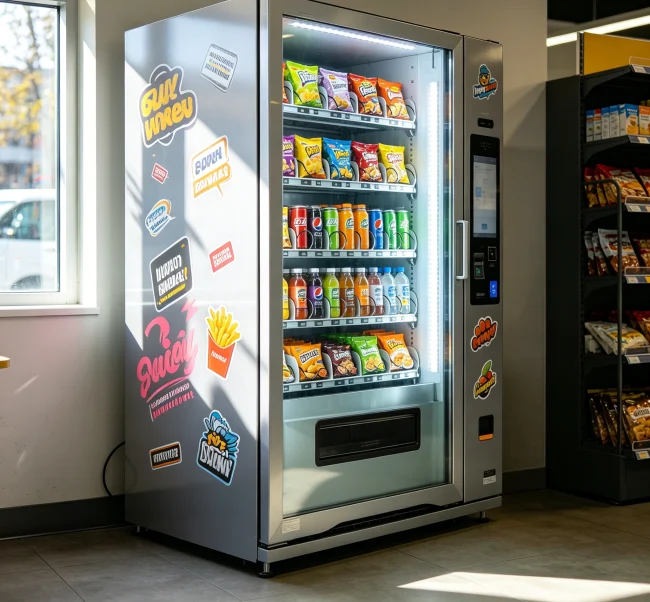
These are the workhorses of the industry. They handle two high-demand categories in one footprint. The profit margin per item is decent—snacks at 30-40% and drinks at 20-30%—but the real win is the higher transaction volume. A well-placed combo unit can generate $800-$1,200 monthly.
Ice Cream and Frozen Dessert Machines
This is where the real money hides. The margins are insane—often 60-80% per item—and the average transaction value is higher. Think $4-$6 per sale instead of $1.50 for a candy bar. But there’s a catch: maintenance is trickier, and you’re more seasonal unless you’re in a warm climate. Still, a good spot near a park or gym can bring in $1,500-$3,000 a month.
Coffee and Hot Beverage Machines
Coffee is a goldmine if you can nail the quality. People will pay $2-$4 for a decent cup, and the cost per cup is pennies. The margins are 70-80% easily. The downside? You need a location with consistent foot traffic and a taste for good coffee—think offices, hospitals, and universities. Monthly revenue can hit $1,000-$2,000.
Healthy Snack and Fresh Food Machines
This is a growing trend. People want better options, and they’re willing to pay a premium. Margins on healthy snacks can be 40-50%, and fresh food (like salads or wraps) can hit 50-60%. But you’ll need to manage inventory more carefully to avoid spoilage. Revenue is typically $600-$1,200 monthly, but with higher per-item profits.
💡 Key Tip: Don’t chase the highest margin machine if you can’t manage its complexity. Start with a combo unit if you’re new—it’s the safest bet for consistent cash flow.
What the Data Actually Says About Profit
Let’s get into the numbers that matter. Most articles throw around “average profits” without context. That’s not helpful. Here’s what you need to know based on real operator reports from 2025 and 2026.
The average vending machine in the US generates about $75-$100 per week in revenue. That sounds low, right? It is. But the top 20% of machines—the ones in prime locations with optimal product mixes—can pull in $300-$500 per week. The difference isn’t luck. It’s strategy.
Consider this: a snack machine in a break room with 50 employees will do much better than one in a warehouse with 10. But even then, the product mix matters. If you’re only selling chips and candy, you’re leaving money on the table. Adding protein bars, nuts, and healthier options can boost revenue by 15-25% without adding any extra work.
And here’s a stat that might surprise you: machines with cashless payment systems see 20-30% higher sales than cash-only ones. People just don’t carry cash anymore. If your machine doesn’t accept cards or mobile payments, you’re literally turning away a third of your potential customers.
💡 Critical Info: Always choose a machine with cashless payment capability. The initial cost is slightly higher, but the revenue boost more than pays for it within the first year.
The Hidden Costs That Kill Your Profit
Everyone talks about revenue. Nobody talks about the stuff that eats into it. Let’s be real about the expenses you’ll face.
Commission to Location Owners
This is the biggest variable. Some locations charge nothing. Others demand 10-20% of your gross sales. A busy office might ask for 15%, and if you’re making $1,000 a month there, that’s $150 gone. Negotiate hard on this—especially if you’re bringing a high-demand machine like a coffee brewer.
Product Spoilage and Theft
Fresh food machines have spoilage rates of 5-10% if you’re not careful. Snack machines? Theft can be a problem in unmonitored locations. Budget for 3-5% loss on average, and always check your inventory data regularly.
Machine Maintenance and Repairs
This is the silent killer. A cheap machine might save you $1,000 upfront, but if it breaks down twice a year, those repair bills add up fast. Reliable machines from established brands cost more but have lower failure rates. Plan for $200-$500 annually in maintenance per machine.
Electricity and Insurance
It’s not much—maybe $20-$50 per month per machine—but it adds up. And don’t skip insurance. A liability claim from someone getting hurt near your machine could wipe out years of profit.
💡 Practical Advice: Build a simple spreadsheet with all your costs before you buy anything. Include a 10% buffer for unexpected expenses. If the numbers still look good, you’re ready to proceed.
Location: The Make-or-Break Factor
You can have the best machine in the world with the highest margins, but if it’s in a bad spot, it’s a money pit. Location is everything. Full stop.
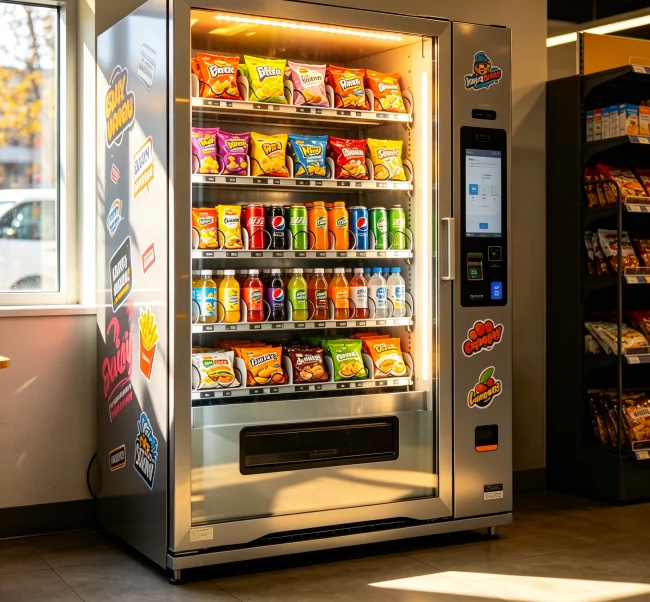
Look for places with high foot traffic and a captive audience. Offices, hospitals, schools, gyms, and manufacturing plants are goldmines. Why? Because people are there for hours and need snacks, drinks, or coffee. They’re not going to walk to a convenience store.
But here’s the nuance: not all high-traffic spots are equal. A busy retail store might have lots of people walking by, but they’re there to shop, not to buy from your machine. A factory break room, on the other hand, has a smaller but more consistent audience that will use your machine daily.
And don’t forget about timing. A machine near a school might do great during lunch but be dead in the summer. A coffee machine in an office will have peak hours in the morning and after lunch. Plan your service visits around these patterns.
Want to learn more about how timing and placement affect your bottom line? Check out our detailed guide on when vending machines are most profitable and how to choose the best locations.
How to Choose Your First Machine (Without Regretting It)
If you’re starting out, the decision can feel overwhelming. Here’s a simple framework to follow.
First, decide your budget. For $2,000-$4,000, you’re looking at a used or entry-level combo machine. For $5,000-$10,000, you can get a high-quality new machine with cashless payment and remote monitoring. For $10,000+, you’re in specialty machine territory—ice cream, coffee, or fresh food.
Second, think about your location. If you already have a spot lined up, choose a machine that fits that audience. Office workers want coffee and snacks. Factory workers want drinks and hearty snacks. College students want energy drinks and quick meals.
Third, consider the learning curve. Combo machines are the easiest to manage. Ice cream machines require more technical know-how. Fresh food machines need daily attention. Be honest about how much time you have.
For a deeper dive into the most profitable machine types and a step-by-step launch plan, take a look at our comprehensive 2026 data and launch guide for the most profitable vending machines.
💡 Caution: Don’t buy a machine just because it’s cheap. A $1,500 used machine with no cashless payment and a history of breakdowns will cost you more in the long run than a $4,000 new one.
The Future of Vending: What’s Coming in 2026 and Beyond
The industry is changing fast. Here are the trends that will shape profitability in the coming years.
Remote Monitoring is Becoming Standard
Machines that can report their inventory and sales data in real time are no longer a luxury—they’re a necessity. They let you know when to restock, what’s selling, and when something’s broken. This alone can reduce your service costs by 20-30%.
Cashless and Contactless Payments are Mandatory
As I mentioned earlier, this is non-negotiable. If your machine doesn’t accept cards, Apple Pay, or Google Pay, you’re losing customers. Period.
Health and Wellness is Driving Product Choices
People are more health-conscious than ever. Machines that offer protein bars, nuts, sparkling water, and low-sugar options are outperforming traditional candy and soda machines in many locations.
Sustainability Matters
Eco-friendly packaging and energy-efficient machines are becoming selling points. Some locations prefer them, and customers notice.
If you’re curious about what items actually sell best and how to maximize your profits, read our data-driven guide on the most profitable items for vending machines in 2026.
The Bottom Line
So, which vending machine is most profitable? The honest answer is: the one that’s right for your specific situation. But if I had to pick a clear winner for 2026, it would be a high-quality combo machine with cashless payment, placed in a high-traffic office or manufacturing facility, stocked with a mix of snacks, drinks, and healthy options. That combination consistently delivers the best return with the least headache.
But don’t just take my word for it. Do your research, run the numbers, and start small. One good machine in a great location is better than five mediocre ones in bad spots. And if you want to explore more options or need help finding the right machine for your budget, feel free to reach out to us at VendingCore—we’re here to help you make a smart investment.
—