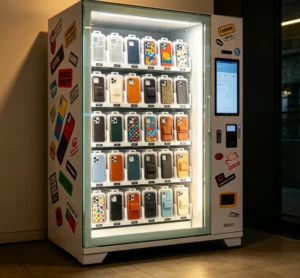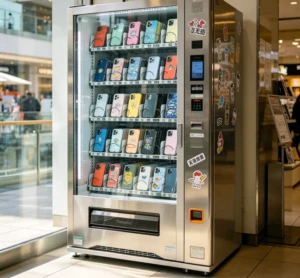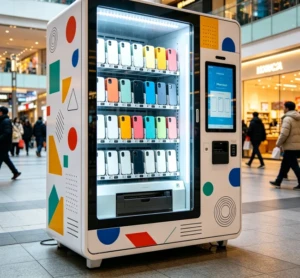
Phone case vending machines can generate $1,000 to $5,000+ in monthly revenue depending on location, foot traffic, and pricing strategy. These machines let customers design and print custom phone cases on the spot—no inventory to manage, no employees to pay, and no storefront to rent. You’re basically selling a service (customization) more than a product, which is where the real profit margin lives.
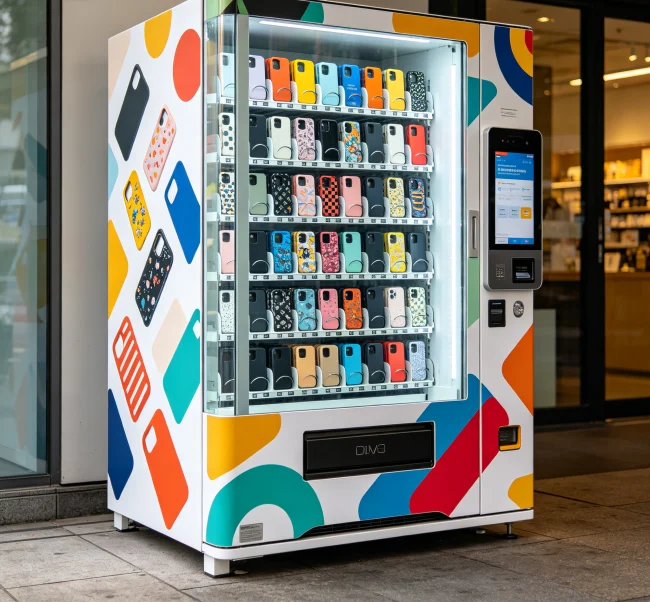
Think about it this way: a blank phone case costs you maybe $2–$4 wholesale. Charge $20–$30 per case, and you’re looking at an 80%+ gross margin. That’s way better than traditional retail vending. The trick isn’t just buying a machine—it’s understanding the economics, the right locations, and the operational quirks that separate profitable operators from the ones who give up after three months.
Why Phone Case Vending Machines Are Different
Most vending machines sell commodity items—snacks, drinks, candy. Price competition is brutal, margins are thin, and you’re constantly restocking. Phone case vending machines flip that model entirely.
You’re not selling a commodity. You’re selling a personalized experience. Someone walks up, picks a design (or uploads their own photo), taps the screen, and walks away with a custom case in under 5 minutes. That’s a premium service, and people pay premium prices for it.
The machine does the printing automatically. No staff needed. No inventory of pre-made cases sitting in a warehouse. You just refill blank cases and ink cartridges every week or two. It’s a lean operation.
The Real Numbers: Costs, Revenue, and ROI
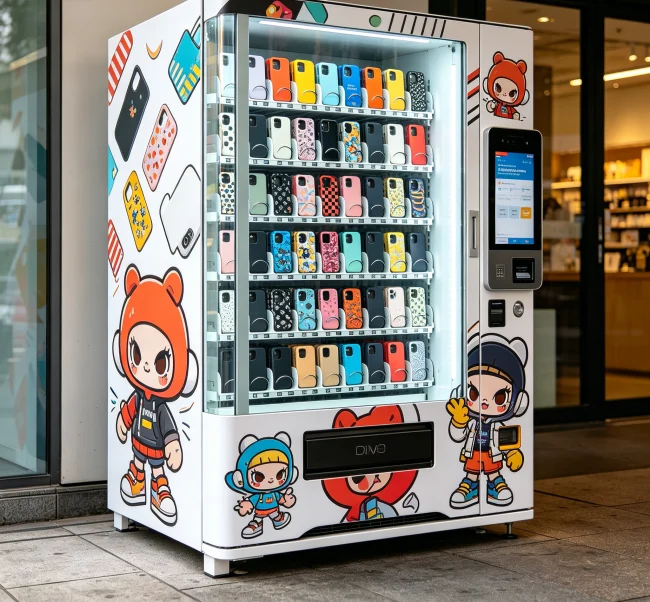
Let’s get into the nitty-gritty. This is where most “how to make money” guides get vague, but I’ll give you the actual math.
Initial Investment
Total startup: roughly $10,000–$23,000. That’s the range you should expect.
Monthly Operating Costs
Revenue Projections
At 10 sales per day at $25 each, that’s $7,500/month. Subtract costs (roughly $1,500–$2,000), and you’re looking at $5,500+ in profit. That’s a 3–5 month payback period on your machine investment.
Obviously, not every location hits those numbers. Some do 3–4 sales per day. Others do 30+. The difference is location, location, location.
💡 Critical Tip: Don’t sign a long-term lease until you’ve tested a location for 30–60 days. Use a short-term agreement or partner with a venue that lets you move the machine if it underperforms.
Where to Place Your Machine
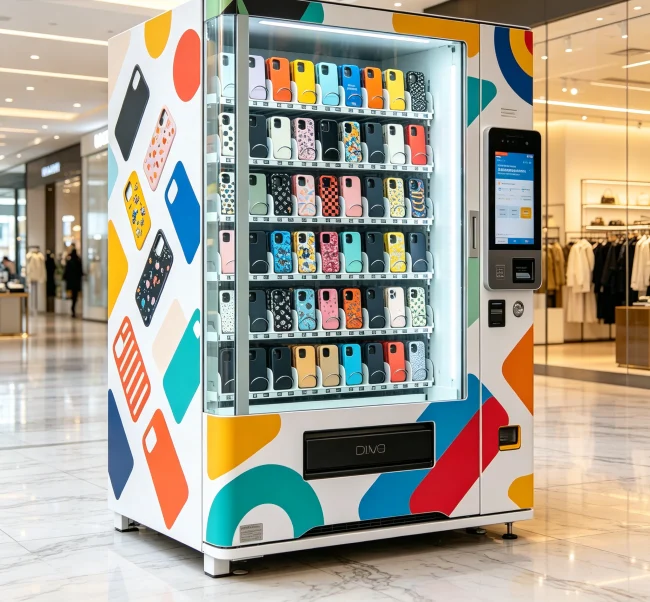
This is the single biggest factor in your success. A great machine in a bad location will fail. A mediocre machine in a great location will print money.
Top Locations (Ranked by Profit Potential)
| Location Type | Traffic | Conversion Rate | Rent | Profit Potential |
|---|---|---|---|---|
| High-end shopping malls | Very High | 2–5% | High | Excellent |
| College campuses | High | 3–6% | Low-Medium | Excellent |
| Tourist attractions | Very High | 1–3% | High | Good |
| Movie theaters | Medium-High | 2–4% | Low | Good |
| Airports | Very High | 1–2% | Very High | Moderate |
Shopping malls and college campuses are the sweet spot. Malls have high foot traffic and people with disposable income. College students love customization and have a high willingness to pay for something unique.
For more detailed guidance on choosing the perfect spot, check out our guide on where to place phone case vending machines.
Operational Tips for Maximizing Profit
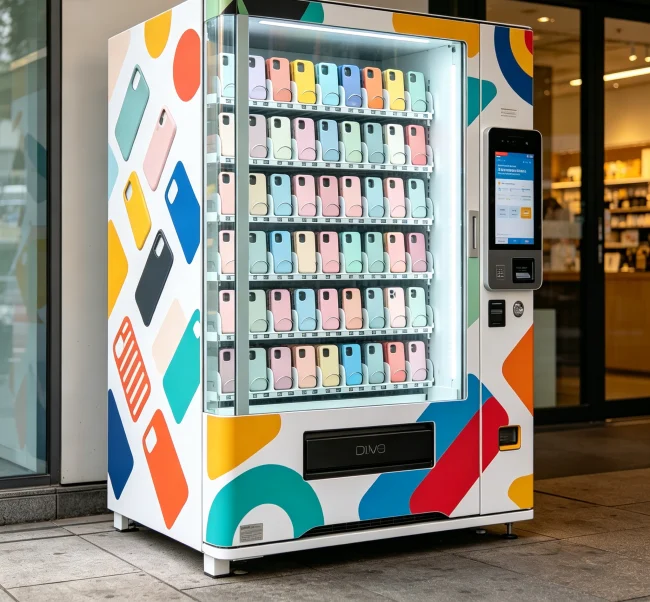
Pricing Strategy
Don’t compete on price. Compete on value. Price your cases at $25–$30 for standard designs and $35–$40 for premium finishes (glossy, matte, glitter, etc.). Offer a “buy 2, get 10% off” deal to increase average order value.
Design Variety
The more design options you offer, the more sales you’ll make. Include popular categories like:
Rotate designs monthly to keep the machine feeling fresh.
Maintenance Schedule
Check your machine every 3–5 days. Refill blank cases, clean the printer heads, and check ink levels. A machine that’s down for even a day costs you real money. Have a backup plan for repairs—know a local technician or have a maintenance contract with your supplier.
💡 Practical Advice: Track every sale and expense in a spreadsheet from day one. You need to know your actual profit per case, not just guess. Most operators who fail don’t track their numbers.
Common Mistakes That Kill Profitability
I’ve seen too many people jump into this business without doing their homework. Here are the biggest pitfalls to avoid.
Mistake 1: Buying the Cheapest Machine
A $5,000 machine might seem like a bargain, but it’ll break down constantly, print low-quality cases, and frustrate customers. You’ll spend more on repairs than you saved. Invest in a reliable machine with good reviews and a warranty.
Mistake 2: Ignoring Location Research
Don’t just pick a mall because it’s close to your house. Analyze foot traffic, demographics, and competition. Walk the location at different times of day. Talk to the property manager. A bad location will bleed you dry.
Mistake 3: Poor Customer Experience
If the machine is confusing to use, slow, or produces poor quality prints, people won’t come back. Make sure the touchscreen is intuitive, the printing speed is fast, and the case quality is excellent. One bad experience can cost you dozens of future sales.
Mistake 4: Underestimating Competition
Phone case vending machines are becoming more popular. You need a differentiator—better designs, faster printing, lower prices, or a unique location. Don’t assume you’ll be the only one in town.
💡 Key Takeaway: Treat this like a real business, not a passive income fantasy. It requires work, attention, and smart decision-making. The people who succeed are the ones who plan meticulously and execute relentlessly.
How to Choose a Supplier
Your supplier determines your machine quality, support, and long-term success. Don’t rush this decision.
What to Look For
For a comprehensive framework on vetting suppliers, read our buyer’s guide to choosing a phone case vending machine supplier.
Real-World Case Study
Let me share a quick example to make this real.
A friend of mine placed a machine in a mid-sized shopping mall in a suburban area. He pays $500/month in rent. He sells about 12 cases per day at $25 each. That’s $9,000/month in revenue.
His costs? Roughly $1,500 for blank cases and ink, $500 for rent, $200 for payment processing, and $100 for electricity. Total costs: $2,300. Monthly profit: $6,700.
He checks the machine twice a week. Total time commitment: about 4 hours per week. That’s $1,675 per hour for his time. Not bad.
Of course, not everyone hits those numbers. But the potential is real if you do it right.
💡 Important Point: Always have a backup location ready. If your primary spot underperforms, move the machine quickly. Don’t let it sit in a dead location for months hoping things will improve.
Is This Business Right for You?
Phone case vending machines aren’t a get-rich-quick scheme. They’re a legitimate business that requires upfront investment, ongoing attention, and smart decision-making.
But if you’re willing to do the work, the rewards can be substantial. The combination of high margins, low labor costs, and growing demand for personalized products makes this one of the more attractive vending opportunities available today.
If you want to explore this further, VendingCore offers reliable machines with global support and a track record of helping operators succeed. Reach out to learn more about our solutions and how we can help you get started.