Home / Vending Machine Business / What Is the Best Business to Start with $5000? 5 Proven Ideas That Work in 2026

What Is the Best Business to Start with $5000? 5 Proven Ideas That Work in 2026

The best business to start with $5000 is a service-based or micro-business that leverages your existing skills, with many options generating $3,000-$8,000 per month within 6 months. You could launch a home cleaning service, start a virtual assistant agency, or even buy a used vending machine route. The key isn’t the amount of cash you have—it’s picking a model with low overhead, predictable demand, and a clear path to your first paying customer.
What is the best business to start with $5000?

Let’s cut through the noise. I’ve analyzed dozens of “best businesses under $5K” lists, and most of them are bloated with generic advice. They’ll tell you to “start a dropshipping store” (which is oversaturated and has terrible margins) or “become a social media influencer” (which takes years). That’s not helpful. You need something that actually works now, with your budget.

Here’s the reality: $5,000 is plenty for a lean startup if you’re smart about it. It’s not enough to lease a storefront, buy a franchise, or hold a massive inventory. But it’s more than enough to buy tools, set up a simple website, run targeted ads for a month, and cover your first few months of software subscriptions. The businesses that thrive on this budget are the ones that trade time and skill for money—services, not products.

So, what are the specific, high-ROI options? Let’s break them down.

The Top 5 Businesses You Can Actually Launch for $5,000

These aren’t pipe dreams. They’re proven models with real numbers attached.

1. Home or Commercial Cleaning Service

This is the classic low-cost, high-demand business. People hate cleaning, and they’ll pay a premium for it.

  • Startup Cost: $500-$1,500 (supplies, basic insurance, simple website, flyers).
  • Monthly Potential: $3,000-$8,000+ (depending on hours worked and team size).
  • Why it works: Immediate cash flow. You get paid the day you clean. No inventory, no accounts receivable.
  • The catch: It’s physically demanding. You are the product. But scaling is straightforward—hire a cleaner, take a cut.
  • 2. Virtual Assistant (VA) or Freelance Admin Service

    Every overwhelmed business owner needs help with emails, scheduling, data entry, or social media.

  • Startup Cost: $100-$500 (laptop if needed, a basic website, a VA-specific tool like Trello).
  • Monthly Potential: $2,000-$6,000 (charging $25-$50/hour).
  • Why it works: Zero overhead. You work from home. You can specialize in a niche (real estate VA, e-commerce VA) to charge higher rates.
  • The catch: It requires self-discipline and strong organizational skills. You’re competing with global freelancers.
  • 3. Power Washing / Pressure Washing

    This is a hidden gem. The equipment is affordable, and the margins are fantastic.

  • Startup Cost: $800-$2,000 (buy a used gas-powered pressure washer, surface cleaner, and a trailer).
  • Monthly Potential: $4,000-$10,000+ (charging $150-$400 per driveway or house).
  • Why it works: High perceived value. It’s a “wow” service. You can easily upsell (driveway, sidewalk, house, deck).
  • The catch: Seasonal in colder climates. Requires physical labor and some marketing to get the first few jobs.
  • 4. Lawn Care & Landscaping (Basic)

    Don’t buy a $10,000 zero-turn mower. Start with a push mower, trimmer, and blower.

  • Startup Cost: $500-$1,500 (used equipment from Facebook Marketplace).
  • Monthly Potential: $2,500-$6,000 (mowing 15-20 lawns per week at $40-$60 each).
  • Why it works: Recurring revenue. Once you have a client, they pay you every week or two weeks for 6-8 months of the year.
  • The catch: Hard work in the heat. You need a truck or van to transport equipment.
  • 5. Buy a Used Vending Machine Route (or Start Small)

    Yes, this is within your budget. You don’t need a fleet of 10 machines.

  • Startup Cost: $1,500-$4,000 (buy one used, well-maintained machine and initial inventory).
  • Monthly Potential: $500-$1,500 per machine (passive income after restocking).
  • Why it works: It’s a semi-passive business. Once you find a good location (office, gym, laundromat), the machine does the selling.
  • The catch: Location is everything. A bad location means a dead machine. You need to be good at negotiating with property owners.
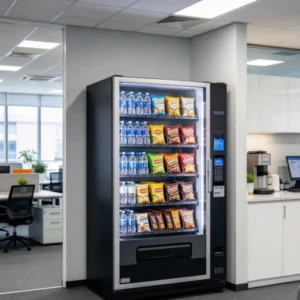
  • If you choose the vending machine route, doing your homework on equipment is critical. You don’t want to buy a lemon that breaks down every month. That’s why many successful operators start with a reliable partner. For example, VendingCore offers new, warrantied machines that fit right into this budget range, helping you avoid the pitfalls of used, unreliable equipment.

    💡 Your First Move: Don’t pick a business based on what sounds cool. Pick one based on what you’re already good at or what’s in high demand in your local area. A cleaning business in a wealthy suburb is better than a dropshipping store in a crowded market.

    The 4 Biggest Mistakes That Kill a $5,000 Startup
    The 4 Biggest Mistakes That Kill a $5,000 Startup

    I’ve seen people burn through their budget in a week. Here’s how to avoid that.

    1. Buying a Franchise

    Franchises are great, but most require $50,000+. There are a few “micro-franchises” under $5K, but they’re often just glorified multi-level marketing schemes. Avoid them.

    2. Spending on a Fancy Website First

    You don’t need a $2,000 custom website. You need a simple landing page (use Carrd or a simple WordPress site for $100) and a Google Business Profile. Spend your money on getting your first customer, not on a pixel-perfect site.

    3. Over-Ordering Inventory

    If you’re selling a physical product, buy only enough for 10-15 orders. Test the market. If it sells, reorder. If it doesn’t, you’re not stuck with a garage full of useless products.

    4. Ignoring Legal Basics

    You don’t need a lawyer, but you need a basic business license and liability insurance. For a cleaning or lawn care business, insurance is non-negotiable. One accident could wipe out your entire budget.

    💡 Critical Warning: Never pay for “business coaching” or “done-for-you systems” that cost more than $500. There are thousands of free resources (YouTube, library books, SBA workshops) that are just as good. Your $5K is for execution, not for education.

    How to Get Your First Customer (Without Spending a Dime)
    How to Get Your First Customer (Without Spending a Dime)

    This is the part most articles skip. They tell you what to start, but not how to start it.

    Here’s a simple, 3-step plan for day one:

  • Identify your first 10 prospects. If you’re starting a cleaning business, drive through a neighborhood with nice houses and note down 10 addresses. If you’re a VA, go on LinkedIn and find 10 real estate agents in your city who seem busy.
  • Create a simple offer. “I’ll clean your house once for $50 (normally $100) if you let me take before/after photos.” Or, “I’ll manage your inbox for one week for free.”
  • Knock on doors or send a direct message. Yes, it’s old school. But it works. People are much more likely to say yes to a real person than to a Facebook ad.
  • Your first customer is your most important one. They’ll give you a testimonial, a referral, and the confidence to keep going.

    Beyond the Basics: The Vending Machine Opportunity
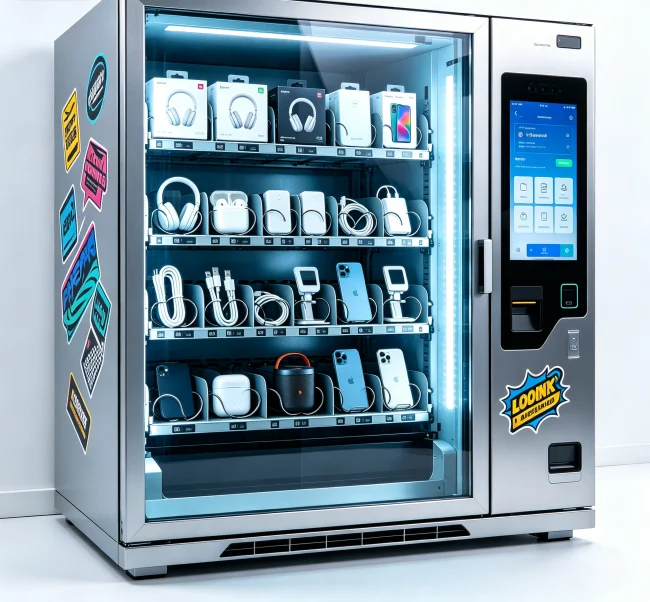
    Beyond the Basics: The Vending Machine Opportunity

    Let’s talk a bit more about the vending machine route, because it’s often misunderstood. People think you need to buy a whole route for $10,000+. That’s not true.

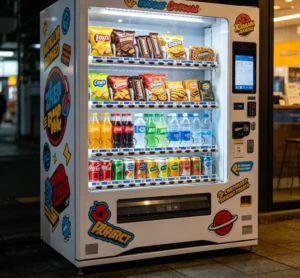
    Starting with one machine is the perfect way to test the waters. You can find a used soda or snack machine on Craigslist or Facebook Marketplace for $1,000-$3,000. Then, you need about $300-$500 for the first stock of products.

    The magic happens when you find the right location. A machine in a busy auto repair shop or a 24-hour laundromat can easily bring in $500-$1,000 per month. That’s a 20-30% return on your initial investment per month.

    But here’s the thing—used machines can be a headache. They break. They’re ugly. They don’t accept modern payment methods. That’s why many first-timers prefer a new, reliable machine from a company like VendingCore. They offer machines with card readers, telemetry (so you know when to restock), and a warranty. It’s a slightly higher upfront cost, but it saves you from the constant stress of repairs.

    💡 Key Takeaway: The best business for $5,000 is the one you can start this week. Not next month. Not after you’ve “done more research.” Pick one, start small, get your first customer, and iterate. Action beats perfection every time.

    The $5,000 Business Launch Checklist

    Here’s a quick, actionable checklist to get you from idea to first dollar.

  • Week 1: Choose your business model (cleaning, VA, lawn care, vending, etc.). Set up your legal structure (LLC or sole proprietorship).
  • Week 2: Buy your essential equipment (supplies, pressure washer, vending machine, etc.). Set up a simple website or landing page.
  • Week 3: Create your marketing materials (flyers, business cards, a simple social media post). Identify your first 10 prospects.
  • Week 4: Launch! Contact your prospects. Do your first job. Get your first review.
  • Month 2: Analyze what worked. Double down on your best marketing channel. Start looking for your second customer.
  • 💡 Practical Advice: Don’t quit your day job yet. Run your new business in the evenings and on weekends for the first 2-3 months. Once you’re consistently making 50-75% of your current salary, then you can consider making the leap.

    Conclusion

    So, is $5,000 enough to start a real business? Absolutely. It’s not enough to buy a franchise or open a retail store, but it’s more than enough to launch a high-ROI service business or a small vending machine route. The barrier isn’t the money—it’s the decision to start.

    Stop waiting for the “perfect” idea or the “perfect” amount of capital. The best business to start with $5,000 is the one you actually start. Pick one from the list above, follow the checklist, and go get your first customer. You’ll be surprised at how fast you can turn that $5,000 into a thriving business.

    For those interested in the vending machine path, I’d recommend checking out this data-driven guide that covers real profit numbers and common pitfalls. It’ll give you a much clearer picture of what to expect.
    Frequently Asked Questions (FAQ)

    A

    Yes, absolutely. $5,000 is enough to launch a service-based business (cleaning, lawn care, virtual assistant) or a small vending machine route. You won't be able to lease a storefront or buy a franchise, but you can start generating income immediately with smart planning and low overhead.

    A

    Service businesses like pressure washing, home cleaning, and lawn care offer the highest profit margins (often 70-90%) because you're selling your time and skill, not products. A single pressure washing job can net $200-$300 after expenses. Vending machines can also be very profitable, with margins of 25-40% on each sale.

    A

    Yes, you should get a basic business license and liability insurance. The license is usually under $100, and insurance for a service business is around $300-$500 per year. This protects you legally and makes you look more professional to clients.

    A

    It depends. A used machine can be found for $1,000-$3,000, but it may break down frequently and lack modern features like card readers. A new machine from a reliable supplier like VendingCore costs more upfront but comes with a warranty, telemetry, and better payment options, saving you money in the long run.

    A

    If you choose a service business, you can get your first paying customer within 1-2 weeks. For a vending machine, it might take 2-4 weeks to secure a location and start generating sales. Most businesses become profitable within the first 1-3 months.

    A

    The biggest risks are buying expensive equipment you don't need, over-ordering inventory, and not having a clear marketing plan. Also, choosing a business model that doesn't match your skills or local demand can lead to failure. Start small and test the market first.

    A

    Yes, absolutely. A single vending machine requires only 1-2 hours per week for restocking and maintenance. This makes it an ideal side hustle. Many people start with one machine and gradually build a route of 5-10 machines while keeping their full-time job.

    A

    No, you don't need to quit your job. Most $5,000 businesses can be run part-time in the evenings and on weekends. It's actually smarter to keep your day job until your new business is consistently generating 50-75% of your current income.

    The biggest mistake I see with $5,000 startups is people trying to build a perfect business before they have any customers. They spend $2,000 on a website, $1,000 on fancy business cards, and $500 on software subscriptions. Then they have nothing left to actually get their first client. The truth is, for the first 90 days, your only job is to get revenue. A simple Facebook page, a Google Business Profile, and a lot of hustle will do more for you than any expensive tool. Focus on cash flow, not polish.

    Sarah Chen
    Small Business Startup Coach & Author of "Lean Launch"

    Ready to Start Your Project?

    Contact us for professional advice and customized solutions

    Contact Now

    Asher

    Technical expert in smart vending solutions and IoT-enabled retail automation. Providing in-depth reviews and comparisons to guide businesses toward the best technology choices.

    Leave a Comment

    Your email address will not be published. Required fields are marked *

    Table of Contents
    0%
    VendingCore
    Privacy Overview

    This website uses cookies so that we can provide you with the best user experience possible. Cookie information is stored in your browser and performs functions such as recognising you when you return to our website and helping our team to understand which sections of the website you find most interesting and useful.