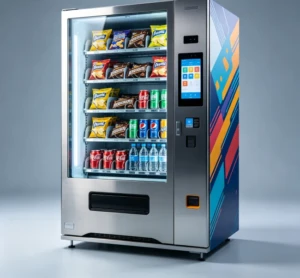
How do I start a vending machine business? Plan on an initial investment of $3,000 to $15,000 for your first location-ready machine, and know that a well-placed machine typically pulls in $300 to $1,000 per month. You’re buying or leasing equipment, negotiating a spot in a high-traffic location like a gym, hospital break room, or college dorm, then stocking and servicing it on a weekly loop. Most new operators run two to five machines to spread risk and make the math feel less terrifying. If you pick the right product and foot traffic, this model beats a lot of side hustles on effort-per-hour.
What Does Getting Started Actually Cost You?
The old “buy a soda machine, drop it in a warehouse, collect money” fairy tale is dead. In 2026, the real costs are visible up front: machine price, sales tax, shipping, a dolly, placement, initial inventory, a card reader, and a few months of cash buffer. Here’s a rough snapshot of what new equipment runs in the U.S. market right now.
| Machine Type | New Price (Approx.) | Best Fit |
|---|---|---|
| Snack Vending Machine | $2,500 – $5,000 | Office, school, small breakrooms |
| Combo Snack & Drink | $4,500 – $9,000 | Gyms, warehouses, laundromats |
| Coffee Vending Machine | $3,000 – $8,000 | Hospitals, transit hubs, factories |
| Specialty / Print-on-Demand | $6,000 – $15,000 | Malls, tourist spots, campus hubs |
Used machines can save you 30-50% if you inspect the compressor and payment system first. But don’t skip the card reader. By 2026, most customers expect to tap their phone, and cash-only cuts your sales by a startling margin in younger-heavy locations. Budget $200-$600 for a modern card reader plus installation.
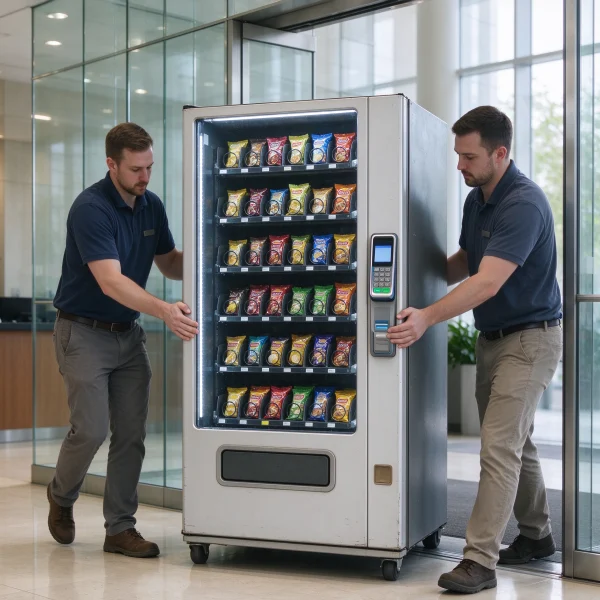
Want a lower-entry shortcut? Lease instead of buying. Many suppliers let you put $0 down and pay $150-$300 a month per machine. You’ll spend more over time, but you’ll keep cash for locations and inventory.
How to Pick the Right Vending Machine (and Not Regret It)
Not all vending machines are equal. A snack-only unit is simpler to stock, but a combo snack-and-drink machine sells higher margins and gets more trips. Coffee vending machines work well near hospitals, transit centers, and factories. Specialty machines — like phone case printers or custom puzzle vending machines — can be a killer differentiator if your demographics are right.
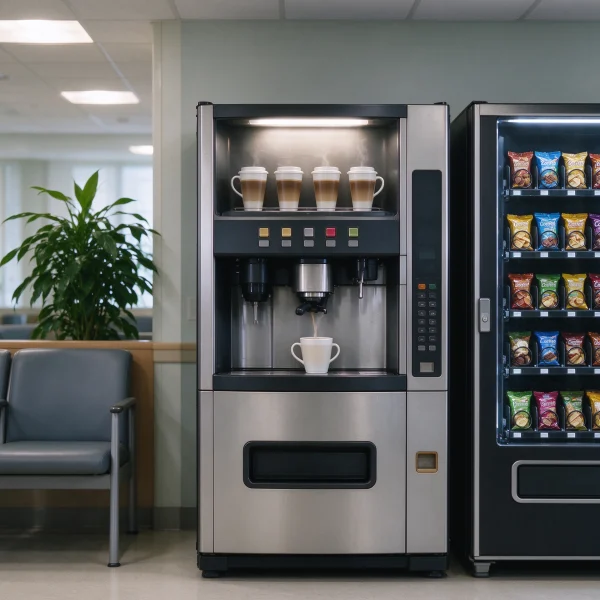
If you’re thinking about something more unique, our guide on custom puzzle vending machine costs and profit in 2026 walks through breakdowns you rarely see on other sites.
Whether you buy from a big brand or a direct manufacturer like VendingCore, look for CE, FCC, or UL certifications, a 12-month warranty on parts, and a technical support team that actually answers. That’s the difference between a weekend babysitting job and a machine that runs quietly for years.
Where to Find Locations That Actually Make Money
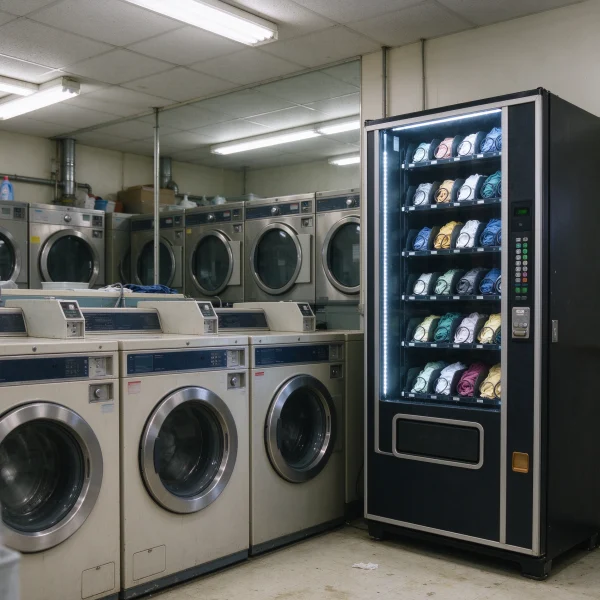
Foot traffic alone doesn’t mean sales. A hallway with a thousand passers-by but zero dwell time won’t pay your bills. The best places are where people wait, work, or need a break: employee break rooms, hospital waiting areas, auto repair shops, laundry rooms, and gyms.
Here’s the pitch that still works: don’t ask for rent. Offer the business owner a 10-20% commission on gross sales or a free product allowance monthly. It makes you seem like a partner, not another vendor selling space.
Let me give you a real example. A laundromat with 40 machines and no convenience store nearby can generate $400-$600 a month in snack and drink sales, especially if you stock cold water and energy drinks. That’s a realistic first contract, not a dream.
Stocking, Pricing, and the Real Day-to-Day Work
Your product mix should be simple at the beginning. Aim for about 50% snacks and candy, 30% cold drinks, and 20% trial items that you rotate based on what sells. Price at roughly 2x wholesale cost. A bag of chips that costs 50 cents becomes a $1 snack, a drink that costs 80 cents becomes $2. That’s not a jaw-dropping margin, but it’s enough if the machine turns over.
Set a restocking rhythm. Most operators service each machine every one to two weeks. Do the heavy restocking on a weekday, not a Friday night, so you’re not the reason a machine runs out before the weekend. Use your phone’s calendar and take a photo of every shelf before you pull up. Future-you will be grateful.
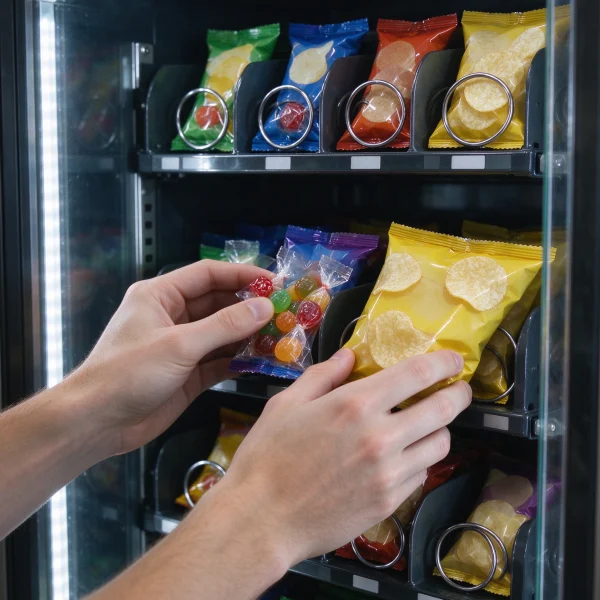
You’re a delivery driver, data analyst, and part-time accountant in the first three months. The sooner you accept that, the fewer nasty surprises you’ll find inside a stale cookie bag.
Permits, Taxes, and Insurance You Can’t Skip
Before you even plug in a machine, check your city and state rules. Most places need a general business license, and if you’re selling food, you may need a food permit from the health department. You’ll also need a resale or vendor license so you can buy inventory tax-free and remit sales tax on each sale.
Insurance is not as expensive as new operators think. A basic liability policy for a small route runs $300-$600 a year in most states. That’s cheap peace of mind, and many location owners will ask for a certificate of insurance before they let you in.
How to Scale Without Losing Your Shirt
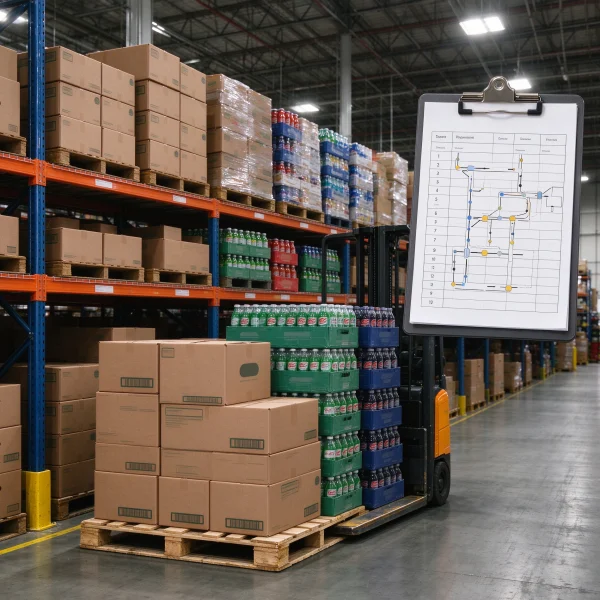
Track every machine’s numbers separately. Use a simple spreadsheet with columns for location, date, inventory cost, revenue, and issues. Route software is nice once you have ten machines, but in the beginning a notebook works fine.
Once a location has shown three or four consistent months of sales, that’s your green light to add another machine nearby or upgrade to a combo unit. Don’t scale on hope; scale on data.
As you grow, look for suppliers with a solid track record, not just the lowest price. That’s especially true if you’re importing. Our guide on sourcing coffee vending machines from China in 2026 covers quality checks, shipping timelines, and the questions most first-time buyers forget to ask.
The Bottom Line
Starting a vending machine business isn’t a get-rich scheme. It’s a system of small, repeatable decisions: buy equipment that lasts, place it where people actually wait, stock what they’ll actually eat, and show up on schedule. Do that, and you can build a route that pays steady monthly income.
If you want to explore specialty machines or custom builds, the guides on VendingCore’s vending machine page are a good place to start. They also publish reviews on newer categories like phone case printing vending machines and where to buy them in the USA, which helps you spot trends early.
FAQ
How much money do I need to start a vending machine business?
You can start with $1,500 to $3,000 if you buy a used snack machine and place it in a location you already have access to. A full setup with a new combo machine, card reader, initial inventory, and insurance usually lands between $6,000 and $15,000. The sweet spot for most first-timers is keeping enough cash to cover machine issues and three months of inventory.
Do I need a license to run vending machines?
Yes, in almost every city you’ll need a business license, and most states require a resale certificate so you can collect sales tax. If you’re selling food or beverages, some local health departments also want a food permit. Check with your city’s licensing office before you buy inventory.
What type of vending machine makes the most money?
Combo snack-and-drink machines tend to make the most consistent money because they cover the two most common cravings. Specialty machines, like phone case printers or puzzle machines, can earn more per transaction but depend heavily on the right location and crowd. In general, a machine placed in a high-dwell location with 500+ weekly visits will beat almost any machine in low-traffic spots.
How do I find a good vending machine location?
Start with small businesses you already frequent: gyms, laundromats, auto shops, barbershops, and apartment offices. Approach the owner with a simple offer: I’ll place and maintain the machine at no cost to you, and you get a 10-20% commission. Ask for a 6-month trial before committing to a long contract.
Can I start a vending machine business with no money?
Technically yes, if you lease a machine or use a rent-to-own plan. Some suppliers offer low monthly payments with zero down. But you’ll still need a few hundred dollars for initial inventory and a cash buffer. Realistically, $1,000 to $1,500 gives you breathing room to cover repairs and slow first months.
How much does a vending machine make per month?
A well-placed machine typically makes $300 to $1,000 per month. A snack-and-drink combo in a busy gym might hit the top of that range, while a poorly stocked machine in a quiet office might barely clear $100. Track each location separately and relocate slow machines after three months.
Most new owners fail for the same reason: they buy a machine first and look for a location second. Flip that order. Find the location, measure the foot traffic, understand who the customers are, and only then pick a machine to fit the demand. One good location can make a $3,000 machine pay for itself in six months, while a bad location can make a $500 machine feel like a donation to a warehouse. Treat the route like a tiny retail store, watch your numbers weekly, and don’t be afraid to relocate a machine after a few quiet months. Consistent hustle beats lucky placement.